I've been teaching English for over 20 years in London, Japan and France. I also do an award-winning podcast for learners of English called "Luke's English Podcast". In my free time I'm a stand-up comedian who regularly performs shows in English in Paris and sometimes London.
Part 1 of a big ramble about Avengers Endgame, Marvel Studios and comic book movies in general with my friend, comedian Fred Eyangoh. No spoilers! Part 2 coming soon…
Hello everybody, welcome to episode 589 of Luke’s English Podcast.
This episode is a big ramble about Avengers Endgame, Marvel Studios and comic book movies in general with my friend Fred Eyangoh. I should point out that this episode contains no spoilers for Avengers Endgame, because neither of us have seen the film yet.
We’re both fans of these films and we become a bit like excited children when talking about this subject and so we end up talking quite quickly, interrupting each other, talking over each other sometimes, just like people normally do when having lively conversations. Some of you will be glad because you like the challenge of the faster conversations on this podcast, but others might find it harder. If you find it difficult to follow, my advice is to stick with it. You will get used to Fred’s voice and the general speed of the conversation after a while.
Fred is very articulate and insightful about these films, particularly the business side of comic book movies in general. Watch out for loads of really useful descriptive language throughout this conversation as we talk about characters, plot points and Marvel Studios’ approach to the business of movie making.
The whole conversation is long, but so is Avengers: Endgame. It seems appropriate somehow. Unlike Avengers Endgame, this episode is in two parts. You’re listening to part 1. Part 2 should be available very soon.
The film is 3 hours and 1 minute long. People are wondering how they are going to get through the film’s marathon running time without taking a toilet break. I think you won’t have the same issue while listening to this double podcast episode because you can just pause, answer the call of nature, and carry on, or perhaps even do your business while listening on headphones. Please just remember to wash your hands when you are finished.
I hope you enjoy our chat and that you are also looking forward to seeing Avengers Endgame in cinemas soon. I’m going to see it tomorrow.
I’ll talk to you more at the end of this episode. But now, let’s jump into my conversation with Fred, and here we go.
Fred & Luke start talking…
Some scripts & other notes
Here’s a new episode of Luke’s Film Club on Luke’s English Podcast. It’s been a while since the last episode of film club. In this series I like to talk about films – sometimes obscure ones that you might not know, and sometimes big blockbusters that lots of people are talking about. This episode is firmly in the second category as we are talking about one of this year’s most highly anticipated film releases, Avengers: Endgame!
But here is a disclaimer before we start.
This entire episode is devoted to the discussion of this new Avengers Film but also to the subject of Marvel movies in general – I mean, superhero films produced by Marvel Studios. That’s stuff like Iron Man, Captain America, Thor, The Avengers, etc. There might also be some Star Wars chat as well here, maybe at the end of the episode.
I just want to say right at the start – if you’re not a fan of those films, then this episode probably won’t be for you. I realise this might not be for everyone, okay?
But, then again, Avengers Endgame, which is the culmination of a massive 21-film narrative, is coming out in cinemas at the end of this month and it is hotly anticipated. This is an international phenomenon along the lines of other big franchises like Star Wars, Game of Thrones and so on. People are predicting that this film is going to become the highest grossing film on its opening weekend, worldwide, of all time, ever.
So, this is an event movie on an international scale and I am certain that plenty of my listeners will be interested in this and will want to hear us talking about it. That’s why I’m doing this episode.
If I was learning English, I think I would want to listen to people talking about this film! I’m really excited to see it. Perhaps you’re planning to watch it too, maybe in the original English version if that’s possible where you live.
But I just want to, in the most British way possible, apologise in advance for those of you who have no interest in this film franchise at all. Sorry.
Maybe you will choose to listen to this and it will be a sort of introduction to Marvel movies and you’ll decide to check them out and you’ll enjoy them. Or maybe you’ll skip this episode altogether. It’s up to you. Other episodes will be coming along soon, and of course, if you’re looking for other content from me you could always sign up to my premium service to hear episodes focusing specifically on grammar, vocabulary and pronunciation.
But anyway, that’s the disclaimer out of the way. So now, let’s get stuck in shall we?
The plan is to talk about Avengers Endgame, but also to cover most of the other Marvel films we’ve had so far, and also talk about the main characters. This could easily become several episodes.
I’m joined today by Fred Eyangoh, making his third appearance on the podcast. Fred is a friend of mine from the Paris comedy scene. He’s from Cameroon but he lives in Paris, and he’s a big fan of films. Fred’s first appearance was in episode 430 and you can go back to that one if you’d like to learn more about Fred, his background and how he learned English.
So now, let’s get started with this episode of Film Club on Luke’s English Podcast…
Avengers: Endgame – Trailer
Plot summary from Wikipedia
Adrift in space with no food or water, Tony Stark sends a message to the love of his life, Pepper Potts as his oxygen supply starts to dwindle. Meanwhile, the remaining Avengers — Thor, Black Widow, Captain America and Bruce Banner — must figure out a way to bring back their vanquished allies for an epic showdown with Thanos — the evil demigod who decimated the planet and the universe in the previous chapter of the series Avengers: Infinity War.
A run-down of the conversation in the episode:
Getting excited about Avengers Endgame
Reasons why the MCU has been a success
Iron Man, the film that launched the MCU over 10 years ago.
Avengers: Age of Ultron – Tony Stark’s technological AI defence system goes wrong and tries to kill all humans
Boring CGI battles at the end of all superhero films
Watching 200 million dollars on screen (Avengers: Infinity War)
How much we are anticipating Avengers: Endgame
The balancing act of bringing so many different characters together in the same film. Balancing the tone of each character, and the enjoyment of watching these characters interact in different situations.
Smaller, weirder characters that balance out the more serious ones, like The Guardians of the Galaxy, particularly Rocket Raccoon who we both think is a great character.
Captain America: his origin story and what the character represents.
Great casting. The list of great characters in the films: Glenn Close, Robert Redford, Hayley Atwell, Cate Blanchett, Jeff Bridges, Michael Douglas, Kurt Russell, Benicio Del Toro, Tilda Swinton. The list goes on and on…
Kevin Feige and his success as producer of all these films. The unifying figure around all these films. The one person who was at the centre of all the operations. He managed to give away enough power to creative people to get these movies out there. He found the right actors, screen writers, directors… He didn’t lose his judgement, unlike someone like George Lucas who, arguably, lost his judgement after making his original trilogy. Arguably.
Marvel (so far) have never released a film that completely divided the audience (like The Last Jedi) or got panned by the critics (like the more recent DC films). They haven’t made a film that was weak enough to break the franchise, unlike DC.
Man of Steel. We think it’s pretty terrible.Batman v Superman: Dawn of Justice. We also think it’s terrible. Why?
Shazam (the latest DC film). Fred thought it wasn’t good. Luke doesn’t want to see it because of the main character’s haircut.
Is Shazam similar to Deadpool?
The way Ant-Man works because of the humour.
https://www.youtube.com/watch?v=5_PmY8prw7M
End of Part 1
Episode ending – script
This is where we are going to pause this conversation and we will carry on in part 2.
I hope you’re keeping up with all of this! As I said at the beginning, I think it might be difficult for some of you to follow, but challenges are good and it’s important to try and listen to these fast conversations. Hopefully you’re into the subject enough to keep listening and that’s the main thing! Practice practice practice!
So, part 2 will be available to you soon and our conversation will carry on there, talking mostly around the subject of Avengers Endgame but also there’s some talk of Star Wars because episode IX is coming out later this year and a new Star Wars trailer arrived recently. If you’re a fan, then these things are quite important actually!
So, there’s about 30 minutes more conversation from Fred and me in part 2, and then also I will talk a bit on my own about some other stuff, like fan theories for Avengers Endgame and just some of my own thoughts about the film.
Feel free to leave your comments. If you have now seen the film, please avoid writing spoilers in the comment section, or at least flag up the fact that your comment contains spoilers by writing the phrase SPOILER WARNING at the top of your comment.
I’m going to see Avengers Endgame tomorrow (because new films are released on Wednesdays here in France) and I might record some kind of reaction to the film or a ‘non-spoiler review’ of some kind.
Then, of course, after all this hype has died down, it will be back to podcasting as usual. There might be a little gap because I’m going away on holiday, but normal podcasting will return, as you would expect.
That’s it for part 1 then. I expect part 2 will be available very soon so you can carry on and get into some of the excitement.
Part 2 of my episode about punctuation. This one covers punctuation rules for apostrophe, full stop and comma. Also you can hear the rest of my book review of Punctuation..? by User Design. Transcript available below.
Hello there, you are listening to part 2 of this episode about punctuation. In the last one I talked generally about the importance of punctuation in various types of writing, described a book about pronunciation which has been sent to me for review by a publishing company and also I went through a list of punctuation symbols and described them so you know the names for a lot of the different punctuation marks available to you.
In this episode I’m going to actually teach you various punctuation rules relating to 3 big punctuation symbols.
So, I’m going to talk about how we use apostrophes and how to avoid certain common errors that actually make people’s blood boil, then I’ll give you some tips about full stops and commas. I’m also going to finish reviewing that book which I received in the post recently. It’s a punctuation guide and I’ll be giving my review of it.
Just before recording this I realised that there were some punctuation symbols which I didn’t mention in the last episode and I just want to say them now because you might not know the names we use in English for these symbols. These are ones we see on our computer keyboards and use quite a lot for various things like email addresses and stuff like that.
_ underscore
@ at mark
& ampersand
# hash
* asterisk or star
Alright, now I’ve mentioned those, let’s carry on with this episode with my comments about apostrophes, full stops and commas and then the rest of my review of the book Punctuation..? by User Design.
Just a reminder – you can find a transcript on the page for this episode on my website so you can read along with me or skim the script later in order to check for any new words. There are also links for the book and some pictures too. Right, let’s carry on.
Some punctuation rules
I don’t have time to go through every single punctuation symbol and explain their rules so I’m just going to focus on a few thing. To get the rest you’ll need to get a copy of this book or one of the others on the market. Other books are available of course.
Also I should say that usually, these days I do this kind of language teaching in my premium episodes. This time I’ve chosen to include this in a free episode, but if you want more of this kind of thing – episodes where I focus specifically on teaching you language then check out my premium episodes and become a premium member at www.teacherluke.co.uk/premium
I’m going to deal with
The apostrophe (various uses)
Full stop vs dot vs point
Comma
I’ve chosen those because they’re really common and people, surprisingly, get them wrong quite a lot. Usually it’s learners of English who get full stops and commas wrong, and errors with apostrophes are common among native speakers. In fact errors with apostrophes make some people really angry. I’ll say more about that in a minute.
One thing to say here is that there is a certain amount of disagreement when it comes to punctuation rules. There isn’t a single agreed set of rules that everyone follows. Some things, yes, everyone agrees on, more or less. I think this includes certain basics like the rules of full stops and apostrophes. But for many other areas of punctuation there are always little points of disagreement, like for example some uses of the comma (The Oxford Comma debate comes to mind. I can’t go into that now though, because we’d be here all day! Just google it to get the full story, perhaps on a website like Grammarly).
So, be aware that there are some differences of opinion when it comes to style and the application of punctuation. The following information is correct as far as I’m concerned.
Apostrophe
This is not just a brilliant album by Frank Zappa, it’s also one of the most commonly used bits of punctuation, and this is a big one because people get it wrong all the time and it has a few different uses.
I’m paraphrasing from the Punctuation…? book here by the way.
Paraphrasing means taking information that you find in someone else’s work and then putting it into your own words, not copying it word for word, I mean changing the wording so that it’s not the same as before. In fact, paraphrasing really means reading someone’s words, understanding them and then writing the same concepts but using different wording.
Anyone writing essays at university should be well aware of the importance of paraphrasing so you don’t commit copyright infringement. This is a major issue these days because the internet allows people to copy & paste other people’s text so easily, but we shouldn’t do it. We shouldn’t pass off other people’s work as our own. I know that there are plenty of universities that are working on ways to seriously crack down on their students just ‘copy & pasting’ other people’s work into their own essays.
Having worked at a university here in Paris I have seen it done lots of times and I must say it really annoys me. It’s always blatantly obvious and, well, I just can’t stand it. For me the main examples were when I gave my university students presentation tasks to do and they literally just memorised a page from Wikipedia and then recited it to the class with absolutely no effort to even care about or think about what they were saying.
It just looks so terrible when people do that. It’s ok to take information from somewhere, just try to absorb it and then put it in your own words, and please, if you ever do a presentation at university or anywhere for that matter, just try to put some enthusiasm into your work, even if you’re worried about making errors in English. Sorry, I touched a nerve there in myself. Bad memories of some moments when I felt frustrated during my days of being an English teacher at university.
Anyway, for the record, I am paraphrasing the main points that are made by the Punctuation…? book here, with some other ideas of my own thrown in.
What’s the apostrophe?
Think about the title of my podcast – Luke’s English Podcast. There’s an apostrophe in it. L U K E apostrophe S. That one shows a possessive. It’s my podcast. Luke’s podcast.
What does it look like, Luke? (can you repeat that question? haha)
It’s like a little dot with a tail that hangs in the air just to the right of a letter. In the case of possessives, that’s just before the letter S at the end.
It’s for possessives, but also other things. Here’s a list of situations when we use apostrophes.
Possessives
We use apostrophes with singular and plural nouns to show that one thing possesses another thing.
Here are some examples of possessives with singular nouns, in this case Dave is the singular noun.
“That is Dave and that is his car, just over there. Yes, that car belongs to Dave. That is Dave’s car. This is not Dave’s car. This is my car. My car is small, but Dave’s car is really big, unnecessarily big, some might say. I don’t know why he’s been driving such a massive car around the city. Now, as you can see, Dave’s car has crashed into my car. My car is now completely smashed up and will have to be thrown away at the junk yard. Dave’s car on the other hand, is relatively undamaged. So, Dave’s car is fine, but mine is completely smashed up. These are my hands. And this is Dave’s throat. Yes. I am strangling Dave. In my mind.”
Sorry, I got a bit carried away there! Don’t worry folks. It’s just an example. I don’t have a car and none of that ever happened, and anyway Dave’s dead now so it’s fine.
Just kidding.
Anyway, you saw lots of examples of the possessive apostrophe being used there.
You know this already, right? You should do.
We use an apostrophe to show possession when we’re dealing with singular nouns, like Dave. Dave is a singular noun (he’s also a single man, girls, if you’re interested in men called Dave who have large cars but can’t drive them).
It also works for things too, not just people. For example, the word car. “That car’s windscreen is completely smashed, whereas this car’s windscreen is somehow undamaged.”
That’s singular nouns. What about plural nouns, Luke?
What if both cars had their windscreens smashed in the accident?
As you know, plural nouns in English have S at the end. One car, two cars.
So what if you’re talking about the windscreens of two cars?
So, to add possessive S to a plural word which already has an S at the end (like CARS), what do you do? Do you add ‘apostrophe + S’ like with singular nouns? So C A R S ‘ S?
Nope, you can just add the apostrophe to the end, without the final S.
So it’s C A R S ‘
These cars’ windscreens are both smashed.
To be honest, if we’re not talking about a person I’d probably find another way of putting it. I’d probably say
The windscreens on these two cars are smashed.
What about plural names? For example if you have more than one bloke called Dave. Two Daves.
Actually, it’s rare that you have possessive forms of plural names.
It’s just weird to say something like “Daves’ cars crashed into each other” meaning “Dave and Dave’s cars crashed into each other”.
The point is – for plural nouns, whatever they are – people or things, with possessives you can just add an apostrophe.
This is also true for names that end in S, like James, my brother’s name.
You can write James’ Room. That’s J A M E S ‘ R O O M.
I remember that one because when I was a child, my brother and I had separate rooms and we had little signs on our doors. Mine said “Luke’s Room” with an apostrophe after my name and then an S. James’ sign said “James’ Room” with an apostrophe and then no S. I sometimes wondered why they were different. It’s just because James’ name ends in an S.
Fascinating stuff this, isn’t it?
For names ending in S like this you can also just write James’s Room. J A M E S ‘S R O O M.
How do you say that? James’ / James’s —-> /jeimziz/
So actually, for names it can be S’ or S’S.
So that’s possessives for singular nouns, plural nouns with S and names ending in S.
But what about irregular nouns? I mean, nouns where the plural form isn’t made with an S, like “children”.
One child
Two children
Well, we just do the same thing as we do with a singular noun.
So, “The children’s toys are in the bedroom”.
Other examples are things like “Women’s rights”, “The people’s champion” or “The Men’s changing room”.
A common error with apostrophes (Using apostrophes for plurals – don’t do it folks!)
This is a mistake that makes some native speakers get really annoyed.
Sometimes in the UK you will see people use apostrophes just for normal plurals.
For example you might walk through a market and see a sign saying “Orange’s” or “Burger’s” or even “Fish & Chip’s”. Needless to say, there definitely shouldn’t be an apostrophe in those words. They’re just plurals of countable nouns. They’re not possessives and they’re not contractions of verbs.
Those kinds of errors are likely to make people’s blood boil!
If they know you’re a non-native speaker of English, that will make it a bit better, but still – don’t make the sort of mistakes that native speakers make, even if native-level English is what you’re looking for.
We’ll look at a couple of other common errors in a minute.
Apostrophes in contractions to indicate missing letters
Apostrophes are also used to let us know that some letters have been removed to make contracted forms.
Luke’s terrible improvised “joke” (?) Just let us know when the letters have been moved from the lettuce.
(The words “let us” “letters” and “lettuce” sound really similar, that’s it. Terrible. Not even a joke.)
Apostrophes in contracted forms
Don’t → Do not
Doesn’t → Does not
I’ll → I will
Isn’t → Is not
Let’s → Let us
There’s → There is
You’re → You are
The book says that contracted forms are used for writing out speech, which is a good way of putting it. I’d add that these days we just use contracted forms in any kind of informal and neutral writing, but not in formal writing.
This use of apostrophes isn’t very complicated, is it? But it does cause one particular problem, which is it’s vs its
That’s the difference between the contracted form of it is and the possessive form of the pronoun it.
More common errors: It’s vs its
This is another thing that native speakers get wrong quite a lot.
Think of these two examples. Which ones should contain an apostrophe and which shouldn’t?
Obviously if you’re reading the script for this episode then you’ll be able to see the apostrophe with your eyes because it’s right there. But for those of you who are listening, in which sentence would you add an apostrophe after “it”?
It’s a lovely day today!
My phone has a crack on its screen.
I feel like I should join those sentences together to make one slightly sad sentence.
It’s a lovely day today, but my phone has a crack on its screen. :(
So, with an apostrophe “it’s” means “it is” or “it has” (like in present perfect).
Without an apostrophe it’s a possessive pronoun, just like my, your, our, their, his, her. My phone, your phone, our phones, their phones, his phone, her phone. None of them have apostrophes either.
We saw a lion and its paw was injured. (possessive pronoun) Oh no, it’s (it has) injured its (possessive pronoun) paw!
Full stop (also called the ‘period’ in US English)
This one is really simple but it needs to be said because I’m surprised at how often I see missing full stops in students’ writing and also people using commas instead of full stops, incorrectly.
So I’m just going to say – put a full stop at the end of your sentence and a capital letter at the beginning of the sentence!
You don’t need a full stop if you have an exclamation mark or question mark.
How do you know when it’s a full stop and not a comma?
Well, if you’re using a new subject in a new clause without a conjunction (a joining word) to connect them, you need a full stop.
For example
I love cheese, but I can’t eat too much of it. I love cheese. I can’t eat too much of it.
A basic example there, but there it is.
“Full stop” is a phrase that we use in spoken English to mean “And that’s the end of it! I am not discussing it any more” For example, “I don’t want to see any more smoking in front of the building, full stop!”
In US English they say “Period”.
“God damn it John. You’re a god damn maverick! I want your badge and your gun. You’re off this case. Period!”
“Full stop” is the phrase we use for the dot at the end of the sentence.
We also have other little dots in things like numbers and web addresses. What do we call them?
Dot
Use this in email addresses and websites. Teacherluke.co.uk
Also use it just to describe the shape – a small round mark is a dot, like on a pattered dress.
For example you might have a blue dress with white dots on it.
Also we use the word “dot” for the top part of the letter i or j and also to describe exclamation marks or question marks. It’s just the word we use for a tiny round mark.
Point
This is for numbers, meaning “decimal point”.
For example 3.14159 (Pie) Three point one four…
BBC headline: Women have 1.9 children on average, a record low – BBC News One point nine children…
Comma
This is the most common punctuation mark in English. Basically, it’s used to make your writing clearer and to indicate some sort of pause in the rhythm of the sentence. We use them to separate items in a list.
For example, “Give me your clothes, your boots, your cigarettes, your Pokemon cards and your motorcycle”.
It’s also used when there is a change in the subject in your sentence. That’s something the Pronunciation…? book said and I think it’s really good.
For example
“I wanted to watch the new Avengers film, but Dave crashed into my car, so I couldn’t.”
There are more little uses of the comma, like the way they’re used in non-defining relative clauses or conditional sentences but to be honest I can’t go into all of those things now!
You’ll have to get a punctuation guide to get all the details.
Alright. This stuff can be hard to keep in your head, even when you already know it! That’s why you need a reference book to keep going back to. Explaining punctuation is not that easy, especially in an audio podcast, so why not use a book like this to save you the effort of working it all out for yourself, or doing loads of google searches and attempting to find consistent answers from different sources.
One thing I will say again is that there is some disagreement about the rules of punctuation and to an extent some of the application of punctuation symbols in your writing is a question of personal style and personal choice but some things are definitely right or wrong so the more you know the more control you’ll have and ultimately the better it will be for your English.
Book Review – Punctuation…? by User Design (continuing my review)
Punctuation..? by User Design (front and back covers)
There are a few books that explain punctuation that already exist on the market, but not that many that only deal with punctuation on its own.
Most of the time you’ll find punctuation guides inside other reference books like dictionaries (for example The Oxford English Dictionary) or grammar guides (like The Oxford A to Z of Grammar and Punctuation). As far as I can tell, the main book people buy when searching for a punctuation guide is The Penguin Guide to Punctuation. So, those things are the mainstream, well-known guides.
This book, “Punctuation…?” should be considered as an alternative.
So, let’s think about this book again. Remember how I described it to you earlier? Let’s go a bit deeper and I’ll give you my thoughts – both the negatives and positives.
I definitely like this book but I think it’s not 100% perfect. Let’s start with the negatives first. This is where I do some nit picking. Nit picking means making small criticisms or critical observations about something. Small criticisms that aren’t really all that important.
Well, perhaps some of these criticisms are important. We’ll see.
Negatives
The design aesthetic of this book is minimal, but it’s a bit too minimal in places, maybe. It doesn’t always give full reasons for some punctuation points and it feels like some things are lacking. For example, the page about colons. I had other questions which weren’t answered, like “Shouldn’t we put a capital letter after a colon? When do we use a capital letter after a colon and when do we not?” Those are questions which might be answered by more thorough and detailed punctuation guides or just by googling it. I sometimes feel there’s more to add, and I expect that in later editions of the book, if they publish them, there will be more details added, or at least I think there probably should be, without spoiling the minimal style of the whole book anyway.
So, yes, the book feels a little bit insubstantial, as if it needs more. For example, it could do with some pages of commentary, generally, about punctuation in general. The book covers each punctuation point succinctly and then it just ends. I would like some comments perhaps from the authors just explaining their process or perhaps giving some opinions about punctuation and style or something like that.
At first I thought that this feeling of “there’s something missing” was because of the minimal design with plenty of white space on the page and the cartoons which look quite sketchy, even if they are good fun. I thought it was just the effect of the design.
But in all honesty, it’s not just the way it looks, it’s also the content. Don’t get me wrong, the pages which are there are great and will definitely teach you good information about punctuation but it’s not really a full book. It’s more like a pamphlet, which is how it is described on Amazon.
The recommended retail price on the back of the book is £10, which is higher than other, more substantial books on punctuation which are available. I think that might be a bit of a sticking point for some customers. You’d expect the price to be a bit lower for the amount of content you’re getting.
Also, some of the examples are a bit weird, which can make them slightly confusing (“The snakes’ hisses”?)
Also, sometimes it’s not completely obvious to me what the connection is between the illustration and the punctuation point being explained. This makes it feel a bit like the pictures aren’t all that helpful beyond just creating a fun atmosphere – but is that what people want when using a punctuation reference guide? By all means, use humour and fun. Of course I believe in that strongly. I think it’s really important to help people to enjoy learning stuff like this but I also think that the fun stuff should be performing a function too and in this case some of the pictures don’t seem to make things clearer, some of them just seem a bit odd.
They’re idiosyncratic which is cool, but not always that helpful, and they might just make the guide somehow less serious, which I think is something people look for in a guide like this. Am I repeating myself? Probably.
This book is after my own heart. https://dictionary.cambridge.org/dictionary/english/after-your-own-heart
In summary, it might lack the seriousness and full commentary that some people expect from this kind of book at this kind of price, even though I like it.
Positives
One of the good things about this book is that it’s just a nice product to own. The paper it’s printed on is nice and thick and feels pleasant to touch. It has a pleasant-looking minimal design. The illustrations are quite fun and give the book more personality than your average dictionary or style guide. Also it would be more appropriate for young people I guess, or people who just want a bit more fun. It’s quite a good coffee table book, which makes it sound frivolous, but it is the sort of book you can enjoy flicking through, picking up some tidbits about punctuation that you might have always wondered about.
The explanations are short enough for you to digest quite easily. For example, there’s pretty much one rule or point per page. Punctuation rules can get pretty complicated but this book does a good job of reducing superfluous information. It gets straight to the point and as a result is very useful.
I said before that the book could do with some more commentary, like perhaps an introduction or conclusion, but on the other hand this book’s minimal approach makes it very accessible.
You will definitely learn things about punctuation by reading this book. Sometimes, very detailed language reference books become impenetrable because there’s so much information to sift through. Not with this book. They keep it short and simple.
Because it’s quite fun and a bit different while also being useful, I think it would be a good gift. You might not choose it in the bookshop if you want a no-nonsense language reference book, but you’d probably be happy to receive it as a present. I actually really like the book and I’m glad I have a copy. I learned a thing or two from reading it and it’s good to see some originality in this kind of reference work.
But it depends on the person I think. Some people might like this book because they will think it is a case of “Less is more”. I mean, some people will like the minimal style, will find the illustrations fun and will appreciate a more light-hearted feel but there are bound to be others who would just like more information, presented more seriously, please.
On the whole, I like the book. It’s original and quirky while also being useful and clear. It might not be the serious reference book that some people are looking for, but the information inside can definitely help you understand and improve your use of punctuation and ultimately that’s the main thing.
What did my wife think?
This morning I was having breakfast with my wife and the book was lying on the table. I pushed the book towards my wife and said, “what do you think of this book? Just give me your first impressions.” She said “I really like the pictures. I love this sort of thing. It looks really useful.” We agreed that it was actually a really cool book.
So if you’re looking for an alternative book about punctuation which has a more fun approach, get this book – either for you or as a gift. I think it’s particularly good as a gift for someone with a bit of a sense of humour, who is curious about punctuation and who also wants to be able to write more clearly.
The book seems to be available from all good bookshops including the main online retailers, certainly the ones which are well-known in the UK.
LINKS
User Design Website https://www.userdesignillustrationandtypesetting.com
Their books https://www.userdesignillustrationandtypesetting.com/books
The page for Punctuation…?Includes all the relevant information, including how to get the book https://www.userdesignillustrationandtypesetting.com/books/punctuation/index.html
Ending
I’d like to say thanks to User Design for sending me the book, and thanks to everyone out there for listening to this!
Owning a book on punctuation is a great idea. If you actually use it, you will see a definite improvement in your awareness of punctuation, which feeds into an overall sense of how you need to be clear when communicating, particularly in your writing.
So, I do recommend getting a punctuation reference book. Either this one, for the reasons I’ve given, or another one if this book isn’t your cup of tea.
This episode is about the importance of punctuation in writing. I’ll teach you the names of various punctuation symbols and review a cool punctuation reference book that someone sent me recently, and yes I do think it is possible to have a cool book about punctuation! Transcript available.
In this episode I’m going to talk about… punctuation!
I’m going to talk about punctuation, teach you the names of most of the main punctuation symbols we use when writing. I’m going to explain the rules/uses of some bits of punctuation (namely the apostrophe, comma and full stop) and also I’ll be doing a review of a book about punctuation that you might be interested in purchasing.
So this is an episode of an audio podcast about punctuation which is a completely visual system, so this might be a bit ambitious and there will be times when I’m trying to describe punctuation symbols, so I expect there will be some bits of descriptive language there to look out for, as well as just loads of commentary and also a book review from me.
What is punctuation?
Just in case you don’t know, punctuation means all the symbols we use to perform various functions when writing. This means things like full stops, commas, apostrophes and things like that.
I don’t often talk about writing on this podcast. The focus is usually on speaking, listening, vocabulary, bits of grammar, pronunciation and of course just talking about various topics in order to help expose you to loads of English through audio, like I talked about in the last episode about the importance of listening in your learning of English.
Writing can be difficult to teach in an audio podcast, and that’s one of the reasons I don’t talk about it that much. But I’d like to deal with it sometimes if it’s possible and punctuation is actually one of those areas of writing that often doesn’t get taught, but it’s a really important part of writing.
First of all, it’s something that a lot of learners of English need to work on. In my experience as a teacher, I’ve seen plenty of issues relating to it in my students’ work. This includes basic things, like just not putting full stops at the end of sentences, or getting confused about the difference between a plural S and a possessive S. So there are certain basic errors that you really should avoid.
Also, learning about punctuation can really help your grammar. The more you understand punctuation, the more you understand the way sentences are constructed and the more you are able to then get control over those things.
Basically – learning about punctuation helps you to write better and that is just one of the things you have to deal with if you would like to get a proper grip on this language.
Also, there’s that famous quote which illustrates perfectly the importance of punctuation, “Punctuation is the difference between knowing your shit and knowing you’re shit.”
I would say that punctuation is always important if you want to be clear and correct, which I assume you want to be. Who would want to be vague and wrong? Nobody, I think!
Does punctuation change depending on the situation or the type of writing we’re doing?
Obviously, the more formal your writing the more important it becomes. If you’re writing external business correspondence, legal contracts, letters of application to university, academic essays and so on, then punctuation is going to be a big consideration for you, because you have to pay very close attention to the clarity of your writing.
But what about informal writing?
Some people might say that you don’t need to worry about punctuation in things like emails to your friends or work colleagues that you know well, or in text messages and comments online and stuff. Arguably there is a different set of conventions for those things, but I still think punctuation is really important even in informal writing like that.
Perhaps some of the rules are a bit different when doing informal writing. For example, I think it’s normal, when having a text chat with a friend, not to put full stops at the end of your sentences. In fact, I think the way we use full stops in text messages has changed recently. I mean, if you’re having a chat, you might leave the full stops out of your final sentences as a way of showing that the conversation is still open. For me, a full stop at the end suggests “that’s it”, which can suggest “this chat is over”. That’s a subtle thing, but I think it’s true.
Article: The Text Message You Should Never Send, by Rachel Feltman
OK, I’m going off on a bit of a tangent here, but here’s an article I just found from The Independent, which I think is interesting. This article is called The Text Message You Should Never Send, written by Rachel Feltman (published in December 2015)
Basically it’s talking about how putting full stops at the end of sentences in text messages looks unfriendly and insincere and that this is backed up by research from Birmingham University.
OK, let’s have a bit of a read and then get back to the point.
Basically, punctuation is important. Knowing when or when not to use it is an important skill to master.
If you’re serious about improving your written English, you’ve got to get punctuation right. It makes a huge difference to the impression you give to people reading your emails, essays, reports or whatever it is you’re writing, even your text messages or website comments. It’s all about getting more control over your communication, which is what it’s all about, isn’t it?
Think of punctuation being to writing what pronunciation and body language are to speaking.
When we speak we use lots of different ways to add interpretation to our words. We use stress and intonation to give emphasis and tone and we use our faces and hands too. At this point my Italian listeners are saying “Yes Luke, we know all about that.”
So, punctuation is something that is absolutely crucial for your writing.
Let’s get back on track here.
Do you know the words for all the punctuation symbols in English? Do you know how to use them properly?
The plan in this episode, like I said at the start, is to teach you the words for some punctuation marks and symbols we use when writing, explain the rules/uses of these bits of punctuation and also I’ll be doing a review of a book about punctuation that you might be interested in purchasing.
About the book I just mentioned. Let me say a few things about it before we start. You’re now going to hear me describing this book. Watch out for the language I’m using. You can read a lot of this on the transcript for this episode which is available FREE on my website! So, if you hear me using certain words or phrases that you didn’t catch, head to teacherluke.co.uk and find the page for this episode. The script is there for you to read or just skim for vocabulary.
Book: Punctuation..? By User Design
A while ago I was contacted by a listener to this podcast who is an author, illustrator, designer and publisher – yes, all at the same time apparently! He’s published a book about punctuation in English and he offered to send me a copy of the book in return for a little review of it on the podcast. I thought it could be a good opportunity to talk about punctuation, to teach my listeners some of the words for punctuation marks and to give some comments about punctuation rules, so I accepted to do the review. It’s a good deal for everyone – you can hear me talk about punctuation and perhaps learn some things, I get a copy of the book and the author gets a bit of publicity.
The book is called “Punctuation…?” and the author goes by the name User Design, which is actually a service/business name that he’s using. So, let’s call him Mr User Design.
Actually the full name of this guy’s company is “User Design, Illustration and Typesetting”. A quick look on their website shows that they provide various services, and I quote, “We offer a complete graphic communication design, illustration and production service, from books to websites, to many other printed and electronic items.”
You can check out their website at https://www.userdesignillustrationandtypesetting.com/ It’s a nice-looking website. Mr Design clearly has an eye for a functional design aesthetic.
So, one of their products is this handy guide for punctuation. It’s a pretty slim book with a clear contents page where you can see all the main punctuation marks that you should know about, with page numbers as you’d expect. It’s all very minimal and clear. But this isn’t just a boring reference book. One of the first things you notice when you open it is that it contains lots of cartoon illustrations to keep things interesting and fun.
They say you shouldn’t judge a book by its cover. This is a famous saying, which means that you shouldn’t judge a person by their appearance. But in the case of books, I have no idea how you are supposed to judge a book before you have read it. Judging it by its cover is pretty much the only thing you can do, isn’t it! I suppose you can flick through it and maybe read the first few pages, but if you’re standing there in a bookshop reading a book, the person behind the counter might start to get a bit peeved after a while.
Anyway, let’s judge this book by its cover. The front cover is very minimal. It’s black and white. There’s the title, “Punctuation…?”, the author (User Design) and then a cartoon illustration of two people apparently communicating with each other. The one on the left is a girl holding her hand out as if she’s saying something and the one on the right is a guy scratching his head with his other hand in the air, and it looks like he’s confused.
Punctuation..? by User Design (front and back covers)
The illustrations are simple sketches done with a pen. They’re quirky. Thin lines. They look a bit like doodles but they’re quite funny. There isn’t anything else. Now, I reckon most people would not really know what to make of that. Well, maybe there would be two reactions – one would be “oh this looks quirky and cool – a hip book about punctuation” and some others might think “This doesn’t look serious enough and I don’t know why these people are standing there like that – what does that have to do with punctuation?” That’s just the front cover though.
If you look inside and actually read all the pages, it’s clear that this is a clear and simple guide to what the different punctuation symbols are and how they are used. But I reckon most people would expect something a bit more academic, like your average dictionary or reference book.
On the back cover you’ve got some text explaining the book, as usual, and another cartoon illustration.
I’ll read the text to you.
Luke reads the back cover of the book. See the pic above ⤴️⤴️⤴️
OK, great. That’s nice and clear.
The illustration shows some kind of nightclub or party with a dreadlocked DJ spinning records on his decks and funny-looking people dancing. You can see (but you have to look pretty carefully – it’s not obvious at first glance) punctuation symbols coming out of the speakers and sort of flying out of the turntables where the DJ is spinning what I assume is some kind of awesome bass-heavy dancehall reggae or maybe drum and bass. It’s cool – and a different way to do a book about punctuation, but I reckon some people won’t really get it.
In my experience, people expect a more serious and academic feel from this kind of thing. I remember once we had a publisher visit The London School of English to get feedback on some new dictionary designs. He had dictionaries from different publishers and asked us which ones we liked and which ones we thought learners of English would like.
We all liked the fresh-looking, minimal, modern-looking dictionaries, but he told us that the most popular ones with learners of English were the ones with slightly old-fashioned designs, older looking fonts (I mean classical-looking fonts – I don’t know all the correct words for fonts – I think serif fonts probably). Basically, learners felt like they trusted dictionaries that looked older, more formal, more established, more old-fashioned, with words like Oxford and perhaps even symbols featuring old buildings and things on them. Also, darker colours were more popular. That’s all probably because those designs made the dictionaries look more serious and full of trustworthy information published by well-established institutions.
So, this book might not give the right impression, but on the whole I think the content is mostly good and it certainly can tell you what you need to know about punctuation.
OK, let’s have a look at the contents page of the book. Some of you at this point will be craving a video for this. Maybe I’ll record one, just to show you the front and back, but it depends if I have time! We’ll see. I think you can just use your imagination though and just follow what I’m saying.
By the way, User Design have given me permission to use some images of the book from their website, so I’ll probably add some of those to the page for this episode on my website, so have a look there to get an idea of the way the book looks and the illustrations I’m talking about.
Right, so the contents page. Here are the things the book covers.
Luke reads out the contents page and describes the different punctuation symbols and gives their names. See pic below for the symbols ⤵️⤵️⤵️
Contents page from Punctuation..? by User Design
OK, we’re going to stop the pod here. This episode will continue in part 2 which should be uploaded very soon and might in fact be available for you now.
In part 2 I’m going to talk about some punctuation rules, focusing on 3 very common bits of punctuation – apostrophes, full stops and commas. I’ll talk about how these symbols are used in writing. I’ll point out some common errors and how to avoid them and I’ll finish my review of the punctuation book I’ve been talking about.
Remember, on the page for this episode on my website you’ll find a pretty much full script for this episode … as well as pictures of the punctuation book and links for information if you’re interested in buying it.
OK! Nothing more to add here then except the usual suggestions that you become a premium LEPster to gain access to the ever-growing library of episodes devoted to language teaching. Go to www.teacherluke.co.uk/premium for that.
Also, you could consider checking out today’s sponsor, Cambly in order to find teachers for that all-important speaking practice. Go to www.teacherluke.co.uk/cambly to check it out and use my ambassador code teacherluke to get those 10 free minutes of conversation.
Thanks for listening and supporting this podcast over the years. I received loads of nice messages for the 10th birthday of LEP. I’m very glad to have such a cool audience from around the world. Speak to you again in part 2!
Recently I was reading a book about listening and learning English. This episode is a summary of what I read, including details of how listening fits in with learning English, some considerations of the importance of listening and also some tips for how to improve your English with audio.
Check out Cambly for 10 free mins of conversation with a native speaker www.teacherluke.co.uk/cambly Ambassador Code: teacherluke
Episode Transcript
This episode is all about the importance of listening in the learning of English. It’s full of various thoughts and reflections about this topic and my aim to a large extent is to give you ideas and inspiration to help you keep learning through listening and to keep doing it more effectively, also to consider some things we know about learning through listening, to encourage you to reflect and form some metacognitive strategies towards your listening and also to give you some practical tips to help you learn English through listening and to improve your listening skills. I suppose ultimately I’d like to develop your process of understanding the place of listening in your learning so that you can take more and more responsibility for that learning. So that’s what this episode is all about. It’s quite appropriate I suppose considering this is an audio podcast for learners of English and you’re listening to this as a way to improve your English through listening, it’s worth taking time to think about the academic points on this subject.
Before we start I just want to say to any premium subscribers that I’ve got a series of episodes probably coming out next week all about grammar, focusing on tenses. We’ll be looking mainly at present perfect, but also comparing it to other tenses. So it’ll be a sort of tense review, focusing mainly on present perfect. There’s also going to be a series about the language which came up in my conversation with James that you heard on the podcast earlier in the year. So, grammar stuff coming next week and vocabulary later. If you want to get access to that stuff and all the other premium content go to www.teacherluke.co.uk/premium
Recently I was thumbing through some books at work. One of the books was a copy of Teaching and Learning in the Language Classroom by Tricia Hedge, which is something of a bible for English teachers. A lot of teachers use this book during their DELTA and CELTA courses as it is absolutely filled with insights about language teaching and learning, all based on academic studies done over the years. It is a great book and covers most aspects of the work of an English teacher, including how people learn English and how, accordingly, English teachers should adapt their teaching methods.
I remember reading the book intensely while taking my DELTA. You heard me talking about the DELTA course with Zdenek earlier this year.
So I remember reading the book very thoroughly when I was doing my DELTA. Can you believe it, that was 13 years ago! It stuns me to imagine that it was so long ago. Anyway, during that time, when I was taking the DELTA and I had nothing else going on in my life – I used to work, come home from work, make myself tea and then retire to my bedroom where I would listen to ambient music and desperately try to focus on my work without getting distracted by absolutely everything in the universe! Because, somehow, when you’re working – everything becomes a major distraction. Anyway, one of the books I used to pour over was this one. I had loads of post-it notes marking various important pages.
Anyway, the other day I was at work and I noticed the very same book on the shelf, so I picked it up and started thumbing through it. 13 years later my situation has changed a bit. These days I’m doing this podcast and the majority of the people I am essentially teaching English to are not in the same room as me, they’re not even in the same country and in fact the only way I can communicate with them is through the medium of audio. I can also write things and post pics and videos on the website, but most of my audience don’t check the website – only about 10% actually go to the page.
Anyway, the point is – it’s now all about listening, which is amazing.
One of my aims in the beginning was to get people listening more, and it’s working. I have always thought listening to English must be an essential way to learn the language. It’s got to be a vital part of the learning process, surely. It’s like music – there’s music theory, music technique and all that, but for most musicians the best way to learn how to play well is to listen to plenty of music, and to practise every day. Listening probably comes first, right? Then it’s a question of practice x 5 and trying to replicate what you’re hearing. But first you have to get to know what music can sound like and to hear the way it is produced. When I first learned to play the drums I became obsessed with listening to my favourite drummers, who were: Mitch Mitchell, Stuart Copeland and Ringo Starr. Playing the drums at the beginning gave me a sense of how the music was produced, so I could listen to those songs and hear what the drummers were doing. I knew how they were doing it – which parts of the kit they were hitting, how those sounds were made. It was all a question of practising until I could do it too. In most cases I couldn’t replicate what they were doing (except in the case of Ringo!) but in practising like that I developed my own style, my own ease, my own technique and ultimately I was able to do things on the drums, play the kinds of beats I wanted to play, fit in with a band in the way I wanted. Obviously, listening was vital. It sounds ridiculous, obvious, right? To learn music, you must listen to it a lot – pay attention to how it all works. It’s the same thing with learning a language.
Obviously there are differences – the thing about music is that you understand it from birth without having to learn it first, right? It’s just something you feel. But anyway, I think the point still stands – that listening is a vital part of the learning process, just like it is with music.
So, back to the book. Now I’m interested in listening and I’m interested in what Tricia Hedge has to say on the subject of listening. So when I had the book in my hands, I flicked straight to the sections about listening and I made a note of what I found there.
In this episode I’m going to explain some of the things I’ve read and reflect on them.
Academics often write that listening is overlooked in ELT
Think about the average English lesson. Most of the time is spent on other language skills and language systems.
Listening is one of the 4 Skills
It is one of the 4 skills and it is a very important part of Cambridge Exams such as FCE, CAE and IELTS. Those exams give equal weight to the 4 skills, so listening is 25% of the whole exam. Is 25% of your study time in class devoted to listening?
We don’t do much listening in class
The majority of classroom work is devoted to other things, probably speaking and writing skills, grammar, vocabulary and pronunciation. I totally understand why. I wouldn’t spend all my time doing listening in my English classes. It wouldn’t make sense to get a bunch of learners of English together and just make them do only listening. Class time should be spent on other things, like communication skills, speaking and remedial work by the teacher.
We often listen to scripted listenings in class
Listening is in a lot of course books but the focus still seems to be on scripted dialogues which are designed specifically to present certain language, such as vocab or grammar. There just isn’t time to do extended listening, using unscripted dialogues that don’t follow a pre-planned agenda, but this is the sort of thing people need to practise listening to. Normal speech, which is a bit random, contains things like sentences that don’t end, false starts, moments when people talk over each other, moments of humour or spontaneous reactions and tangents in the conversation. So, real listening is overlooked.
Listening is vitally important in everyday life
The majority of interactions you will have will involve you speaking to a person, and it’s so important to be reactive to what they’re saying, and this relies on your ability to quickly follow what’s being said. It’s like fluency in a way – being able to follow fluid speech without thinking about it too much. That’s very important, of course.
Listening is linked to pronunciation and speaking
Raising your listening skills means raising your awareness of the connection between the written word and the spoken word – meaning that a good listener is able to recognise English as an oral language and this means being able to decode connected speech, elision of sounds, weak forms, how meaning is expressed through intonation and sentence stress. Getting good at listening means getting to know English as a spoken language. This in turn should help you make your English more natural, rather than just a version of the written language which comes out of your mouth, and that is a big problem. When I listen to learners of English (and I have met many thousands of them over the years) it’s amazing how often their mistakes are a consequence of them essentially speaking English as it looks when it’s written down. So many learners of English got to know English as a written language, to the point that the spoken version is so foreign to them that it’s almost like another language.
How much communication time do we spend on listening?
How much time do we spend on listening, when we communicate, compared to the other 3 skills? Research has been done into communication in English, focusing on the average time spent on the different skills of writing, reading, speaking and listening. How much time, on average, do we spend writing, reading, speaking and listening when we are communicating? The research shows that 9 per cent of communication time is devoted to writing, 16 per cent to reading, 30 per cent to speaking and 45 per cent to listening. (Rivers & Temperley 1978, Oxford 1993, Celce-Murcia 1995). There’s no doubt then that listening is really important and is perhaps the first thing you must master when you’re learning the language, followed by speaking. That’s if we decide that time spent during communication is the most important factor. Of course it depends on your situation. Maybe you work in an office and you have to write a lot of emails in English but you never speak it. I guess for you, writing would be the most important thing. But anyway, the numbers speak for themselves. We seem to spend most of our time listening. But we don’t spend most of our learning time on listening. The result is that when we are learning, we focus on learning words, learning structures and so on, but when we actually interact with the spoken version of the language, it all seems totally weird because the way we deliver those words and structures with our mouths often bears no relation to the English we have become familiar with during our studies.
Listening will be more and more important
Listening will only get more important. It’s almost definitely true that society in general is moving away from print media towards sound, so listening has become and continues to become more and more important as we move forward. Much more of our information comes through audio than ever before. With the internet a lot of the news we’re exposed to on social media is small video clips, we send each other audio messages, talk via Skype, FaceTime or WhatsApp, there are frequent audio and video conferences at work, we have a plethora of podcasts available to us and much more than ever we are tapping into entertainment on a global level with platforms like Netflix and Amazon Prime where there are loads of English language TV programmes in the original language version, perhaps with subtitles in your language. The internet has allowed us to use listening as the primary source of information transfer today. So, listening is more and more important all the time.
How do people learn English through listening?
But what do we know about how people can learn English from listening? How does this affect the way I can produce LEP and how my listeners can consume LEP?
Input vs intake
Comprehensible input
This is part of the theory of language acquisition which is very popular. The principle is that if learners listen to English which is understandable but slightly higher than their level, and they focus on understanding the message within a meaningful context, that they can then pick up the language as a by-product of the process. This is good news for LEPsters. It means that you can pick up the language from my episodes by listening carefully to the main message being communicated. By interacting with English like this, you’re just naturally exposed to language and learn the functions of phrases and grammar through context. The argument is that you learn a language when you can understand it, and the process of getting to fluent speech comes first through a lot of exposure to the language, at the right level. It’s important that you understand most of what you hear, and that allows you to learn the new things you are hearing.
Intake
This is the principle that people only learn from the bits which are genuinely important to them. Learners won’t learn everything they hear. They’ll be selective, based on their own personal motivations. For whatever reason, each person will value certain parts of the listening content more than others. This is the stuff they’ll really learn. This means, there are certain things that will make the listeners prick up their ears, and a lot of that is based on the preconceptions of the listeners, their values and so on. For example, learners might believe that they can only learn from an authority figure like a teacher, and therefore their words will carry more value and will become part of the intake. On the other hand, words spoken by someone they don’t respect will just go in one ear and out the other side. It’s not just respect of course. It could be other things. E.g. if a listener is an engineer, they’re naturally going to be more motivated towards the language of engineering. What this means for my podcast is that I have to constantly think of ways to keep you engaged in order to turn most of the listening input into intake. It also means trying to cover a wide range of topics, which I try to do. But I also think it’s something to do with being personable, real and relatable while talking. I try to always address my listeners and think about what it’s like for you and hopefully this keeps you focused, which is good for your English.
The point is that the language should be understandable yet not without challenge, and the content should be presented as valuable but with the understanding that you can’t please everyone all the time – that each individual brings their own personal motivation to the listening experience, which means that different parts are valuable to different people. Each person will focus their attention on slightly different parts based on their feelings and attitudes.
What can I do on LEP?
What I can try to do is make each individual feel personally involved, in any way I can. I believe this is done best when I address the listener directly and sometimes avoid speaking from a script. It’s more human and engaging to talk ‘off the cuff’. Also I should keep the topics varied and also have a variety of people on the podcast.
Why listening is more difficult than reading
The language is transient – I mean, the words are only audible for a moment before they disappear. You can’t normally go back and listen again, unlike when reading when you can simply read the sentence again or scan the text to find something again. Listening comes and goes into the ether very quickly. You need to learn to think in a slightly different way and get used to interacting with the listening text by remembering what is being said, predicting what’s going to come next, and so on.
The written word has a standardised spelling system which everyone more or less follows. Also there are gaps between words on the page, and punctuation to show when one sentence begins and ends etc. With listening you don’t get any of these things. It’s not standardised like writing. You’re dealing with a lot of diversity in terms of accent and different ways the language can sound (and English is an extremely diverse language in which there are many, equally valid, versions of the spoken word).
What can you do?
It’s important to bridge the gap between the spoken version of the language and the written version. One way to do this is to do plenty of listening and reading, so that you’re familiar with the conventions of both versions of the language, but also there are other things you can do.
Listen and read at the same time
Dictation or listen + repeat dictations (use audio with a script)
This allows you to turn an interconnected stream of sounds into sentences, words, syllables, phonemes.
I’ve talked about this on the podcast before and I will no doubt talk about it again because I think it’s a great technique and in fact I’ve been working on some content which is designed specifically for this technique. Basically, listen to some audio, repeat what you hear bit by bit, then compare it to the script. You can then do things like use a pen to mark emphasis, intonation, connected speech, pauses on the script, then record yourself reading out the script, then try and replicate the main ideas without reading (it doesn’t matter if you say it differently – it’s not a memory test, you just have to communicate the main ideas in your own voice – and you might find that you remember some of the lines that you repeated before. You can also try writing down what you’re hearing and comparing that to the script as well. All of it can help you turn fluent speech into individual words, phrases and sentences, helping you work on pronunciation and speaking skills too.
Engage with the subject, not just the language. We know that we tend to understand what we hear more when we are engaged in the subject. This means that you should think about the topic being talked about and perhaps predict some of the things we’re going to hear. Basically, before you listen to something, just take a moment to make sure you are intellectually and perhaps emotionally engaged in that subject. Find some way to relate it to yourself personally. Use your imagination to picture the whole subject, issues relating to it and the things which might be said. We know that this helps you to listen more accurately, rather than just going straight into the listening, cold.
Learn the phonetic chart and practise it. Get an app, like Sounds or Sounds Right by the British Council. Do all the exercises, learn the phonetic alphabet. These are the basic building blocks of English and can really help you to break down, recognise and replicate sounds, words and so on.
When you’re repeating, pay attention to the emphasis. Which word in a sentence is being emphasised? Why? When you repeat, try to say the whole sentence like a word with the emphasis on the same part that you heard it. This can help you not only learn good sentence stress (which arguably is the most important factor in pronunciation) but also can help you identify the key information when you are listening.
Listen to a variety of things. Different genres of audio tend to follow their own “macro-script”, meaning that they follow the same kinds of conventions. For example, listening to the news you’ll notice certain things they always say, certain things that they only do on the news. Sports reports have their own characteristics, political speeches have their own style, a radio drama sounds unmistakably like a radio drama, an academic lecture sounds like an academic lecture, etc. You’ve got to get used to recognising certain conventions of different types of audio recording. So listen to a variety of audio.
But also, listen to the same thing again and again. Listen to your favourite English podcast every day for a month. You should wait about a month before you make a judgement. Listening to just one episode isn’t going to make a huge difference. Listening to many episodes, regularly, over a longer period – this is what makes the difference. It is a compound effect and to an extent it’s not even noticeable, but keep it up! This is one of the main issues today. People want instant, measurable results, but the reality is that language learning occurs over time and is sometimes not noticable. It sort of happens under the surface. But you have to be in it to win it. If you don’t use it you lose it. So keep listening every day for at least a month, then you’ll see that suddenly you can understand more and more and a whole new world of English can open up for you.
Listen to things you enjoy and are really motivated to hear. This helps turn input into intake.
Listen several times.
Don’t assume that movies and TV series are the best things to listen to. They tend to focus on visuals first. There’s music and other sound effects which actually get in the way. Sometimes dialogue is so naturalistic that it’s kind of impossible to follow. Often I can’t actually hear what’s being said in movies. Audio podcasts are probably better because they’re made for you, and you can just focus on the English exclusively. But, of course, if you like watching films in English don’t let me stop you. If you’re a big fan of the MCU for example – go ahead and watch Avengers: Endgame in English, twice!
Watch out for subtitles. Watching Netflix with English subtitles is something that everyone assumes is a great idea, and it is good. You can read what you’re hearing, notice the way the written language is expressed in speaking, you can pick up new words and phrases and so on. But for working on listening skills alone, it’s important to try some other ideas. For example, try to spend time listening without subtitles, then rewind and listen to that section again with subtitles and see what you’ve understood. Use subtitles or scripts after you’ve listened, in order to identify which bits you got and which bits you didn’t. But don’t get too used to always having subtitles when you listen, because this means you don’t develop proper listening skills. Also, don’t feel you always have to have the subtitles on or off. Switch between having them on, having them off, watching scenes several times with and without subtitles. Good learners of English actively use TV and films and think outside of the box a bit. It’s not just a case of switching Netflix to English and then just relaxing on your sofa.
Another thing is this – if you listen to podcasts a lot, then you’re immediately pushing yourself ahead of your peers who don’t do this. Think of the advantage you’re getting over other people who just don’t do any listening.
Motivation, reducing anxiety and building confidence. Listening a lot can really help you with these things, because you become friends with the spoken word. Imagine if you’re a regular and long term LEPster and you have to do a listening test. While other people are probably panicking because listening is a nightmare for them, for you it’s like you’re entering your comfort zone. Make listening your friend. Get to know the spoken version of the language and get a leg up on the competition.
So finally, the points are…
Listen a lot! Yey! This is probably good news because if you’re a regular listener to this podcast you just need to keep going! Keep it up!
Listen to various things. I’ll try and keep it varied here, but consider checking out some other things. Check out BBC podcasts on different subjects and shop around a bit.
Use some techniques, like listening and repeating audio that has a script and learning the phonemic script.
But ultimately, just relax and enjoy the process! Take time to reflect personally on what you’re listening to and enjoy yourselves!
I am sure that many of you have some interesting things to add here – either stories of how you’ve improved your English through listening, or specific things that you do relating to learning through listening. So please, add your comments under this episode. Your input is extremely valuable because as well as all these academic studies that underpin many of the things in this episode, it’s the testimony and personal experience of people who have learned English to a decent level that is what counts. So, please, tell us your stories, give us your thoughts regarding learning through listening.
And thank you for listening to this!
LEP Premium – www.teacherluke.co.uk/premium
Mailing list – Subscribe in the top right corner of this page
Follow me on Twitter @EnglishPodcast (You can check my Twitter feed below)
In the last episode you heard me talking to Amber and Paul. I hope you enjoyed that. It was lots of fun. I recorded it last week and after doing that mammoth episode about poshness Amber had to go but Paul stayed and so I thought we would return to the topic of the British citizenship test. We talked about this last time in episode 527 when Paul took the test on the podcast and failed.
I still had some other bits and pieces that I wanted to cover in the episode, including a stand up routine about the citizenship test and also an article in The Telegraph. Both of those things include their own citizenship tests, so let’s see if Paul can pass them. Be prepared to be either shocked or amazed by Paul’s knowledge about British things in general. Also we end up taking a citizenship test for the USA and to see if we pass or not, just keep listening.
So this episode is a chance for you to listen to Paul and me in conversation, but there’s also loads of stuff to learn in terms of British culture and certain words which are often pronounced wrong by native speakers of British English.
Check the page for this episode, where you will find links to the various tests and videos we’re talking about.
Let’s now join Paul and me after we’d just finished a cup of tea, ready to talk more on the podcast and let’s see how much he and you know about British life, culture and language.
Videos & Links
Imran Yusuf’s British Citizenship Test
The Daily Telegraph’s British Citizenship Test for Meghan Markle
Amber & Paul join me to talk again about poshness, posh accents and posh celebrities. This episode is full of different British accents – posh, RP and regional differences. It’s also full of comedy and I found myself laughing out loud while editing this, especially the interview with the football player that Paul tells us about. I hope you enjoy it.
Analysing the English in a sketch by Monty Python’s Flying Circus, and considering British communication style relating to apologising, making complaints and minimising language.
Luke rambles about folding seats on public transport, the spring equinox, saying goodbye to winter and the recent posh or not posh episodes.
Here’s another British comedy episode.
We’re going to listen to a comedy sketch by Monty Python.
This time we’re looking at British manners, politeness, communication style and just some madcap comedy too.
Similar episodes in the past have been things like my episode about British communication style (What Brits Say vs What They Mean), What is this British comedy? How to learn English with comedy TV series, and the episodes I’ve done about Monty Python’s Flying Circus.
We’re going to listen to a clip from Monty Python’s Flying Circus, and also consider the cultural values behind the sketch, and how that relates to things like making complaints, saying sorry and making requests.
There’s quite a well-known series of postcards called the How to be British Collection. You might have seen them. They contain little cartoons illustrating life in England from the point of view of learners of English. There are some classic sketches in that collection.
One of them is called “Lesson 16 – How to complain”.
It shows a couple in a restaurant, in England we imagine. They don’t look happy with the food. The man says “This meat is as tough as old boots” and the woman says “It tastes off. And these vegetables are cold.” (some nice vocab in there already)
In the next frame the man says “this wine is awful – I asked for dry and they’ve given us sweet.” and she says “and look, there’s a worm in my side salad…”
Ah, a typical English restaurant.
Then the waiter comes over and says “How is your meal? Is everything all right?”
Now, what would you say in that situation? How would you respond? Would you complain? How would you do it?
Well, in the sketch, after the waiter says “Is everything all right?” the man says “Oh yes. It’s all lovely!” and the woman says “Excellent, thank you!”
http://www.lgpcards.com/index.html
Hmm…
The point here is that British or English people avoid saying the bad thing, making the complaint, because they’re too polite and don’t like to cause a problem, so they say it’s all fine.
Is this a stereotype of English communication style? Partly. As we’ve seen before.
What would I say?
I would say that the food was no good, especially the part about the worm. Obviously those extreme details are added for comic effect, like a worm in the salad. But if my food was just not up to scratch, would I complain? I probably wouldn’t complain if it was something minor, but a big thing would be an issue, but what’s definitely true is that I don’t like getting into a situation of conflict or confrontation and so I would probably be very reasonable about my complaint. My wife is more direct about these things. She’s French. We often notice a big difference in the way we deal with things like this. She’s much more direct about making a complaint and getting what she feels she is entitled to. For some reason it’s more difficult for me. I don’t like getting into those confrontations. Is this just me, or is this British people in general? I think it’s a bit of both. I’m perhaps not the confrontational kind, but also Brits are like that too, more than other nations, as far as I can tell.
Of course there are plenty of British people who complain vociferously if there’s a problem, a lot of Brits (certainly English people) will avoid an awkward situation if they feel that nothing can be done about it.
Why do people want to avoid confrontation? What’s the worst that could happen?
Let’s find out in this sketch.
The Dirty Fork Sketch
Listen to the sketch – just try to understand what’s going on. It’ll help if you watch the video because there are a couple of visual elements, but if you don’t watch it – just try to work out the details. Essentially, you’ll hear a couple in a French restaurant. They have a problem, and then they are visited at the table by various members of the restaurant staff including the waiter, the head waiter, the manager and finally the chef from the kitchen.
Let’s listen to it and see if you can work out what’s going on. Then I’ll break it down for you so you understand it just like a native speaker.
Bonus: Watch out for the punchline at the end.
Summary A man and woman are in a fancy restaurant. The French waiter is very keen to make their stay satisfying. The man asks for another fork because his is a little bit dirty. The reaction of the waiter is extreme. he apologises profusely. He fetches the head waiter who comes to apologise. He makes over the top apologies. The restaurant manager comes out and his apology is serious and dramatic. Finally the chef comes out. He’s a huge angry man with a meat cleaver. He’s furious with the customers because they made a complaint which has caused so much sorrow to the staff of the restaurant. He shouts revenge as he tries to kill them.
The punchline?
“Lucky I didn’t tell them about the dirty knife!”
The main point is I think this sketch is making fun of people who keep quiet about little complaints or use language to minimise problems, because they’re scared about making a fuss. This seems to be what they imagine could happen if they point out a problem. This is the worst nightmare of every British person who awkwardly makes a complaint. They’re terrified of making a fuss or causing a scene.
Minimising language
It’s not “I’ve got a dirty fork”, it’s “I’ve got a bit of a dirty fork”.
It’s ridiculous really – either you’ve got a fork or not. You can’t have a bit of a fork. Your fork can be a bit dirty, but it’s a bit silly to say “I’ve got a bit of a dirty fork”. However, this kind of minimising language is very common when people want to make something sound less serious than it is.
E.g. 1 “We’ve got a bit of a dirty table. Could you give it a bit of a wipe for us please?”
E.g. 2 Imagine someone announcing to someone that there’s been an accident, but they’re trying to minimise the seriousness of it because for some reason they’re embarrassed about it or they want to reduce the shock.
“Can I have a bit of a chat with you. Just a bit of a chat. It’s no big deal, it’ll just take a second.
It’s just that we might have had a little bit of a problem downstairs. There’s justsort of been a little bit of an explosion in the kitchen. Just tinylittle bang really – more of a pop really, just a tiny little pop – you’d hardly notice it really. I heard it though and thought “Did I imagine that? Did someone just pop a balloon, or fart or something?” and then I picked myself off the ground and had a look downstairs and, yeah, the restaurant is a bit err, it’s a bit scratched and there’s a slight hole in the wall, and in the ceiling and a few puffs of smoke. At first I thought – “oh is that the chef having a cigarette out the back? I thought he’d given up!” But no it wasn’t him – I guess he won’t be smoking again in a hurry! Can you speak to him? Well, he’s a bit tied up at the moment, no he can’t come to the phone he’s… just resting. I think he fainted or just fell over after the thing, the thing that happened in the kitchen, and his head might have fallen off slightly and he might have lost a couple of other limbs in the confusion but anyway, no need to worry too much, it’s basically under control more or less, I just thought you might , want to pop down to the kitchen to have a look and maybe call an ambulance. Yeah, I would but I’ve lost my legs and I’m feeling a bit sleepy so I’m going to have a bit of a lie down, but I thought you might like to know… OK?
So, it’s always “A slight problem” or “A bit of a problem”.
Go through the paragraph again and highlight the minimising language.
Back to the comedy sketch…
This sketch is making fun of our culture I think – the way we are afraid of causing a fuss. Also it makes fun of the over-the-top way that fancy restaurants might apologise for small problems. They’re so keen to welcome and satisfy their customers. The sketch also gets completely carried away, especially when John Cleese’s “Mungo” comes out.
To an extent it’s a little bit pointless analysing Monty Python’s comedy because they make fun of absolutely everything, but I feel that they’re definitely poking fun at stuffy, polite culture.
Why do people minimise negative things? They want it to sound less serious. They don’t want to make someone feel they’re complaining. They want to show that it’s no problem – but why would it be a problem?
If you had a dirty fork you’d just say – “Excuse me, can I have another fork please? This one’s a bit dirty” the waiter is not going to be mortified. He’ll just get you another fork. This sketch represent’s the customer’s worst fear – that there will be a problem or a fuss.
“We don’t want to cause a fuss! Don’t make a scene!”
Now let’s go through the sketch again and understand it in detail.
RESTAURANT SKETCH: COMPLETE SCRIPT
Lady
It’s nice here, isn’t it?
Man
Oh, (It’s a) very good restaurant, three stars you know.
Lady
Really?
Man
Mmm…
Waiter
Good evening, sir! Good evening, madam! And may I say what a pleasure it is to see you here again, sir!
Man
Oh thank you. Well there you are dear. Have a look there, anything you like. The boeuf en croute is fantastic.
Waiter
Oh if I may suggest, sir … the pheasant à la reine, the sauce is one of the chef’s most famous creations.
Man
Em… that sounds good. Anyway just have a look… take your time. Oh, er by the way – I’ve got a bit of a dirty fork, could you … er.. get me another one?
Waiter
I beg your pardon.
Man
Oh it’s nothing … er, I’ve got a fork, (it’s) a little bit dirty. Could you get me another one? Thank you.
Waiter
Oh … sir, I do apologize.
Man
Oh, no need to apologize, it doesn’t worry me.
Waiter
Oh no, no, no, I do apologize. I will fetch the head waiter immediatement. (immediately – in French)
Man
Oh, there’s no need to do that!
Waiter
Oh, no no… I’m sure the head waiter, he will want to apologize to you himself. I will fetch him at once.
Lady
Well, you certainly get good service here.
Man
They really look after you… yes.
Head Waiter
Excuse me monsieur and madame. (examines the fork) It’s filthy, Gaston … find out who washed this up, and give them their cards immediately.
Man
Oh, no, no.
Head Waiter
Better still, we can’t afford to take any chances, sack the entire washing-up staff.
Man
No, look I don’t want to make any trouble.
Head Waiter
Oh, no please, no trouble. It’s quite right that you should point these kind of things out. Gaston, tell the manager what has happened immediately! (The Waiter runs off)
Man
Oh, no I don’t want to cause any fuss.
Head Waiter
Please, it’s no fuss. I quite simply wish to ensure that nothing interferes with your complete enjoyment of the meal.
Man
Oh I’m sure it won’t, it was only a dirty fork.
Head Waiter
I know. And I’m sorry, bitterly sorry, but I know that… no apology I can make can alter the fact that in our restaurant you have been given a dirty, filthy, smelly piece of cutlery…
Man
It wasn’t smelly.
Head Waiter
It was smelly, and obscene and disgusting and I hate it, I hate it ,.. nasty, grubby, dirty, mangy, scrubby little fork. Oh … oh . . . oh . . . (runs off in a passion as the manager comes to the table)
Manager
Good evening, sir, good evening, madam. I am the manager. I’ve only just heard . .. may I sit down?
Man
Yes, of course.
Manager
I want to apologize, humbly, deeply, and sincerely about the fork.
Man
Oh please, it’s only a tiny bit… I couldn’t see it.
Manager
Ah you’re good kind fine people, for saying that, but I can see it.., to me it’s like a mountain, a vast bowl of pus.
Man
It’s not as bad as that.
Manager
It gets me here. I can’t give you any excuses for it – there are no excuses. I’ve been meaning to spend more time in the restaurant recently, but I haven’t been too well… (emotionally) things aren’t going very well back there. The poor cook’s son has been put away again, and poor old Mrs Dalrymple who does the washing up can hardly move her poor fingers, and then there’s Gilberto’s war wound – but they’re good people, and they’re kind people, and together we were beginning to get over this dark patch … there was light at the end of the tunnel . .. now this . .. now this…
Man
Can I get you some water?
Manager
(in tears) It’s the end of the road!!
The cook comes in; he is very big and has a meat cleaver.
Cook
(shouting) You bastards! You vicious, heartless bastards! Look what you’ve done to him! He’s worked his fingers to the bone to make this place what it is, and you come in with your petty feeble quibbling and you grind him into the dirt, this fine, honourable man, whose boots you are not worthy to kiss. Oh… it makes me mad… mad! (slams cleaver into the table)
The head waiter comes in and tries to restrain him.
Head Waiter
Easy, Mungo, easy… Mungo… (clutches his head in agony) the war wound!… the wound… the wound…
Manager
This is the end! The end! Aaargh!! (stabs himself with the fork)
(trying to restrain him) No Mungo… never kill a customer. (in pain) Oh . .. the wound! The wound! (he and the cook fight furiously and fall over the table)
CAPTION: ‘AND NOW THE PUNCH-LINE‘
Man
Lucky we didn’t say anything about the dirty knife.
Can you identify which UK celebrities are posh and which are not? Let’s listen to some British celebrities speaking, check their Wikipedia pages and work out of these people are truly posh or not. You’ll hear samples of lots of spoken English in this episode and we’ll focus on accent and pronunciation.
This is episode 582 and it’s called “Posh or not posh? (Part 2) Guess the Posh British Celebrities” and in this one we’re going to listen to a lot of famous British people and work out if they are posh or not.
This follows on from the last episode in which I talked about what makes a person posh and what posh people sound like when they speak.
You should listen to episode 581 before listening to this I reckon.
In the last episode you heard me say that a really important thing is to listen to people speaking and to hear lots of examples of posh speech. In this episode you’re going to hear loads of different people speaking. Some of them sound posh and others don’t. So you’re going to hear a mix of different accents. I could probably break it down like this – posh RP, standard RP and regional accents.
We’re going to go through a list of British celebrities. Can you identify if these people are posh?
I’ll name the person. We’ll listen to some audio of them speaking and see if their accent is posh. We’ll look out for some little clues that kind of give it away. Then I’ll have a look at their Wikipedia pages to get some more info and find out if they really are posh.
Remember the 7 types of poshness we talked about before.
poshness of birth
poshness of wealth
poshness of accent
poshness of education
poshness of excellent taste – the fine arts, fine wine, fine food – anything with ‘fine’ before it
poshness of exuberant vulgarity (e.g. over-the-top excessive and showy expressions of bad taste – bling)
poshness of assumed superiority
The key things in the Wikipedia biography are: educational background (private schools, boarding schools, single-sex schools, prep schools) and family background (any connections to nobility). Also we’ll pay attention to the way they speak.
So it’s basically – poshness of birth, poshness of education and poshness of accent that we’re looking at here.
Remember that hardly anyone has all the traits of being posh. For example, I expect that most of the people in my list don’t score very highly in the “poshness of assumed superiority” because most of them are humble actors but maybe some of them actually are arrogant enough to assume that they’re better than everyone else. Anyway, the main things we’re looking at are birth (family connections) education (which school) and accent.
Again, it’s not very fair to judge people, and I’m just trying to help learners of English to be able to identify certain things about people from England.
As we go through these video clips which are on YouTube, the focus for me is on just the way the people speak. We might have to skip past some of the language (vocabulary) while doing this. Normally when I use audio like this on the podcast I break it down word by word so you can understand everything. There might not be time for in-depth analysis like that. We’ll focus on the accent, I might explain what’s being said a bit, and then we’ll check the Wikipedia page for that person and move on.
So, are these people posh or not? Let’s go.
Videos & Speech Samples
Jacob Rees-Mogg
Adele
Prince Harry (duh)
Keira Knightley
Wayne Rooney
Jack Whitehall (and his Dad)
Paul McCartney
Idris Elba
Emma Thompson
Brian Sewell
Any other UK celebrities you can think of? Add a video in the comment section.
Everything you always wanted to know about posh people, but were afraid to ask. This episode is all about poshness in people, posh accents and what it really means to be posh.
Today I’m doing an episode on the theme of British accents and culture by focusing on the notion of ‘poshness’ in people. I’ll explain everything I think you need to know about what the word “posh” really means, and then I’m going to go through a list of famous British people, give some details from their Wikipedia pages, perhaps listen to some samples of them talking and you’ve got to work out if they are posh or not posh.
I’ve decided to name this game “Posh or not posh?”
This will probably take several episodes, so to be honest I might not actually get to the “Are they posh or not?” quiz until part 2, but we’ll see.
As I’m talking about how posh people speak you’ll probably be wondering what their accents sound like so I’ll do some posh accents throughout this episode, and you’ll have a chance to listen to lots of speech samples of people – some posh, some not, in probably the next part of this episode.
The reason I’m doing this is to help you understand what ‘posh’ really means, and how to identify poshness in people.
The thing is, that as an English person, when I meet another English person I can work out in just a few minutes quite a lot about them based on the way they speak, look and behave. Now, perhaps I shouldn’t because you’re not supposed to jump to conclusions about people or judge a book by its cover, but in my experience English people are able to identify things about each other, like social background and so on, and probably make certain judgements about each other by noticing clues that non-native speakers of English often are not aware of.
In many cases the most revealing clues are the linguistic ones – like speech patterns, accent, choice of words. So, I want to help you to understand this whole subject and to notice these clues so that you understand this whole thing like someone from the UK.
I don’t want to teach people to be judgemental, or encourage you to make assumptions about people based on the way that they speak – but I do want to just help you learn how to identify certain cultural and linguistic clues that you might otherwise be unaware of.
In the process you’ll learn details about upper-class society in the UK, what makes a person truly posh (or not) how posh people really speak, and you’ll learn more about some famous UK celebrities and the ways they speak English.
I should say too that I don’t believe being “posh” is automatically a good or bad thing really. It depends on the behaviour and attitudes of people as individuals, and it’s not fair to make generalisations about everyone. So I’m not saying being “posh” is a bad thing, even though posh people are sometimes disliked by people in the UK for various reasons. I’m also not saying that “posh” people should be looked up to for any particular reason. I’m just trying to help you learn what “posh” English really sounds like.
What does “posh” really mean?
So first we need to clarify exactly what “posh” means and what makes someone truly posh. I have mentioned this word quite a few times before on this podcast, but anyway, here it is again.
“Posh” when referring to people
Collins Dictionary Definition
adjective [informal]
If you describe a person as posh, you mean that they belong to or behave as if they belong to the upper classes. I wouldn’t have thought she had such posh friends. He sounded so posh on the phone.
High-class
Upper-class
Not just ‘rich’, there’s a lot more to it than that, as we will see later.
Posh Spice
Some of you might be thinking of Victoria Beckham at this point, because her nickname in the Spice Girls was “Posh Spice”. (Ginger Spice, Scary Spice, Baby Spice, Sporty Spice and Posh Spice) The press in the UK gave her that nickname because she had an air of sophistication and class about her, and she liked to wear quite chic clothes, but in terms of her background she wasn’t posh at all. Now you could argue that she is now more posh than she used to be, in some senses of the word, because she has achieved quite high status and is probably very rich and quite well-connected in the fashion world and so on, but there’s more to it than that, as I’ve said, and so she still isn’t truly posh. You can hear it in the way that she speaks.
The same applies to David Beckham, who although he is rich, successful, high-status (in the sense that he’s a successful celebrity footballer), well-connected and brushes shoulders with royalty and so on, is not really posh either.
So that’s the word “posh” for people. Upper-class, basically. That doesn’t really explain it though because now we’re into the whole concept of the class system and what upper-class really means – if indeed it still means anything these days, since we’re living in an era when, arguably, class distinctions don’t really exist any more, although I don’t really agree with that, or at least you can still see traces of the class system running through society in terms of power and the attitudes we have about each other. I’ll come back to this stuff about poshness in people in a moment.
I also want to say that we can say that ‘things’ are posh too, not just people.
“Posh” when referring to things
adjective
If you describe something as posh, you mean that it is smart, fashionable, and expensive.
[informal] Celebrating a promotion that my wife got at work, we went to a posh hotel for some cocktails. That’s a posh car. They’re having a posh dinner party in the house over the road.
We also use the adjective for anything which is fancy or high-quality. E.g. I’ve got a posh new laptop.
Back to poshness in people now.
What is upper-class?
How do we define upper class or high class? It can be a question of perspective.
“Posh” can be used to just describe people who you think are of a higher class than you, and this makes it a little bit subjective because what is posh for one person isn’t necessarily posh for someone else.
For example, if you live in a hole in the ground and you see someone who lives in a cardboard box, you might say “Ooh, you’re a bit posh aren’t you, living in a cardboard box! Oooh! Look at you with your fancy lifestyle”.
Similarly, if you live in a little terraced house in a slightly rough part of town and you meet someone who has a detached 3-bedroom house in the countryside, you’d say – “Bloody hell you’re pretty posh”. And if you live in a 3-bedroom house in the countryside and you meet someone who lives in a huge stately home like the one in Downton Abbey you could say “Wow, you’re really posh”, and that person visits the Queen and thinks “This is a bit posh isn’t it?” So it does depend on your point of view to an extent.
But, it’s not just your living conditions though. There are other indicators of poshness. You could be homeless and yet still very posh indeed. It’s also not about being rich. You could be penniless and still be posh.
7 rules of being posh
American writer, resident in the UK for nearly 30 years, Guardian columnist Tim Downling @IAmTimDownling identifies 7 rules of being posh
After 25 years of living in Britain, US-born Tim Dowling believes he has finally worked out the class system. Here’s what he has learned
“There is no one kind of poshness. There are actually seven distinct types: poshness of birth; poshness of wealth; of accent; of education; also, the poshness of excellent taste, as well as the poshness of eccentric and exuberant vulgarity (e.g. over-the-top excessive and showy expressions of bad taste – bling); and, finally, the poshness of assumed superiority. Some of these are inextricably linked, and some quite naturally overlap, but almost no one is possessed of all seven.”
I think The Queen possesses all seven qualities. (How, Luke? Pray, tell us.)
Just to restate and slightly redefine:
1. poshness of birth [This relates to your family connections to the aristocracy, which has a clear hierarchy of status – the higher you are in the family, the posher you are]
2. poshness of wealth [the richer you are, the posher you are]
3. poshness of accent and register [the way you speak]
4. poshness of education [the school and university you went to]
5. poshness of excellent taste – the fine arts, fine wine, fine food – anything with ‘fine’ before it
6. poshness of eccentric and exuberant vulgarity (e.g. over-the-top excessive and showy
expressions of bad taste – bling) (in contradiction to point 5)
7. poshness of assumed superiority
I might add poshness of eccentricity to that too, marking it out from point 6.
How do you know if someone is posh?
What are the indicators of poshness?
Applying the 7 Rules/Indicators
I think the seven types of poshness described by Tim Downling are pretty good actually.
For example – let’s apply it to my family. I had a friend once who was convinced that I was posh. He was actually quite disdainful about it. He was from a working class or lower middle class background, and lived in an urban area in a terraced house. I knew him from college and we were in a band together. He used to come to my place for band practice. My family at the time lived in a house in the countryside outside the city. He had a car. Our house was quite big, admittedly. 4 bedrooms. I don’t think I’m that posh, but I can see how some people might think I am, like this friend of mine – let’s call him Ian.
Ian thought my family, my house and my life were posh – but I reckon that was just from his point of view.
Also there’s a bit of politics involved and if you’re left-wing in the old fashioned “up the workers” kind of way, you would view the upper-classes as the elite establishment who serve themselves at the expense of ordinary working people. This kind of attitude runs through some people, who sort of sneer at things they consider to be of the upper or upper-middle class.
I also got the impression Ian was a bit resentful of these things, and the fact that my parents were approachable and nice, and I always felt a bit bad when he tried to make fun of me for being posh – because I didn’t see it that way at all. I thought he’d got me wrong.
Here’s what he thought made me posh:
My family didn’t speak with a brummie accent. We spoke with RP. They were also quite cool and groovy parents who shared similar tastes as me.
We had different words for some things. He called it the living room or sitting room, we called it the lounge. He called it the settee or couch, we called it the sofa.
Our house was just bigger, which meant that we had more money – but only because my Dad had managed to get a good job at the BBC, perhaps because he went to Oxford University…
Hmmm, those things do make me sound a bit posh. But he got into Oxford because he worked really hard when he was younger, because his parents just brought him up well and because he’s clever. Nobody else in our family went to Oxford except my Dad and his brother went to Cambridge, but my grand parents and great grandparents never went to Oxford or anything. My Grandad was a civil engineer who served in WW2. I think Ian’s Dad hadn’t gone to university for whatever reason.
But Ian would do that “ooooh, in the lounge! Why don’t you lie down on the sofa in the lounge then!” all that stuff.
I don’t think he was right in thinking that I am posh. I’m not. I went to a state school not a private one. I didn’t speak with a proper posh voice – just RP with some brummie (video footage shows I had a brummie accent at the time!) because I wasn’t actually born in that area – we moved there from West London when I was 9. So I might have sounded posh to him, but not really posh! There is a difference between my RP and posh RP (hopefully we’ll hear some of that later). And, crucially, there is no old money in our family – no landowners, nor the slightest hint of a connection to the nobility. The fact is, although he would sometimes comment or make fun of me by going “oooh, the lounge – aren’t you posh! Ooh, you’ve got a gas AGA stove in the kitchen!! Ooh look at you”. None of that mattered to me at the time. I was more interested in how he played the guitar and what kind of music he was listening to. I probably was from a slightly higher class than him – perhaps I’m middle or upper middle class and he was lower-middle class or something, but it’s ridiculous isn’t it – to split hairs like this. I think mainly it was the environment I grew up in and the lack of certain working class tropes, like the kinds of brands they’d buy and even the way they’d talk to each other. And our house was full of art on the walls and books and stuff. I just felt like it was mainly my parents who had education and were interested in literature and things.
These distinctions are quite petty, but I have to say – they are undeniable. There were differences between us, but I like to think they don’t really matter. That probably confirms that I’m from an upper-middle class family. I don’t know!
I’m not in touch with Ian any more by the way.
All this can get pretty complicated, and I wonder if things are similar in your countries. I can’t really imagine what it’s like in China, Russia or anywhere else for that matter.
But to keep it as simple as possible, for me, genuine poshness is associated with truly upper-class people. You can act posh, sound posh, look posh, even smell posh, be considered posh by other people, but the only true sign of poshness is your family background. Family connections.
True “Upper-class” really means having connections to aristocracy, even quite remote connections. The more family connections you have to the aristocracy the posher you are.
These connections need to be hereditary ones, meaning things you’re born into. As long as you’ve got that, everything else you do doesn’t matter. You can speak like anyone else, look like anyone, live like anyone, have no money left and still be super posh if it’s in your blood.
Family Connections
Levels of aristocracy
Aristocracy = Royalty and The Nobility
The aristocracy is the genuine upper class, in terms of inherited social status, or poshness by birth.
Royalty
The Royal Family is the direct blood relatives of the monarch. So this includes the King or Queen, Princes and Princesses. Dukes are also part of the royal family. Well, the Royal Dukes anyway (like The Duke of Edinburgh, Prince Philip). There are also Noble Dukes too, who aren’t royalty. They’re nobility. Complicated isn’t it? Yes, it is a bit.
The Nobility
There’s a level below royalty too, which is still a part of the aristocracy. That’s the nobility.
There are 5 levels of nobility or peerage. Peerage means the system of inherited titles of nobility. Again, something you’re born into.
The ranks of the peerage are (in descending order)
duke
marquess (pron: markwiss)
earl
viscount (pron: /ˈvaɪkaʊnt/)
baron
There’s also the word “Lord” which you will have heard of. The term Lord is used in several ways. The general word “Lord” is another way of referring to a member of the nobility, like a baron. You’ll have heard this in Downton Abbey – the main character is known as Lord Grantham, but his real title is The Earl of Grantham. So “Lord” is just a term of address for anyone in the nobility.
But also a “Lord” is a political title given to someone who sits in the House of Lords, in Parliament.
Most of those Lords in Parliament are given their title by the government – they’re selected because of their expert knowledge, so they’re not nobility.
If you have someone in your family with one of those peerages or titles – Lord, Duke, Marquess, Earl, Viscount or Baron it means you have connections to the nobility, which is part of the aristocracy.
I wonder how many aristocrats I have listening to this podcast. Perhaps you have connections to aristocracy in your country (of course you might use different titles and stuff).
If that’s true and you are connected to the nobility, then “Hi! You’re really posh!”
Here in France where I live at the moment, there was a revolution of course, which ended the reign of the royal family when the country became a republic. But there are still noble families here and some very posh people. I taught a few of them at University. Some names came up in my register that were clearly very posh – usually in French these are names featuring the name of a place somewhere in France. I even had one guy who was a Windsor, and I’m not kidding – he was half-English and was related to the royal family on his father’s side. He was some kind of aristocrat. He told me that he knew Prince Harry and that he lived on a barracks in Westminster. That was both interesting and awkward because I didn’t find out until the end of the course, and one of the topics we’d covered was monarchy in the UK.
It was an English class at university, but this guy was basically bilingual. He still took my class though. I knew he was posh because he told me he lived in Westminster (when he spent time in London) and almost nobody lives in Westminster – in Zone 1 of London, except the Queen, the PM, some civil servants, some soldiers, and various super-posh people. So we’d spent some time dealing with arguments both for and against the abolition of the royal family in the UK, just as an exercise in academic writing and debating skills. I wonder how he felt. He said he enjoyed the class, which was nice.
There’s actually a list of peerages (hereditary titles), where all the family connections are published. It’s called Burke’s Peerage and you can get it online http://www.burkespeerage.com/
There are a few listings for Thompson – knighthoods mainly, it seems. Apparently knighthoods are listed in there. A knighthood is an honorary title, given by the Queen. It does not make you part of the nobility though. Really, a knighthood is just a title (Sir or Dame for a Damehood) and doesn’t give you any advantages really, although I’m sure it helps book restaurant tables and so on!
It seems so complex because there are loads of complex volumes and lists. I’m not in there, and neither is my Dad – OF COURSE.
If you don’t have those connections, you’re not really, truly posh. But you might be described as posh because you might have some aspects from other categories or people might just judge you to be from a certain background.
A few other signifiers of poshness:
Education – The school they went to, especially if it’s an exclusive ‘public’ school. Boarding schools. Top university educations from Oxbridge Colleges.
Wealth – especially in the form or property and land – possibly farmland, a stately home in the family for example.
Habits and lifestyle – cricket, golf, tennis, horse riding, polo, hunting, fine art, theatre, ballet, opera, gastronomic food. They’re not exclusive to posh people, but you often find posh people are into those things, definitely the ones involving horses. They’re very horsey, posh people.
Speech – certain words, a certain accent.
Posh Speech
Here are some features of how posh people speak. It’s a combination of accent and choice of words.
It’s actually pretty complicated – there are several types of posh speech, I have to say.
Old fashioned posh (like the old BBC accents, The Queen’s accent) – you could call it old fashioned heightened RP.
But there’s also a modern posh accent that upper-class young people might speak – like Prince Harry, Kate Middleton or the guy in the Gap Yah video (more on that later). Modern posh young people might actually borrow certain words or features of colloquial speech from lower class culture, but there are still certain aspects of pronunciation that will reveal their poshness – particularly certain vowel sounds.
So modern posh people, like William and Harry, can sound really similar to middle class people like me, but they give themselves away with certain little clues in word choice, pronunciation and just a general attitude too. It’s parodied really well in a YouTube video called Gap Yah, which I’ll deal with later on when we look at some examples of speech.
I need to do more episodes that cover these types of speech in more depth. The best way for you to notice these things is to listen to a lot of samples of people speaking in these ways. So what I should do is other episodes that feature: William, Harry and Kate, comedy clips parodying modern posh people (like the video called Gap Yah) and perhaps clips from Made in Chelsea. Also, episodes with some old fashioned posh RP – like clips from Downton Abbey, The Crown, or comedy parodies of old upper class people speaking. That’s a lot of content! You could also check these things out online.
But here’s an overview of some general features of posh heightened RP.
Heightened RP, or “posh RP” – or RP with certain features.
To a large extent it’s clear English with every sound clearly enunciated. You will probably love it, just saying. Usually learners of English love hearing “posh” English because it’s clear (which really means it matches the old fashioned English that was used to make old learning materials for decades) Mostly posh English is just like normal RP and you might not notice a big difference with my accent, but there are little features that mark out posh speech from just standard RP.
These things are probably very difficult for learners of English to notice, but an English native speaker would pick up on them almost immediately.
Some features of posh speech:
Consonant sounds at the ends of words are not dropped, like ‘t’ or ‘d’.
No glottal stops – dropped T sounds
Imagine Tom Hiddleston as Loki in the Marvel films.
But having said that I can definitely imagine a posh guy in a pub ordering some drinks and intentionally dropping his Ts in order to sound cool, or when talking to a mechanic.
“Yah, can I get another couple of sparkling waters, yah, thanks Toby”
or
“Right, yah so you reckon the carburetor is fucked. Ok chaps. Well let’s bloody well make it unfucked, pronto! hayahyahyahya!”
TH sounds are pronounced fully not as /f/ or /v/.
Thirty three thousand months of Thursdays thinking thoughts”
So far, so normal RP…
Tripthongs are flattened. E.g. power – shower – riot – hire – fire – gap year – layer – mayonnaise – player.
“I’m terribly grubby after playing some rugger. I’m not much of a player – more of a spectator really. Never was particularly good at sport, you know. Had a bloody hard time at school I must say. I always found it so awfully competitive. But look I’m going to go off and have a shower I think. We’ve just had a rather good shower installed in the 8th bedroom in the north wing actually. I think it’s a power shower as a matter of fact. I tell you what, if Daddy saw me like this he’d be bloody furious. Not the done thing at all, hohhoh. It would be somewhat… awkward let’s say. He does get, exceedingly ticked off at that sort of thing. Rather an angry fellow you know, my my my my father, you see. He’d probably do something drastic like get me fired from my job again and I’d have to get hired somewhere else. So this is a podcast is it? Jolly good. It’s an absolute riot this internet stuff. I did a bit of English teaching on my gap year actually. Oh yeah, it was bloody great fun actually. Anyway, I must dash…”
Certain words -e.g. These adverbials: terribly, awfully, rather, not at all, exceedingly, somewhat, frightfully.
Calling their parents Mummy and Daddy (especially the girls).
Saying “yah yah yah” and “you know” quite a lot.
Other posh signifiers
Clothing
Obviously posh people are going to wear expensive brands, but the posh look is probably like this: Hunter boots, or boat shoes, chinos, corduroy or stonewashed jeans, a checked shirt, with a boating sweater on top, perhaps a polo shirt, a rugby shirt, possibly a blue blazer, an old-school tie, a wax jacket or a puffy jacket, possibly a puffy waistcoat, possibly a flat cap but not necessarily. Women might wear a fur waistcoat. Floppy hair. Dressing like they’re either going to spend the day on a boat, or spend the day hunting in the countryside.
Formality and smartness
You can imagine posh people dressing up in expensive evening wear but also having some eccentricity (like affectations) and scruffiness.
Cars
Range Rover
Posh names
Double-barreled surnames – surnames with more than one part, especially if the pronunciation and spelling of the names are really different. Politician David Lloyd George, composer Ralph Vaughan Williams, astronomer Robert Hanbury Brown, actors Kristin Scott Thomas and Helena Bonham Carter.
Not trying to be posh.
Genuine posh people have nothing to prove and therefore can be pretty eccentric.
Behaviour
To be honest, posh people are just as likely to behave badly as non posh people. The image of the “hooray Henry” is a well-known one. It’s basically a sort of posh hooligan of sorts. Hooray Henries might populate towns like Oxford and they’ll get drunk and do stupid things. Some very posh schools have secret members’ clubs that involve nasty initiation rituals, eg the Bullingdon Club which was famous for smashing up restaurants and then throwing down money to pay for the damage. Former PM David Cameron was a member, so was Boris Johnson and various other members of the Tory party establishment.
Attitudes
It does depend on the individual, and there are some extremely charitable and wonderful posh people, but at it’s worst the attitude of posh people is one of disdain for the lower classes and an assumed sense of superiority.
Where are posh people to be found?
In Chelsea, Sloane Square, Kings Road, Oxford, Cambridge, Home counties, Henley on Thames, Ascot, Wimbledon.
More Categories of Poshness
Let’s go through some categories of poshness again. Which one is the most important (I think you’ve got it by now)
The school – but non-posh people get into top schools all the time.
The wealth – but plenty of non-posh people are rich and some really posh people are broke.
The lifestyle – anyone can fake it and live like a posh person without being truly posh.
Relationships with family – pressure from parents to live up to high standards, perhaps distant relations with parents due to growing up with nannies or in boarding school, monetary support from parents.
Nepotism
Politics – the majority of posh people vote Conservative, although occasionally some are socialists.
The accent – anyone can fake that too, and many people do.
Eccentricities – this is quite a good indicator. You might find that truly posh people are a bit odd. Think of Prince Charles talking to trees and wearing timeless clothes.
Owning land – often posh people own large areas of land and might be involved in agriculture.
But ultimately – it’s about family connections.
How do most people feel about posh people? Do we like posh people?
As you might expect – it’s complicated, it depends and it’s a matter of perspective.
There are attitudes towards truly posh people, and then attitudes to people who act posh but aren’t.
Also it’s a case of how people behave, rather than which social class they belong to.
Quite a lot of people don’t like the aristocracy because of the associations with a lack of democracy but it depends if they have personality. E.g. it’s possible to disagree with the concept of aristocracy, but to get on with an aristocrat.
We like eccentric, down-to-earth, kind and jovial posh people but there’s a feeling that many posh people, such as the people in the reality show “Made in Chelsea” are snobbish, arrogant, small minded, privileged, selfish, judgemental, elitist, patronising, superficial and cut off from reality. But maybe the thing about the people on that show is that we all know that in many cases they’re not fully posh, just the product of social climbing. It’s not just a question of disliking people who have money, there is something about the attitude and the behaviour too.
Also there’s a sense of injustice that these people enjoy high-status lifestyles and privilege not because they’ve earned it, but because Daddy paid for it. People argue that these people live in a bubble and don’t understand the struggles of most ordinary people, and also that they look down on other people and consider themselves superior.
Also, people tend to dislike those people who are social climbers – perhaps people who aren’t truly posh, but who are desperate to raise themselves in social status and class, and perhaps who are very snobbish about people lower than themselves – as an expression of their class aspirations.
E.g. Hyacinth Bucket from Keeping Up Appearances. She’s middle class, or perhaps from a lower class family in fact – but she is desperate to appear upper-class. Ultimately, she’s fake and she’s a snob.
But honestly, I think what people really don’t like is if people are faking it and acting superior when they’re not, or if people are just being mean in some way – e.g. assuming they are superior to everyone and talking down to people.
When a person is genuinely posh and has proper connections to nobility, you might find Brits are a bit more sympathetic to them. But people who are trying to show off their wealth and who have aspirations to being seen as posh, but aren’t actually posh – we dislike that! They don’t know their place! Don’t get above yourself!
It must be the same in your culture. Don’t we all dislike it when people are fake, condescending, conceited, disrespectful and snobbish, regardless of their social background? Equally we will like people who are charming, respectful, amusing, kind and so on, regardless of what their background is.
Class is hard to explain to people who haven’t had exposure to the culture, grown up here, met all kinds of people, you might not have the same feelings about this subject. It’s also related to politics. A lot of the time people visit the UK and are absolutely charmed to pieces by people that the rest of the country might dislike.
E.g. A lot of Americans just fall over themselves when they hear a posh British accent. Even someone who isn’t really posh – but who just speaks with RP, like me, is immediately given something like noble status by many Americans. Like “Oh my gaad I love that Briddish accent you sound so regal and sophisticated”.
Foreign people are often fond of the stereotype of British people as being very posh – as if that’s normal. But it’s not really normal. E.g. the image of the gentleman in a suit with a top hat or something, or the family from Downton Abbey who spend a lot of time drinking tea and talking in quite a formal and polite way. Most of us aren’t posh and we see genuinely posh people as a bit weird and disconnected from real life.
Are those stereotypes about posh people true?
Partly, but I think that most truly posh people also face plenty of challenges and hardships of their own.
There’s also a certain amount of upward snobbishness and generalisation going on. People from middle class backgrounds might resent upper class people. E.g. fox hunting
Some of the dislike of posh people is jealousy, but not all of it.
It’s not really fair to generalise. We should judge people on an individual basis. I’m sure plenty of upper-class people are really great.
We shouldn’t judge all posh people by the people we see in Made in Chelsea.
It’s probably not fair to tar them all with the same brush. Just in the same way we shouldn’t generalise about any group in society.
E.g. you wouldn’t say all working class people are hooligans just because of the actions of some football fans on TV.
Nevertheless, a lot of people take the piss out of posh people, resent them for their privilege, and even hate them for the fact that they’re rich because of old fashioned elitism and the so-called Eton mafia.
So, now that you’re armed with your new knowledge about posh people, do you reckon you can spot a posh person?
Let’s see.
End of part 1?
How posh are you, Luke?
Criteria:
poshness of birth
poshness of wealth
poshness of accent
poshness of education
poshness of excellent taste – the fine arts, fine wine, fine food – anything with ‘fine’ before it
poshness of exuberant vulgarity (e.g. over-the-top excessive and showy expressions of bad taste – bling)
poshness of assumed superiority
I might add poshness of eccentricity to that too, marking it out from point 6
This website uses cookies to improve your experience while you navigate through the website. Out of these, the cookies that are categorized as necessary are stored on your browser as they are essential for the working of basic functionalities of the website. We also use third-party cookies that help us analyze and understand how you use this website. These cookies will be stored in your browser only with your consent. You also have the option to opt-out of these cookies. But opting out of some of these cookies may affect your browsing experience.
Necessary cookies are absolutely essential for the website to function properly. These cookies ensure basic functionalities and security features of the website, anonymously.
Cookie
Duration
Description
cookielawinfo-checkbox-analytics
11 months
This cookie is set by GDPR Cookie Consent plugin. The cookie is used to store the user consent for the cookies in the category "Analytics".
cookielawinfo-checkbox-functional
11 months
The cookie is set by GDPR cookie consent to record the user consent for the cookies in the category "Functional".
cookielawinfo-checkbox-necessary
11 months
This cookie is set by GDPR Cookie Consent plugin. The cookies is used to store the user consent for the cookies in the category "Necessary".
cookielawinfo-checkbox-others
11 months
This cookie is set by GDPR Cookie Consent plugin. The cookie is used to store the user consent for the cookies in the category "Other.
cookielawinfo-checkbox-performance
11 months
This cookie is set by GDPR Cookie Consent plugin. The cookie is used to store the user consent for the cookies in the category "Performance".
viewed_cookie_policy
11 months
The cookie is set by the GDPR Cookie Consent plugin and is used to store whether or not user has consented to the use of cookies. It does not store any personal data.
Functional cookies help to perform certain functionalities like sharing the content of the website on social media platforms, collect feedbacks, and other third-party features.
Performance cookies are used to understand and analyze the key performance indexes of the website which helps in delivering a better user experience for the visitors.
Analytical cookies are used to understand how visitors interact with the website. These cookies help provide information on metrics the number of visitors, bounce rate, traffic source, etc.
Advertisement cookies are used to provide visitors with relevant ads and marketing campaigns. These cookies track visitors across websites and collect information to provide customized ads.

 [DOWNLOAD]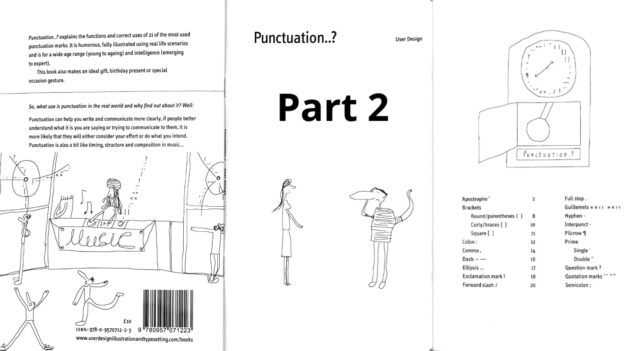
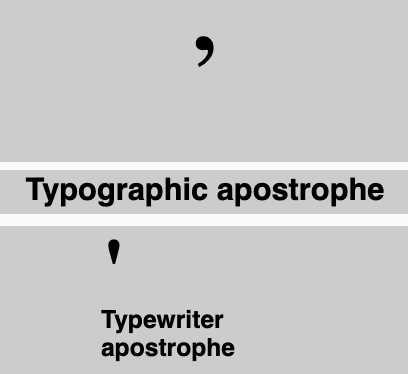 What’s the apostrophe?
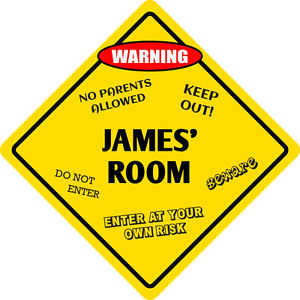 I remember that one because when I was a child, my brother and I had separate rooms and we had little signs on our doors. Mine said “Luke’s Room” with an apostrophe after my name and then an S. James’ sign said “James’ Room” with an apostrophe and then no S. I sometimes wondered why they were different. It’s just because James’ name ends in an S.
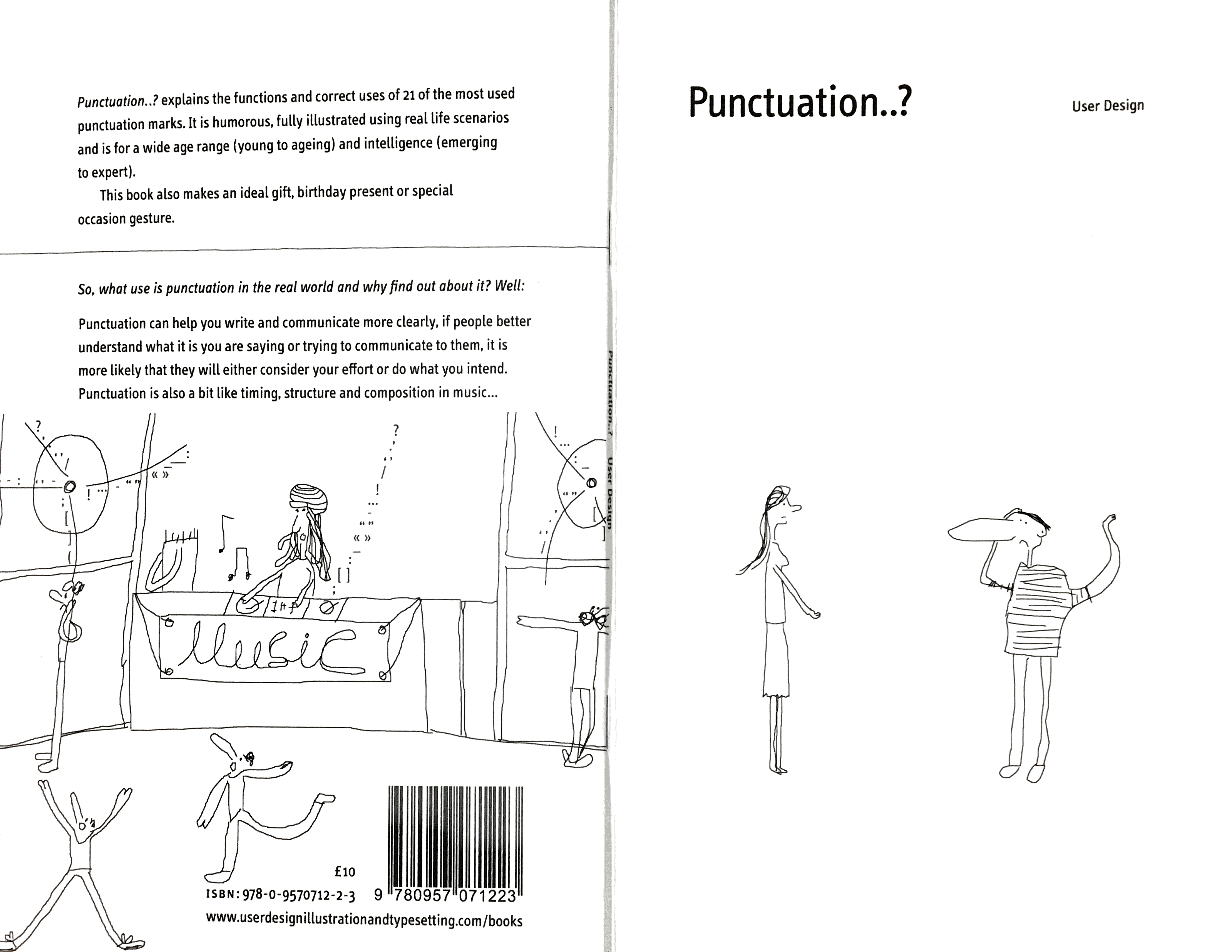
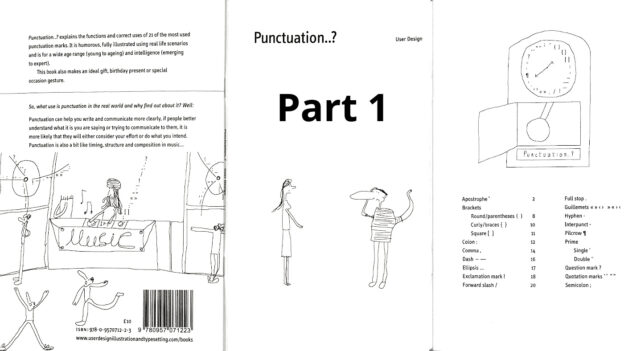
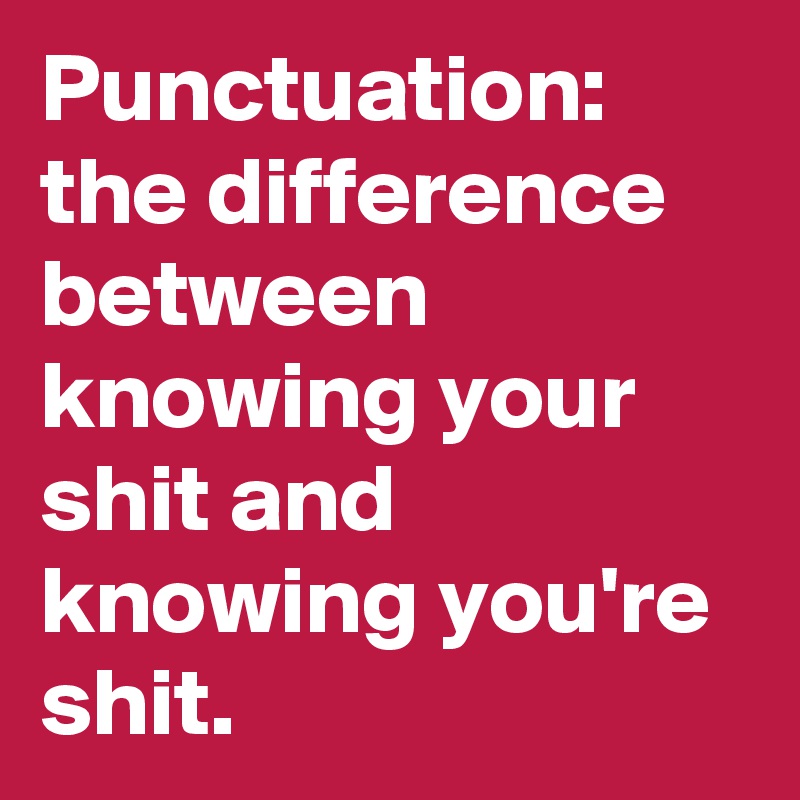
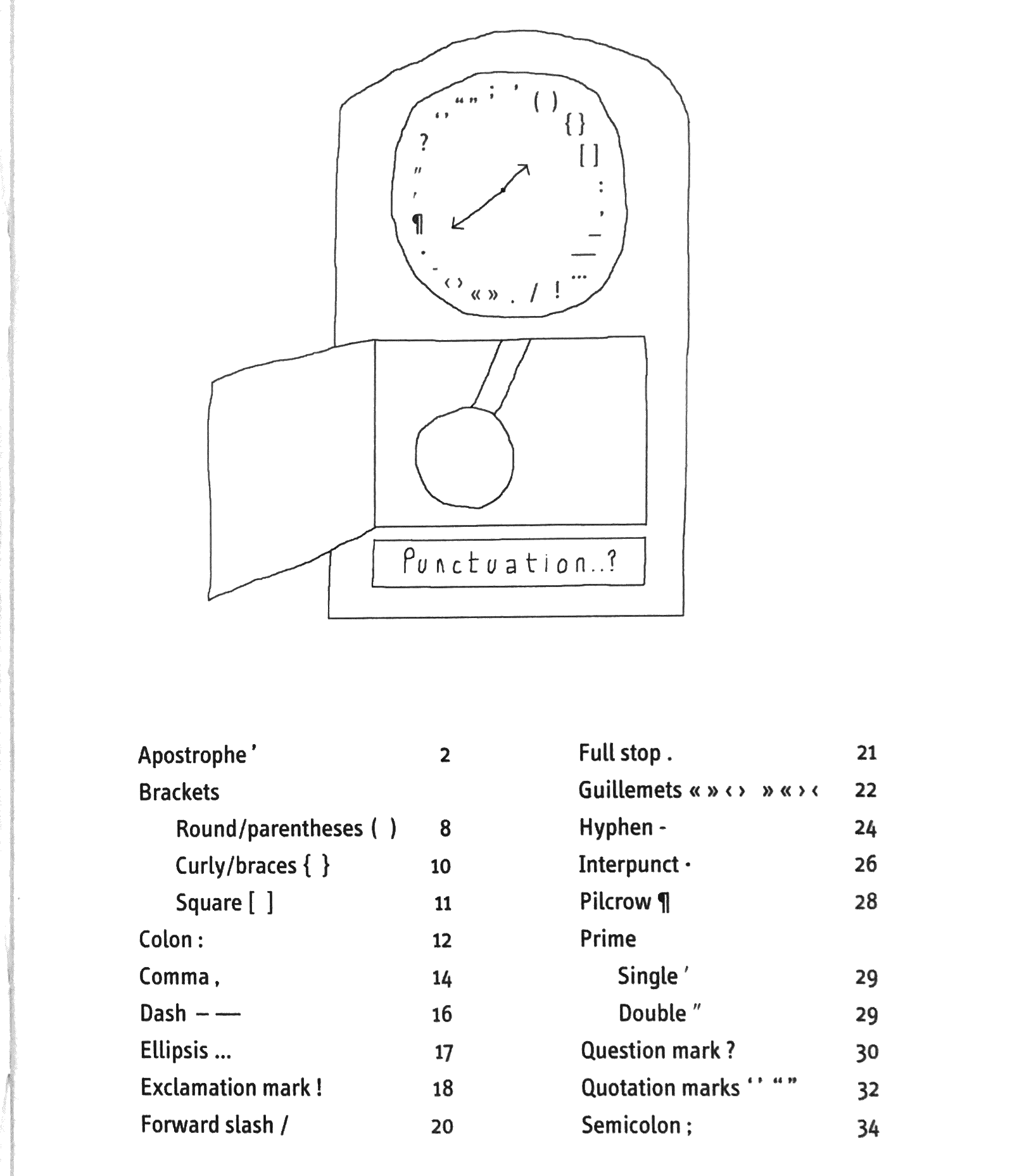



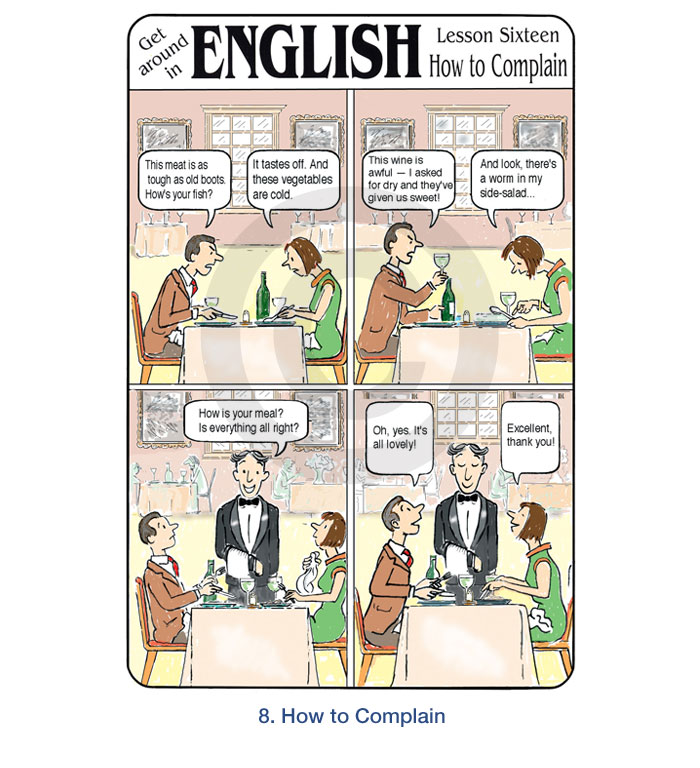
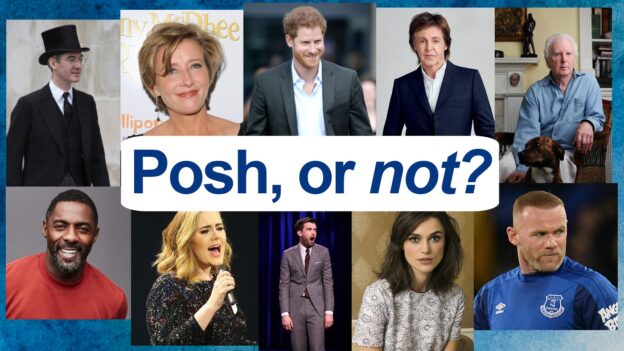
 What does “posh” really mean?