Category Archives: Politics

WORLD NEWS QUIZ 2025 with Stephen from SEND7 Podcast [969]

[969] It’s time for the annual World News Quiz with 20 questions about some of the curious news stories of 2025. Stephen Devincenzi from the SEND7 podcast is the quizmaster. Can you I improve on my poor performance from last year? Can you beat me? Take a trip through some news highlights from this year. Full transcript available as usual.

[DOWNLOAD AUDIO]

https://youtu.be/LWmlooChgFA?si=66S41IDGp_XXi7ZA

Get the PDF transcript 👇

⛑️ Donate to MSF today to help people in need 👇

https://www.doctorswithoutborders.org/
🎧 📰 Listen to Stephen’s podcast “Simple English News Daily” wherever you get your podcasts https://pod.link/1505603790

Quiz Questions (answers provided below)

January

1. Starting in the US, Donald Trump became president for a second time in January, and roped in his friend, the richest person in the world , Elon Musk, to run a new government agency. The aim of this new agency was to save the US government lots of money. What was the name of that new government agency?

2. Also in January, a Chinese artificial intelligence chatbot surprised the industry with how good it was, and AI tech stocks lost billions of dollars (although they’ve come back up since then). What is the name of the Chinese AI chatbot, or the company which creates it, which has the same name.

3. Throughout January massive wild fires destroyed homes and businesses in a coastal city in the United States, destroying over 18,000 homes and buildings, and causing an estimated 50 billion dollars worth of damage. Which city were the fires mostly based around?

April

4. On the 28th April, why did people have to be evacuated from trains in Spain and Portugal?

5.  Also in April, an all-female spaceflight took place using Jeff Bezos’s private space company, Blue Origin. Which pop star was on board?

6. Also on the 28th April, Canada had a general election. Liberal leader Justin Trudeau had resigned a couple of months after polls showed the Liberals way below the Conservative party in the polls. However, somehow the Liberals did win that election. What is the name of the leader that took over from Justin Trudeau, and is now Canada’s Prime Minister?

7. Which Asian city, overtook Tokyo to become the most populous city in the world, according to the United Nations?

May 

8. On the 8th May Pope Leo was chosen as the new pope after the death of Pope Francis. Which of these is NOT true about Pope Leo:


– He is the first pope from The United States

– He is the first pope to hold Peruvian nationality

– He is the first pope born in the Americas

– He is the first pope with modern English as a first language (second if you include old English)

July

9. In July, Switzerland held the women’s Euro football championship. Which teams were in the final?

10. In Australia, after months of a highly watched court case. A woman, Erin Patterson, was found guilty of killing three of her in-laws and the attempted murder of her estranged husband. The case received so much interest that many podcasts were made about it, and her sentencing was the first to broadcast live. How is Patterson accused of killing her in-laws?

August

11. In Sweden, something surprising happened to a 113 year old church in August. What was it?

September

12. In September, a painting which was stolen by Nazis during world war 2 was discovered in Argentina. How did a Dutch newspaper discover the painting?

October 

13. Continuing the church theme – a church in Spain’s Second largest city of Barcelona became the tallest church in the world this year, over 140 years after its construction was started. What is the name of that church?

14. What is the name that has been given to a series of protests around the world in 2025? The name was actually first used in Bangladesh in 2024, and the same name has been given particularly to anti-government protests in Nepal, Indonesia, The Philippines, Madagascar, Peru and some other countries.

15. In Paris thieves stole eight priceless pieces of the crown jewels from the Louvre in October. How did the thieves get into the building?

16. In October Maria Corina Machado was awarded the Nobel Peace Prize “for her tireless work promoting demoractic rights for the people of ______________ and for her struggle to achieve a just and peaceful transition to democracy”. What country is she from?

17. Which of these countries has had their first ever female leader since October 2025?

  • Japan
  • Thailand 
  • Taiwan 
  • Malaysia

November 

18. What is the name of the brand of collectible dolls which originated in Hong Kong, that look like cuddly monsters, which became particularly popular all over the world in 2025?

December

19. This month, Australia has become the first country in the world to introduce one specific new rule about social media. What exactly is the new rule?

20. It was finalized in 2025 that on the 1st day of 2026 there will be a new country using the euro. Which country, will become the 21st member of the eurozone on the 1st January?

Answers

  1. DOGE – Department of Government Efficiency. 
  2. Deepseek
  3. Los Angeles
  4. Power cuts
  5. Katy Perry
  6. Mark Carney
  7. Jakarta
  8. He is the first pope born in the Americas
  9. Spain and England. England won on penalties. Spain were the world champions and England were European champions form 4 years earlier.
  10. Mushrooms
  11. It was picked up and moved 5 kilometers away. A specially designed trolly with 224 wheels was used.
  12. Found in a Real estate image / website selling the house
  13. Sagrada Familia (reached 163 metres when a part of its central tower was lifted into place, passing the Ulm Minster church in Germany.)
  14. Gen z / Generation z
  15. Window / ladder 
  16. Venezuela
  17. Japan
  18. Labubu
  19. No under 16s
  20. Bulgaria will become the 21st country
    Already using Euro – Austria, Belgium, Croatia, Cyprus, Estonia, Finland, France, Germany, Greece, Ireland, Italy, Latvia, Lithuania, Luxembourg, Malta, the Netherlands, Portugal, Slovakia, Slovenia, and Spain

Luke’s scores so far

  • 2022 – 15/20 (“a respectable score”)
  • 2023 – 16/20 (apparently I beat my previous year)
  • 2024 – 8.5/20 (I dropped below the “general dignity level of 50%” and into the “F range,” while Stephen admitted that he may have made the quiz more difficult than in previous years)
  • 2025 (this year) – 12/20 (I scraped a pass with quite a lot of help from little clues from Stephen)

Technology in Everyday Life [Part 2] The Choices We Make / Topic Discussion & Vocabulary [947]

This episode is all about choices we have to make relating to technology in our everyday lives, and the vocabulary of technology today. This episode focuses on issues such as information quality & fact checking, digital sustainability, AI and automation, security, surveillance and privacy, tech company ethics, & tech and well-being. All important topics which you should be able to talk about in English! PDF available. Part 2 of 2.

[DOWNLOAD AUDIO]

https://youtu.be/sC1wZ1w2OvY?si=b-mnczoB-6IXKNVW

Get the episode PDF here 👇 Notes, vocabulary, transcript


Technology in Everyday Life [Part 1] The Choices We Make / Topic Discussion & Vocabulary [946]

This episode is all about choices we have to make relating to technology in our everyday lives. I’ll be discussing contemporary tech-related issues such as privacy vs. convenience, data sharing, digital, detox, online behaviour, digital legacy, tech addiction, tech for children. It includes loads of vocabulary and will give you the chance not only to listen to me talking, but also to practise your speaking on this subject too. PDF available. Part 1 of 2.

[DOWNLOAD AUDIO]

https://youtu.be/jUHm8xz3Qto?si=T81hhmI_XNgLLNx0

Get the episode PDF here 👇 Notes, vocabulary, transcript


933. The Best English Expressions are from Shakespeare / Learn English Vocabulary

Hello! In this episode I focus on English expressions and idioms that originated in the works of William Shakespeare and are still used in modern everyday language. Notice the expressions in various contexts, fully understand their meanings and use, explore their origins in Shakespeare’s work, and gain valuable lessons about how to learn new vocabulary with real world examples. Also, learn about my short-lived career as a goalkeeper for the legendary football team “Chadwick FC”. Includes a PDF worksheet and transcript.

[DOWNLOAD AUDIO]

Get the PDF here with notes, vocabulary quiz, memory exercise, discussion questions and full episode transcript 👇

Sign up to LEP Premium here 👇 for more episodes in this series

925. Walaa’s Experience in Syria / Walaa Mouma Returns (Part 2)

When Walaa was first on this podcast in episode 703 she talked about living in Syria as a student during the civil war (or people’s revolution) but at that time she felt she could not talk in detail about the situation. Now that the Assad regime is no longer in control of Syria, Walaa feels she can talk more candidly about what it was like to live near Damascus during those days. Walaa’s descriptions are both shocking and moving. This is the topic of this episode, which is part 2 of a two-part series.

[DOWNLOAD AUDIO]

Links for English with Walaa

Listen to Part 1 👇 (Walaa talks about her academic studies in Wales)

Walaa’s previous appearance on LEP (episode 703) 👇

https://www.youtube.com/watch?v=w9ythdvbKKM&t=1s&ab_channel=Luke%27sEnglishPodcast

Episode Transcript

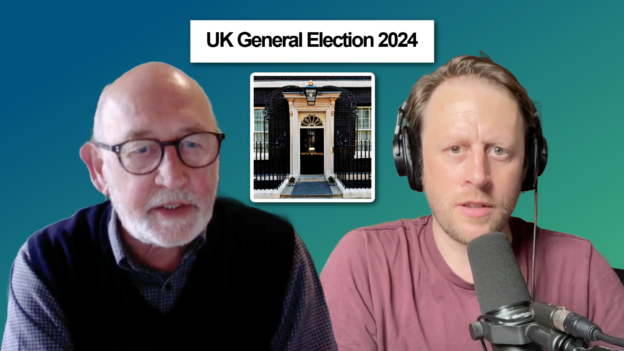
888. UK General Election / Euro 2024 (The Rick Thompson Report: June 2024)

My dad returns to talk about the current political situation in the UK. Prime Minister Rishi Sunak has called a general election to take place on 4 July. Why did Sunak call an election at this moment? What do people think of the Consvervative Party, who have been in power for 14 years? Will we have a new government and a new Prime Minister in the UK in a couple of weeks? Also, what about England’s performances in the Euro 2024 football championship?

[DOWNLOAD AUDIO]

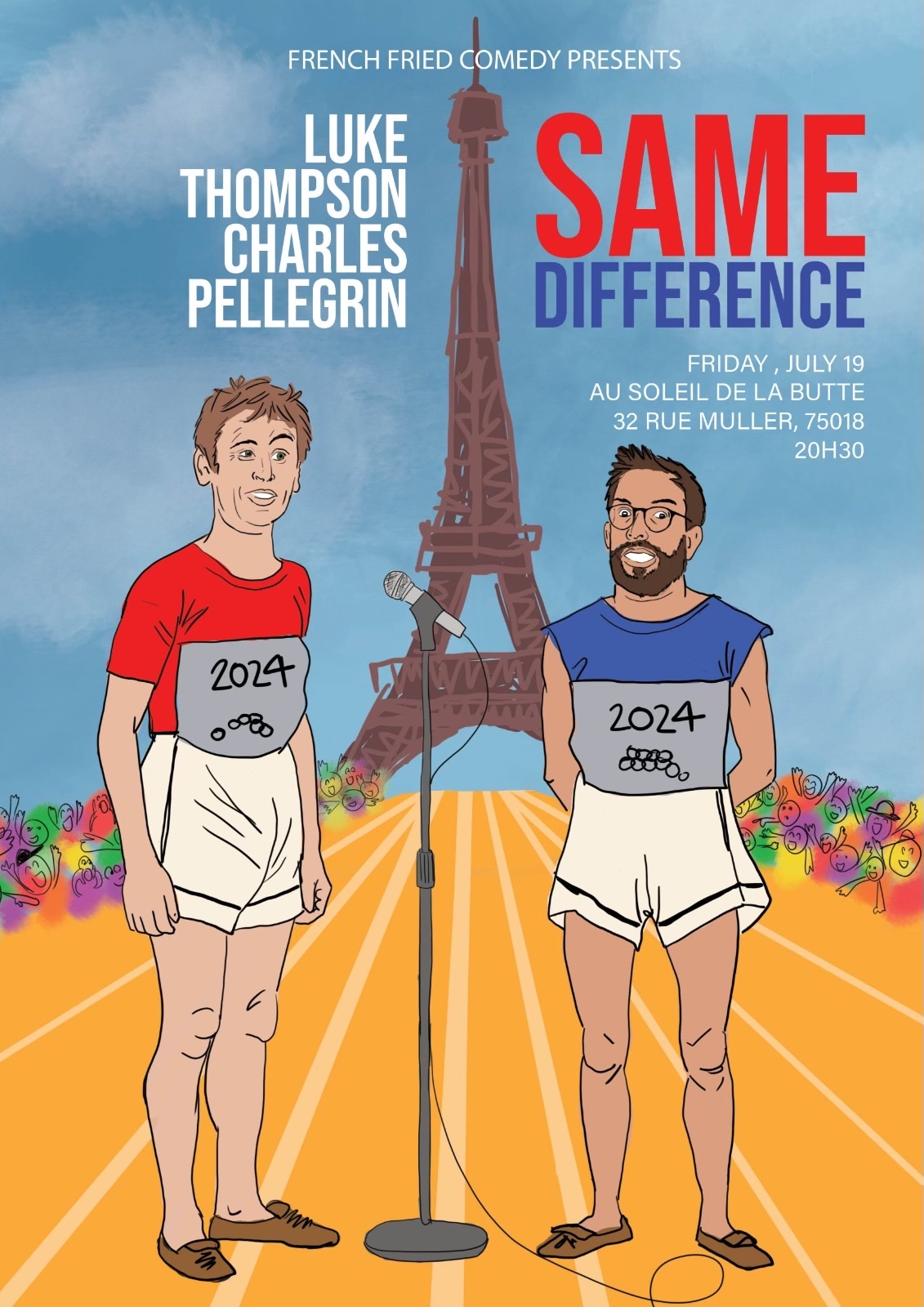
Luke’s Comedy Show in Paris 👇

880. Is Paris ready for the Olympic Games 2024? (Article + Vocabulary)

I read an article about Paris’ preparations for the 2024 Olympic Games 🏊, discuss the issues, summarise the article and explain plenty of vocabulary. Is Paris ready for the games? What are the attitudes, complaints, expectations and fears ahead of this potentially controversial event.

[DOWNLOAD AUDIO]

https://youtu.be/wayMKFFUFB4?si=Hv4cdfJ1fykFRJ-R

Notes

880. Is Paris ready for the Olympic Games 2024? 🏊 (Article + Vocabulary)


Intro

I’m in Paris and it’s less than 100 days until the Olympic Games begin here. 

Is the city ready? 

Let’s read an article on the subject. 

I found this article on www.TheWeek.com  

I’ll read the article to you, then explain and discuss what is written. 

I’ll also go through vocabulary from the article – and there is plenty.

Topic → Reading/Listening → Vocabulary → Discussion

Before we read the article, here are some questions to get you thinking.

  • If you like you can stop the podcast and discuss these questions for some speaking practice. 
  • What are the benefits and costs for a city hosting the Olympic Games?
  • Has the Olympics ever been held in your city or country?
  • How did people feel before, during and after the games?
  • Were people positive about it?
  • Did it have a positive effect on the city?
  • 100 days before the Olympics are due to happen, what do you think people are worrying about?

Article link 👇 https://theweek.com/sports/olympics-2024-is-paris-ready-to-party 

Vocabulary

  1. The build-up to this summer’s Games is being ‘marred’ by rows over national identity, security and pollution
  2. The lighting of the Olympic torch today comes amid a “dampening” of enthusiasm for the Paris Games in an increasingly “fractious” France, commentators warn.

    Light – lit – lit
    To light something
    To light something up

    Lighting
    Lightening (lighten)
    Lightning ⚡
  3. “We’re ready for this final straight,” said Paris Olympics chief organiser Tony Estanguet
  4. to mark the 100-day countdown
  5. With the clock ticking down until the Games kick off on 26 July
  6. France’s “bitter politics and gloomy mindset are dampening the mood” among a “fractious” public, said The Japan Times.
     
  7. The build-up has been “marred by rows” that go to “the heart of a bitter national debate about identity and race”.
  8. Herve Le Bras, a sociologist, told the paper that the Games threaten to “underline the major fractures in France – notably the fracture between Paris and the rest of the country”.
  9. An Odoxa poll of more than 1,200 Paris region residents last November found that 44% thought the Games were a “bad thing”, and that 52% were planning to leave the city during the 16-day event.
  10. One Parisian told the BBC that staying would be “unbearable“, with the Games making it “impossible to park, impossible to move around, impossible to do anything”.
  11. Security fears are also growing amid mounting global tensions.
  12. In a break from the tradition of opening the Games in the main stadium, the organisers have devised a “grandiose” ceremony centred around a parade of barges on the River Seine, said Le Monde.
  13. The original plan was for as many as 600,000 spectators to watch from the riverbanks, but security and logistical concerns have led the government to “progressively scale back” the plan, with the spectator numbers reduced to 300,000.
  14. And President Emmanuel Macron said yesterday that the ceremony might be moved to a new location if the authorities decide that the risk of an attack, potentially by drones, is too great.
  15. “There are Plan Bs and Plan Cs”, including holding the opening at the city’s Stade de France, he told television interviewers. Asked if the Kremlin would seek to disrupt the Olympics, Macron said that he had “no doubt“.
  16. Another potential threat is sewage pollution in the Seine, where swimming events are due to take place.
  17. Bacteria, including “pollution of faecal origin”, remains dangerously high in the river.
  18. Games boss Estanguet said last week that if water quality levels worsen, “there could be a final decision where we could not swim”.
  19. The Switzerland-based International Olympic Committee has “mountains of scepticism to dispel” in France and beyond, said The Associated Press.
  20. The $13 billion cost of the 2021 Tokyo Games and the “unfulfilled promises of beneficial change” for 2016 host Rio de Janeiro triggered widespread anger, and the 2014 Winter Games in Sochi were “tarnished by Russian doping“.
  21. But some previous predictions of Olympics doom have proved incorrect.
  22. In the run-up to the London 2012 Games, the Army was drafted in to bolster the security presence provided by private firm G4S, amid fears of a repeat of the riots that had broken out in the city in 2011.
  23. Journalists emitcyclical loud buzzing noises before every set of Summer Games”, said George Vecsey in The New York Times in 2004.
  24. Reporters will “continue to fret on schedule”, because it’s “in our job description“.

Estanguet acknowledged last week that “before this kind of big event, there are always many questions, many concerns“. But the Paris edition would make his nation “proud”, he said.

869. Working at UNESCO | English in International Diplomacy

In international diplomacy, “communication is everything”. This is the main point of this conversation, in which I talk to my friend who works for the UK delegation at UNESCO in Paris. We discuss the work that UNESCO does, and the various communication challenges involved in working together with representatives from countries all around the world, including the collaborative writing of official documents where the use of a single comma can be debated for hours, and the meetings and conversations in which cultural sensitivity and good-will are essential elements for success. Also includes some communication idioms and guitar playing near the end of the episode.

[DOWNLOAD AUDIO]

Introduction Transcript

My guest today is my friend who works at UNESCO. 

UNESCO stands for The United Nations Educational, Scientific and Cultural Organization. (Wikipedia)

It is a specialized agency of the United Nations (UN) which has the aim of promoting world peace and security through international cooperation in education, arts, sciences and culture. 

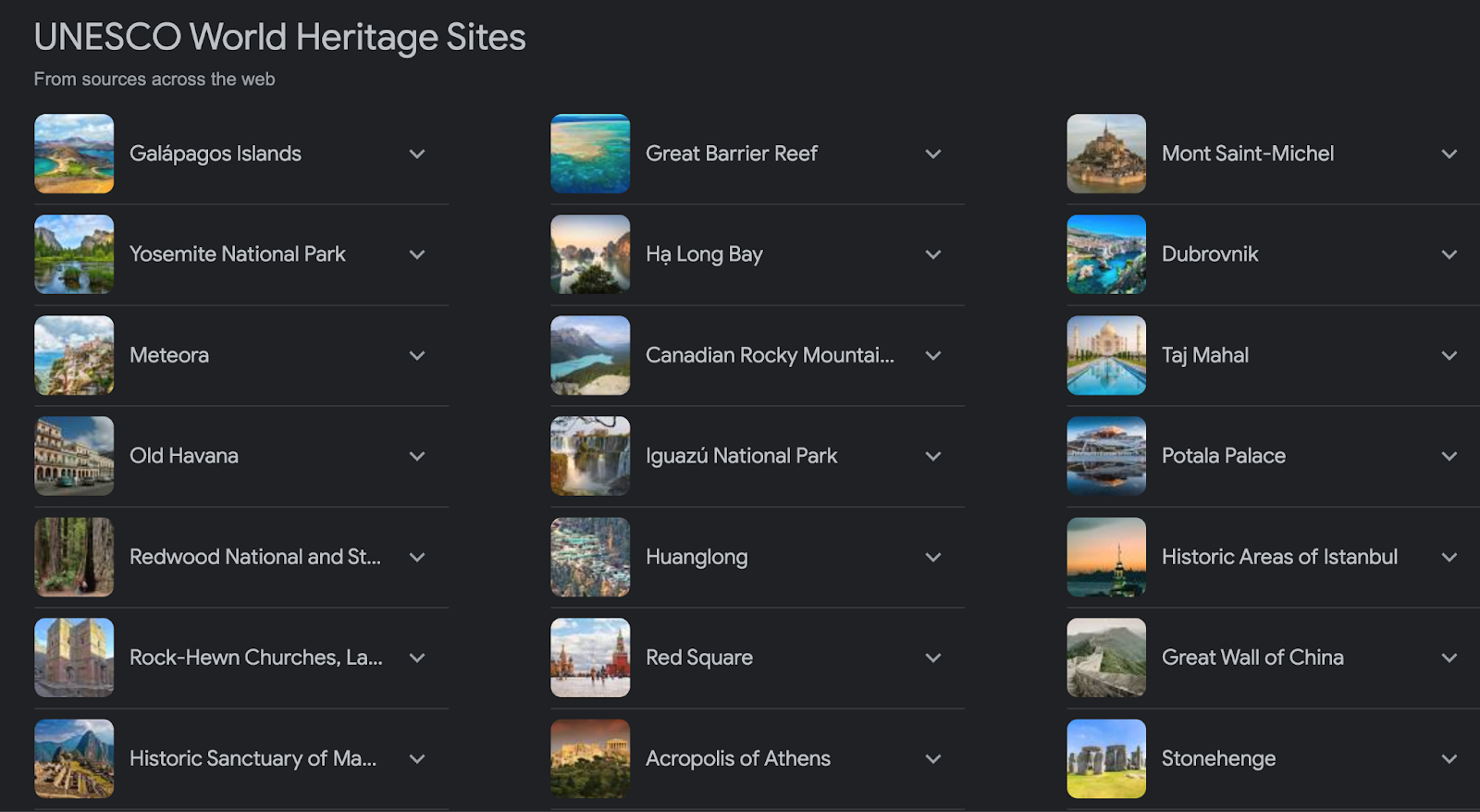
Perhaps the most famous thing they do is to protect certain world heritage sites, but that is only one of the things that they are involved in.

My friend works there and in this episode you’ll hear us talking about his work and about communication in the context of international diplomacy.

This is quite complex stuff actually. 

Normally in these situations, when I’m publishing an episode like this, I have to make certain decisions about what to say in the introduction.

How much should I explain in advance? 

What kind of support should I give to my audience before you listen?

People listening to my podcast have varying levels of English. Rather than slowing down and stopping to explain every word, I want to give you a conversation at natural speed, but explaining some context at the start can really help a lot of people. It’s not just because of English. It’s also just a question of general knowledge too.

Before I met M__, I didn’t really know a lot about what UNESCO did, and honestly, I think most people probably find it a little bit of a mystery. 

So I have decided to explain one or two things here, so you are properly placed to understand all of this and therefore enjoy it and benefit most from it.

Of course I don’t want to say too much or repeat myself or anything, so I’ve written this introduction in advance to try and keep me focused, to be informative but also efficient, and then you can just get stuck into the conversation with my guest.

M__ works for the UK delegation at UNESCO, which has its headquarters in Paris by the way. The word “delegation” comes up a few times (also the word “delegate”) and that will be explained.

UNESCO HQ is in Paris – I did stand-up there once, which was weird! I was invited as part of a festival in 2019 called Paris Talks. It was a bit like a series of TED Talks, all of them serious – about the future. 

***Luke talks spontaneously for a couple of minutes about doing stand-up comedy at the UNESCO HQ in Paris***

Whenever I chat to M__, if we have a drink together or something, I am always really curious about his work and I find it really fascinating. Hopefully it’ll be fascinating for you too.

So, we’re going to talk about the work that UNESCO does and the way the organisation works, but also about the different forms of communication that happen there, and this, for me as an English teacher, is perhaps the most interesting thing about it.

Imagine, nearly every nation in the world collaborating together at a government level on very important projects. This of course includes nation states which have different relations with each other, some friendly, some antagonistic. 

Also, you’re dealing with often vastly different cultures with different communication styles and values. But you’ve got to try to work together with these different groups towards a common goal.

This involves communication at a very high level – international diplomacy. What does it take to cross these barriers of culture, politics, economics, at a state level? 

Diplomatic communication is a huge part of it and working in this context requires a variety of different types of communication skills. 

There’s persuasion, there’s negotiation, there’s showing respect, there’s using pressure, there’s giving compliments and expressing gratitude and it can happen in writing and in spoken English too at various levels of formality.

Imagine these different communication contexts:

  • Huge meetings with representatives from countries all around the world, sitting at tables with little flags on them and everyone attempting to work together to agree on certain big decisions. Sometimes they don’t want to do the same thing. There are groups that are friendly, and groups that have their differences.
  • The collaborative writing of very formal documents in those big meetings. These are documents which UNESCO issues – a bit like laws passed by a government (although UNESCO doesn’t actually make laws)
  • Smaller, less formal meetings in which different delegations attempt to build support for their proposals, with negotiations and persuasion.
  • Individual one on one conversations or conversations in small groups, between the more formal meetings, where representatives might stand up and chat together perhaps over coffee and a softer form of persuasion or negotiation occurs, and the building of relationships and alliances.
  • And the work of interpreters – who sit in other rooms, looking through windows, with headsets on, having to simultaneously translate what is being said in these important meetings from one language to another, and the quick decisions they have to make about how exactly they should word things without subtly changing the tone of what is being said. Interpreters are a huge part of this. Maybe some of you listening are considering becoming an interpreter, or maybe you already are.

How is language used in these different situations? How does the language change?

We’re talking about different levels of formality, and the pragmatics of diplomacy at this high level.

Also, what does UNESCO do exactly? How does it actually work? What does M__ actually do on a daily basis?

These are the things I was very interested in capturing in this conversation.

Before we start, here are a few more details.

Here’s some more information from Wikipedia.

UNESCO was founded in 1945 and its founding mission, which was shaped by the events of World War II, is to advance peace, sustainable development and human rights by facilitating collaboration and dialogue among nations.[10] 

It pursues this objective through five major programme areas: education, natural sciences, social/human sciences, culture and communication/information.

What does it actually do? I find this quite hard to work out!

  • It assists in the translation and dissemination of world literature – making sure the best works of literature are available to be read by everyone, and not just in their countries of origin.
  • It works to bridge the worldwide digital divide (attempting to reduce disparities between developed and developing countries in terms of what technologies are available to people)
  • It creates inclusive knowledge societies through information and communication. By Knowledge Societies, UNESCO means societies in which people have the capabilities not just to acquire information but also to transform it into knowledge and understanding, which empowers them to enhance their livelihoods and contribute to the social and economic development of their societies. UNESCO has launched several initiatives and global movements, such as Education For All.

How does it actually do these things? As far as I can tell, they create what M__ calls “standard setting documents”. 

Those are not laws because they are not legally binding but they are similar to laws because they set out guidelines on what should or should not be done. 

Governments in the member states can use these standard setting documents to help them form policies and laws, in line with UNESCO’s overall objectives.

So they’re not binding legislation but these UNESCO documents are still very formally written. 

M__ tells us about how this is done, at the various stages, referring to different communication contexts in the process.

This all might sound a bit dry in my descriptions, but just let me take you back to that image of the large meeting room at UNESCO with all these representatives or delegates from the different countries. Imagine you are actually there. 

Imagine having to open one of those big meetings. Imagine the mood in the room as you look out and see these different faces representing the different nations. Imagine the tone you would have to use in your speech, the specific wording, to gain their attention and their respect, to speak with the relevant level of importance, to try to create a feeling of goodwill, to make the different delegations feel respected, and then to attempt to unite these different nations with competing interests and worldviews.

Imagine having a specific project, and trying to get it off the ground – arranging smaller meetings to try to build alliances. Taking the time to chat one on one with people between meetings, drafting emails with proposals, and finally trying to edit formal documentation in collaboration with other delegates in huge writing sessions that can last days.

That’s the world we’re talking about here and specific things about how we have to adapt our language in these situations.

Several other things

  1. My friend is also a really good guitarist, and so at the end of this conversation we couldn’t help but turn our attention to the guitars in my podcastle. He plays one of my guitars and we talk about guitars. So, we do move from international diplomacy to guitars. If you want to hear him play, just stick around until the end of the conversation.
  2. Background noise. There was a guy in the corridor outside my podcast room doing some work – sanding a wall. So, apologies – you’ll hear the sounds of normal life bleeding into the recording slightly. I think it’s not too bad, but if you hear some noise and wonder what it is, it’s a guy sanding a wall outside.

Right, so without any further ado let’s get started. The first thing you’ll hear now is me saying that often the most difficult part of podcasting is the very beginning of a recording, and M__ gives me a good bit of advice which he has learned from his work at UNESCO.

So, let’s now join the conversation at that point. I’ll chat to you a bit at the end.


Communication Idioms (explained at the end)

  • To beat around the bush
  • To talk at cross purposes
  • To grab/get the wrong end of the stick
  • To hit the nail on the head
  • It strikes a different chord in people’s minds (if you speak from the heart)
  • This guy is trying to wrap me round his finger (to manipulate/control me)

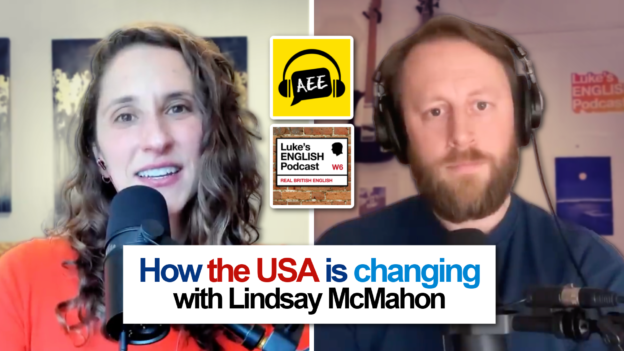
868. How the USA is changing (with Lindsay McMahon from All Ears English)

Lindsay has been observing social, economic and political trends in her home country and comes on the podcast today to talk about them.

[DOWNLOAD AUDIO]


Introduction Notes / Transcript for Episode 868

Hello!

Today on the podcast I am talking to Lindsay from All Ears Engish. 

Do you know the All Ears English podcast? If you don’t know it, then that is a surprise to me because All Ears English is an extremely popular, well-known and high ranking podcast for learners of English. 

I’m sure you’ve come across it before. Yellow logo, Lindsay and her co-hosts Michelle, Jessica and Aubrey. American English. Their episodes are always full of positive energy. They promote personal growth through learning English and their mantra is “connection not perfection”. All Ears English. Over a million subscribers on Apple Podcasts and Spotify, ranked in Best of Apple Podcasts categories in 2018 and 2019, and #1 in US Education Language Courses category. Lindsay and her team have been featured in Podcast Magazine, Language Magazine, and Forbes. When your podcast is in a magazine, when you’ve crossed from one medium into another, you know you’re doing something right. You know, All Ears English! https://www.allearsenglish.com/

Lindsay is a returning guest on my podcast. She has been on this show a few times before. Long, long term listeners might remember her first appearance way back in episode 186 in 2014 talking about culture shock. So we’ve collaborated quite a few times. I have also been on All Ears English a number of times too, including recently.

Just a couple of months ago, Lindsay and I decided that it was about time we collaborated again on a couple of episodes so we invited each other onto our respective podcasts. I was on her show just a couple of weeks ago, in episode 2140 talking about differences between American and British English. We compared the vocabulary differences, communication style differences and more. If that sounds interesting, you could check it out. AEE 2140: The Subtle Differences Between American and British English with Luke’s English Podcast

Listen to Luke on All Ears English talking about differences between UK and USA English (audio version)

And for Lindsay’s appearance on my show in this episode, we agreed that it could be really interesting to talk about Lindsay’s home country – the USA and what’s going on there at the moment in terms of economic, political and cultural changes.

You’re going to hear us talking about things like:

The actions of unions and how that has been affecting workers’ rights. 

The way cities are evolving because of changes in people’s working lives especially since the COVID-19 pandemic.

Property prices, the energy crisis, American people’s attitudes about their government, trust in public institutions and other things of that nature.

Also, I couldn’t help adding my own comments about what’s been going on in the UK as well, in order to compare and find similarities between our two countries.

It’s a big year for both the UK and the USE – we have big elections coming up – a presidential election in the USA at the end of the year and a general election in the UK at some point. 

There’s plenty to talk about. I hope you find it all interesting. I’ll talk to you again a little bit at the other end of this conversation, but now, without any further ado, let’s get started. 

“Across the Universe” – Lyrics and Chords

https://tabs.ultimate-guitar.com/tab/the-beatles/across-the-universe-chords-202167

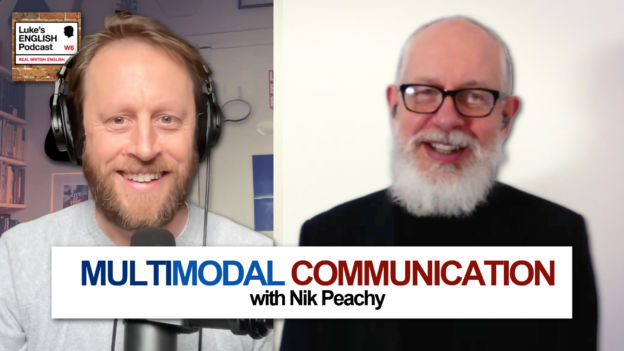
867. Multimodal Communication (with Nik Peachey)

This episode is all about the different modes of communication that we use beyond the 4 linguistic skills of reading, writing, listening speaking. My guest is Nik Peachey who has helped to write a new paper published by OUP called Multimodality in ELT: communication skills for today’s generation. Listen to Nik and me chatting about the importance of multimodal literacy in our social interactions and in the ways we consume and produce media online.

[DOWNLOAD AUDIO]

Read the OUP paper “Multimodality: Communication Skills for Today’s Generation” here (OUP registration required)


Introduction Notes / Transcript

Hello!

This episode is a conversation all about multimodality in communication. My guest is Nik Peachey, who will introduce himself to you in a few minutes when the conversation part of this episode begins.

Let me give you a bit of background information about how this episode came about, and what the main topic of conversation is.

I was contacted by OUP (they publish academic materials for English teachers and learners – course books but also teacher training materials for English teachers).

They have published a paper about multimodality in ELT and they wanted to see if I was interested in doing an interview with one of the people involved in the writing of this paper. The paper is called Multimodality in ELT: Communication Skills for Today’s Generation.

I thought “Hmm, multimodality, that’s a nice word – sounds interesting”. I was also aware of Nik Peachey already – he’s a fairly well-known figure in the world of English language teaching and publishing, especially in the UK. He’s a name you see at things like teaching conferences or in teacher training.

So I replied to OUP and said I was interested, they sent me a copy of the paper they have published and we arranged this interview, which actually took place a couple of months ago. It turned out to be a very interesting and wide-ranging conversation about so many things.

Let’s consider the title of that paper again “Multimodality in ELT: Communication Skills for Today’s Generation”.

Basically, this is all about how as teachers we always need to be aware of the ways in which learners of English need to use English to communicate in the world today. This involves looking at communication and considering how that happens, and also considering how changes in technology are having an effect.

How do we communicate? Is it just through language? How is our communication affected by advancements in technology?

What OUP are saying, with this paper, is that more and more our communication is multimodal, which means that we communicate in a variety of different ways or modes.

This is not just in terms of the 4 skills – speaking, listening, reading and writing. That is, traditionally, how communication has been defined.

Those are all linguistic or verbal modes (language based), but there are more communication modes than that, including non-verbal ones which are still hugely important. This includes body language, but there is a lot more than that, especially when you consider how much of our communication is mediated through technology these days.

To try and break this down, let’s think about this in two areas: social interactions (the way we speak and listen to each other face to face), and the way we consume media (content such as video, audio, texts).

There is also how these two things (social interactions and media) combine because more and more we use media to communicate – write texts and emails, do video calls, and combine text, images, video and audio to create social media posts.

So, let’s consider these two areas then: social interactions, and media, and let’s think about how they are multimodal – how they involve many various forms of communication.

In terms of social interactions there’s verbal communication (the words we’re using etc) but also body language, facial expressions, gestures, appearance, physical proximity. Also cultural factors come into play such as pop culture references that we use, or different social codes of behaviour in different cultures.

To communicate successfully we need to have an awareness of those social factors.

*Give an example of how I have to consider these things as an English teacher talking to my class – body language, facial expressions, gestures, appearance, physical proximity, cultural references, social codes of behaviour*

The second area is the way multimodality relates to the way we consume media – for example if you watch some video content online, understanding the various ways in which that media is constructed. How certain visuals are important, the use of certain tropes, the use of different fonts, different colours, different editing techniques, music and so on. Understanding these things allows us to decode the media we see, and this is crucial in understanding the intentions behind content we are exposed to, which in turn helps us to detect things like misinformation or just the purpose of the video.

For example, if you show a certain online video to someone who has very little multimodal awareness (like your grandmother or something) it’s not uncommon for this person just to be completely confused by what they’re seeing, or to experience some kind of culture shock. Imagine playing a video of Davie504 on YouTube to my grandmother. By the way Davie504 is an extremely successful YouTuber who makes very distinctive and funny videos about playing the bass guitar. If my gran watched one of his videos, I genuinely think she would not know what was going on. That’s because she isn’t familiar with all the different codes being used.

So it’s important to be have a level of multimodal literacy, so you can properly understand the media you are consuming, but also so that you can also communicate successfully through media yourself, by doing things like creating social media posts which combine sound, video, text and designs.

Nik Peachey is going to give various examples of these things during the conversation, which should help to clarify this all for you.

Ultimately, this is all about the importance of multimodal literacy in both our everyday communication and also in the way we consume content.

I guess for you, as learners of English, you can just consider how language exists as one part of an overall context which also includes things like culture, non-verbal communication, media literacy and more.

I hope you enjoy the conversation!

One note about the sound – I predict that some of you will comment that you found it hard to hear Nik. He’s not using a podcasting or broadcasting microphone, which might make it a little bit hard to hear him at first. You can hear some sounds of the room around him – a bit of echo and reverb. You might have to adjust your ear at the beginning, but you will get used to it. For me, this conversation got more and more interesting as Nik and I got to know each other better and got really into the whole subject of communication in its various modes. I hope you enjoy it too and that it makes you think about how learning English can be about more than just learning words and grammar.

I’ll speak to you again a little bit at the end of the conversation.