In this episode I’m talking about recent things I’ve been teaching in my classes including some grammar and some social English. There’s an absolutely massive amount of grammar crammed into this episode and quite a lot of silly improvisation too!
I’ll give an overview of the groups I’m teaching,and what I’m teaching them including some grammar and vocab. Essentially you can learn what my students have been learning. I’ll also talk about some considerations I make as a teacher and activities I use.
The classes are quite low, probably lower than the average listener of this podcast.
Two classes – A2 (pre-intermediate) and B1.2 (good intermediate)
CEFR A0 – A1 – A2 – B1 – B2 – C1 – C2
Needs of the groups
Gradable and ungradable adjectives
I’ve been using Cutting Edge Intermediate 3rd edition, but a little bit of googling reveals several pages online with good sources of info and some exercises, such as this one from Espresso English . net, which I am paraphrasing.
Regular Adjective
Graded with:
a little, a bit, slightly, fairly, rather
very, extremely, immensely, intensely, hugely
Really
pretty
Extreme Adjective (absolutely, completely)
Graded with:
absolutely
completely
Utterly
Really
pretty
angry
furious
bad
awful, terrible, horrible
big
huge, gigantic, massive, enormous
clean
spotless
cold
freezing
crowded
packed
dirty
filthy
funny
hilarious
good
wonderful, fantastic, excellent
hot
boiling
hungry
starving
interesting
fascinating
old
ancient
pretty
gorgeous
scary
terrifying
small
tiny, minute
surprising
astounding
tired
Exhausted, knackered
ugly
hideous
Absolute Adjectives
Another type of extreme adjective is called an “absolute” adjective.
These are words that are either “yes or no.” It’s binary, black and white, there’s no grading – not even with words like ‘completely’. For example, dead – you can’t be “a little bit dead” or “very dead” – either YES, you are dead, or NO, you’re not dead.
Here’s a list of some absolute adjectives and their opposites:
It’s fun to play with these ones. I find it funny to grade these absolute adjectives and when you do it knowingly it starts to reveal how you can bend the language to make it humourous or ironic.
In this episode you are going to hear part 2 of my conversation with Ian Moore and I’ve decided to call this one “More Ian Moore” – do you see what I’ve done there? “more Ian Moore” I bet nobody has ever made that joke about his name before, right? Before we listen to Ian Moore, I just want to mention a few things… (notes continue below)
[DOWNLOAD] My voice – I’ve got a sore throat. It’s not too bad but I can’t talk a lot. I did an episode a few years ago about feeling sick and common symptoms. You can listen to it here (below).
Anecdote Competition. I know it’s challenging because you can’t read from a script.
More Ian Moore
Here is some more Ian Moore for you to listen to. You might want to listen to episode 382 before you hear this one. I know it’s a bit difficult to follow these conversations and I’m not explaining everything for you but here is a quick run-down of what you’ll hear us discussing in this episode.
Things we talk about
Making chutney – Chutney: A condiment (a condiment is something you have on the table when you eat food – e.g. salt, pepper, mustard, ketchup) of Indian origin, made of fruits or vegetables with vinegar, spices, and sugar. (Oxford Dictionary)
The challenges of living in the French countryside, including the time when he had a run-in with some hunters armed with shotguns (a run-in is like a disagreement or fight, or collision)
Doing Michael Caine impressions on stage (Michael Caine is a UK actor famous for lots of film roles, including Alfred in the Christopher Nolan Batman films, and some iconic roles from the 1960s in which he wore some very sharp suits, which is why he’s a bit of a style icon for the mod movement, and for young British men in general. Also, he has a particular way of talking)
The significance of Michael Caine in UK culture
Developing his comedy voice
How he started doing stand up comedy
Gigging in different places around the country
Performing comedy in French
The origin of the term “break a leg“, which is something you say to a performer to wish them luck before they go onstage
Ian’s blog “Full English Brexit” http://ianmoore.info/full-english-brexit/
Visit the page for the episode for links to his books, his blog and for some video footage of Ian on stage. (Hello!)
Thanks for listening, and I hope you enjoy this conversation, recorded for your listening pleasure. I know that it might be difficult to follow this because you’re listening to two native speakers talking at natural speed. All I can do there is encourage you not to give up because the more you listen, the more you will understand in the long-term, and you certainly won’t improve your English at all by giving up and not listening. So, whenever you do understand something – give yourself a pat on the back and keep going!
*CONVERSATION STARTS AT ABOUT 18:00*
So there you go. That was Ian Moore. Let me know how it was for you. Did you manage to keep up with it all?
As he said, he does perform internationally sometimes, so check his website to find out if he is doing comedy in your area soon. In fact, you should find out if there is any English language comedy happening in your area, and go to see it. Many cities around the world have English comedy scenes these days. It might be a small scene, with amateur comics still developing their comedy skills, or it could be a more advanced scene with professionals like Ian, who will always make you laugh. In any case, going to see comedy can be a good thing to do for your English and you might end up meeting some people and making friends, all in English. Don’t be shy, give it a try – and remember not to get demotivated if you don’t understand all the jokes, like if a comedian goes on for 3 minutes about “rushing to the venue” and you don’t understand what he’s talking about. Don’t be bothered by the things you don’t understand, just do your best to work them out and keep going.
Ian Moore performs in French (yes, it’s in French)
In this episode I’m talking to my friends Amber and Paul about cultural differences, particularly in the ways we communicate with each other in different countries.
[DOWNLOAD]
You should know that there is a bit of swearing in this one as well as a few dodgy jokes and references to previous episodes of the podcast, which you should probably listen to before you listen to this one in order to understand a couple of references and in-jokes. The previous episode is number 380. As for the swearing, I see it as just evidence of the fact we are all talking in a totally relaxed, genuine and natural manner, like we normally do in this social situation.
I just want to say that our aim in this conversation was to compare different cultures and not to criticise other cultures. We’re just expressing our own personal experiences from our point of view. Since we all live in France and we’re from England, there are quite a lot of comments about differences between French and English culture. If you’re French I’d love to read your points of view on many of the things we’re talking about and I am sure that you could make loads of similar comments about life in England – like, why the hell do we have separate taps in the bathroom? Or, why do girls go out on a Friday night with hardly any clothes on? Don’t they get freezing cold? And why do Brits drink so much? These are all things that might seem strange to visitors to the UK. So, I’m well aware that all cultures and behaviours can seem strange from the outside and it’s all just a matter of context.
In fact, I have already done several podcast episodes all about culture shock experiences of people moving to the UK (specifically London) from foreign countries. Check out the links to listen to those episodes.
I am sure you have points of view on this that you would like to express, so feel free to leave comments on the page for this episode. Don’t forget to join the mailing list on the website to get easy access to the page for every new episode when it is uploaded.
So without any further ado, here’s a podcast about cultural differences with Amber and Paul.
Discussing Cultural Differences
Luke’s Intro
Although we are all the same, we’re also different.
Ways we’re the same:
We all fall in love, go to the loo, get hungry, get tired, like laughing, listen to LEP.
But we’re all different – individually we are all unique, but we are also different as groups, tribes, nationalities or cultures.
Although it’s bad to generalise, it seems that cultures – like ethnicities or nationalities, tend to have certain shared behaviours and customs that mark them out as different to others. For example, although the English and French share a lot of things in common there are certain things which mark us out as different. Not just the language we speak, but the way we behave and the things we think are important. Like the way we queue.
So anyway, that’s just an example of culture shock I suppose. But it shows that there are cultural differences. Of course there are! Everyone knows it.
If you’ve ever been abroad or had contact with other cultures you’ll know that sometimes it’s incredibly obvious that our cultures are different. Sometimes it’s shockingly obvious, sometimes it’s hilarious, sometimes it’s frustrating, sometimes it’s just weird, but we have to remember that they’re just differences and while they can be confusing, frustrating and also funny, ultimately we need to find ways to look beyond these differences and not let them become a barrier to things like communication, understanding, business, diplomacy and relationships.
In this episode I’d like to have a discussion about cultural differences that we’ve noticed around the world. These could be different types of behaviour, like certain customs and habits, or just different values – like, what people seem to think is important, and how those values reveal themselves in the way things are done.
Amber & Paul
What are your credentials in terms of your cross cultural experiences?
How long have you lived in France?
Have you visited many other places? Which other places have you been to?
Have you had cross cultural experiences?
Have you been in a relationship with someone from another culture?
Have you done business with people from other cultures?
I have a list of different behaviours and values. Just stuff I’ve noticed or heard about. Well go through the list.
We can answer these questions:
Where do they do this?
Do we do this in the UK?
Do we consider this to be weird behaviour or not? Is there a reason for this behaviour?
Do you have any experiences of this? Would you like it if we introduced this into our culture?
The list: (please note that we are not talking about ‘two-taps in the bathroom’)
Kissing or hugging someone when you meet them (Paul did a successful video about this)
Looking people in the eye
Indirectness/diplomacy/politeness (or hypocrisy) vs directness/straightness/clarity (or rudeness) – e.g. certain cultures tend to be indirect when giving negative feedback, other cultures favour direct negative feedback
conflict vs non-conflict
Smiling in public
For discussion in future episodes… PLEASE ADD MORE CULTURAL DIFFERENCES IN THE COMMENT SECTION SO WE CAN DISCUSS THEM IN THE FUTURE :)
Eating early vs eating late in the evening
Having milk in tea
Eating scorpions / spiders / toads / frogs
Eating with your hands / chopsticks / a knife and fork / not your left hand
Burping or farting after eating
Girls wearing miniskirts in the middle of winter
Hawking / spitting in the street
Saying “good morning” or “good afternoon” in shops/post offices before you can get anything done
Kissing in public
Begging
Crossing the road – waiting for cars to stop vs just walking into the street vs using pedestrian crossings
Driving on the left
Queuing in an organised and patient way vs Not queuing – “every man for himself” (or something in between)
Public transport – following the rules vs no rules (e.g. queueing, letting people off before getting on, etc)
Falling asleep on public transport
Talking to strangers on public transport
Having a strict attitude towards health and safety (e.g. wearing safety belts in cars) vs Having a relaxed attitude towards health and safety (e.g. not wearing safety belts, overtaking on corners)
Bribing police or other people
Having more than one wife, or having affairs
Saying “yes” in order to save face
Having carpet in the bathroom
Wearing shoes indoors
Sitting down to go to the toilet vs Squatting on the floor when you go to the toilet (or any other toilet related comments)
Putting The UK at the centre of the map
Is there anything else you’ve found to be weird or different?
OK listeners, it’s competition time again on the podcast. This time the competition is all about anecdotes. I did an episode about anecdotes recently. It was number 372. In that one I talked about anecdotes and why it’s important to have a few anecdotes that you can tell in English. I think they’re pretty important and fun. I also gave you some tips on how to tell good anecdotes, and you listened to a few genuine anecdotes from my Mum, my Dad and my brother.
I love stories, especially true ones and I love hearing about people’s experiences. I’m sure that loads of you out there have had some pretty cool experiences too and that there are some lovely little anecdotes just waiting to be told.
So that’s why I’m using anecdotes as the basis of this competition.
I want you to send me your anecdotes. That should be clear.
Now, the last time I launched a competition featuring the voices of my listeners I got a lot of recordings and it ended up being about 8 episodes, which was awesome, but that was quite a lot. I understand that not all of you want to listen to the voices of listeners – you come here to listen to me, or my guests. But it’s still great to have some contributions from listeners, just not too many. So this time I’m going to do it slightly differently. There will be stages, a bit like the World Cup, so that I can filter out some of the competition entries that I get and just present the cream of the crop in an episode of the podcast. I’ll tell you more about the stages and how this will work in a minute. The main thing I want to do now is to strongly encourage you to send me your anecdotes. So, please send me your anecdotes!!!
But first I should say this – don’t worry, your anecdote does not have to be perfect or anything! I promise – it doesn’t have to be perfect, just tell us a little story about yourself – that’s all you have to do. We;re going to have a little anecdote party and everyone has to bring a little anecdote. You know the way that when you’re invited to a party you have to bring cake, or drinks, or crisps. Well, this is just like that except that you have to bring an anecdote. It doesn’t have to be amazing, it just has to fill up the table, ok, and then we can have an anecdote party! But the party will not happen unless you send me that little story you have, so do it! But remember – no pressure, just enjoy yourself.
Now, I constantly tell you anecdotes about my life on this podcast. I do it all the time and I hope you enjoy them. Now, I’ve done a lot of sharing on the podcast and so it’s time for you to share back with your stories. I’m fed up of hearing my own stories. Now I want to hear about your experiences! We’re having an anecdote party and you’re all invited!
I’m presenting this as a competition, but it’s not about the winning, it’s about the taking part. It’s about filling up that table with anecdote cake so we can stand around with cake and drinks and have an anecdote party. So, if you’ve got a personal experience you can tell us about, record it and send it to me! In this episode I’m going to tell you how to do that, and give you some tips and inspiration for your anecdotes.
Competition Rules
First, the rules of the competition. Any half-decent competition has rules, so here are the rules for this one.
1. Record an anecdote and send it to me! Duh! “What’s an anecdote?” you might be asking. It’s a little personal story, told in a social situation. It’s a story about something that happened to you once in your life. For example, it could be a dangerous experience, a funny moment, an embarrassing thing that happened, a surprising thing, an accident, a mystery, a meeting with a person, a run-in with the police or just a misunderstanding. We all have little stories like this from our lives – think about it, what’s a thing that has happened to you – tell us the story of that! Again – it doesn’t have to be perfect! No pressure, just enjoy yourself.
2. Your recording must be no longer than 5 minutes! 5 minutes maximum. Please keep to this rule. Generally anecdotes shouldn’t go on too long (although I am guilty of spinning out my anecdotes quite a lot – for example the hot bath story I told recently). But also, if I get too many anecdotes it will all last too long. 5 minutes max. Feel free to do less than 5 as well. If your anecdote is 2.5 minutes – that’s great! Just don’t go over 5 mins.
3. Your story should be true, but you can exaggerate a bit in order to make it entertaining, that’s normal.
4. Send your anecdotes by email to podcastcomp@gmail.com – or simply go to my website and send me a voicemail using the tab on the right side. You’ll just need to have your microphone connected. If you don’t have a microphone, just use your smartphone to record a voice memo and send it.
5. Closing date for the competition: 5 October (National Teachers Day in the UK)
6. Then round 1 begins. In round one I will publish all the anecdotes on my website. I’m not going to play them in an episode of the podcast at this stage, I’ll just publish them on the website so you can listen to them there.
So, the anecdotes will be published on the website, you will be able to go and listen to them all, and vote for your favourite.
Then I’ll count up the votes and the top 10 anecdotes will make it through to round 2.
7. In round 2 I will publish the top 10 anecdotes in an episode of the podcast and then everyone can listen, and vote for their favourites by using a poll on the website. That way, only 10 anecdotes are actually played on the podcast.
8. After some more voting time I will count the votes. The winner will be interviewed on the podcast, or will get a gift – I haven’t quite decided yet (remember it’s not about the winning, it’s about the taking part). IN any case, the winner will get the glory of being the LEP Anecdote Master, or LEPAM!
9. Don’t read from a script!
Basically – maximum 5 minutes, true story, send your recordings to me, then several stages of voting, 10 best anecdotes and a winner at the end!
Advice
Use a decent microphone. Most iPhones or smartphones have good mics these days.
Try to be in fairly quiet surroundings. Speak closely into the mic.
Practise your anecdote a few times (you could do this with your italki teacher if you like), but always record the first time you tell it. Sometimes the first time is just naturally the best! But then practise it a bit and record it again. Decide which one is best.
Try to keep it spontaneous! So, don’t read it from a script. You should avoid that habit. It’s better if you learn how to say the anecdote without reading it directly from a script.
It doesn’t matter if it’s not word for word perfect, just focus on getting across certain main ideas. If you read from a script it might be obvious, and it tends to sound fake and it’s not so appealing. It immediately will sound more robotic. Make your speech spontaneous, trust me. So no reading from a script.
I have the right to use or not use any recordings I want.
How to tell a good anecdote
Here’s a reminder of my tips from episode 372. You could consider these when you record your anecdote, or if you prefer you can just completely ignore these tips and do it your own way! Be an individual!
First: don’t feel any pressure, and just enjoy yourself. You could forget all the other tips and focus on that – it’s the most important thing. Forget about everything else and just enjoy telling us your little story!
Here are the other rules which you could just ignore to be honest:
1. Don’t get stuck in the details. Just tell us the events and situations which are necessary to show us how you felt. If you get stuck in the details just say “anyway” and move on.
2. Think about the feelings you’re trying to convey, and how they will affect the way you tell the story. Are you expressing fear, surprise, weirdness, luck, sadness, humour, relief, happiness? Let that feeling come through in your storytelling.
3. Use past tenses in the right combination – past simple, past continuous and past perfect. But to be honest, it’s good to keep it simple so you can just use past simple for the entire thing if you like (for example: my brother’s anecdote).
4. Introduce your story with a sentence like “This is a story about how…” and try to set the context of the story by saying something like “This happened when I was…”
5. Give the story an ending, for example, you can just say “And that’s what happened!” or “And that’s it!” or “And that’s why …” (include something you always or never do, a piece of advice or a lesson you learned, for example)
6. If possible, try to explain what that story means to you or what you learned from it.
That’s it in terms of rules and tips. Now it is over to you.
As I said earlier, even though I’ve given you advice on how to make a good anecdote, the first thing to remember is that you shouldn’t feel any pressure, and you should just enjoy yourself! Make sure you achieve that first, before you worry about any of the other things! No pressure and just enjoy yourself! I can’t wait to hear your stories.
I know what you’re thinking
You’re thinking – I’d quite like to take part in this. I’ve got an anecdote I could tell. I think I’m going to take part in this. I’m going to send a story to Luke.
Great! If you are thinking that – then great! But just make sure you do it! Don’t procrastinate. Don’t think: “Oh, I’ll do that later”. Do something now! just send me a little story, I’m dying to hear from you. You have nothing to lose and everything to gain. Your story doesn’t have to be the best in the world. We’re just having an anecdote party and everyone has to bring some anecdote cake or the party won’t work! I’m inviting you, so bring some cake it’s the least you can do!
Think of it like this: your anecdote will be one of a number of stories from my listeners and the overall effect will be so cool that it doesn’t matter if each story on its own is not individually amazing. It doesn’t have to be amazing. So, if you’re even considering sending my something, let me encourage you to definitely do it, and do it sooner rather than later!
Remember: No pressure, and just enjoy yourself!
Inspiration
Here are some questions to give you inspiration:
Can you think of something relating to one of these points?
– an embarrassing thing that happened to you
– a misunderstanding
– a weird person you met
– a famous person you met
– something you found which you still have
– how you met your best friend/girlfriend/boyfriend/husband/wife
– an accident you had
– a scar you’ve got
– a time you got into trouble
– a time you thought you were going to die!
– a time you won something
– something that happened to you while travelling
– an animal-related experience
– something funny that happened in your family
– something that always happens to you, regularly
– a misunderstanding that happened relating to language or culture
– something that happened to you at work
– something that happened in an English lesson
– something that happened as a result of listening to LEP
– something that happened to you while you were listening to LEP
– the worst/weirdest date you ever had
– the worst/weirdest job interview you ever had
– anything else!
Just remember, no pressure and just enjoy yourself!
Send your anecdotes (5 mins max) to podcastcomp@gmail.com or just leave me a voice mail using the tab on my website.
I can’t wait to hear your stupid, terrible, brilliant, funny, boring, confusing and fascinating anecdotes!
Remember the closing date is: 5 October (UK Teachers Day) and please – feel no pressure, relax and just enjoy yourself.
I’m looking forward to hearing from you. Let’s have an anecdote party!
Before we go, there’s a bit of time – so let’s listen to a few little anecdotes that I found online.
Louis CK – Punching a dog in the face to save its life
Essentially this is a story about how Louis’ dog ate chocolate. If dogs eat dark chocolate it can kill them because they lack an enzyme to deal with it. So, Louis had to rush to the pharmacy to get hydrogen peroxide and make the dog drink it, but it’s quite difficult to make a dog eat hydrogen peroxide in order to make it vomit all the chocolate out of its belly. In the end he had to wrestle with the dog and force it to drink the chemical. I love the way Louis tells the story, particularly the way he gives a voice to the dog and explains the emotional motivations of the dog, and highlights the irony of having to attack the dog in order to save it. Don’t worry – your anecdote doesn’t have to be as good as this, but we can learn about story telling from Louis!
Carlo Rota – Meeting Freddie Mercury from Queen
This one is a great little story, but it’s also interesting to hear how Carlo (an Italian-Canadian actor, born in England) uses present tenses, not past tenses, to make his story more engaging. We do this sometimes, although I think you should learn how to use all the right past tenses before you break the rules and use present tenses to tell a story.
A Red Chair story from the Graham Norton about a ‘happy’ donkey
The Graham Norton show is a very popular entertainment chat show on the BBC presented by a comedian called Graham Norton. One of the features on the show is the Red Chair. What happens is that any member of the audience who has a good anecdote is invited to sit in the chair and tell their story. This one is by a guy called Mohammed who went on holiday as a child and saw a donkey, who was, let’s say, feeling quite happy. The other guests on this show were Ricky Gervais and Johnny Depp – you might hear them making comments and laughing in the background.
https://www.youtube.com/watch?v=mIedDFrza00
So, that’s some inspiration and entertainment. Now, get thinking about your anecdotes and send them to me. You’ve got until UK national teachers’ day – 5 October.
Bye bye bye bye bye.
First background music: BenSound www.bensound.com Jingles: Jake Bullit https://soundcloud.com/jakebullit Other background music: Luke on Kaossilator https://soundcloud.com/user-896257419
Hello and welcome back to the podcast. In this episode I’m talking to my friend Alex Love. We started this conversation in the previous episode and here is part 2. In this conversation Alex is in Edinburgh in Scotland and I’m in Warwick in England. In the previous episode we talked about pub quizzes and how they’re a common part of pub culture in the UK, so in this episode I thought we would play a kind of pub quiz with each other. The only problem is that neither of us are in a pub, but that doesn’t matter – this is a podcast and you can use your imagination.
[DOWNLOAD]
The rules of the game are pretty simple. Alex and I have prepared 5 questions each and we take it in turns to ask each other the questions. A correct answer gains one point, an incorrect answer gains nothing. All my questions are related to the English language, and all Alex’s questions are random trick questions and much more difficult than my ones. I’m not hinting at who wins the quiz there. No, not at all. You’ll have to listen to the whole thing to find out who wins, but I should point out that Alex’s questions are not proper questions and they’re designed to make me fail, a bit like my Dad’s questions in our recent game show. But I’m not making excuses or giving away the result of the quiz. No, of course not.
As you listen I think you should try to answer the questions too. You might need to pause the recording in order to give yourself a bit of time. Alex and I both explain our thought processes while answering the questions, and you could do that too. Try pausing the recording when you hear the question and then talking out loud while you think about the answer. Then continue listening and you’ll hear Alex and me doing the same thing – talking about our thought process before giving our answer. You can compare the way you talked about your thoughts and the way we did it. That can be a good way of comparing the language you and we are using.
Either that, or just sit back, brew up a cup of tea, or continue travelling on the bus like a normal person, and just listen to the magic of another episode of this podcast, recorded, produced, edited and published by the very modest me.
Right, without any further ado, let’s start the LEP Pub Quiz.
Questions (Listen to the episode to get the answers)
Where was the lawn-mower invented? (which town)
What is the most common noun in the English language?
Which creature has the largest eyes in the world?
What is the word for when two words come together to create a new word? e.g. ‘spork’
Which mammal can go longest without water?
What is the shortest possible sentence in the English language.
How long was the 100 years war?
What is the only planet in the solar system not named after a god?
Translate this from German into English – Ich habe keine Ahnung
Name the only two words in the English language that end in the suffix -gry.
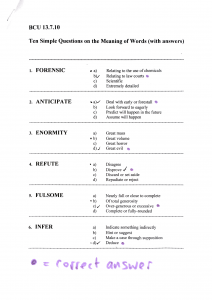
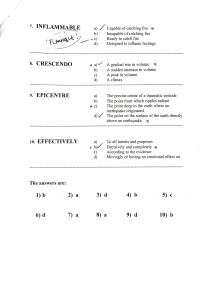
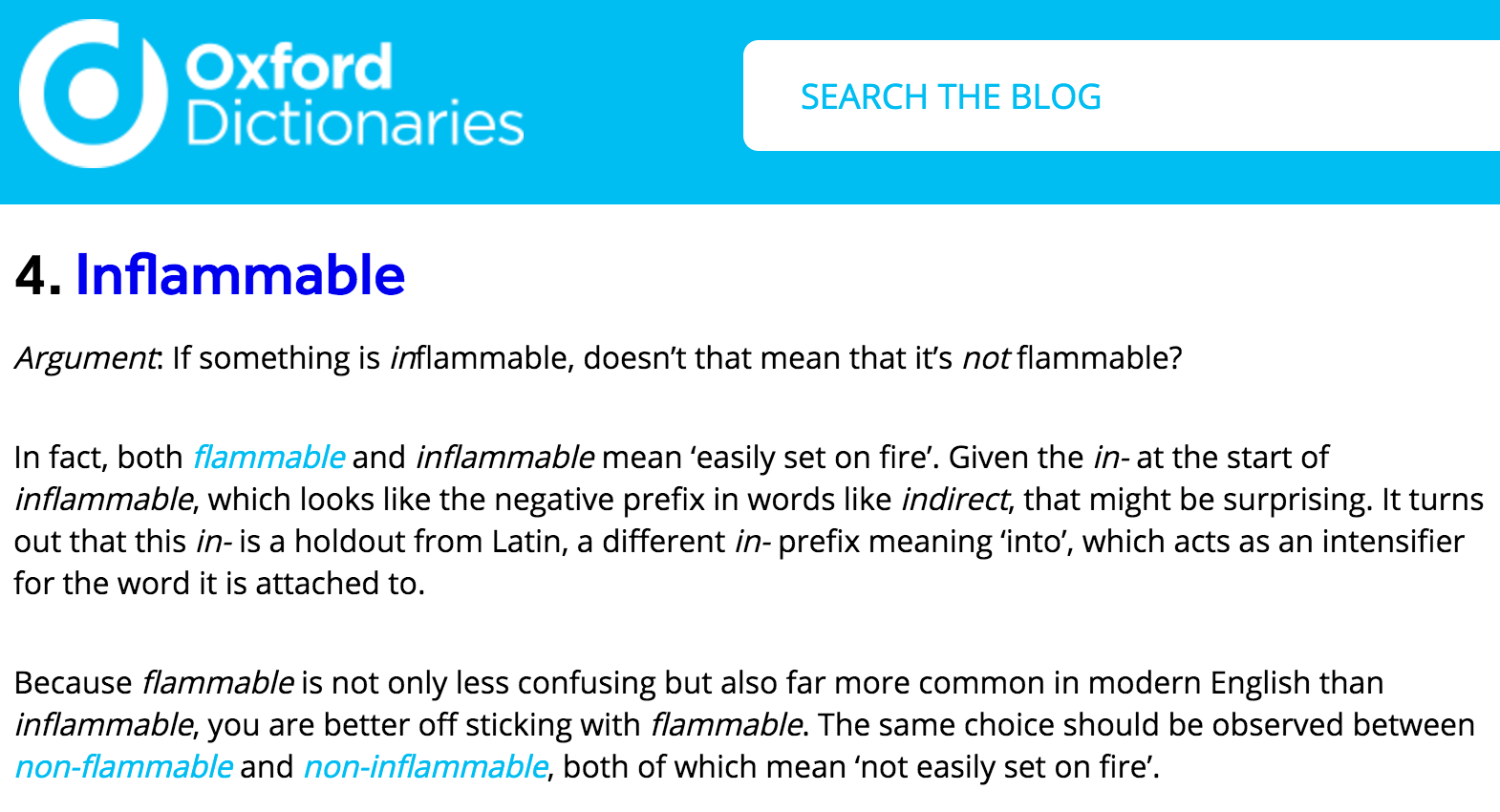
This episode is a game show hosted by my Dad, with me as the contestant. The aim of the game is to see how many words I know. My Dad designed this quiz for his students of journalism at the university where he works sometimes. The quiz is specifically designed to highlight what he considers to be common misuses and misunderstandings of words. His opinion is that journalists writing and presenting on television should use words in exactly the right way, even if many people use those words to mean different things in general everyday use.
[DOWNLOAD]
Frankly this is an evil game show, created by my evil father (a.k.a Darth Vader) and it is designed to make normal people fail, allowing him to then prove a point about using words correctly on TV. Listen to the episode to see how many questions in his evil quiz I got wrong and right! While you listen you can try to guess the correct answers too. Let’s see how many you get right. Can you beat me?
This episode of the podcast is all about telling anecdotes in English. Anecdotes are little stories about our experiences that we share while socialising. It’s important to have a few anecdotes of your own and to know how to tell them properly. In this episode I’m going to give you some advice for how to tell an anecdote and then you’re going to listen to some true anecdotes told by members of my family that I recorded yesterday evening during dinner.
This episode is sponsored by italki. Speaking practice is very important in developing natural, fluent English and this is now really easy to achieve because with italki you can find plenty of native speakers and teachers to talk to, you can set your own schedule and you don’t even need to leave the house – you can do all of it from your own home. If you want to practise telling your anecdotes, do it in conversation on italki. They have lots of friendly and experienced teachers who are ready to help you to learn English your way. Go to http://www.teacherluke.co.uk/talk to get started and to get a voucher worth 100ITC when you get some lessons. OK, let’s get started!
I’m at my parents’ house for a few days. My brother and I are just taking a couple of days off and spending some time here doing the usual things like enjoying the fresh air, talking to my parents and taking advantage of our mum’s cooking.
Yesterday evening we were eating dessert at the end of dinner and we started talking about anecdotes. I think I asked everyone, “Do you have any anecdotes?” I asked them to think of an anecdote they’d told before. We were about to start when I realised that it might be a good idea to record the talking, so I quickly got my audio recorder and then recorded them telling those anecdotes. Each one is about 5 minutes long.
Before we just listen to their little stories, let’s consider anecdotes and how important they are in English.
From the archives: Another episode about telling anecdotes (episode 44) https://teacherluke.co.uk/2011/10/11/telling-anecdotes/
The Collins Online Dictionary defines an anecdote as a short, usually amusing account of an incident, especially a personal or biographical one.
So, essentially anecdotes are little true stories about ourselves. We are usually the protagonists in our anecdotes, and they’re usually told in informal social situations. Sometimes there are moments in our social interactions when we just start sharing little stories about things that have happened to us in our lives. This might happen at a dinner, or when you’re generally spending some extended time with other people. Anecdotes are a really common part of the way we socialise in English. They allow us to entertain the people around us, while letting them know a bit more about us.
Both of those things are vital in my opinion. If you’re trying to build a relationship with people it’s important to both entertain them and also share some personal information with them. Entertaining the people around you is important because it just makes them feel good. If you can make people feel good, they’re much more likely to trust you, to give something to you in return and also, it’s just good to entertain people around you. It’s just fun and enjoyable to hear about people’s experiences. Also, giving away some personal information is a good way of encouraging other people to do the same thing. That’s how you build trust. For building a relationship you can do two things: ask questions and be prepared to give away details about yourself. Anecdotes help you achieve the second one in a fun way.
So, how do you tell an anecdote in English?
Tips for Telling Anecdotes
Find the right moment. Usually they take place in informal anecdote sharing sessions. Don’t just jam your story into a conversation. It should add something to the subject of the conversation. E.g. you might be sharing travelling stories, or stories about weird people you’ve met, or university stories, or dangerous experiences. That’s when it’s appropriate to add your story too. Maybe you’re talking about a particular subject and your anecdote will add something to that conversation. E.g. you might be talking about the difficulty of finding accommodation in your town, and you could tell the story of the crazy landlord you used to have. Perhaps someone has just told a story, and you’ve got one that relates to it too. All of those are good moments to introduce your anecdote. Only tell your story if it relates to the conversation you’re already having.
Keep it short! Don’t get stuck in the details too much. Focus on the impact of the story. What emotion are you attempting to elicit in people? What is the feeling you’re trying to get across? Is it frustration, fear, danger, humour? Focus on communicating a feeling and try not to let the details get in the way. You need to communicate that feeling by explaining the right events. The best anecdotes allow the listeners to discover the same feelings as you did when you felt them, so describe the events and aspects of the situation that made you feel that way. Don’t get caught up in the details. Keep it pretty short and simple. Say the word “anyway” when you get stuck in the details and want to move on to the main stuff.
Use the right narrative tenses. Usually we tell anecdotes in the past. That means you’ll be using past simple, past continuous and past perfect. Here’s a really quick and simple explanation of how you use those tenses. Past simple – this is the tense you use to explain the main actions in the principle part of the story. E.g. I saw a spaceship, I stopped my car, the spaceship flew above me, all the objects in my car started floating, I saw a bright flash of light, then I woke up lying down in the forest with a pain in my backside.” Past simple is usually used for short actions that happen one after the other. Past continuous – we use this to explain the situation at the time the main events happened. It’s for context. It sets the scene. E.g. “I was driving in my car through the countryside late one night when I saw something strange”. Also, it’s for moment by moment action, and it’s when two things happen at the same time. Past continuous is for the longer action of the two. The action starts, is interrupted by a shorter past simple action, and then may or may not continue. E.g. “I was trying to remember where I was when these guys in black suits turned up and started asking me questions.” Past perfect – this is for giving back story. Use past perfect to talk about events that happened before the main events of the story. E.g. I told the guys that I’d just been camping in the forest and that I’d got up in the night to go to the toilet and I’d lost my tent, and that’s why I was sleeping outside like that. I told them I hadn’t seen any aliens or anything like that.” Past perfect is a difficult one to notice when listening. The “had” is often contracted and can be impossible to hear. It’s possible to identify past perfect because of the use of past participles, e.g. “I’d seen it before” and “I saw it before” but when regular verbs are used it can be almost invisible. Compare “I’d finished” and “I finished”. They sound very similar. Sometimes ‘had’ is not completely contracted but pronounced using a weak form, like ‘/həd/’ e.g. “He had been there before”. It might also be part of a continuous form, like “He had been talking to someone else”.
So, there are the narrative tenses – past simple, past continuous, past perfect. Past simple is the most common one – you could probably just tell the story with that one on its own, but adding the other two will give your stories more depth and range. Think about how you use these three tenses when describing events in the past.
Tell us how you felt. That’s pretty simple. Just give us some emotional content.
Use direct speech. Don’t worry about using reported speech, just use direct quotes. E.g. “He said “What are you doing here?” and I said “I’m just camping!” and they both said “Where’s your tent?” and I said “It got stolen in the night, or I lost it, I can’t remember”. I don’t think they believed me but they told me to be careful and to go home.
Introduce your story with a quick sentence, like “I got abducted by aliens once” or “I saw a weird thing once” or “That sounds like something that happened to me once”. That’s generally a sign that you’ve got a little story to tell. However, if people aren’t really listening, don’t worry about it, this might not be the moment for your story.
When someone has just told a little story, ask a few questions or respond to it in some way. Show some appreciation of the anecdote – like, “Oh my god I can’t believe that!” or “Wow, I can’t believe that you got abducted by aliens!”
Try to make it quite entertaining! If the story doesn’t have much entertainment value, keep it extra short. You can exaggerate the story a bit, but don’t lie, that’s just deceptive. For example, don’t just make up a clearly fictional story about being abducted by aliens. Obviously, it should be very much ‘based on a true story’. Repeating anecdotes a few times is quite common. In fact, people carry anecdotes with them through their lives and repeat them again and again. You probably have a few experiences that you’ve described a few times – they’re your anecdotes. Try converting them into English, and it’s ok to practise those anecdotes a few times because you’re learning the language. Think about experiences you’ve had in your life – how would you describe them fairly quickly in conversation, focusing on the main events and how they made you feel at the time?
Show us when the story is finished. Typically we might say “That’s what happened.” or “And that’s it” or even “That’s my alien abduction story.” It’s nice if your anecdote can end with a funny line or a punchline, but that’s difficult. It might also be good to say what you learned from your experience.
Now, let’s hear my family’s anecdotes shall we? (yes)
By coincidence, all these anecdotes relate to meeting strange people and most of them involve some element of danger (in the case of the boys’ stories) or embarrassment in my Mum’s story.
Imagine you’re at the dinner table with my Mum, Dad and brother. As you listen, think about the things I’ve just mentioned, and try to notice them. You could listen to this episode a few times. Try to notice different things I mentioned about telling anecdotes. Which anecdote do you think is the best? Why is it a good one?
Here are some key points to watch out for.
Narrative tenses used – in particular, can you hear when past perfect is used? It’s only used in 3 out of the 4 stories. Watch out for past continuous to set the scene. Is that one used in every story?
When someone says “anyway” in order to avoid getting caught in the details
What is the main feeling that the person is trying to communicate? Is it danger, embarrassment, weirdness?
How does the anecdote end?
Any new vocabulary?
I’ll let you listen to the anecdotes, and then I’ll deal with some vocabulary and make any other points afterwards.
Mum’s Anecdote – Meeting the King of Tonga
(Tonga is a Polynesian kingdom of more than 170 islands, many uninhabited)
*some past perfect is used to explain what the king had been doing before mum arrived
It’s going to fall very flat = it’s going to fail to have the intended effect. E.g. if a joke falls flat, it doesn’t make anyone laugh. If a story falls flat, it is not impressive or amusing.
It’s been built up too much = We say this when people’s expectations have been raised. To ‘build something up’ means to raise people’s expectations of something. You’d say this before telling a joke if you feel like everyone’s expectations have been raised. E.g. “What’s this Russian joke? I’ve heard you talking about it a lot, so it must be amazing.” “Well, it’s been built up too much now, it’s just going to fall flat.” or “Have you seen the new Spielberg film Bridge of Spies, oh my god it is amazing!” “Don’t build it up too much!”
I was nothing to do with it = if you have nothing to do with something it means you are not involved or connected to anything at all. E.g. “Mr Thompson, I want to talk to you about the bank robbery that occurred in the town centre last year.” “Bank robbery? I had nothing to do with it officer, I promise!” or simply “There was a royal visit happening, but I had nothing to do with it. I was just there to pick up my husband.”
I was just a hanger-on = a hanger-on is someone who just hangs on. This is someone who is nothing to do with what’s happening but they just hang around. E.g. musicians often have hangers on. These are people that hang around the band even though they’re not contributing to the show at all. They’re just hanging on because it’s cool or fun to be with the band.
I was skulking in the corner = to skulk means to kind of hide or keep out of sight, often in a slightly cowardly way.
He beckoned to me = to beckon to someone is to wave someone over to you with your hand. It’s to do a motion with your hand which encourages someone to come to talk to you.
He was eyeing her up = this means to look at someone because you fancy them – to look at someone with sexual interest. E.g. the king of Tonga was eyeing up my Mum all evening.
James’ Anecdote – Hastings Story
a skate park = a place designed for skateboarding
the ramp’s in the church = a ramp is a thing for skateboarding on. It has sloped sides so skaters can go up and down on it
a hog on a spit = a hog is a pig, and a spit is a stick that goes through the pig, suspending it above a fire
we had too good a time = we had a good time – but if you want to add ‘too’ you need to say “we had too good a time” not “we had a too good time” – this works with the structure in general. “It was too big a pizza for me to eat” or “It was too long a journey to make at that time of night”
I was too drunk – not in a lairy way = to be lairy means to be aggressive and anti-social. It happens when some people get drunk. They get lairy.
I’m bigger than him, I can take him = to ‘take’ someone means beat them in a fight
We crashed out = to crash out means to fall asleep, usually quickly and often in a place where you don’t usually sleep.
I’ve painted everything in hammerite http://www.hammerite.co.uk/ = hammerite is a kind of metallic paint
He was coming round = to come round here means to wake up, or come back to consciousness
I didn’t get interfered with = to interfere with someone could mean to touch them in a sexual manner
*just past simple
Dad’s Anecdote – Hitchhiking in Italy
*all the narrative tenses used
We got a few good lifts = a lift is when someone takes you somewhere in a car. E.g. “Could you give me a lift to the station?”
This car pulled up = this is when a car stops by the side of the road (also – pull over)
He was a slightly dodgy character = dodgy means untrustworthy or suspicious
The car broke down = stopped working
They turned on him and said “What are you doing?” = to turn on someone (not turn someone on) means to suddenly start criticising or attacking someone. In this case, there were curious neighbours listening to the argument and after a while they turned on the guy – they decided that he was wrong and they started criticising him
I managed to jump in and grab the keys from the ignition = to manage to do something (this is an important verb structure) – also ‘the ignition’ is the part where you put the keys in order to start the car, e.g. “You left the keys in the ignition”
I dangled the keys over a grating / a drain = to dangle something over something is to hold something in the air so that it swings from side to side slightly. E.g. We sat on the edge of the bride with our legs dangling in the air.
Luke’s Anecdote – Liverpool Story
*Includes quite a long passage with past perfect when I described what had happened to the man before he arrived at our front door.
There was some sort of commotion going on in the hallway = a commotion means a period of noise, confusion or excitement
He ran through all the alleyways = alleyways are passages between or behind houses
LEP is back after a two-week absence. This episode is about top tips for learning English. Here are some ideas about learning English that have occurred to me in the last couple of weeks of teaching intensive general English classes at school.
Remember to be responsible for your own learning. Nobody can learn for you.
It’s all about establishing habits for improving your English, and keeping up those habits.
TOP TIPS FOR LEARNING ENGLISH
Watch movies and TV in English. This is what people always say, but it can work really well if you do it right. Here are some specific tips. Repeat watch a movie that you love in English. Watch it with subtitles in English. Then watch it again without the subtitles. Put your phone in front of the TV or computer and record the audio, then listen to it when you’re out and about. Quote some of the lines. Recreate parts of the film on your own. Go the extra distance and think outside the box.
Find a book that you know quite well. Read it in English and also listen to the audiobook. You won’t mind repeating it because you love it. You already know the story, so now you can explore it in English. Imagine hearing all those lines in English again and again.
Keep two notebooks. Go down to the stationery shop and buy two nice notebooks. The first one is for scribbling things down quickly and just keeping quick notes. The other one is where you keep an organised record of words and rules. Keep the first one with you when you’re watching, reading or listening to stuff in English, or when you’re in conversation on italki or something. The other one is going to be like your bible for English and you’re going to write it yourself.
Use mnemonic devices to help you remember.
Listen to my podcast! Listen to episodes more than once. You’ll find that specific things I say will stick in your mind. You’ll also find things funnier and funnier, I promise. Some of my episodes are designed mainly to make you laugh. You need rewards for understanding and learning a language, so let the funny moments be a reward in themselves. Enjoy the process of understanding what I’m saying, and getting the subtleties and nuances. Check out the page for each episode. You’ll often find words written there. Often the introduction or the whole episode is transcribed. You can use that to help you learn.
Get a grammar book and do the exercises, then do them again a few months later. English Grammar in Use is still the best one. Even if you’re pretty good at English already, going through those pages systematically will iron out a lot of the fossilised errors you have. Then when you listen to English, read English or speak to people just try to notice some of the grammar you’ve been studying. Also, if you don’t understand some of the grammar – don’t worry about it, just carry on. The worst thing you can do is stop when you feel confused or frustrated. You don’t have to understand 100% of the grammar. Just understanding 70% is ok. Do your best to understand it all, but it gets pretty complex and abstract (not as much as most other languages). The main thing is: when you experience difficulty or resistance – the worst thing you can do is stop. Just keep going anyway! Work with what you have and make progress in little steps.
Just keep yourself switched on at all times! Be mindful. Notice language and take opportunities to learn. Some learners of English are just not diligent enough. Every error is an opportunity to learn. Bit by bit, step by step.
The pizza analogy.
Enjoy the small victories. Every single positive moment in your learning should be celebrated. If you understand something fully – well done you. If you say exactly what you wanted to say – well done you. If you stopped making a fossilised error, well done you.
Enjoy it! You only get one life. (deep and meaningful moment)
More episodes coming soon.
Thank you so much for your comments and messages. I’m sorry I can’t reply to them all.
Have a good day/night/evening/morning, wherever you are, whatever you’re doing!
In this episode I’m talking to Olly Richards the polyglot from England. Our conversation covers points about what accent you should learn to speak with, the importance of developing clear pronunciation and effective communication in English, using Periscope to listen to native English speakers and the physical side of learning a language. See below for a transcript to the introduction, more information and links to Olly’s work.
Olly Richards, the polyglot from England, is on the podcast again today. This is the second time I’ve spoken to him on this podcast. The first time was back in February I believe. [A bit about how to say “February”] That’s episode 332. If you haven’t heard that one, I recommend that you go into the archives, find it (or click here) and listen to it because it’ll give you some good context for this one and also it’s just really useful for English learning because it contains loads of good advice and lots of motivation.
Olly is a great guest for this podcast because he basically spends his time learning languages and helping other people to learn languages too. Olly has managed to learn lots of languages including French, Spanish, Portuguese, Japanese, Arabic and Cantonese and he learned them all in adulthood, not as a child. That’s quite an achievement and he’s managed to do it using some pretty clever strategies, techniques and routines which we can all apply to our language learning too.
Now, I’ve arranged to speak to Olly over Skype in just a few minutes so I’m just gearing myself up for the conversation now. I’m getting my Skype settings correct. Last week I saw him briefly on Periscope talking about a recent work-related trip to LA and how the trip had affected his language learning routine and it sounded very interesting so I sent him a message saying “Hi Olly, I saw you on Periscope the other day – Do you fancy coming on the podcast soon for a catch up?” and he quickly replied by saying “I’d LOVE to come back on the podcast. I could do podcasts all day long, and especially yours since it’s so much fun.” So that’s that. It’s all been set up.
We haven’t done much preparation for this beyond just setting a time for the conversation. The idea is that we’re going to just catch up on his recent news, see where the conversation takes us and ultimately share more conclusions and tips about language learning.
Oh, there’s just one last thing. Do you remember in our last conversation that Olly asked me to make a commitment about my French learning? I promised that I would practice for 10 minutes a day. Also, I seem to remember a number of you made commitments about your learning in the comments section and I wonder if you’ve kept up with them. Well, honestly – I haven’t been the greatest student because I haven’t kept my promise. Yeah, I know, I know. To be fair, I did go out and buy some self study materials which I chose very carefully and I started with the best of intentions, but I only did a few pages and then got out of the habit of doing it. So, I feel a bit bad about that and I wonder if he’s going to bring it up. I think he probably will, but let’s see. Now, my French has definitely improved recently but the rate of improvement is just not good enough and I need to pull my socks up and turn over a new leaf and adding some daily practice into my routine would definitely help. Anyway, let’s see if he brings it up.
Now though, it’s time to talk to Olly Richards the polyglot from England. Here we go.
*Conversation Starts*
We talk about…
His trip to the USA
How accents change when people travel to different places (e.g. when Brits go to the USA their accents ‘accommodate’ to the local accents a bit, and vice versa)
The relationship between accents and our identity
Accent reduction vs learning clear pronunciation
The physical side of learning a language. Is it normal to experience any physical pain when practising your speaking
The importance of engaging in conversations in English to improve your effectiveness in communication – italki is a good way to do this
Click here to check out italki – www.teacherluke.co.uk/talk
Links
Download the Periscope App here https://www.periscope.tv
This episode started with no title and no particular aim, but I ended up chatting about walking the red carpet at the ELTon awards, the rain and floods in Paris, getting struck by lightning, the revolution of fibre optic internet at home and a crazy idea about doing live podcast recordings around the world. Listen up!
I’m going to do some unplanned waffling on these topics:
ELTon awards – the ceremony, other nominees.
Paris weather – 3 weeks of rain, feeling under the weather, flooding, don’t get struck by lightning.
“Sorry, we’re English” – will continue during the summer (except most of August), LEPsters are always welcome, sorry if you came last Thursday and I missed you.
CRAZY IDEA – The LEP World Tour. Can you imagine me doing a live podcast recording or comedy show in your town or city? Do you know a good venue where I could do it? It would need a stage, a microphone, seating for about 50 people (perhaps more) and friendly staff. Let me know.
EURO 2016 – International football! And it’s happening in France.
Fibre optic internet (exciting development) – I no longer feel like I’m squeezing a litre of water through a syringe whenever I upload an episode.
Cookies on teacherluke.co.uk
Click “Accept All”, to consent to the use of all cookies on this website, or visit "Cookie Settings" to control your consent settings.
This website uses cookies to improve your experience while you navigate through the website. Out of these, the cookies that are categorized as necessary are stored on your browser as they are essential for the working of basic functionalities of the website. We also use third-party cookies that help us analyze and understand how you use this website. These cookies will be stored in your browser only with your consent. You also have the option to opt-out of these cookies. But opting out of some of these cookies may affect your browsing experience.
Necessary cookies are absolutely essential for the website to function properly. These cookies ensure basic functionalities and security features of the website, anonymously.
Cookie
Duration
Description
cookielawinfo-checkbox-analytics
11 months
This cookie is set by GDPR Cookie Consent plugin. The cookie is used to store the user consent for the cookies in the category "Analytics".
cookielawinfo-checkbox-functional
11 months
The cookie is set by GDPR cookie consent to record the user consent for the cookies in the category "Functional".
cookielawinfo-checkbox-necessary
11 months
This cookie is set by GDPR Cookie Consent plugin. The cookies is used to store the user consent for the cookies in the category "Necessary".
cookielawinfo-checkbox-others
11 months
This cookie is set by GDPR Cookie Consent plugin. The cookie is used to store the user consent for the cookies in the category "Other.
cookielawinfo-checkbox-performance
11 months
This cookie is set by GDPR Cookie Consent plugin. The cookie is used to store the user consent for the cookies in the category "Performance".
viewed_cookie_policy
11 months
The cookie is set by the GDPR Cookie Consent plugin and is used to store whether or not user has consented to the use of cookies. It does not store any personal data.
Functional cookies help to perform certain functionalities like sharing the content of the website on social media platforms, collect feedbacks, and other third-party features.
Performance cookies are used to understand and analyze the key performance indexes of the website which helps in delivering a better user experience for the visitors.
Analytical cookies are used to understand how visitors interact with the website. These cookies help provide information on metrics the number of visitors, bounce rate, traffic source, etc.
Advertisement cookies are used to provide visitors with relevant ads and marketing campaigns. These cookies track visitors across websites and collect information to provide customized ads.

 [DOWNLOAD]