Category Archives: Messages from Listeners

649. An Unedited Ramble (March 2020) Never Explain, Never Apologise? / No Stress / Method To The Madness / 3 Songs on Guitar

Luke talks on his own without stopping, restarting or editing, including responses to comments about recent episodes, thoughts on the methodology behind this podcast, some vocabulary teaching, a few songs on the guitar and more. This is no-stress episode, and a chance for me to just check in on you and make sure you’re all doing ok out there in the world! 😉

Small Donate Button

[DOWNLOAD]

Image by Larisa Koshkina from Pixabay.

Episode Notes

These are just notes and not a full transcript. Some chunks of target vocabulary are highlighted in bold.

In this episode you’re going to hear me talking on my own, which probably means it’s going to be easier to understand and follow what I’m saying than some of the episodes I’ve uploaded recently, because I’ve uploaded some pretty challenging episodes over the last few weeks and months, and years… I try to mix it up a bit, with some challenging ones and some easier ones. Let’s say the easier ones are when I’m on my own and the more challenging ones are when I’m with other people or when we are breaking down recordings of other people.

But this one is just me, and you, because you’re involved. You’re listening aren’t you?

I hope this will come as something of a relief to you, at least to those of you who are pushing yourselves by listening to my podcast, and who might have quite a tough time understanding the more challenging episodes.

I know that some episodes are difficult to follow sometimes, because of the speed of English you’re hearing from my guests and me, and because we might be talking about subjects that you aren’t so familiar with.

Anyway, no stress today, there’s enough stress in the world. The plan here is just to chat to you, have a good old-fashioned ramble on LEP.

So you can have a bit of a breather today and just enjoy listening to this. And I hope you listen to all of it, from start to the finish. If it makes any difference to you, I will sing you a song or two with my guitar at the end. So if you’d like to hear me singing again, as I do at the end of episodes sometimes, then stick with it and keep listening until the end. Don’t be tempted to skip forward. That’s cheating.

Two words: deferred gratification.

It’s important to have a bit of self-discipline and I’m talking to myself there as much as I’m talking to you. 

When I decided to do this episode I thought (and it’s always like this, with these rambling episodes as I’ve come to call them) I decided initially to just talk without preparing anything in advance. Just no pressure, no specific agenda, just speak my mind and try to express the ideas which have been building up in my head since the last time I spoke to you like this.

The idea is that I can keep it authentic, in the moment and I don’t have to spend ages working on it before I even start recording. That’s what I think when I decide to do an episode like this.

But that’s easier said than done, because…. (What happens Luke? How do you end up writing so much in advance?)

Basically: I want to talk with no preparation, but then I have to write some things down or I won’t remember to mention them, but then I end up starting to type out everything in advance. 

It’s hard to know when to stop preparing and when to start recording.

So I’ve decided to just get started here without worrying too much about having every single detail prepared in advance. 

I know it’s probably not an issue for you, but I’m just giving you bit of insight into what goes through my mind when I prepare and record an episode. 

So → No more preparing, it’s time to start talking, which might mean there is some rambling here, which is fine and great.


Episode Aims

  • The main aim of this episode is to check in on you (make sure you’re doing alright) but not check up on you (to investigate, gather information, spy on someone)
  • And just chat to you about various things on my mind, things that I think are of interest to you as a member of my audience.
  • Talk a bit about recent episodes, just to establish where we are.
  • Give a few bits of news.
  • Respond to a couple of comments I’ve received
  • Have a bit of a laugh → just have some fun on the podcast because that is one of my favourite things about doing this. Just messing about and having fun, with no stress involved!
  • Sing one, two or maybe three songs on the guitar, which I will leave until the end.

As we go through all of this, I am sure that there will be various expressions, vocabulary and other language points that will come up. [A lot of it is highlighted for you here]

When I talk in episodes of this podcast I am sure that some people don’t notice what the method is. Most people like to think there is a specific pedagogical method at work and in my experience it is necessary to tell people (my students for example) exactly what the method is in order to put their minds at rest so they know they’re in safe hands.

What I will say is this – it might not be obvious all the time, but there is method to the madness I can assure you. I’ve been teaching for nearly 20 years now and to an extent I am now just always teaching. I’m always in teaching mode. This means that I’m always thinking about what you while I am talking. I’m always thinking about the listener not because I’m so selfless and wonderful but because I know what I’m doing.

*You don’t need to justify it Luke*

Let’s just say this → Even when it’s not obvious that I am teaching you, I am teaching you. Every minute you listen to this (and indeed most other things you could listen to, but the difference here is that I am doing this specifically for you as a learner of English and even more specifically as a LEPster) … every minute you listen to this is a minute in the bank of your English. 

I’ll talk more about methodology and this podcast in a bit. I’m still technically in the introduction here.

I have no idea how long this will take, but it usually takes longer than I expect, so this could easily be two episodes.

But seriously, let’s forget about the clock for a while, ok? Don’t worry about how much time is passing. If you need to stop for some reason, just stop. Your podcasting app will remember where you were when you stopped and you can carry on again when you’re ready.

The main thing is: just listen, just try to follow everything. If you can follow it all without trouble, then fantastic, give yourself a little pat on the back. If you can’t follow it all, just do your best, keep going, don’t give up, rewind and listen to certain bits again if you need to. 

And this is where your podcasting app will help once more because you should have those helpful buttons which let you skip back by a few seconds. I use them a lot when I’m listening to podcasts, including ones in French (Any good french podcasts to recommend Luke? I’ll add that to the list for this episode – see below) 

You will see various notes on the page for this episode. This is all the stuff I wrote down before recording. It’s not a transcript, but if you hear me saying something and you’re wondering what it is, check out the page and you might see it written there.

I understand that checking a website isn’t all that convenient, even when you have a smartphone to hand. 

But anyway, it is there. If you’re listening in an app (including the LEP app) check the show notes → There is a link there that takes you right to the relevant page each time. That’s one of the fastest ways to get straight to the correct page. Otherwise, join the mailing list to have the link sent to your inbox, or just check out the episode archive on teacherluke.co.uk where you can find everything.


Is everyone ok out there? Let’s be honest, this is a pretty crazy time. I hope you’re doing ok. Hang in there, stay positive!

Recent episodes 

Ian Moore → It’s interesting that Jack in the comment section mentioned that he found it waaaay easier to understand Ian this time compared to last time. This could well mean that his English listening skills have improved in that period – considering there are about 300 episodes between Ian’s first appearance and his second. So, I’m very happy to hear that, basically. 

I’m also happy to have had Ian on the podcast again. He really is a very witty man, not to mention well-dressed. There are a few videos of him online, doing comedy, being interviewed on TV and so on, and he is very good. 

Alan Partridge episodes

What doesn’t kill you, makes you stronger. (or so they say)

“You can please some of the people some of the time, all of the people some of the time, but you can’t please all of the people all of the time.” (and you shouldn’t try to) ~originally attributed to John Lydgate and then Abraham Lincoln.

Slightly puzzling stats for the AP episodes. Part 4 and 6 have a similar number of listens, but episode 5 has about 25% fewer listens. What’s that all about? 

The Intercultural Communication Dance with Sherwood Fleming → The main point is, focus on the message, not how the message has been delivered to you. I would also add: be thoughtful, be respectful, think about the other person, listen to them and pay attention to them, adapt your style accordingly. Ultimately it comes down to compassion. Be compassionate. Think about the other person, think about their situation, be less self-involved. Thinking about the other person, what they want and what they are really trying to say → this helps a lot. It helps you avoid conflict and it helps to bring more respect to you. In theory.

Recent Amber & Paul Episodes

It was fantastic to speak to them on the podcast recently. I think it’s best when the three of us have a specific aim for an episode, especially if it is a game of some kind. 

Amber had her baby! It’s a girl. Mum and baby are both doing fine. I’m hoping to speak to Amber soon about it, with Paul there too. Congratulations to Amber, her husband, and their little boy who now is the brother to a little baby sister.

Quintessentially British Things 

James – A few people going Hmmm. Some saying how fun it is to listen to the two of us, a couple of people saying they found James to be a bit rude because he kept cutting me off. We have a close relationship, but like all brothers we fight sometimes etc… conditions for recording, we both had a lot to say, etc. We mention it at the end of an upcoming episode we’ve done about music.

James’ comment

Hi people, sorry if I came across as rude / impatient. It was late, we were tired, and I’m afraid to say I was very, very drunk. ; )

Ones with Mum and Dad – all positive saying they found them interesting and lovely and I’m lucky to have a family like that, and I am. Episodes of Gill’s Book Club (which it will probably be called) should arrive this year. RT report too, when we feel like it!

A lot of conversations with native speakers at normal speed. What is your method, Luke? 

Upcoming music episode with James

Thoughts about the challenge of listening to some of my episodes.

I like to consider the thoughts of my listeners but ultimately I have to go with my gut and use my own judgement

The majority of comments come from LEPsters with pretty good English. So I don’t hear from lower-level listeners so much. 

Comments on the website → More people came out of the woodwork and that’s great. I’m not concerned. People need to go out of their way to visit the website, find the episode page, find the comment section, possibly sign into the comment section (Disqus) and write a comment in English. Most people just end up being ninjas often because there are various little barriers in the way. I get it! 

People comment in various ways → comment section, email, twitter, facebook, Youtube. The LEPsters’ comments are spread out all over the place. So they’re not all consolidated in one place. Maybe I should just stick to ONE platform, but I think this would ultimately make it more complicated for people to listen.

Premium → I am working on new stuff all the time. I say it’s about grammar, vocab & pron, and it is, but that sounds a bit dry doesn’t it? Remember – it’s still me, I’m still trying to do it in the LEP way, which means I make efforts to keep it entertaining at all times, as well as clear. Upcoming episodes will be about common errors I’ve noticed in comments and emails and things.

LEPster meet up in Paris + stand up show from me?

World Book Day – Thursday 5 March. https://www.worldbookday.com/

You’re reading a book, right? What are you reading?

Name: Miguel

Message: Hello there Luke, it is a great pleasure to be one of your thousands of listeners. Must admit that I am on the ninja´s listener side…Just a quick question, What kind of book would you suggest I should read in order to improve my english comprehension? I am going for the c1 advanced by the way and the big deal for me is the huge amount of sources offered on the Internet…

Thanks in advance my friend, carry on the good work!

Luke’s Reply

To be honest Miguel, you should just pick a book that you really want to read and that you will probably enjoy. You could pick the English version of one of your favourite books or perhaps a book of a film you like. 

You can also get graded books at the C1 level, which would also be a good idea. 

I’m assuming you mean reading novels rather than grammar/vocab books. 

Hope that helps. 

Check these episodes from the archive

French podcasts (difficult to find the right one for me, I must be quite picky)

Un Cafe Au Lot 7 → Louis Dubourg chats with French stand-up comedians, including some of my friends and acquaintances. Paul is interviewed there, so is Seb Marx and also some other big names like Fary and Gad Elmaleh.

French Voices → Conversations with interesting people with some things to look out for in English at the start)

French Your Way Podcast –> Specifically about teaching us French, making things clear and memorable, correcting certain mistakes, a lot of it is in English. Jessica is on maternity leave, starting in June. She’s probably fully involved with her baby. I hope she comes back soon when she is able to.

This comment is sponsored by LEP Premium – www.teacherluke.co.uk/premium

Message: Hello Luke,

I have been a regular listener of your fantastic podcasts since 2018 and I am the one who requested an episode on the topic of “articles” a couple of weeks ago.

I just finished the fifth episode of this series this morning and I must say that it is the most brilliant episode that you have ever recorded. I didn’t not think you were capable of doing that in 2009 because this requires a lot of experience. I do not know if the Lepsters realize the amount of work that you have performed to complete this series. During the last 20 years, I have often searched for such a lesson focused on the right use of articles but I have never found it. There are so many rules but also exceptions that it drives me nuts. As a neuroradiologist at Lille University hospital, I regularlly write scientific papers on neurovascular diseases in international journals and I am frustrated to systematically see the editorial office of the journal change my sentences by adding or removing articles. I feel more confident now even if it takes a long time to master the correct use of articles.

I don’t know if I have correctly used the articles in this message but I am very happy to get a comprehensive document on this topic.

Thanks a lot Luke and keep it up. You are such a lovely person who is very inspiring to me.

Take care

Xavier

Luke’s response

Oh what a wonderful email, thank you very much Xavier. 

Yes, you used all the articles correctly in this email. I’m glad to see my episode has helped you!

I’m also very glad to receive emails such as this, from interesting and intelligent people who actually use my content to actively improve their English. It’s very inspiring.

TRANSCRIPTION PROJECT

This is a community effort in which LEPsters can transcribe episodes of the podcast. 

I’ve mentioned it before, now I’m mentioning it again.

Antonio’s comment

The transcription project is one of the most powerful options we have in this podcast.

Since I started learning English, I’ve always heard the same piece of advice from teachers I’ve been listening to, which is: “We must read, listen and write to have better English skills.”

Well, the transcription project is the perfect example and could allow us to reach this goal entirely.

The transcription project does not only involve transcribing but also proofreading episodes. That’s why I created two teams. The Orion team makes the transcriptions, and the Andromeda team proofreads and corrects the texts done by the Orion team.

And I want to tell to people, asking to join the project, that we can fulfil our goals staying in this project longer than one or two episodes. Nobody is going to encourage us or give a hug or give a kiss. Still, the joy of seeing this project growing up and becoming better than when we started participating in it is immense. Staying for an extended period allows you to see your real improvement.

When you proofread the episodes you did one year before, you are going to find a lot of mistakes and misheard words. That means that you can hear sounds and terms you couldn’t hear previously. That also means that you are becoming a better English speaker.

As I’ve often said, the transcription project is a hard task to do, sometimes we can feel bored, but we can not forget why we are doing it and what goal we want to reach. Mastering a language when you don’t live with native speakers is very hard. This project and Luke’s English Podcast episodes allow us to fill the gap. However, we need something more to stay in this project longer. We need to have another goal. A different goal than learning English. A goal which means giving back something to others.

Yes! Learning plus giving back is something much more powerful. We learn English for free, and we transcribe episodes and correct them for free.

Doing that we fulfil another goal: We help everyone coming to LEP to learn faster with our transcripts. The number of them is close to 342. (probably more since this was done – because 618. The Climate Crisis is also finished now and needs to be proofread).

I started my collaboration in 2015, and even if I am not as good an English speaker as I want, I know I am much better than then.

Thanks to people joining the Orion and Andromeda teams, staying with me, and helping me to continue with this project.

Cara Leopoldptholome/Antonio • (Paraphrased / a reply to a different but similar comment also by Antonio)

I don’t think people realise how important it is to keep listening and coming back to the same material, instead of just moving on to the next thing. Your engagement becomes much deeper and you’re more likely to learn and remember the new words, as well as improve your listening skills. I also really like the fact that it’s collaborative and that the transcription improves over time as more people listen to it – a community effort!

3 Songs by Neil Innes

Click the links for lyrics and chords.

I Must Be In Love https://neilinnes.media/wp-content/themes/neil-innes/chords/oooolalala.html

I Love You https://neilinnes.media/wp-content/themes/neil-innes/chords/loveyou.html

Let’s Be Natural https://neilinnes.media/wp-content/themes/neil-innes/chords/natural.html


622. General Ramble (Oct 2019) Learning English / Politics / Recording Setup / Book Recommendation / Beatles / Star Wars / Bill Bailey

Rambling on my own about all sorts of things including Brexit news, describing my recording setup and microphones, a book recommendation for you, comments about the Beatles Abbey Road 50th Anniversary, the latest Star Wars Episode 9 trailer and Bill Bailey dissecting music in a brilliant way.


Small Donate Button[DOWNLOAD]

Episode Notes & Videos

Rick Thompson Report/Politics

🤷‍♂️

My Recording Setup

A Shure SM57 into a CL1 Cloudlifter then into a Behringer Q502 and then into the Zoom H5.

Book Recommendation

One Train Later by Andy Summers

The Beatles Abbey Road 50th Anniversary

Star Wars Episode 9 The Rise of Skywalker

Episode 9 Trailer

RedLetterMedia predict the plot of Star Wars 9

Bill Bailey & Music

604. London Native Speaker Interviews REVISITED Part 2

Listening to the audio from another old YouTube video of mine, and then exploring it for new vocabulary and English learning opportunities.


Small Donate Button[DOWNLOAD]

Transcript

Hello folks, welcome to a new episode. In this one I’m going to go through some more audio of interviews I did with native speakers of English in London 10 years ago and will mine if for any nice bits of English vocabulary that we find.

Before we begin this episode properly I just want to say a couple of things about the last episode – the one about Queen & Freddy Mercury and also to let you know about my plans for the summer and how that might affect the podcast.

We’ll start with summer plans.

Summer Plans

First of all, I’m going away on holiday during the 2nd week of July, so no podcasts will go up during that time. Then when we get back I’m teaching intensive summer courses at the British Council, which means teaching all day every day. I still have the evenings, but having a lot less time probably means I won’t be able to produce podcasts at the usual rate. So, things might go quiet for the rest of the month. Also, in August we have several holiday plans which are currently coming together and that will mean being away for at least half of the month. So things might go quiet during July and August, only to return at the normal rate in September. I’ll also prioritise premium content, because that is stuff I I feel I have a duty to publish.

Right, so that’s the summer plans and how they will affect the podcast. Things might be a bit quiet as usual at this time of year, but there’s the whole episode archive to explore, all the app-only episodes you might not have heard and all the premium content too.

Audio Quality – Queen Episode

Next let me say a couple of things about the last episode, which was all about Queen, before starting this episode properly in a few minutes.

First of all, I received some nice, enthusiastic responses from people who were very pleased that I was finally talking about Queen on the podcast.

For example, Francisca Lopez Aperador on YouTube wrote:
Hi, Luke, I was waiting for this episode. You really made my day. How could express how thrilled I am. Thanks, thanks, thanks. Cheers from Spain, teacher.

However, some people are saying that Alex is unintelligible in the Queen episode. There weren’t many comments, but I reckon if I just get one or two comments about something, it’s probably representative of what a lot of other people (ninjas) are thinking too.

For example, Arsiney wrote on the website:
I don’t understand any words in this conversation.
Luk`s speech is clear but this guy speaks like alien.

So, is Alex unintelligible? Does he speak like (an) alien?

Personally I understand every single word Alex says and said in the episode and also I noticed that YouTube’s automatic subtitles understood most of what he said (my episodes go up on YouTube now too, so you can see the automatic subtitles, which are 90% correct, going up to 95% correct when I’m on my own).

But there were definitely moments when it was difficult to understand everything he said – largely due to the audio quality during the call and partly due to Alex’s speech, and that probably made it a less satisfying listening experience for you.

Apologies for that. The audio quality wasn’t up to the normal high standard that you have become used to.

Also, Alex doesn’t enunciate as clearly as I do, but then again most people don’t.

This brings us back to this perpetual question of the way I speak on the podcast.

“Luke, do you speak normally or do you slow down because I understand everything you say but I don’t understand other native speakers.”

I do try to be normal and natural but I’m also trying to speak clearly. This is actually how I speak. I always make an effort to speak clearly. That’s who I am – partly as a result of being an English teacher, but also it’s just the way I was brought up to speak.

However, in the real world you’re going to hear people who don’t speak as clearly as me, and you need to prepare for that. I think that most people don’t speak as clearly as I do and it’s not just about speed, it’s about diction. Diction is the manner in which words are pronounced. To an extent you’ve been spoiled by my clear diction. You also have to listen to people who are harder to understand. It trains you to do things like use the context, and other words you can hear to piece together the bits you don’t understand. It’s not always going to be laid out on a plate for you, and you can’t always blame the speaker for not being clear enough for you. As I said, I always understand everything Alex says, so as far as we are concerned, he doesn’t have a problem with his speech. He goes through his life fine, communicating without issues, doing comedy on stage and making people laugh. So, Alex’s pronunciation isn’t a problem in his life. He doesn’t speak as clearly as me, but not many people do.

So, listening to someone like Alex is actually good training.

The Pros and Cons of Audio Quality & Learning English

It’s important to listen to subprime audio.

But I know that some of you will be frustrated that you couldn’t understand or hear everything, and I’m sorry about that. I thought it would be alright. I think the main thing was the audio quality actually.

Understanding what you hear is an important part of the learning process, but be careful of getting used to understanding everything. Sometimes you have to learn to fill in the gaps yourself.

I want you to understand everything you hear. Understanding what you’re hearing is an important part of the enjoyment of this podcast. It’s also an important part of how this works. I’ve talked about the role of comprehensible input. Basically, this is the theory that you learn language when you understand it, and so finding compelling material to listen to that you understand is vital.

So, naturally, clear audio is a part of that and that’s why I spend a lot of time attempting to make sure the audio is of good quality on this podcast. Where possible I even send microphones to guests I’m interviewing by Skype. I’ve sent mics to my dad, my brother, Raphael in Liverpool. I sent a mic to Andy Johnson. I couldn’t send a mic to Alex because he was using his phone, making a whatsapp call over a cellular connection. I expect this meant that the bandwidth of the audio was very narrow, or something like that. Perhaps the audio was compressed so much that there was not much range in the frequency, making it sound squashed or small. I’m not an expert in audio broadcasting so I’m not sure, but it’s probably something like that. Alex doesn’t have wifi at home – believe it or not, and so our only option was to do a voice call. No way for him to plug in a USB microphone. So, that’s one of the reasons for the difficult audio.

I’m probably going too far here and people are going to write to me saying “It’s ok Luke, don’t apologise too much!” etc. I usually go a bit over the top if I’m apologising for something on the podcast – usually because I’ve mispronounced a place name, I’ve made some factual error about your country, like saying your country is part of another country when in fact they’re separate independent nations. You know, stuff like that. Even apologising for uploading too much content. And now, apologising for less-than-perfect audio in one episode. I am probably going too far.

But it’s still worth taking this moment to talk about the pros and cons of good and bad audio, when learning English.

There are good and bad things about having super clear audio and English you can understand easily.

The pros are that you can learn a lot from it (comprehensible input) and you get the satisfaction of understanding it all.

The disadvantage is that you get used to it and then struggle to understand fast native speech.

There are also pros and cons of having audio that’s harder to understand.

Difficult audio trains you to listen more actively and intelligently.

But sometimes it’s frustrating when you don’t understand.

It’s about striking the right balance. Hopefully on my podcast I mix it up and have some audio which is not too difficult to follow, that you can learn from and enjoy, while also presenting you with more difficult things that you have to really focus on.

Now, about this episode you’re listening to right now.

This is London Native Speaker Interviews Revisited part 2.

Recently I uploaded part 1 of this series. That was episode 591.

If you remember, what I’m doing is revisiting some videos I made 10 years ago, when I went into central London with my video camera in order to do quick interviews with people about life in London. My question was “What is London really like?” I got loads of little responses from people talking about the good and bad points of life in our capital city and the videos were pretty successful. Two of them now have over a million views. Not bad.

So in these audio episodes what I’m doing is revisiting those videos. We’re going to listen to the audio from the video – see how much you can understand, and then I’m going to break it down in the usual way, clarifying bits of language and helping you to expand your vocabulary.

Also this gives me a chance to be like a film director doing my own DVD commentary track, which is always fun.

How does this relate to the topic of audio quality?

Well, I recorded these video interviews on a basic handheld camera just using the inbuilt microphone. There’s a bit of wind and loads of atmospheric noise (because central London is a very noisy place) and so yes, the audio isn’t as crystal clear as you might expect, but as I’ve said – it’s good practice. This is where we strike that balance between challenging listening and comprehensible listening.

Right, so let’s go! Let’s listen to the audio – we’ll do each mini interview one by one, and then I’ll break them down for language one by one.

We’ll listen to each clip twice. The first time I’ll just ask you the question “What are the good and bad things about living in London?”. Then listen and try to understand. Then we’ll listen again and I’ll break it all down bit by bit, and there’s quite a lot of nice, natural vocabulary to learn from this video.

On the page for this episode on the website you’ll see:

  • The video
  • A transcript for most of this, especially the first part
  • Transcripts for each part of the video
  • Vocabulary notes with definitions, for the bits of vocabulary I explain during the episode

Right, so let’s get started!

Student / Justin Bieber / Ed Sheeran

Transcript

Graphic design student: Hello
Luke: So, how long have you been in London?
Graphic design student: Two weeks
Luke: Really? What do you do?
Graphic design student: Err, graphic design. Camberwell, School of the Arts.
Luke: Ok. So, your first two weeks.
Graphic design student: First two weeks. It’s quite a big impact. Very big, lots of people, and it’s quite expensive as well.
Luke: Ok. What’s the best thing about it?
Graphic design student: Err, night life. Very good night life. It’s got, you know, erm… If you go to the right places… A lot of action, erm, you know, a lot of friendly people as well.
Luke: Excellent. What about the worst thing?
Graphic design student: Depends on where you go. I mean, there’s quite a lot of, err, muggers about, dodgy people looking at you weirdly. You want to just, turn, turn away from them
Luke: Ok yeah
Graphic design student: Apart from that, generally a lot of people are quite nice. I mean, there’s some people that shove about, but, you know, you’ve just got to deal with it.
Luke: Ok, thank you very much
Graphic design student: That’s ok
Luke: Cheers.

Vocabulary
how long have you been in London?
night life
A lot of action
Muggers
dodgy people
looking at you weirdly
Apart from that, generally a lot of people are quite nice
there’s some people that shove about
you’ve just got to deal with it.

Girl in the red scarf

Luke: So, hello
Girl in red scarf: Hello
Luke: Where are you from?
Girl in red scarf: I live in Redhill, which is about half an hour away from London
Luke: Ok, erm, how long have you lived there?
Girl in red scarf: Two weeks!
Luke: Ok. Everyone’s been living in London for two weeks for some reason. So, what’s London really like then?
Girl in red scarf: London, well, London’s a really really massive place which can be quite overwhelming, but it’s not that scary after you’ve, you know, got stuck in there. Erm, London has everything you’d ever want, if you’re into theatres, art, education, night clubs, anything. Erm, I would say, just get stuck in there and go for it!
Luke: Ok, great, and what’s the worst thing about London?
Girl in red scarf: The worst thing… oooh the worst thing… err, I think the worst thing would have to be the pollution. It’s probably not as bad as some countries, but you always feel like you’ve got black fingernails.
Luke: Ok. Thank you very much.
Girl in red scarf: Thank you

Vocabulary
Overwhelming
but it’s not that scary after you’ve, you know, got stuck in there
if you’re into theatres, art, education, night clubs, anything
just get stuck in there and go for it!

Real Londoner

Real Londoner girl (who hates pigeons): Hi!
Luke: So, are you from London too?
Real Londoner girl (who hates pigeons): Yes, I am
Luke: Ok, so how long have you lived here?
Real Londoner girl (who hates pigeons): Err, my whole life. Luke: Ok, so you’re a real Londoner
Real Londoner girl (who hates pigeons): Yes, a real Londoner
Luke: Ok, what’s it really like then, living here?
Real Londoner girl (who hates pigeons): What’s it really like? Erm, well I think it’s fantastic. It’s nice to live in such a cosmopolitan place with lots of things to do. You can never say that you’re bored or have nothing to do because then that’s all down to you, so…
Luke: What’s the best thing about it?
Real Londoner girl (who hates pigeons): Erm…
Luke: You might have just answered that
Real Londoner girl (who hates pigeons): Yes I think I have. Just the variety and everything you want to do. Lots of things for different age groups, there’s always something for someone to do. I would say the best thing is, like, the cultural little occasions that we have, like Chinese New Year and things like that, where you have big street parties. I would say that’s the best thing.
Luke: Ok, what about the worst thing?
Real Londoner girl (who hates pigeons): Oh… I don’t like to answer that question
The girl with the red scarf (off screen): Pigeons!
Real Londoner girl (who hates pigeons): Oh yeah! I hate pigeons! I hate pigeons! They’re just…
Luke: What’s wrong with them?
Real Londoner girl (who hates pigeons): They’re diseased!
Luke: They’re diseased. Flying rats.
Real Londoner girl (who hates pigeons): Yes
Luke: Right?
Real Londoner girl (who hates pigeons): Yeah. That’s the worst thing, I don’t dislike anything else.
Luke: Ok, thank you very much
Real Londoner girl (who hates pigeons): You’re welcome
Luke: Cheers

Vocabulary
It’s nice to live in such a cosmopolitan place
that’s all down to you
I hate pigeons! They’re diseased. Flying rats.

Young Business Couple

Smartly dressed couple: Hi
Luke: So, are you from London
Smartly dressed girl: Err, we’ve just moved here, yeah.
Luke: Just moved here, right, so err… How long have you been here?
Smartly dressed girl: Err… We’ve been here for a couple of weeks.
Luke: Ok. Everyone I’ve interviewed today has been in London for, like, two weeks. I don’t know why… So, what’s London really like then? What do you think?
Smartly dressed guy: Err, it’s a huge place. There must be about 10 million people living here. It’s got a lot of good things, bad things. It’s vibrant, it’s multicultural. It’s got fantastic places to eat, fantastic places to go out in the evening.
Smartly dressed girl: Fantastic theatre, fantastic restaurants. Fantastic museums, art galleries. Absolutely loads of stuff.
Luke: Ok
Smartly dressed guy: It’s a fast paced place. People seem to be moving around a lot faster than in the rest of the country
Smartly dressed girl: Sometimes that can get quite a bit much, you know. People sort of rushing everywhere all the time
Smartly dressed guy: But it’s interesting, but there’s also negatives to living here
Smartly dressed girl: It’s very congested, it’s very expensive. Err, extremely expensive, public transport is expensive. It’s hard… it can take a long time to get anywhere
Smartly dressed guy: And there’s also a lot of pollution, and crime as well. So, if you come to live here I think it’s about finding the right enclave
Smartly dressed girl: Yeah, the right neighbourhood to live in, definitely…
Smartly dressed guy: And having friends. Set up your own community of friends, rather than knowing your next door neighbour.
Luke: Yeah. Ok, thank you very much
Smartly dressed guy: No worries
Luke: Cheers, bye bye
Smartly dressed girl: Cheers, bye

Vocabulary
we’ve just moved here
How long have you been here?
We’ve been here for a couple of weeks.
There must be about 10 million people living here.
It’s vibrant
It’s a fast paced place.
Sometimes that can get quite a bit much, you know
People sort of rushing everywhere all the time
It’s very congested
I think it’s about finding the right enclave

Vocabulary with definitions

Here are some definitions of some of the vocabulary in the video.

night life – social life at night, for example clubs and bars
a lot of action – lots of exciting things happening, and lots of nice girls to meet
muggers – criminals who might steal things from you in public (e.g. attack you and steal your bag)
dodgy people – people who are strange and can’t be trusted
looking at you weirdly – looking at you in a strange way
turn away from them – look/turn in the other direction
shove about – push people when in a large crowd (e.g. pushing people when getting on or off a crowded train)
you’ve just got to deal with it – you have to just learn to live with it. You can’t let it make you unhappy.
massive
overwhelming – having such a great effect on you that you feel confused and do not know how to react
if you’re into theatres, art, education, night clubs, anything – ‘to be into something’ means to be interested in it, or to enjoy it
just get stuck in there – get involved without hesitation or fear
and go for it – just do it!
pollution – dirty air caused by cars, bad air conditioners etc
a cosmopolitan place – a place with lots of people from all over the world (positive adjective)
Pigeons – very common birds which you find in the city (see the video at about 3:33)
vibrant – full of energy and activity in an exciting way
multicultural – involving people from many different cultures
fast paced – with a quick lifestyle (e.g. people rushing about everywhere, walking very quickly, in a hurry)
get quite a bit (too) much – be stressful and annoying
congested – full of traffic, lots of traffic jams
the right enclave – a small area within the city in which you live and feel comfortable
neighbourhood – part of town in which you live

592. It always seems impossible until it’s done

An unedited ramble about motivation for language learning, dealing with challenges, getting started on a task, getting work done and my process for making episodes of the podcast. There’s also some news, some OPP and a couple of songs on the guitar at the end. Vocabulary notes, links, videos and song lyrics are available below.
Small Donate Button[DOWNLOAD]

Vocabulary Notes & Other Information

Let’s get this show on the road.
Let’s get started.
Let’s get this whole thing underway.
Things I’m saying to myself to get myself going.
I’m on my feet in order to try and get the energy going.
It helps me to get into the right mood.
I’ve been sitting here messing around for ages.
I’ve been fiddling around.
Plugging and unplugging (microphones)
Lots of messing around, farting about and faffing around.
You become very productive and you’re in the zone.
Sometimes you’re not in the right frame of mind and it feels like everything’s a bit of a struggle.
Once I get going it’s fine, but there are some days when I find myself unable to begin the episode..
Attempting to follow my own train of thought while talking.
You can probably hear handling noise (the noise of handling the microphone).

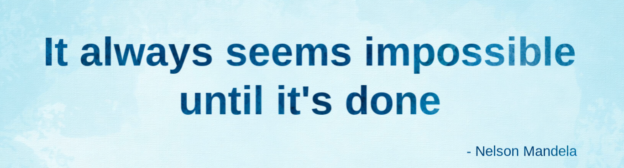
“It always seems impossible until it’s done.” ~ Nelson Mandela

Anything can seem impossible and that includes personal challenges (like recording a podcast in the window of time that I’ve got) that we have to face as individuals, and global challenges that we all face together.

“I can’t handle this. I can’t do it. It’s too overwhelming. There’s no way I can do it.”

Sometimes it seems a bit impossible, at the beginning of an episode.

I want episodes to be fun, engaging to listen to, relevant, personal, motivating, useful, natural and funny. (fun vs funny?)

What is the world coming to? I don’t know.

Fun = enjoyable (like a theme park)
Funny = it makes you laugh (like a great comedy show)

It always seems impossible until it’s done.

Sometimes it’s dead easy. I have loads of ideas just waiting to come out and I can’t wait to switch on the record button and get started. (switch on the recording device and then press the record button)

With Amber & Paul I sometimes have to abandon the stuff I’ve planned and just go with the flow.

Other times it seems like having to climb a mini mountain and I feel like I just can’t do it that particular day. Getting started is the most difficult part.

Sometimes, when I’m doing the podcast, I start, get something slightly wrong or go off on a weird tangent, getting away from the main point of the episode and I stop the recording and start again. That can happen over and over!

It’s a bit of a catch 22 situation. I want it to be natural and not over-prepared, but I also want to be disciplined and to get to the point quite quickly. It’s a weird balance between being prepared and being spontaneous and sometimes it’s a bit difficult to walk that line.

But that’s just me. I think anyone attempting to do anything will feel the same. It also applies to learning a language. The challenge can feel a bit overwhelming but we know that it always seems impossible until it’s done.

Hopefully this can give you some motivation.

OPP: The Joe Rogan Experience

I was listening to the Joe Rogan Podcast (The Joe Rogan Experience) http://podcasts.joerogan.net/

Last week Joe Rogan interviewed Eddie Izzard. He’s a stand up comedy hero of mine.

Eddie Izzard’s unbelievable marathon running

Eddie Izzard ran 43 marathons in 51 days! (in 2012 in the UK)
Then (a few years later) he ran 27 marathons in 27 days (including 2 marathons in one day on the final day) in South Africa.
He did it all for charity and to commemorate the life of Nelson Mandela.
It’s a stunning achievement and almost unbelievable really.

43 marathons in 51 days
27 marathons in 27 days

Eddie Izzard must have felt so daunted before doing his 27 marathons.

The whole thing is mind over matter, being determined and not giving up.

I think it’s a mental battle. The best thing is to just get your head down and get moving, get a rhythm going and just don’t stop!

Keep going, keep going, keep going, and eventually it will be done and it won’t seem so impossible any more, because you will have done it.

Comments from Listeners on teacherluke.co.uk

Some comments with interesting and motivating things to say about learning English

Farshid
One of the most important things that learning the English language teaches you is you’ll learn to have to carry on without getting any outcomes for a long time, literally working but getting nothing.
That does require you to be tremendously patient, that’s a skill that you’ll develop overtime by learning English.

Sometimes you don’t notice your progress until a certain specific moment, then you realise that the work you’ve put in, or should I say the time (because it shouldn’t feel like work) has paid off.

Marta
Hi Luke, I just wanted to stop by to leave a short message – I was at a concert yesterday (British singer Passenger), it was amazing and you know what? He talked quite a lot between the songs and I was able to understand 99 % of what he was saying. Those are such special moments when I’m so very much thankful for discovering your podcast because this is definitely one of the rewards.
Thanks!!

All that time listening to the podcast has paid off.

Agnes
Hi Luke,
I just want to share my accomplishment with you that I got C1 in CAE Cambridge Exam which I took at the beginning of April :-)
I want to thank you for appealing episodes keeping me motivated and hooked on English every single day :-)
Obviously, I don’t want to stop doing my daily learning routine. Even though I’ve passed this exam, I treat it as a start into deep advanced side of the language, I’m totally hooked which means that English is my life!
I feel terribly bad when I miss one day without English.
I’m really proud of myself because I have only been learning on my own, without classrooms, courses etc. As I always say my learning process is based on listening and undoubtedly that made me person who loves learning as a whole.
Once again, thank you, because of you I love British English :-)
best
Agnes

OPP: Other People’s Podcasts

English TVLive Podcast

I was interviewed by Jacob Teacher on the English TVLive Podcast.
Jacob featured me in an episode of his Advanced Vocabulary series
You can listen to it here.

https://www.englishtvlive.com/advanced-english-vocab-n/

The Earful Tower with Oliver Gee (walking tour video)

I was on an Earful Tower video walking tour of Batignolle Park with Oliver Gee.

Become a Patreon supporter of the Earful Tower to unlock the full 30-minute video https://www.patreon.com/theearfultower

The Earful Tower episode about the Notre Dame fire (not featuring me, but interesting if you’d like to know more about the recent fire at Notre Dame cathedral)

Notre Dame fire: What happened and what next?

Other news and announcements

Episode 600 YouTube Live – Ask Me Anything (date TBA)

Think of questions you’d like to ask me.

LEPster Meetups

Check the page on my website – in the menu under CONTACT. People are leaving comments there. They might be in your area.

LEPSTER MEETUPS

My Avengers Endgame Review (with spoilers)

I did a spoiler-filled Avengers Endgame episode, only available in the app, with Fred. We go through the whole plot of the film and talk to about each point in full depth.
https://teacherluke.co.uk/how-to-download/get-the-lep-app/

A correction from episode 591…

I got various comments about Schleswig-Holstein, including one from Cat.

I said, quickly, that it was a city near the German/Danish border.
It’s not a city.
I hate getting anything wrong!
It is in fact the northernmost state of Germany – a whole area, a bit like an English county.
It’s really large (similar in size to Northern Ireland) and is a historic place and geographically interesting. It’s northern border is the border between Germany and Denmark. To the west it has a coastline on the North Sea and to the east a coastline on the Baltic sea.

I’ve never explored that area of the world (which is no excuse for not knowing about it) but I would really like to go there and visit.

This episode is unedited. I’ve decided to publish it as it is, warts and all.

2 Songs on guitar

If you don’t like music, you can check out now. (Check out here means to leave, like when you check out of a hotel)

Only Love Can Break Your Heart by Neil Young – Lyrics & Chords
https://tabs.ultimate-guitar.com/tab/neil_young/only_love_can_break_your_heart_chords_865950

Fade Away by Oasis – Lyrics & Chords
https://tabs.ultimate-guitar.com/tab/oasis/fade_away_chords_36372

Thanks for listening!

580. Ramble / Listener Comments / Robots / Vampires / Two Taps in the Bathroom

A rambling episode with responses to listener comments, LEPster meetups, English Robot 3000 & 5000, vampires leaving comments on my website and the continuing mystery of two taps in the bathroom.

Small Donate Button[DOWNLOAD]

Episode Transcript & Notes

Hello welcome to episode 580 of my podcast. My name is Luke, this is my podcast for learners of English and in this episode I’m going to have a bit of a ramble, respond to a few listener comments, give a bit of general news, and all that kind of thing!

It’s a been a little while since the last proper rambling episode. That was 558 I believe. Here we are now with episode 580. I’m just sitting here in my flat on a Friday afternoon, hoping to get an episode out before the weekend. Looking forward to the weekend? Yeah? Got any plans? Maybe you’re listening to this after the weekend, in which case – how was it? Any good memories? Can’t remember? Can’t even remember the weekend, eh? I suppose that means it was a good one then.

I hope you’ve enjoyed the recent episodes. The conversations with guests – focusing on fellow English teachers from podcastland – Zdenek Lukas, Jennifer from English Across the Pond and then Ben Worthington from IELTS Podcast. Also there was my long chat with James which has proven very popular. Lots of people love that episode, even though James himself seemed convinced nobody would see the value in it, and then of course the episodes dissecting comedy – the Bill Burr plane story and Paul Chowdhry’s hilarious routine. Plenty of people have asked for more of that sort of thing, and there will be more. I’ve always done that on the podcast – listened to extracts of people speaking (often comedy) and then broken them down word by word for you. Check the archive for all the British Comedy episodes.

How are you?

I expect you are in one of a number of situations as you listen to this.

Maybe…

  • Walking down the street, in which case – please watch your step as you go. Don’t get distracted and accidentally fall into a hole.
  • On a bus – in which case, why not give a smile to the other passengers, just to lighten the mood on the bus there. In fact you could get up and announce to everyone – “Hello everyone on the bus I hope you have a really great day today!” and see what kind of reaction you get.
  • On a train – in which case, why not take a little walk down the train to see if they have one of those train cafes where you can get a coffee and maybe a chocolate muffin or something, because when you’re travelling on a train the chocolate doesn’t count. Also, walking down the train is quite fun. You can kind of wobble along, grabbing the tops of the seats to steady you and maybe flirt for a moment somehow with some of the other passengers, right? That’s one of the cool things about being on a train. Sometimes there are other passengers who might give you a little look, like “well, you’re on this train, I’m on this train, clearly God intended us to be together and I suppose there isn’t much more for us to do just make sweet sweet love to each other, when we’ve reached our destinations and agreed upon a suitable place and time of course… but all of that is out of the window when you’re single, on a train, heading for the coffee car and perhaps making eye contact with another sexy passenger… And then absolutely nothing happens, you just carry on your journey. Do you do that? Fall in love with another passenger, without actually having any social contact with them whatsoever. Anyway, if you’re on a train, and you make a connection with another traveller, who let’s say is also listening to something – try asking if they’re listening to LEP. It would certainly give you both the perfect starting point to build the rest of your lives upon! Ha ha, imagine that. Actually, I’m pretty sure that at least one couple out there is together now because of this podcast. Let’s make sure it continues to happen! Let’s make the world a better place people!
  • Driving in your car – in which case, please drive carefully while listening to this podcast. When you’re not listening to this, do what you want.
  • On a plane somewhere – in which case, just remember that you are much more likely to be killed or even just injured on the ground than in the air, because, well, that’s usually where the plane crashes isn’t it. So, anyway, while you’re in the air, you’re safe. :)
  • On one of those electric scooter things – in which case, are you sure you look cool?
  • Doing the housework – in which case, you missed a bit, just there. (annoying)
  • Eating something – in which case, please properly chew your food before swallowing. Some experts say you need to chew about 40 times per mouthful. Yep. Also, please eat with your mouth closed.
  • Using the lavatory or generally freshening yourself up in the bathroom – please wash your hands
  • At work, listening to this when you should be doing something else – in which case, please keep a straight face at all times. If you ever burst out laughing for any reason, try to cover it up by pretending to have a random coughing fit.
  • Just standing in the street wondering what to do – in which case, take your time, there’s no rush, unless there is a rush, but if there isn’t a rush then take your time, don’t hurry. No need to hurry. Just listen to this song for some inspiration (Take it easy by Prince Buster)
  • In bed, ready to fall into a deep deep slumber – feel free to just close your eyes and let yourself drift away into a lovely, restful sleep.

Podcast Stats

Antonio
In the past you used to communicate some statistics about your podcast, like the countries list, and I would like to know the list of the countries in the Premium area. Not the number of people paying it because this is business stuff.
Podcast stats
Top countries for LEP
Top countries for LEPP
Bottom countries too please!


Episode 600 / 10th Birthday of LEP

I have no idea how to celebrate or mark these occasions.
I kind of did a celebration for episode 500, so there’s no need to do anything special really.
I might just carry on podcasting like normal.
But let me know if you think there’s something I should do for episode 600.
The thing is, I’m a bit wary of asking for things from my audience, because these days that quickly becomes extremely difficult to manage, with too many recordings to handle, keep track of, make sure are at the correct volume level and all it takes is for a certain number of people, even a tiny portion of the overall audience, to send me something and it’s far too long. Managing listener messages is all a bit too much for me these days. I don’t have the time in my schedule any more.

I’ll think about it, but it might just be a normal podcast with no major fanfare, but if you have any grand ideas to mark this occasion, which doesn’t involve massive amounts of work or preparation, let me know.

I can’t really believe it’s been 10 years since I started doing this and now the podcast is on Spotify I’m getting new people listening to episode 1 all the time.

Also I’ve been putting the episodes up on YouTube recently – no video, just the audio, but the thing is that you get automatically generated subtitles.

Recently I did a premium episode all about how to improve your English to the level of a native speaker, which is a question I get asked all the time.

Obviously, one of the most important things is to practise, practise, practise.

How?


LEPster MeetUps

One way is to take part in conversation clubs. LEPsters around the world are meeting up fairly regularly to do this. They’re called LEP MeetUps or LEPsters conversation clubs.

LEPsters Clubs
Read out all the info on this page https://teacherluke.co.uk/contact-2/lepster-meetups/
And some comments for new meetups.

Go to CONTACT and then LEP MEETUPS for all the details and to contact people who have left messages.

LEPsters Club in Chile
Message: Hi, Luke! I’m writing to you to report on my LEPsters meetup I had on Saturday 19th in a cafe in Antofagasta, Chile. I have a Facebook page ( https://www.facebook.com/lepstersantof ), so if you could set it on your website it’d be amazing! But maybe I need some more meetings to reach that honour, haha! I’d like to send you a picture, but there’s no way in this form, and I wouldn’t like to put it on the forum. But if you see the Facebook page you’ll see the pic (I’m the guy doing the ‘peace’ sign). Anyway, the meetup was amazing! There were 6 people (maybe it’s not enough, but for a 1st one I think it’s fine), motivated and eager to share and speak the language. They mentioned to me that there are no spaces to gather and speak English, so they were really happy to have me there creating this opportunity for them to communicate and meet people with the same goal. I started with some ice-breaker questions to get to know each other, then I continued with topic-based questions to engage their interest and speak about fun things. I’m thinking about games for the next meetups, so that we create a bond as a group and maybe make new friends. Well, that’s my long report (but I wasn’t ‘rambling’ haha!) about the meeting I held. Really looking forward to your opinion, even if it’s brief (I know you’re always busy).

Rodrigo (‘Roddie’ as I was nicknamed when I was in England by some students :D)

Eisa Ibrahim
Hi LEPsters, is there anybody here from Sudan???
Dear Luke I have been listening to Luke English podcast for
two years now, it is really brilliant, but unfortunately I have never met anybody
here who listens to the podcast!!
I am Eisa /i:sə/

Peter • 8 hours ago
Anyone from Krakow ? :) Maybe here are also people that want to improve language together ? :)

Murat Atalykov • a month ago
Hello LEPsters!
I’m from Almaty, Kazakhstan. If there is any Lepster in Almaty, please contact me via instagram @systemad

Olga B. • 3 months ago
Hello to all the lepsters of the world!
I wonder if there are any lepsters in Kazan who would like to meet up)
Just in case I created this community https://vk.com/lepmeetupkzn
So, if you are interested, I’d be glad to hear from you

Mario Ara Medina • 3 months ago
Hello, anyone from Costa Rica or an online group?

Virginie Bonneau • 4 months ago
hello Is there anyone interested in organizing a meetup in France, in the north?
or a skype group? I couldn’t manage to find one so far…

Ferdavs Majitov • 6 months ago
is there anyone who is listening to Luke in Uzbekistan
Feel free to contact me . My instagramm @fer4fan

Kim • 6 months ago
Hello Lepsters!
I’m Hee from Korea.
If there is any Lepster in Korea, please contact me via my Instagram @breathtakinglyremarkable
I just want to communicate with you Lepsters. It’s often lonely to listen to LEP and have no one to talk to about it. :(
I wish all of you nothing but the best!!!

Rustle • 8 months ago
Hello Lepsters! Are there any LEPsters in MALTA? ;-)

ypapax • 10 months ago
Hey, LEP ninjas from Tver, Russia, let’s join the facebook group for meetups in Tver https://www.facebook.com/gr…

Roger Remy • a year ago
Are there any LEPsters in Switzerland???

Jan Holub • a year ago
Dreams come true! Hello lepsters! Is there anyone in Belarus willing to organise a meetup?

Julien • a year ago
Hello lepsters! Are there people interested in organizing a lepster meetup in France?
(this got 33 upvotes – French LEPsters why you no write comment?)


Alex Love’s Comedy Show in New Zealand

Attention LEPsters in New Zealand! I think I have some down there.

Alex Love’s “How to win a pub quiz” is coming to New Zealand.

All the details https://www.fringe.co.nz/show/31634


English Robot 3000

I recently got a few comments about English Robot 3000, asking where he is, so I thought I’d get him out of storage and have a bit of a chat, see how he is.

If you’re fairly new to the podcast, you might not know English Robot 3000. Long term listeners will probably remember him.

He has been in storage, switched off, gathering dust since at least 2014 I think. I can’t actually remember the last time I talked to him.

He’s a robot that speaks English. There are a few English Robots in the series. 3000, 4000 and 5000 too.


Vampires in the Comment Section?

2nd time I’ve had a message from a vampire on my website. Obvs spam.

Mark – last week
V**************@gmail.com***.***.***.112
Are you tired of being human, having talented brain turning to a vampire in a good posture in ten minutes, Do you want to have power and influence over others, To be charming and desirable, To have wealth, health, without delaying in a good human posture and becoming an immortal? If yes, these your chance. It’s a world of vampire where life get easier,We have made so many persons vampires and have turned them rich, You will assured long life and prosperity, You shall be made to be very sensitive to mental alertness, Stronger and also very fast, You will not be restricted to walking at night only even at the very middle of broad day light you will be made to walk, This is an opportunity to have the human vampire virus to perform in a good posture. If you are interested contact us on Vampirelords78787@gmail.com


Two taps in the bathroom

Any long-term listeners will know that I’ve always been slightly obsessed with a certain aspect of British life that foreign visitors often tell me about – the fact we have two taps in the bathroom.
Some of you will know what I mean.
In the UK it is common to find on sinks and bathtubs in the bathroom, two taps – one for hot and one for cold, rather than one single mixer tap.

This confounds a lot of foreign students who don’t know how to wash their hands. It’s basically lava from hell coming from one tap, and glacial ice water from the other. WTF Britain?

Well I recently got a pretty good answer to that.
Years ago I wrote a blog article for the London School of English. Just recently the article picked up a comment from a plumber in the UK.
A plumber is someone who works with pipes and water systems in your house.

So anyway, here’s my blog post and the answer
https://www.londonschool.com/blog/two-taps-in-the-bathroom/


That’s it! Thanks for listening :)

Luke

579. [2/2] IELTS Q&A with Ben Worthington from IELTS Podcast

More conversation with Ben Worthington from IELTSPodcast.com, talking about English skills and exam skills, considering the whole approach and mindset that you need to succeed in IELTS. Includes questions from listeners.


Small Donate Button[DOWNLOAD]

Introduction Transcript

Hello listeners,

I hope you’re doing well. Here is Part 2 of this double episode that I’m doing about IELTS, this well known exam that tests your level of English. Learners all over the world are taking IELTS, preparing for it, suffering from it, recovering from it. So I’m sure most of you are aware of it. Here’s an episode about it.

As usual in these multi-part episodes I suggest that you listen to the first part before listening to this.

In this episode I’m talking to Ben Worthington from IELTSPodcast.com He specialises in helping people get ready for IELTS and in this episode we’re going through questions from listeners on social media about this test.

Listen up if you have experience of IELTS, but equally if you don’t have to take the test I hope you can enjoy this episode in full relaxation mode, since you won’t actually have to take this evil test.

In this episode you’ll hear Ben and me saying various things about IELTS. Here’s a run-down of the conversation and the things we mention.

  • How to prepare for IELTS, self-study and using a course.
  • Tips for writing, reading, listening and speaking.
  • The importance of getting feedback on essay writing
  • Using Scribd.com for past papers
  • Self-study tips for the speaking test
  • Check online samples of people taking the test, like this one

  • The potential risks of taking group IELTS courses
  • Tips for how to get the best out of an online tutor
  • The importance of making a good first impression in part 1 of the speaking test
  • How to get ideas in speaking part 2
  • Using cue cards to practice the speaking test
  • Thinking on your feet and speaking spontaneously
  • Focusing on core skills

So we’re talking about a lot of specific English skills and exam skills, considering the whole approach and mindset that you need to succeed in IELTS.

As a special gift to my listeners, Ben is offering a 15% discount on his IELTS prep course called “Jump to Band 7 or It’s Free”. On his website check out the course and use the offer code LukeIELTSPodcast15 to get a 15% discount. Not bad.

Click to see Ben’s IELTS preparation course – enter the code LukeIELTSPodcast15 to get a 15% discount

Anyway, you know what to expect from this episode, so let’s carry on.


Ending

There you go. Unfortunately we couldn’t answer all the questions because we ran out of time, but you might find more answers and support on Ben’s website, which is IELTSpodcast.com. You can ask Ben and his team questions and of course Ben is offering you all 15% off his course, called “Jump to Band 7 or it’s Free”. Just use the offer code LukeIELTSPodcast15 at checkout.

Thank you so much for listening, I hope you’ve enjoyed it.

What about upcoming episodes of the podcast Luke?

578. [1/2] IELTS Q&A with Ben Worthington from IELTS Podcast

A conversation with IELTS teacher Ben Worthington about the IELTS test, with advice for getting your best score in speaking, writing, reading and listening. Includes questions from listeners. Part 1 of 2.

Small Donate Button[DOWNLOAD]

Introduction Transcript

Hello listeners,

Hope you’re well.

This episode is all about the IELTS test. Yes, that dreaded test that many of you will have either experienced or heard people talking about, probably saying things like “I need IELTS 6.5. HOW CAN I GET IELTS 6.5??” Like they’ve been poisoned, and IELTS6.5 is the name of the antidote that’s going to save their life – I need IELTS6.5! How can I get IELTS 6.5?? Tell me, quickly!!!”

It’s known for being a tough test. Not all the stories are horror stories of course. It’s important to be positive. There are plenty of success stories of people who managed to raise their score to the level they require. It is definitely possible to get success in IELTS. People do it all the time. But how?

Well, in this episode I’ll be talking to Ben Worthington from IELTS Podcast about various things relating to this test. This episode is full of good advice and insights into how to prepare for this test and ways to improve your score.

Do you know IELTS? I don’t know if you are familiar with it.

I think most learners of English who are serious about doing things in English will probably end up considering taking an exam like IELTS in order to get some kind of certificate confirming your level, which you can then use to do something like get a job, get a visa or get a place in a university. There’s TOEIC and TOEFL as well, but those are the American exams.

Actually I did get some questions about TOEIC and TOEFL, which Ben and I didn’t have time to respond to in this episode. Speaking personally, I am less familiar with TOEIC and TOEFL because I’ve rarely had to work with those tests. I’m much more familiar with IELTS and other Cambridge exams, and so this is what I’m more qualified to talk about.

IELTS is the standard testing system in the UK and also other English-speaking countries such as Australia and Canada and I think IELTS is probably now established as the world’s #1 English test. I wouldn’t be surprised if you, listening to this, have taken IELTS or are thinking about taking it. Or maybe you’ve looked into other Cambridge exams like FCE or CAE or something.

Basically, it’s very common for people to take this test and prepare for this test. So it’s worth talking about again on the podcast.

IELTS stands for International English Language Testing System. It’s administered both by Cambridge English and the British Council and there are centres in most countries where you can take the IELTS test.

It’s a notoriously difficult test. I think anyone who takes it finds it hard, no matter what level you are, even native English speakers would find it challenging to be honest.

Here’s a quick summary of the IELTS test

IELTS tests your skills in 4 areas – reading, listening, writing and speaking.

It takes about 2h45m to complete the test.

The reading section involves a number of texts (3 texts in the academic version and about 5 or 6 in the general version) with comprehension tasks which test various reading skills.

Similarly the listening section has about 4 listening texts with various task types to test a range of listening skills.

The writing part takes an hour and involves two sections. In part 1 of the academic test you have to write a description of a graph, table, chart or diagram. In part 2 of the writing test you have to write an essay which probably involves explaining different sides of an argument with an introduction and conclusion.

The speaking test is in 3 parts and takes about 15 minutes. The first part involves chatting with the examiner for a few minutes, answering some questions about yourself. In part 2 you have to talk on your own for 2 minutes based on a cue card given to you by the examiner, and part 3 is a discussion with the examiner in which you talk about some more abstract things like social issues.

So this test is pretty long and covers all 4 skills. It requires all your abilities in English – accurate and diverse grammar, a wide range of vocabulary, fluency, clear pronunciation and the ability to complete communicative tasks effectively in English.

The way it works is that the overall score you get is converted into a band number which is an indicator of your level across the 4 skills. There’s no pass or fail mark. It’s just a case of the higher your score, the higher your band or level at the end.

So this test reveals your level in English. Levels go from 1 to 9. 9 being the highest.

So, it’s a tough test.

People all over the world need an IELTS score for various purposes, so it is an extremely common challenge for learners of English to undertake.

Schools in many places offer IELTS preparation courses to help people learn exactly how to improve their IELTS score. Preparation courses are obviously important to help you raise your English core skills across the 4 areas, but they’re also important to help you develop exam skills – which means becoming familiar with the test, familiar with the task types, familiar with the way the test is administered, and familiar with the little tricks and traps that are intentionally put into the test. It’s important not only to improve your level of English to prepare for IELTS but also to get an understanding of what the examiners at Cambridge English are looking for. This is also true for other similar tests.

To be honest, the test is so contrived and the marking criteria so specific that it’s very unwise to take an IELTS test without some preparation in advance because you simply must get familiar with it and develop your own strategies for each section. So I always advise students to do some test preparation, be it self-study or by following some sort of course either online or offline.

Offline options would probably be to find a preparation course in a school near you and the online options include finding and using self-study materials and practice tests, taking one to one lessons with a tutor for feedback (using iTalki for example) or finding other online resources that offer alternative ways to work on your exam skills.

One of those resources is IELTSpodcast.com run by Ben Worthington, my guest today.

As the website name suggests, IELTSpodcast.com is a podcast about IELTS with lots of tips about each section, but it’s also a website with lots of resources – videos, blog posts, practice tasks and also paid courses for specific exam skills and services including things like essay correction and feedback from Ben and the other teachers he works with.

Ben Worthington has been training people in IELTS preparation for some time now and has got lots of advice to share, all of which can really help you improve your IELTS score. A lot of his advice is shared on his website and in his courses, but in this episode he’s going to share some of that with us.

You can sign up to Ben’s full IELTS preparation course, called “Jump to Band 7 or it’s Free”, which is a confident name if ever there was one. If you don’t get to band 7 then it’s free. You can get it at IELTSpodcast.com and Ben has offered to give a 15% discount on the course for listeners to the podcast. So this episode is all about good advice for IELTS and it should be a genuinely useful episode, but if you want more thorough preparation for IELTS you can get a 15% discount on the Jump to Band 7 Or It’s Free course by using the offer code LukeIELTSPodcast15 – if you’re interested.

Click to see Ben’s IELTS preparation course – enter the code LukeIELTSPodcast15 to get a 15% discount

Ben originally is from Yorkshire in the north of England. You might notice some slight differences in his accent compared to mine. I’m from the south and the midlands, basically – but I sound mostly like I’m from London probably. Ben has a slight northern accent because he’s from Yorkshire. His accent is not that strong, but you might notice a few differences.

Now, the IELTS test is big and there is a lot to say about it – more than can be covered in just one or two episodes of this podcast (and I think this will be a two-part episode).

If you follow me on social media you might have noticed that I asked my audience for questions about IELTS and I received quite a lot across the different platforms. I’ve tried to include as many questions as possible, but we didn’t have time to deal with every single one.

So, apologies if your question isn’t mentioned in the episode. You can actually ask questions to Ben on his website if you like.

What if you’re not taking IELTS?
This will be relevant to the large numbers of people in my audience who are taking or have taken this test, but also hopefully to those of you who don’t need to take this test right now. I think it’s a good idea for any learner of English to have a sense of what’s involved in the IELTS test and of course the skills you need for IELTS are skills that anyone needs if they want to be more than just a competent user of the English language.

I have done several episodes about IELTS before. If you haven’t heard those episodes it’s probably a good idea to check them out, especially if you’re preparing for the exam.

Episode 256 is called IELTS Tips and Tricks. In that episode I tried to include as much of my personal advice as possible into just one episode, so that should be useful to you.

254. IELTS Tips & Tricks

Then there was episode 297 which is all about good approaches to the speaking part of the test, and that was with Jessica from IELTS Energy Podcast.

297. Using Humour in the IELTS Speaking Test (With Jessica from All Ears English)

Anyway, let’s talk to Ben Worthington from IELTS Podcast. He produces lots of content online for learners of English who are preparing to take this test. He’s been teaching students IELTS for a number of years now.

We’ll start by getting to know Ben a bit (this is the first time I’ve spoken to him actually) and then we’ll get into his advice for preparing and taking the different parts of the test, and I’ll ask him some of those questions sent in by my audience on social media.

Let’s see what we can cover about this big test for learners of English.


Outtro

You’ll have to wait for part 2 of this episode to hear what Ben has to say about preparing correctly for IELTS.

This is the end of part 1. Remember if you’re interested in using Ben’s online course for getting ready for IELTS, which is called Jump To Band 7 Or It’s Free, go to IELTSpodcast.com and use the code LukeIELTSPodcast15 at checkout to get a 15% discount.

Click to see Ben’s IELTS preparation course – enter the code LukeIELTSPodcast15 to get a 15% discount

So, we will leave the episode here and you can pick up the rest of the conversation in the next part.

By the way, there was a short quiet period at the end of February, and that’s because I was uploading a lot of LEP Premium episodes. There are now over 30 full episodes with tons of vocabulary, grammar and pronunciation, focusing on teaching you the most common phrases and talking points in English and how to say them all clearly and fluently.

There are now premium episodes about language which came up naturally in conversations I’ve recorded for the podcast. Recently I did ones about the episode I did on Paul Chowdhry. In the premium pipeline I have episodes about the conversation with James, my conversation with Jessica from English Across the Pond and also this episode with Ben. I’ve been noting extracts, vocabulary, grammar, phrasal verbs, idioms as we go.

To sign up for LEP premium just go to teacherluke.co.uk/premium and all the details are there. It’s the equivalent of a cup of coffee a month from you to me, that’s less than 10 cents a day. It’s pretty good value I’d say!

Right, in any case I hope you’re doing well. Fun fact, I’ve been using different microphones while recording episodes recently. All the P11 episodes were with different mics and this one that I’m using now isn’t a usual mic I use for intros and outtros.

My question is, outside of IELTS, can you even notice a difference in the sound because I’m using a different microphone? Can you tell the difference between the different mics I use or does it all sound basically the same? Let me know in the comments section.

And the IELTS conversation will continue in the next episode.

But for now,

Bye!

Luke

574. [2/2] The Rick Thompson Report: Brexit Q&A (January 2019)

My dad answers some questions from listeners about Brexit. Includes conversation about Theresa May’s deal, the prospect of a ‘no-deal’ Brexit, Parliamentary democracy, the possible reactions to revoking Article 50 and cancelling Brexit altogether, chances of a second referendum, Scottish independence, the sensitive Northern Ireland situation, consequences for EU nationals in the UK and the question of trading on WTO rules.


[DOWNLOAD]

Introduction Transcript

Hello listeners around the world, this is part 2 of a double episode of The Rick Thompson Report on Luke’s English Podcast in which I am talking to my dad about Brexit. We recorded this conversation on Thursday 24 January 2019.

As I said, this is part 2. You should listen to part 1 before you listen to this. In part 1 we chatted about the current Brexit situation, talking specifically about what happened with Theresa May’s Brexit deal, why MPs in Parliament rejected it, what’s going on now in Parliament and with Brexit generally, and what might happen next.

We talked about the possibility of a no-deal Brexit (aka “crashing out of the EU”) and what that might look like. We talked about the possibility of Brexit being postponed or even cancelled completely and we talked about the possibility of a 2nd referendum happening.

We also went into some detail about the Northern Ireland backstop – aka the Northern Ireland border problem and various other aspects of this complicated issue.

This brings us to part 2 and In this part we’re going to respond to some questions from my listeners, and there are a few times when we refer to things we said in part 1. So this will all make a bit more sense to you if you listen to part 1 first, that’s episode 573.

So, assuming that you’ve heard part 1 of this conversation, let’s now listen to my dad’s responses to a few questions from my audience. So here is part 2 of this episode of The Rick Thompson Report on Luke’s English Podcast.


Questions from Listeners

Hiro (twitter)
I was expecting you to have another episode about Brexit with your dad. Thank you in advance.
I have three questions.

1: The result of the referendum in 2016 was 52:48. Do you think the ratio has changed recently?

Luke: The ratio has changed because people who were too young to vote in the previous one have now reached the legal age, and some older people who voted leave in 2016 have died.

TheWeek.co.uk 21 Jan
Britain has seen a “Brexit crossover” where the number of younger Remain supporters who have reached voting age combined with older Leave voters who have died since the referendum has wiped out the 1.3 million majority that voted in favour of leaving the EU.

2: Theresa May’s deal was rejected several days ago, but she survived the no-confidence vote. It seems to me that she was left with a heavy burden and no one else wants to be in her position. Do you think there is any possibility that she will get angry and leave?

3: The British parliament is in a very difficult and complicated situation. I guess it’s showing the worst side of democracy.( It reminds me of the final days of ancient Athens. )
What do you think about it, especially in relation to the dictatorships of other countries?

Mits (twitter)
Hi Luke! I always enjoy the episodes with your dad:) Especially on Brexit. Here are my questions.
What would be the ideal situation for UK?
Would you like a second national referendum?
I am very worried about the current situation and the future..

Lysak_Michael (Twitter)
Hello, Luke! In case of Brexit how will England deal with Scotland, which is going to realize its right to independence?
And, of course, the border between NI and Ireland.
Could your dad share his feelings about actions of IRA in 1972, 1974, 1982? Thank you!

Ladislav (Facebook)
I’m so looking forward to this episode. I was wondering whether you was going to record one. I must say that the The Rick Thompson Report episodes are the best alongside ones with Amber and Paul!
Question: how long will it take to decide what the next step (new government, new general election, referendum etc) is going to be?

Ivan (FB)
What surprises me about Brexit is some “split” of the picture that I am receiving.
Never in my life, have I heard anything positive about Brexit from articles/podcasts/media.
And at the very same time whenever I speak privately with a UK citizen I ask them whether they support Brexit and keep getting answers “it’s complicated but yes”.

Luke: Which media are you consuming? Which people are you talking to?

Ju (maybe Julie or Julia) (FB)
I’ve been waiting for a new episode of the Rick Thompson Report! I’m worried about a no-deal and the consequences for EU citizens who want to stay in the UK…
Do you think that there will be a Brexit without a deal or will they postpone it?
BTW, I’ve been listening your podcast for about a year and I just love it! 👏👏👏

Aritz (FB)
Hi Rick! I’m from Spain, working in London.
What’s going to happen with the pound-euro exchange?
Shall I send my savings in pounds to Spain buying euros?
Cheers!

Igor (Twitter)
Could you talk about the Irish border and the backstop?
And also about Jeremy Corbyn, whether he’s the right person or not to lead the Labour Party in this important issue? Thanks, I always listen to LEP.

Zdenek (FB)

If article 50 is revoked or extended to buy more time for Brexit, isn’t there a huge danger of people losing faith in politics and people wanting to take matters into their own hands, riot risks etc?

What are the chances Scotland will leave the UK and instead join the EU if Brexit happens? In their Independence referendum they decided to stay in the UK, but nobody told them they would have to leave Europe.

Can your Dad give his predictions in percentages of the following happening? New referendum (people’s vote), general election, No deal Brexit, Theresa May’s deal, civil war (just a bad joke- I am actually heartbroken about what is happening in the UK)

Do you think Jeremy Corbyn is playing his cards right? It seems to me that he is lately behaving a bit like Boris Johnson, speculating too much and thinking about his own career rather than the future of the UK? Shouldn’t he just get over himself and campaign for remain?

A lot of people are angry at the prospect of Brexit not happening. They say it would be undemocratic. Don’t you think that ignoring the people’s voice would not be right? On the other hand parliamentary democracy means parliament is the body that decides. Why should ordinary folks have such power, especially if they clearly have no clue what they are doing?

Kauan (FB)
Is Brexit still a thing that’s gonna happen? I thought it got canceled or smth or whatever. At least I heard it somewhere.
Luke: 🤷‍♂️

Chriss from Mexico (FB)
Will we (foreigners) need a visa to enter?

Marcio (FB)
Why did the UK government itself create this bad situation that has stopped the entire country?
(originally written: Why the own English government have created this bed situation that stopped all country?)
Luke: Ask David Cameron

Video
Danny Dyer talks about David Cameron. “Where is the geezer!” “He’s in Europe. He’s in Nice with his trotters up!” “Twat!” (cockney accent) – a very strange moment in television as both Pamela Anderson and  Jeremy Corbyn are also present in the studio.

https://www.youtube.com/watch?v=vWAa3_OyS48

Stavtsev (FB)
Does it mean that Northern Ireland will be able to reunite with Ireland?

Farshid (website)
What advantages does it give to Britain and most importantly what effects it will have on other countries?


Ending

Thank you again to Dad for his contribution.

Thank you also to listeners for sending your questions. I didn’t manage to use all the questions that I received, so apologies to anyone who I missed out.

Now there are loads of other things I’d like to talk about on this subject but there isn’t really time. I might go back into it at some point.

“Trading on WTO rules” and What are tariffs anyway?

But before we go, I would like to revisit this subject of trading on WTO rules, because this is something you will hear from Brexiters when they talk about the prospect of us crashing out of the EU without a deal. They usually say “We can simply trade with the rest of the world using WTO rules.” I think it’s worth looking at what that really means, and how it’s actually a very dangerous step to take.

I mentioned in part 1 a Twitter user who I have been following. In fact I’ve noticed lots of very well-informed users of Twitter who have been tweeting various information, backed up by genuine understandings of all the technical details of things like the World Trade Organisation.

So, this guy on Twitter is called Edwin Hayward, and this is what he wrote about trading on WTO terms. It’s actually very interesting because not only can you learn about the reality of what that means, you can learn a thing or two about international trade and what tariffs are. This is what he wrote recently. You can find links to this on the page for this episode.

Debunking WTO and what “trading on WTO terms” really means… By Edwin Hayward

@uk_domain_names on Twitter

https://twitter.com/uk_domain_names/status/1073221524545363973?lang=en

As EU members, we participate in over 750 international treaties. Many relate to trade, enabling us to trade freely with the EU, the EEA, and 40+ other countries.

Other treaties cover non-trade issues, from air worthiness certificates to drivers licenses, UK and EU citizens’ rights, food safety, environmental protections, workers rights, etc.

On Brexit Day, we leave the EU. That means we lose all the benefits of its treaties. Those treaties are gone in a flash, as if we’d fed them into a shredder. (That’s not the EU being vindictive, it’s just how the Article 50 process works.)

Even IF we have a transition period, the treaties will already be gone, but we will be shielded from the immediate shock by the transition arrangement.

Right now, we share in EU trade deals with 78 countries (22 more pending). These deals cover 60.7% of all our of all our goods imports, and 66.9% of our exports. Overnight, we will lose them all, wave goodbye to the painstaking gains of over forty years of trade negotiations. In the absence of trade deals, we will be reduced to trading on WTO terms. WTO is a complicated system of tariffs and quotas…

Luke’s Note: What are tariffs? Tariffs are import charges, a bit like taxes on imports. A country’s government can set tariffs on goods imported into the country. Who pays the tariff? The company which is sending the products into that country. So, if your country produces tennis balls and you want to sell them in the UK, the UK will probably have set tariffs which you have to pay when you send your tennis balls into the UK. The UK government has set tariffs on those tennis balls in order to protect the tennis ball manufacturers that it has at home. Because, if it’s possible to buy super cheap tennis balls from abroad, then British tennis ball makers will go out of business – they would either not be able to compete with the cheap foreign tennis balls, or they’d have to lower their prices to match the cheap foreign tennis balls – in either case they would go out of business. So the UK government sets tariffs on tennis balls to protect those British tennis ball manufacturers. That’s what tariffs are – they are an import charge which protects local manufacturers from super cheap imports. Back to the article by Edwin Hayward…

In the absence of trade deals, we will be reduced to trading on WTO terms. WTO is a complicated system of tariffs and quotas, plus a baseline set of rules designed to make trade a little less painful and a little smoother than it otherwise would be.

WTO provides a baseline for trade, but it is the absolute minimum that all rational countries seek to improve on. That’s why everyone’s trying to sign trade deals all the time. The whole point of trade deals is to improve on the basic terms offered by WTO.

In trade terms, WTO can be likened to fourth division football: it’s definitely a step up from a kick-around in the park using jerseys as goalposts, but it’s by no means a high standard.
Let’s talk about tariffs. WTO has an immensely complex schedule of tariffs, running into thousands of categories. Different products attract different tariffs. For example, under WTO, cars are subject to tariffs of 10%.

Tariffs are paid by importers, but of course they then turn around and pass those extra costs onto the consumer.

Right now, UK manufacturers can sell cars to the EU tariff free. But under WTO, those cars will be subject to 10% tariffs, effectively making UK-made cars 10% more expensive for EU consumers.

But all the major car manufacturers have manufacturing facilities elsewhere, including other EU countries. So if we’re reduced to trading on WTO terms, they’ll just shift production to the EU and avoid the 10% tariffs.

WTO gives us the right to control the tariffs on our imports, even reduce them to zero if we want to.

But that’s when the WTO most favoured nation rule kicks in. “Most favoured nation” is possibly the most misleading expression ever invented, because what it really means is that we are not allowed to favour one nation over another in our WTO dealings.

So if for example if we are desperate for cabbages, we can set a tariff of 0% on them. That makes them cheaper, which stimulates demand and encourages more producers to send us their cabbages.

But we can’t set a tariff of 0% for just one country. If we decide to drop the tariff on cabbages to 0%, that becomes our new tariff for every country in the world. So we get flooded with cabbages from the cheapest producers on the planet.

That’s great if you love cabbages, but absolutely devastating if you’re a UK cabbage farmer.
You can’t have it both ways. Either you shelter behind tariffs to protect domestic producers, or you reduce them or cut them to zero to encourage cheap imports – and destroy your local industry in the process. The rules of WTO force that tradeoff for every product sector. But that’s only half the picture. We have no control over other countries’ import tariffs, i.e. the tariffs imposed on the things UK-based producers export to them. If we’re trading with them on WTO terms, both the EU non-EU countries will impose whatever tariffs the WTO demands.

Overnight, our exports will be more expensive. That, combined with the fact that we will no longer share common standards with the markets we export to (also covered by the treaties we will have lost) will make products manufactured in the UK significantly less competitive in the global market.

For instance, why would any overseas consumer buy a UK-made car if they can get exactly the same car from the EU or elsewhere at a lower cost? Short answer: they won’t.

But what if the EU were to drop their tariff on cars to 0%? That would help our car producers, because our cars would no longer incur tariffs. However, “most favoured nation” would kick in. The EU would be forced to offer every country in the world 0% tariffs on cars.

The mere notion is absurd. After all, the EU aren’t going to leave their domestic market unprotected just to help the UK. It would be completely irrational to expect them to.

So, in practice, trading on WTO terms will mean that everything we make in the UK will be more expensive for overseas consumers at a stroke. Some industries may be able to reduce their production costs to offset the tariffs; most will collapse.

And we will be faced with the impossible task of choosing product by-product, industry by industry, which producers to protect by maintaining our own tariffs, and which to throw to the wolves by cutting or eliminating our tariffs.

If all of the above sounds grim, that’s because it is. There are no countries in the world that trade exclusively on WTO terms with other nations. None whatsoever.

Even North Korea has a couple of trade facilitation arrangements. We will have none. Nothing at all. No country has ever torn up all its international arrangements before (quite frankly, none have been crazy enough to). So we will be in a very lonely, exclusive club.

So if somebody tells you the UK will be OK trading on WTO terms, they either:
A) Don’t understand what that means or B) Are lying to you For example, Patrick Minford (of Economists for Brexit) is on record as stating that WTO would destroy the UK car industry, but that it would be a price worth paying for the freedom afforded by Brexit.

In other words, Brexiters see manufacturers as collateral damage, to be swept aside in pursuit of Brexit.

Perhaps you’re not so sanguine? Perhaps you would quite like the UK to keep manufacturing things?

In which case, you need to take heed of just how destructive, how damaging, trading on WTO terms would be. Estimates for the likely damage range from 7%-10% of GDP. Even at the low-end, that’s worse than the 2008 financial crash.

But unlike the crash, we’d be deliberately, willingly inflicting the pain on ourselves. Incredible, but true.

And the result would be the return of austerity, not for a few years, but for decades or generations to come.

WTO: just say no!

Brexiter James Delingpole promotes a no-deal Brexit on WTO terms, but then can’t explain how the WTO actually works


564. The Collins Words of the Year (Part 4)

More trending vocabulary and issues of the moment, this time focusing on topics like working conditions in the gig economy, the pros and cons of instagram and a true story about a unicorn riding a bike in London. Transcript available.


[DOWNLOAD]

PART 4 Transcript – 99% complete

Welcome back to this series about The Words of the Year. In the last 3 episodes I’ve been working my way through this list published by The Collins Dictionary online of 10 words which were used a lot in 2017. So far I’ve talked about fake newsantifa, Corbynmania, cuffing season, echo chamber, fidget spinner and gender-fluid. It’s been a bit of a tightrope for me to talk about some of those fairly controversial political topics and manage to cover the different aspects of the debates surrounding these concepts. But hopefully you’ve been finding it interesting and you’ve noticed lots of vocabulary – more than just the words of the year.

Most of what I’m saying in this series is written on the pages for these episodes on the website. I started preparing these episodes last year when Collins published their list and just never got round to recording it, but I’ve added more notes and ideas to this over the last 12 months and I’m happy to be finally putting my thoughts on record in these episodes. So do check out the pages for these episodes published on my website. If you go through all the stuff I’ve written, and perhaps try to read along as I’m speaking, it will make it easier for you to pick up bits of vocabulary that you’ll hear me using.

Generally, in episodes like this, I hope you are trying to notice little bits of language as we go along. That’s basically the point. I’m trying to provide you with a meaningful context in which you can discover or notice vocabulary which you can attempt to pick up and use yourself. The notes and scripts on the website should really help you to do that, as you can check spelling and paste new words and expressions into your word lists if you keep them. So I hope you use episodes like this as a chance to expand your vocabulary as you listen.

I’ve got 3 more words from the 2017 list to deal with and I think I’ll get that done in this episode, which is part 4 of the series. Then after this, it’s time to move onto the Collins Words of the Year for 2018! But thankfully I’ll have the help of my friend Amber Minogue (who, of course you know because she is a regular guest on the show). But let’s not get ahead of ourselves, let’s finish the word list from 2017 first.

Remember these are words or phrases which were used a lot in 2017 and which Collins selected also because they represent big issues that people were talking about or reading about in the media during 2017. All these issues are still relevant and significant today, except perhaps fidget spinners from the last episode, which I think are now old news and probably just a trend that peaked in 2017.

OK let’s carry on.

(the) Gig economy

noun: an economy in which there are few permanent employees and most jobs are assigned to temporary or freelance workers.

This is all about the current job market in the UK (and elsewhere of course). It’s an economy – or employment market in which permanent work is getting more and more rare – I’m not really sure why.

Instead it’s more and more common to just have a series of temporary jobs, being employed on a freelance basis. The expression gig economy is used to refer to this situation in which people might just move between different temporary jobs, or perhaps work a number of little jobs at the same time. This is to be contrasted with the old idea that in your career you find just one permanent job with a company that employs you for life, or at least until you retire.

Nowadays there seems to be less job security, or perhaps just more flexibility than there used to be.

We’ve got a bit of vocabulary here about types of job, or types of contract and then we’ll break down the expression “gig economy” as well, which basically means just explaining what a gig is.

Let’s look at the difference between a permanent job and a freelance or temporary job.

“Hey, I got a new job.” Your friend might say. How do you respond?

“Oh, cool. Is it a permanent contract?”

“No, just temping” or “No I’m freelancing still, but it’s for 6 months, which isn’t bad”

  • A permanent job / A permanent contract
  • A temporary contract / Temping
  • Freelancing

The advantage of a permanent job is that you get more security. You’re certain to have work and to be paid every month, but you’re committed to that job. With freelance or temporary work you have a bit more flexibility. You can probably say to employers “Hey, I’m not free for the month of April” or something and you can do whatever you want in April because there are no strings attached. But, why would you want to do that? You still need to pay the rent. You need to keep working, right? Usually temporary contracts are just not as good as permanent ones, unless for some reason you only want to work for a short period – like maybe you just want to work for the next 3 months before you go travelling or something.

The downside of temporary or freelance work is that because there’s not permanent contract, your employer can just say, “Oh, we’ve got no work for you next week, sorry” and you say “Oh, any idea when you will need me?” and they say “We’ll let you know” and then you’re facing a period of no work, and no money to pay the rent. It’s uncertain. What happens then is that in this situation you end up going around doing lots of little temporary jobs, perhaps doing different types of work, some part-time stuff, anything so you can pay the rent and pay for your mobile phone connection and your supply of basic essentials like food, water, shelter, clothing, wifi and hipster coffee. The gig economy refers to this situation, in which there are fewer permanent jobs and everyone’s just rushing around doing little gigs here, little gigs there.

Some more bits of vocabulary

a Gig – a ‘one-off’ job. It’s usually used to refer to a comedy show or a music show, by comedians or musicians. “I did a gig last night” or “You’ve been gigging a lot recently” or “What’s the worst gig you’ve ever done?” or “we went to a great gig last night” or “I’ve got a gig tonight”.

It’s also used more and more to refer to other types of work, e.g. just one-off temporary contracts. “I’ve got a gig at a startup company in town, doing their website. It’s a pretty good gig actually.”

The gig economy (collinsdictionary.com)
In July 2017 the UK prime minister, Theresa May, made a speech promising to support the increasing number of workers in the ‘gig economy’, where the flexibility of short-term and part-time working comes at the cost of having little job security and none of the employment benefits enjoyed by permanent members of staff.

Really, this refers to the fact that instead of doing one single permanent job these days, more and more people are doing multiple part-time jobs at the same time.

OK, so you get the idea.

This doesn’t mean that everyone is doing temporary work, it’s just that’s it’s more and more common. On the one hand this means we have a flexible workforce, but on the other hand it’s a situation in which there’s less and less job security.

What about where you live? Is there a gig economy there?

Zero-hours contracts

If you’ve spent any time in the UK and read any papers or listened to the news recently, you must have come across this expression. 

This from the BBC’s website https://www.bbc.com/news/business-23573442

Q: What are zero-hours contracts?

A: Zero-hours contracts, or casual contracts, allow employers to hire staff with no guarantee of work.

They mean employees work only when they are needed by employers, often at short notice. Their pay depends on how many hours they work.

Some zero-hours contracts require workers to take the shifts they are offered, while others do not.

Sick pay is often not included, although holiday pay should be, in line with working time regulations.

Q: Why are they controversial?

A: There is concern that zero-hours contracts do not offer enough financial stability and security.

The ONS found that employees on such a contract worked an average of 25 hours a week.

However, about a third of those on zero-hours contracts want more hours – mostly in their current job – compared with just 10% of other people in employment.

The CIPD research found that 16% of zero-hours workers said their employer often failed to provide them with sufficient hours each week.

The ONS said that zero-hours workers were more likely to be women or in full-time education and aged under 25 or over 65.

Employees on zero-hours contracts also do not have the same employment rights as those on traditional contracts, and critics are concerned that the contracts are being used to avoid employers’ responsibilities to employees.

So the issue is that zero hours contracts just let employers have all the control and power.

They’re really awful for workers’ rights.

Co-working spaces – these are rather cool and groovy spaces where you can go and work. They’re often populated by young people doing freelance work, or perhaps people who need an office for a short period and don’t have one, so they use co-working spaces as flexible alternatives to having an office. The rise of co-working spaces shows us that the job market is changing and is becoming more temporary in nature. They’re cool spaces, but they can be a bit noisy and expensive long term. They’re one of the parts of the gig economy.

Some gigs you might need to do if you’re struggling to find a permanent contract: waiter, barman, barista in a coffee shop, cleaner, clerical worker (doing basic office work like filing or data entry) or just a job in Starbucks, Uber driver, Deliveroo cyclist, and many more…

These are all jobs that you might take if you’re a gig economy worker, perhaps doing several jobs at the same time during your working week, while also taking some kind of academic course in an attempt to get an edge in the job market.

It’s probably a slightly insecure and confusing way of life, being all these things at the same time. Perhaps it’s cool to have so much flexibility too. There might be a sense of freedom in it, but I wouldn’t want that kind of lifestyle as the father of a child… but maybe I do actually have that lifestyle. I teach part time at the British Council and the rest of my time is spent working mostly alone on my online English teaching projects, while also doing stand-up comedy in the evenings and taking odd little extra jobs on the side, like sometimes I do voice-over work, sometimes I do bits of comedy writing, sometimes some acting… Maybe I am a gig economy worker. If it wasn’t for the permanent contract at the B.C. I would feel a bit more insecure I think (although LEP Premium is starting to make it possible for me to have more financial security and I’m lucky enough that my wife also contributes to our family budget).

Collocations with gig economy
A gig economy worker
One in three gig economy workers juggle at least two jobs at the same time, according to a study by one of the world’s biggest insurance companies. (Independent)

Gig economy companies
More than a million workers in Britain’s gig economy risk losing more than £22,000 each from being wrongly labelled as self-employed, according to research that shows the dangers posed to people in fragile employment.

The insurance firm Zurich said forcing gig economy companies to classify their workers as employees rather than self-employed would mean automatic enrolment in a workplace pension. Under these rules, it estimates a typical worker aged 25 and earning £25,000 a year would receive a total of £22,000 in employer contributions by the time they retire. (The Guardian)

Gig economy practices (practices = things that are done, and the way they are done)
UK government delays possible reforms to gig economy practices
The Guardian-Dec 5, 2017
Reforms to the gig economy expected to improve rights for up to 1.1 million people have been delayed until next year, in the latest sign that Brexit negotiations are hampering domestic policy.

Do you know any examples of this?
Are you a gig economy worker?

Insta

Adjective (slang): of or relating to the photo-sharing application Instagram

Some collocations/examples of ‘insta’ used as an adjective
insta friends
insta brand
insta trainer

Meet ‘Agent 00Fitness’: The unstoppable rise of the ‘Insta-trainer’
CNN-Dec 18, 2017
The most prominent American athlete to have picked up on the Insta-training trend is LeBron James, who has been posting workout clips for the past few years to his nearly 34 million Instagram followers.

Your Favorite Insta-Brand Just Launched Knits
Refinery29-10 hours ago
Welcome to our new bi-weekly column, Insta-Bait, where we highlight the brands taking over our feeds right now — because Instagram isn’t just a place where we DM memes to our friends and double-tap our style icons’ most on-point outfits, it’s where we discover new labels on the regular.

Do you use instagram?
Is it good for people’s mental health?

Instagram and mental health
Here is a reputable report about mental health and social media

https://qz.com/988765/instagram-fb-is-the-most-harmful-social-network-for-your-mental-health-but-youtube-goog-has-a-positive-effect-a-new-report-says/

Unicorn

noun:
(1) an imaginary creature depicted as a white horse with one long spiralled horn growing from its forehead, regarded as symbol of innocence and purity
(2) a recently launched business enterprise that is valued at more than one billion dollars

Unicorns aren’t new, but their popularity on the Internet (and of course everywhere else now too) is a pretty recent development. This ancient mythical creature is enjoying a renaissance of its own right now, both in images created by amateur computer users and for products sold in stores. Are you seeing unicorns pop up on a daily basis across your Twitter feed, Tumblr dashboard, or Facebook page, and in reality just in front of your actual face in the real world that you can touch? (unicornsrule.com)

We know what a unicorn is, but why are they so popular and prevalent these days?

Examples:
Unicorn t-shirts
Images of unicorns and rainbows
Memes featuring unicorns and rainbows and stuff

What is a unicorn? It’s a mythical animal
What do they represent? (purity, strength, honour, freedom, being fabulous, rarity (they’re rare), beauty, innocence, things which are hard to come by these days – idealism of identity, freedom to be whoever or whatever you want to be, the knowledge that it’s impossible to find)
Sometimes they appear on flags – e.g. they’re actually the symbol of Scotland, appears on the UK royal coat of arms (chained up because they were thought to be dangerous if free – quite sad isn’t it? Or maybe they’re chained up because Scottish kings were so awesome that they were even capable of catching unicorns, so now they’re in chains to represent the awesomeness of Scottish kings)
Appearance in some films – Blade Runner, Legend
Sexual connotation – in the LGBT community – because they often appear with rainbows, they’re used as symbols of activism. You might see them being used in marches promoting the rights of the LGBT community.
There’s also some slang too – apparently a unicorn can mean a single, attractive, healthy, bisexual female who wants to have a relationship with a couple. So hard to find that they’re considered as rare as a unicorn.

In finance: A unicorn is a startup company valued at over $1 billion. A new company that is immediately valued really highly. The term was coined in 2013 by venture capitalist Aileen Lee, choosing the mythical animal to represent the statistical rarity of such successful ventures. According to TechCrunch, there were 223 unicorns as of March 2017.[6] The largest unicorns included Uber, Xiaomi, Airbnb, Palantir, Dropbox and Pinterest.[7]

Discussion Questions
Do you think they were ever real?
What is it about unicorns that captures people’s imaginations?
Why are they popular now?
Unicorn start up companies: Uber, Airbnb, Dropbox – do you use any of these?

A message from a LEPster featuring a unicorn riding a bike in London

Message:

Hi Luke,

I’ve often thought of writing to you or leaving you a comment on Facebook but a. I’m not much of a “social”/“public” person b. I didn’t feel like it, honestly.

Until now.

Two things have happened to make me write to you. I’ve currently moved to London and:
1. I saw your name in a tower of “missing” letters (or whatever they are) at the front gate of my new residence here and I find it funny.
*mental note: check how common the name Luke and the last name Thompson are in England
2. I saw a cycling unicorn.

Could sound weird but it’s London, you know. (I hope you do because it is my first time in London. I’ve been here just since late August and I’m still, happily, freaking out many times in a day.)

Well, long story short… Let’s get to the unicorn.

Friday. 16th November. 10:00 am. Near Hackney Central.
I was on the sidewalk [Luke: pavement, surely?] trying to cross the road when a man dressed up as a unicorn cycled past. I smiled, of course, (I’m quite expressive). What a happy moment, a unicorn on a bike. In the morning. Lovely. Suddenly, a woman (she didn’t look crazy although she probably was…) came up to me, quite angry, shouting:
– “Are you laughing at that unicorn?????”
Here is when you come in. At that moment I remembered one of your marvellous podcasts dedicated to Alan Partridge when you made the difference between “laughing at” and “laughing with” (thanks Luke. The same in Spanish but still thanks because many times it’s just the opposite. And mainly thanks for the English comedy you bring to our lives) So I said:
– “Not at, with…” (Quite shy…or scared…)
And the woman said (still shouting and in an angry mood):
– “Oh, good. Because if a cycling unicorn doesn’t cheer you up you are MISERABLE!!!”
And she was gone, like very offended… THE END.

I don’t know whether it’s been “life-live comedy” or what, but it did feel like a comedy sketch.

That’s all. I’ve just received a notification of a new Luke’s English Podcast episode (how appropriate! I’m glad you’re back) so I’m now going to do another thing that cheers me up apart from seeing a cycling unicorn: listen to your podcast. THANKS.

Dictionary definitions – Collins English Dictionary. Copyright © HarperCollins Publishers

Parts 5 & 6 with Amber coming soon (Words for 2018)

557. I’m a Rambling Guy (Monologue – Autumn 2018)

A rambling monologue about my recent French test, a duck-related error, responses to the Alan Partridge episodes and the Russian comedy club video, moving out of the sky-pod, and life with my wife and daughter. A video version of this episode is available for Premium subscribers in the LEP app and online. https://www.teacherluke.co.uk/premium

Yes, this episode is long… but you don’t have to listen to it in one sitting. Listen to a bit, then stop and go to work/college, then listen to the rest later. This is much more convenient if you are using a podcast app, like the LEP app (available in the app store on your phone of course!) because it will remember where you stopped listening.

Audio Version

[DOWNLOAD]

Notes, Transcripts & More – A Rambling Monologue (October 2018)

Hello!

I’m going to just talk in this episode without much preparation. It’s so tempting to prepare all of this in advance and I’ve been sitting here going – “OK let’s record this episode without preparation this time” and I keep adding more stuff to my notes here but it’s time to stop writing and start talking!

Like everyone I suppose, I have to plan my speeches quite carefully or they will go off on weird tangents and get a bit out of control. Imagine talking to an audience and making it all up as you go. You’ll end up talking too much or not getting to the point. It’s the same for my podcast. If I have an episode that needs some careful preparation, I will write a lot of stuff down in advance, but then sometimes it’s fun to speak without much preparation, like in these rambling episodes. It’s fun and it’s also more authentic because I’m just making up my sentences on the spot.

I’ve got some notes here. Some things are written down but I’ve decided to stop writing now and just start talking.

So my challenges in this episode are…

  • To talk without preparing most of it in advance
  • To just keep going even if I feel like I’ve made a mistake and I’d like to start again. Just keep going Luke!

I’m videoing this too. The video version will be available for Premium subscribers. If you’re a subscriber you’ll find the video in the app (either in the Videos category or Premium category) and online at https://www.teacherluke.co.uk/premium which is also where you can go if you want to sign up and become a premium subscriber to get bonus stuff like this as well as regular premium episodes that focus on teaching you grammar, vocabulary and pronunciation.

Rambling = talking in an unplanned and slightly unorganised way, probably for too long.

I have been accused of rambling in the past. “Luke, you’re rambling!” Yes, yes I am!

It’s sometimes a weakness of mine, that I struggle to be brief when I talk, but I like think that like Batman I can turn my weakness into my greatest strength.

Batman is actually afraid of bats (or he was when he was a kid), so he becomes a bat in order to conquer his fear. Bats were his weakness, so he became a bat, well, a man dressed as a bat. By doing that he becomes fear itself and then he uses this power to fight crime and all that stuff.

Similarly, my weakness is that I can talk and talk without really getting to the point – I ramble and so I can become RambleMan and I can use rambling to my advantage to become some sort of super hero, although I have no idea how I can fight crime with this skill, except perhaps to give would-be criminals something else to do – just distract them with talking so they don’t commit any crimes.

OK the analogy doesn’t work, but it was worth a try!

Here’s a run-down of the stuff I’m going to ramble about in this episode.

  • French test
  • My recent duck-related error
  • Responses to the Alan Partridge episodes
  • Responses to me talking with Amber and Paul about the Russian comedy club video
  • Moving out of the sky-pod
  • How’s your daughter?
  • How’s your wife?

But first, I have a shoutout to the Orion Team – everyone involved in that, and in particular a listener in the comment section called Syntropy.

Transcripts

Message from Jack
Dear teacher, I’m writing to you to let you know that my acquaintance from the transcription team “Syntropy” has single-handedly transcribed two long episodes of the podcast. I just thought that it would be nice of you to thank him in the next episode of the podcast.

Syntropy has single-handedly transcribed two long episodes of the podcast. That’s amazing.
Normally you just do a few minutes, and everyone works together to finish episodes. Doing a whole episode is long. Thank you Syntropy and thank you to all the members of the Orion Transcription Team. Listeners, you can check out their work and get involved too by visiting the website and clicking transcripts in the menu.

Thank you Syntropy.

In fact, here is a comment from Syntropy that I got the other day and which I thought was worth sharing.

Comment from Syntropy
Hi Luke, and Hello LEPsters :)
Luke, I just wanted to say thank you so much. I’m a long-term listener, although I haven’t been able to catch up with all episodes. Luke’s English Podcast has been my main resource for learning English, and thanks to you I’ve managed to score C1 level in a placement test.
I travelled to Manchester 🐝🐝 in order to study English for a couple of months. Before the trip, I had listened to your Alan Partridge episodes. When the teacher asked me about my method for learning English, you were the first person that crossed my mind. She got really surprised, since few learners of English really listen to podcasts. Then, I mentioned Alan Partridge, and we even had a small talk about comedy. If it wasn’t for LEP, I wouldn’t have such knowledge on British culture, for example (not to mention other things, like pronunciation and vocabulary). You definitely helped me to achieve a high level in this crazy language.
In the end, she told me that my level was actually higher than advanced. You have no idea of how happy I got after what she said. And I must say that it was pretty much all due to you, and your podcast.
I remembered that rambling chat with Moz in which you talked about a similar experience you had with a student who also listened to your podcast haha.
I can’t thank you enough, Luke 😊. Also, a special thanks to the brilliant Orion Team for transcribing the episodes.
Keep it up. There’s definitely method to the madness.
Cheers,
Syntropy

French test and citizenship

I had to take a French level test as part of my application for French citizenship. “But Luke, why are you becoming French?” One word: Brexit.

My Duck-related error

In episode 555 I talked to Raphael and we ended up talking about Disneyland and how there are weird illogical mistakes in Disney cartoons. It sounded like this (26:05). Can you spot the duck-related error I made?

Donald duck not daffy duck! (Episode 555) I hate to get my duck names wrong. Impressions? It’s funny when you spot these inconsistencies in cartoons. Obviously, that’s the joy of cartoons, and you’re not supposed to think about it too much, but I like to do that! Another listener pointed out another scene in which Donald and his 3 kids are sitting down for dinner and there’s a big roast bird on the table. Is it a chicken? Turkey? It could be a duck. They’re cannibals, basically.

Responses to the Alan Partridge episodes

I feel like I’ve made a breakthrough because I’ve had so many positive comments about these episodes. There was one person who wrote a comment saying that the comedy episodes weren’t for him because he just didn’t get the jokes and this made him feel stupid, but on the whole the response was very positive which is great for me because it makes up for those painful moments in the past when I’ve failed to help my students to enjoy comedy. I think the key is to pre-teach a lot of details before even listening to the clip and then to go through it all very carefully afterwards.

…and the Russian Comedy Club video from episode 552

I’ve had messages with various opinions. Most of the comments are from Russian listeners, as you would expect. Most people were happy to hear us talking about the sketch. Some people say they this is a pretty crappy sketch and an example of mainstream entertainment (we also have mainstream stuff in the UK too which is basically shit – although that makes me sound a bit snobbish) and that these guys used to be better but now they’ve kind of lost it. Other people say I still don’t really get the joke and that it’s about how non-native speakers understand each other but non-natives don’t understand them (but that’s not really true) Apparently there is underground comedy which is much more nuanced and good. In fact I know for certain that there is stand up in Russia, in the main cities, including stand up in English. I was going to interview some people involved in that at some point but it never happened.

Moving out of the sky-pod

It’s the end of an era

How are your wife and daughter?

They’re great thanks! There’s a premium episode with my wife coming soon (because she’s a premium person – yes, and so are my family and friends, ok ok)

What George Harrison said about becoming a dad (paraphrased).

You get tons of perspective. You can become a child again, but you also become your father too. So you live 3 generations at the same time.

Steve Martin – I’m a Rambling Guy (on Spotify)