Understand a funny anecdote by comedian Bill Burr. In this episode we’re going to do some intensive listening practice using the true story of a bizarre encounter with a man on a plane. Look out for language for travelling by plane, some American English and A LOT of swearing, particularly the F word.
In this episode you’re going to do some fairly intensive listening practice, using a funny story.
This is just a story which I find really enjoyable, and I keep going back to listen to it and I just want to share it with you.
Do you have things like that? Like, YouTube videos that you keep going back to again and again because they make you laugh for whatever reason? For me, this is one of those things.
Hopefully you’ll find it as enjoyable as I do
Maybe you won’t, you know, because you just might not get it for whatever reason. It might not be your cup of tea and of course you just might not understand it like I do because of your level of English, but we’ll see about that, and that’s my aim in this episode – to try and help you to understand this like I do, which hopefully will result in you just finding it funny like I do.
I’ve been here so many times before – sharing comedy with learners of English. I’ve done this plenty of times as an English teacher, thinking “This is hilarious, I’m going to use it with my students, it’ll be brilliant!” And then I play it to my students and it’s just tumbleweeds in the classroom…
*Luke goes off on a tangent about tumbleweeds in western movies*
…and nobody gets it and I think “I will never do this again. Just pages from English Grammar in Use next time”, even though the students probably did enjoy it, but they weren’t able to laugh out loud because it was difficult to understand. But in the past, that kind of experience has made me feel quite bad, as an English teacher.
To be honest, these days that doesn’t happen to me as often as it used to. I think I’ve finally learned that comedy will only work in the language classroom if you devote loads of time to helping the students understand it – understand the specific vocabulary used, the context and the pronunciation and delivery (often it’s just that it’s hard to catch specifically what’s been said and if you miss one little bit you won’t get the joke).
(As we know) Comedy is extremely hard to enjoy in a second language
…and this is because it’s all about understanding things instantly and being able to pick up on very subtle changes in tone – not just the words being used, but the nuances of the comedian’s attitude and shared experiences that you’re supposed to know about.
So, as we know, it can be hard to understand comedy, but I’m still committed to helping learners enjoy it, because I enjoy it so much and I just think you’re missing out if you don’t get it.
It’s like one of those 3D posters or something, but obviously, much better than that. (Remember those 3D posters? If you couldn’t see the 3D image, they just looked utterly terrible.)
I’ve learned how to do comedy in the classroom (I mean as listening exercises) these days and I tend to lower my expectations a bit and I don’t get so disheartened if my students aren’t rolling on the floor laughing when I show them something. So, it’s alright.
So, you’re going to hear a story which I find funny. I’m going to try to help you to enjoy it too, but if you don’t. That’s totally fine and it doesn’t matter that much anyway because the main thing is that you’ll be learning English and if you have a bit of a chuckle in the process, that’s just a bonus isn’t it?
What is this Luke? What is this thing you’d like to share with us?
This is the audio from a YouTube video. It’s a true story told by a stand up comedian on his podcast. We’re going to listen to the whole story and I’m going to break it down and explain it bit by bit.
The comedian’s name is Bill Burr. Have you heard of him? He’s definitely one of the top English speaking stand-ups in the world. He is hilarious, in my opinion, and also in the opinion of many many other people.
He does stand-up shows on stage in very large arenas these days. He has Netflix stand-up specials and he also does other things like some writing and some acting. He was in a few episodes of Breaking Bad, for example. He also has a podcast called The Monday Morning Podcast. It’s called that because it’s published every Monday morning. I think there are episodes on Thursdays too, even though it’s still called the Monday Morning Podcast.
We’re going to listen to an extract from an old episode of Bill Burr’s Monday Morning Podcast here. So, a bit of OPP in this episode today – and if you don’t know, OPP stands for other people’s podcasts.
Some intel on Bill Burr
Bill Burr grew up on the East Coast of the USA, in Boston I think, and I think he has some Irish roots. In any case, he’s from Massachusetts, so he has that kind of East coast accent, not fully Boston, or New York but in that area, as you’ll hear.
In terms of his style, this is from his Wikipedia page (two quotes):
Rolling Stone magazine called Burr “the undisputed heavyweight champ of rage-fueled humor”.
Bill often rants about subjects and tells stories with a certain level of anger, or is it just irate energy? I don’t find him that aggressive or angry actually, beyond the fact that he has a pretty loud and intense voice and he swears a LOT, particularly using the F word (or the F bomb as it is known) and various other typical American English swear words which for some reason make me crack up every time.
Burr often portrays himself as “that loud guy in the bar” with “uninformed logic”.
That’s exactly the sort of guy that he is. A slightly dumb and pissed off guy with a loud mouth and the gift of the gab (although I don’t think he’s dumb – you’ve got to be very clever to be able to tell stories in such a funny way). He sometimes has views which I don’t really agree with, but he’s got such a way with words and a kind of flow to his storytelling, particularly when he gets angry, that it really makes me laugh. He is a naturally talented comedian.
In this story Bill is just describing something that happened to him on a plane. There’s no political subtext or any of that kind of thing. It’s just Bill telling a true story about a weird guy he encountered on a plane.
If you don’t know Bill Burr and you’re a fan of stand up comedy, you might want to check him out. You could listen to the Monday Morning Podcast to hear Bill just chatting about his life and telling stories, and you could see some of his comedy specials on Netflix.
Comedians from the states have to do a lot of travelling and so they all seem to have stories of flying and being on planes. This is also something that most Americans can relate to since the country is so big that flying is a regular occurrence, particularly if you travel from coast to coast. Bill is no exception. He’s a top comic who plays to sold out arenas across the country, so he regularly flies to different cities to do his shows. He also came to the UK and sold out some big shows there not long ago. He’s a big deal now but he still manages to tell these relatable stories.
I should warn you that this episode will contain A LOT of swearing (rude words)
Bill talks to you like you’re his buddy and you’re both sitting down having a drink in a bar or something, and therefore there is a lot of swearing as you would expect in that kind of situation. I’m not suggesting you should talk like this, and swear like this. But I think it’s not a bad idea to be able to understand it and to hear some typical swearing from someone like Bill.
He’s a sort of blue-collar guy, a regular guy from the East coast of the USA and this is how a lot of people like him really speak when they’re with their friends. But, just a warning – this episode is full of the F bomb – and by that I mean the word *fuck* in all its glory, used frequently and I should say very effectively by a true master of the art of swearing – Bill Burr.
So, what about this story? I’ll let you discover it as you listen, but essentially it’s about having an encounter with a really weird guy on a plane.
I don’t know what it is about flying, but it seems to bring out some weird behaviour in people. Sometimes it makes people behave very badly, or weirdly. Perhaps the cramped space in the plane causes this, or the close proximity to other people, the alcohol that people drink, all the security protocols or simply the stress of flying. All of those things can make people act really weirdly on planes. I’m sure most of us have been in situations when there’s a weirdo or a nutter on the plane and you observe some strange behaviour, maybe some arguing or trouble between passengers. If you’re particularly unlucky you might end up sitting next to someone strange, who kind of makes your flight really difficult. It could just be someone who insists on talking to you for the whole flight, or someone who won’t stop moving around, or worse – someone who gets aggressive with you or the cabin crew. This is a story about a situation like that.
So, let’s listen to the story and I’ll explain things that I think are necessary as we go along. I will stop the recording from time to time and explain things, repeat bits if necessary. If you’d like to listen to the whole story uninterrupted, you can find the video of this story on YouTube – it’s called Bill Burr Hilarious Plane Story, and it’s also embedded on the page for this episode.
So this is all American English. Normally it’s British English on this podcast of course, but it’s interesting to explore some American English too and I can perhaps make some comparisons along the way and talk about the differences between how he speaks and how I speak, for example.
I’ll play the story in parts. All you have to do is understand what happened in each part. I’ll pause after a couple of minutes and then sum up the part we listened to. This will probably take the whole episode as the YouTube video I’m using here is about 18 minutes long.
This was recorded by Bill in his home for his podcast. It’s not him on stage. It’s just him and a microphone in his living room or something.
By the way, it might be hard for you to understand what he’s saying at the beginning because you’re not familiar with his voice, but you’ll get used to it, and when we get into the story I think you’ll be fully locked in. I hope so anyway. But again, don’t worry, I will explain things as we go.
Check the page for this episode on the website where you’ll see the YouTube video for this if you want to listen to the whole story again, uninterrupted. Also, you’ll some bits transcribed and also some vocabulary notes.
So let’s go.
https://www.youtube.com/watch?v=HefnGHAaD8g&t=55s
Some Notes & Vocab (unfinished at the moment – I might add more later)
Part 1
Play the first part. From 00:20 until 4:10 when Bill tells the guy his name.
Task: Just try to follow exactly what’s happening. Bill meets a guy on the plane. Who is he? What does he want? What’s Bill’s reaction?
I go to the airport and I’m taking the red-eye
A red-eye (or red-eye flight) refers to a long, single flight across the USA which happens at night but doesn’t give you time for a full night’s sleep.
I’m on a good plane, why would I want to get off it and switch and roll the dice, and get on another one.
When I’m driving to SF I don’t pull over in, fucking, Burbank and get in another car, “we get it Bill!”
I use my miles, bump myself up like a fancy person, you know, maybe I invented the Cheesecake Factory, people are thinking… and then they see how I’m dressed and they go “oh no, he didn’t invent the Cheesecake Factory”.
Bill goes to set his back down in front of me and the “nice fella” says “why don’t you set it in the middle, there’s room” and I think “alright this guy’s a solid dude, or whatever”
Part 2
3:52 (skip back a bit) – Bill tells the guy his name – until 7:22 when Bill says “Fuck this guy, I want to see where this is going!”
Part 3
7:22 to 12.25
Summary: The plane stopped for a while as the crew are finding out what is going on. The guy is asked “Are you going to be ok to fly with him?” and he feels like he’s in control and says “Yeah, don’t worry, it’s ok”. Then he’s getting in Bill’s ear going “You know what? I hope you try something, I fuckin hope you try something when we’re up there” and Bill is just laughing at the guy like “Fuck you you jerkoff!”
Part 4
12:25 – 14:11 “Why are you going to Indianapolis Bill???” 😂😂😂
14:11 – End
…that’s it so far. I might add more notes later if I get the chance!
Talking to English teacher & podcaster Zdenek Lukas from the Czech Republic about how he learned English to a high level by working on a building site in East London with a team of cockneys who couldn’t pronounce his name properly. Also includes tangents about football commentators, climate change denial, flat earth conspiracy theorists and more. [Part 1 of 2]. Intro & outro transcripts available.
Hello listeners, how are you today? Fine? Pretty good? Not too bad? Can’t complain? Mustn’t grumble? Could be worse? Doing alright? You’re doing alright. Good. Glad to hear it.
Here is a new episode and it’s a conversation with Zdenek Lukas who is an English teacher from the Czech Republic. You might have heard me mention Zdenek on the podcast before and in fact you might already be familiar with his voice because he has a podcast of his own. You might be one of his listeners in fact.
Zdenek’s podcast is called Zdenek’s English Podcast – yes, that does sound familiar doesn’t it? It’s like the name of my podcast. As Zdenek has said himself many times, he was inspired to start his podcast mainly after becoming a fan of my podcast and I’m ok with that.
He did actually ask me before choosing that name and I said yep, go ahead. This was years ago now, I think around 2013, when he first set up his podcast and got in touch with me about it.
These days Zdenek’s English Podcast exists in its own right. He’s uploaded about 250 episodes which feature monologues from him about his life and his journey with English, and also conversations with his friends, native speakers he meets in his hometown or on trips to London and in gaming communities online and he even records episodes with his students of English from time to time.
I thought it was about time I talked to Zdenek on this podcast and I wanted to ask him about these things:
how he learned English to such a high level
his story of moving to the UK where he ended up working with cockneys in the East End of London
how he became a teacher of English
his thoughts on the question of non-native speakers as teachers of English
his podcast
his love of board games and how they can be used for learning English
the board game he has created himself and the online board game communities that he’s part of
So my plan was to interview him about all of those things, but naturally we ended up going off on various tangents, especially at the beginning of this first part, and then we got into all the questions I wanted to ask Zdenek and I found out about his whole story. This is a two part episode.
Part 1 Summary
Here’s a quick run-down of what’s coming up in part 1, just to make sure you can keep up, especially since the conversation goes off in a few directions at the beginning.
We mention what happened at LEPster meetups in London that Zdenek organised last year and the year before. I attended the first one but not the second. He recorded episodes of his podcast on both occasions.
We talk about what it takes to be a genuine LEPster and whether some people might stop listening after a few episodes.
We talk about where Zdenek’s home town is and the general location of the Czech Republic.
A few tangents:
Global warming & climate change denial
The time I talked to some Flat Earth conspiracy theorists on The Flat Earth Podcast
Louis Theroux (UK documentary film maker)
Zdenek tells us about his academic background in linguistics and English teaching including details of the university dissertation he wrote about the language of English football commentators.
And then we get into Zdenek’s whole story of learning English, including what happened when he travelled to England in his early 20s with no plan, just the will to get away and have an interesting experience in another country. The result was that it really pushed his level of English and led him on his current career and life path.
I will let you discover all the details now as you listen to our whole conversation which is presented to you here in two parts.
This is part one of course, so without any further ado, here we go!
Ending
Ok everyone, that is where we are going to stop, but the conversation will continue in part 2 which should be available right away I think, so you can just move on to that one now, can’t you?
So, that is it for part 1 and I will speak to you again in part 2.
This is the last episode of LEP before the end of 2018.
It’s Christmas and New Years Eve is approaching, so it’s time for the traditional Christmas episode of LEP! In this one I’m going to read some Christmas stories and a couple of poems which are a bit different to the normal stuff you get at this time of year. Also, keep listening for a funny appearance by The Beatles.
Luke, I know that it’s Christmas and it’s a time of giving, but why are you uploading so many episodes at the moment?We can’t keep up!
The Christmas holiday is about to start and I’ll be quiet for a few weeks, so I’m giving you quite a lot of stuff now for you to listen to while I’m away.
That includes this episode in which I would like to wish you a very merry Christmas (if you celebrate it) and a Happy New Year too, then ramble to you a little bit and then tell you one or two Christmas-themed stories, read a couple of Christmassy poems and there will be an appearance by The Beatles as well, as you’ll hear later on.
First of all, a bit of a ramble (not too long).
I’ve uploaded a lot recently. New free podcast episodes, new phrasal verb episodes and new premium episodes. It’s quite a lot of stuff, which might be difficult to keep up with, but as I’ve said, I won’t be uploading for a few weeks so it should be enough time for everyone to catch up.
Just yesterday I uploaded another series (3 parts) of premium episodes for December, and that is all about language from the Alan Partridge episodes I did in October. They were popular episodes and they were full of really nice language – I mean, descriptive vocabulary and noun phrases I used to talk about Alan, and also various other expressions, phrases and bits of grammar that came up in the clips that we listened to. So I devoted a couple of Premium episodes to that and also the usual memory tests and pronunciation drills. PDF worksheets are available for all the premium episodes.
There are also new phrasal verb episodes in the premium package now too, and more arriving on a regular basis.
If you want to become a premium LEPster, go right ahead, be my guest. You’ll get access to all of the premium content in the ever-growing library, and all the stuff that will be published in the future too. www.teacherluke.co.uk/premium to get started. Also, you’ll be supporting the podcast with a small monthly contribution – about the price of a coffee or beer every month.
I tell you what, I am super duper chuffed to finally be making premium episodes and having this project alongside the normal episodes of the podcast. I hope those of you out there who are premium Lepsters are getting into the work I’ve been doing. Thank you for your support for the podcast too. You’re making it possible for me to spend more time on this, and that’s going to help me to improve and develop what I’m doing.
It’s been a pretty good year for LEP with lots of episodes about different things. I hope you’ve enjoyed them all and found them useful for your English. The year started with the birth of our daughter, and I talked about it in episode 502 – that’s about 65 episodes ago, can you believe it? I’ve done 65 episodes of the podcast this year, plus all the premium ones. Quite a productive year. Episode 502 – that’s when you first heard my wife’s voice on the podcast.
Sometimes during the year I think you heard the voice of my daughter in episodes, when I was recording stuff while she was in the flat with me. That may happen more and more as she grows up.
She’s not really speaking yet, although she is walking. She is making more and more complex noises though, not exactly speaking but making sounds with different bits of intonation and stuff – things that sound like questions, things that sound like “yaay” etc. She’s started doing this thing where she lifts objects to her ear and kind of goes “hello?” as if she’s speaking on the telephone. No idea where she got that from because we usually use headphones when we’re on the phone at home.
She also understands various things that my wife and I say to her, in both languages. She’s very fond of pointing at things too and kind of going “huh??”, like “What’s that??” As she speaks more, I’m sure I’ll record her sometimes so you can hear her learning to speak over the next few years. I’m looking forward to doing that.
A shout out to my students at the British Council
I teach 4 groups of students at the British Council at the moment, across different levels. They’re all adult learners of English and we’ve had some great classes over the last year. Hello, if you’re listening. I want to share a video that some of them were involved in.
So, at the BC in Paris we offer a social programme called English Extra, which involves things like social events, drinks, talks by teachers and guests (I did one about British humour if you remember) and also weekend trips to London. The idea is that it gives our students more opportunities to socialise in English and get more talking time in English, basically. Also, it’s just a lot of fun and we have some really outgoing, funny and social people in our adult classes at the moment, including in my classes, which is great because it means we have a lot of fun while also learning English. So, some of them went to London recently and as part of the trip they made a little video for YouTube. It’s called How Much do Londoners Know about France? The students went around, interviewing British people in the street, asking them various questions about France. The results are pretty embarrassing, I must say!
The average Londoner doesn’t seem to know that much about their nearest continental neighbours! To be honest, I wonder if the same would be true about the French, in fact I think it would be. Anyway, the video is pretty funny and I want to share what my students did, so check it out – you’ll see the full video on the page for this episode. I also shared it on social media today.
My students at the British Council made this video in London
Do you celebrate Christmas? Do you have any plans?
What are you doing for Christmas? Is it something you celebrate in your country? Do you have any plans?
This year we’re going to spend some time with my wife’s family in France on the 24th and 25th – Christmas Eve and Christmas Day, doing Christmas the French way, which involves Champagne (of course – although I’m off the booze at the moment – might have to make an exception for Christmas) and then on Boxing Day (which is now also our daughter’s birthday, the poor girl! It’s no fun to have your birthday at Christmas) we’re going to the UK to spend about a week with my parents in their house, which will be great. My Mum and Dad are looking forward to seeing us, but mainly they want to see their granddaughter. It’s cool, she seems to get a boost when she sees them. It’s funny, she loves music and will dance and clap her hands when you play music to her. I am currently educating her in the ways of The Beatles, by playing Beatle music to her every day. It might backfire and she’ll end up sick of it, I don’t know. Hopefully she’ll grow to like their music like I do and my parents do too.
So I’ll be on holiday from the moment that I publish this episode until some time in early 2019. I’m not sure when the podcast will be back exactly. But you’ve got plenty of content to keep you busy in the meantime, right? All the recent episodes and the premium content. By the way, in those premium episodes it’s not just all serious and boring language work. I like to have a laugh there too, it’s just there’s more of a focus on teaching you language and helping you to practise your pronunciation.
Right, so that’s enough rambling.
‘Alternative’ Christmas Stories / Poems / Jokes + The Beatles
I was scouring the internet for good stuff relating to Christmas – stories, mainly. I wanted to read a good Christmas story or a couple of short stories or something. I haven’t found much! Most of the stuff I found is quite cheesy and crap to be honest so it’s been a bit difficult to find the right things.
So, this year, after searching and thinking, I’ve come up with one funny little story, some slightly odd poems, a funny Christmas tradition and The Beatles…
As I said, most of the stories with a Christmas theme that I found online were quite cheesy and cliched, and that’s a bit dull. But I did find several stories which are a bit different or maybe you could say alternative. By that I mean they take a different look at Christmas time.
These stories and poems are quite weird and a bit dark too in some places, but I’ve decided that’s ok because I’d rather have some weirdness and funniness than the usual Christmas stuff about sleigh bells, reindeers and all those other cliched tropes of Christmas – not that there’s anything wrong with that, I do love the cosiness of Christmas when you’re indoors with your family (as long as you’re not trying to kill each other), eating nice food (prepared by someone else possibly, probably your Mum or my Mum in this case – thanks Mum) and generally having a lovely and jolly time. There’s nothing wrong with that of course – that’s what Chrimbo is all about. But I’m sure you’re getting plenty of that stuff everywhere else, in shops, bars, on TV, on the radio, online etc. I don’t know where you are, but certainly in the UK you start to get inundated with the usual Christmas stuff from as early as November these days, and it starts to become a bit annoying after a while.
For example – Christmas songs…
“Well the weather outside is.. blah blah.. and the blah is blahdy blah blah, let it snow let it snow let it snow!”
“Rudolph the red nosed reindeer, had a very shiny nose…”
“Driving home for Christmas…” etc
Nothing wrong with that stuff really, but it is everywhere, all the time.
So instead of that kind of stuff, here are some alternative takes on Christmas time. Some funny(ish) stuff, some weird stuff, some slightly disgusting stuff, some slightly dark stuff and then The Beatles as well, as you’ll hear later.
Let’s start with a funny little story I found on a website called www.funny-jokes.com
The Missing Five Pound Note
Chippenham George worked for the Post Office and his job was to process all the mail that had illegible addresses. One day just before Christmas, a letter landed on his desk simply addressed in shaky handwriting: ‘To God’. With no other clue on the envelope, George opened the letter and read:
Dear God,
I am a 93 year old widow living on the State pension. Yesterday someone stole my purse. It had £100 in it, which was all the money I had in the world and no pension due until after Christmas. Next week is Christmas and I had invited two of my friends over for Christmas lunch. Without that money, I have nothing to buy food with. I have no family to turn to, and you are my only hope. God; can you please help me?
Chippenham George was really touched, and being kind hearted, he put a copy of the letter up on the staff notice board at the main sorting office where he worked. The letter touched the other postmen and they all dug into their pockets and had a whip round. Between them they raised £95. Using an officially franked Post Office envelope, they sent the cash on to the old lady, and for the rest of the day, all the workers felt a warm glow thinking of the nice thing they had done.
Christmas came and went. A few days later, another letter simply addressed to ‘God’ landed in the Sorting Office. Many of the postmen gathered around while George opened the letter. It read,
Dear God,
How can I ever thank you enough for what you did for me? Because of your generosity, I was able to provide a lovely luncheon for my friends. We had a very nice day, and I told my friends of your wonderful gift – in fact we still haven’t got over it and even Father John, our parish priest, is beside himself with joy. By the way, there was £5 missing. I think it must have been those thieving fellows at the Post Office.
George could not help musing on Oscar Wilde’s quote: ‘A good deed never goes unpunished’
And now, three poems by modern authors. Poems like these are good. They’re written in plain English and they have a rhythm and rhyme to them. It’s a good idea to practise saying them yourselves. See if you can get the rhythm right.
An alternative Christmas Poem from Roald Dahl
Mother Christmas “Where art thou, Mother Christmas? I only wish I knew Why Father should get all the praise And no one mentions you.
I’ll bet you buy the presents And wrap them large and small While all the time that rotten swine Pretends he’s done it all.
So Hail To Mother Christmas Who shoulders all the work! And down with Father Christmas, That unmitigated jerk!” [c. RDNL]
Explain some of the vocab.
Alternative Santa: A Christmas Poem
Roger McGough by the way is from Liverpool and was part of a poetry group there in the sixties called The Scaffold. Another member of The Scaffold? Mike McCartney – Paul’s brother. We used to read Roger McGough’s poems when we were children. He used to write a lot of funny little poems for kids, but some of his work is actually really good for adults. It’s not too fancy or pretentious, it is written in plain English and for me it does exactly what poetry should do, makes you feel something inside. I also like his brief style. Less is more.
By Roger McGough
‘I’m fed up looking like Father Christmas,’ Muttered Father Christmas one year ‘I need a new outfit, I must move with the times So for a start, it’s goodbye reindeer’
He googled Alternative Santas And was amazed at the stuff that appeared He got rid of the holly-red costume Had a haircut, and shaved off his beard
Spent his days in front of a computer In a cave hollowed out of the ice Wearing a tee shirt emblazoned Merry Xmas And jeans (Amazon, Armani, half price)
Couldn’t wait to straddle his snow-ped (The bargain he’d bought on eBay) A rocket-powered silver toboggan [sledge, sled or sleigh] His supersonic sleigh
Then one morning he thought, ‘Oh why bother Delivering presents by hand When it could all be done online Busy parents will understand
We are lucky to live in a digital age Where the aim is access and speed SantaNet I’ll call the system ‘Santafaction guaranteed’
And that was years and years ago Times that children barely know Midnight mass and mistletoe Christmas carols and candle glow
Sleigh bells ringing across the snow And Santa singing Yo ho ho For that was years and years ago And that was years and years ago.
This poem appeared in the Telegraph on December 7th, 2013
Hmmm, but what does it mean?
This next one starts out quite sweet, but it gets a bit dark. I think it’s a brilliant poem though, even if it is quite sad.
The Trouble with Snowmen by Roger McGough
‘The trouble with snowmen,’ Said my father one year ‘They are no sooner made than they just disappear.
I’ll build you a snowman And I’ll build it to last Add sand and cement And then have it cast.
And so every winter,’ He went on to explain ‘You shall have a snowman Be it sunshine or rain.’
And that snowman still stands Though my father is gone Out there in the garden Like an unmarked gravestone.
Staring up at the house Gross and misshapen As if waiting for something Bad to happen.
For as the years pass And I grow older When summers seem short And winters colder.
The snowmen I envy As I watch children play Are the ones that are made And then fade away.
Roger McGough
Something a bit disgusting, or is it? An odd Christmas tradition from Catalonia. The Caganer.
Catalonia is a region in Northwestern Spain. Barcelona is the most famous city there. Some of you may be there right now. Lovely part of the world.
Apparently they have a slightly odd tradition there. The Caganer. It’s a little figuring of a man pooing on the floor. Yuk, disgusting! You might think, but actually it’s a long-standing tradition in the region and is a symbol of good luck and also renewal for the coming new year.
This is an article from nowIknow.com (I brilliant email list with fascinating and funny little stories every day)
Do you have any slightly odd or funny Christmas traditions or new year traditions?
A Beatles Christmas Record 1964 (one that my Mum had in her record collection)
Why are we going to listen to this? It’s interesting, funny, charming and silly and maybe you’ve never heard The Beatles speaking before.
Every year The Beatles recorded a Christmas message for their fans. The message was distributed to members of the fan club on floppy 7 inch ‘vinyl’ (but not vinyl, it was plastic or something) records. My Mum was a member of the fan club in the 60s and she got these records in the post, I think. She still had them as James and I were growing up, and we used to listen to them as children too. I think James is now the owner of these records. I sincerely hope that he’s looking after them because they will be worth quite a lot of money one day. I’ve seen them on eBay for over £300.
As well as being great song-writers, The Beatles were naturally very funny. They were quick-witted, silly and surreal. Part of that is because of they were from Liverpool, and Scousers naturally are very witty people, but partly because John, Paul, George and Ringo were talented and funny in their own right. They did not take themselves seriously at all, which is one of the reasons they were so charming.
You can see this in their films, but their humour came out best when they were just being spontaneous in interviews and in situations like this where they’re in the studio reading out some comments that were written by someone else, maybe a member of staff from the record company. They are supposed to be reading out the messages but they can’t help fooling around, and the results are pretty funny. Their sense of humour is still fresh I think, even though this was over 50 years ago.
Here are some things you should look out for as you listen to this clip.
First they seem to run towards the microphone and then run away again at the end.
The text they are supposed to be reading was written by someone else, and was written by hand, so they have some trouble reading it and make a few mistakes sometimes. There are also a few little ad-libs here and there. John keeps saying it says here, to show that he’s reading someone else’s words.
Paul: (thanking the fans) Don’t know where we’d be without you
John: (instantly) in the army perhaps
Paul: I hope you’ve enjoyed listening to the records as much as we’ve enjoyed melting them! I mean, making them.
Paul: That’s all, except to wish you a Happy Christmas and a very new year. (A Merry Christmas and a Happy New Year)
John: (coughing loudly) Thanks all for buying my book and there’s another one out pretty soon, it says here. (clearly reading from a text). It’ll be the usual rubbish but it won’t cost much. You see, that’s the bargain we’re going to strike up. I write them in my spare time, it says here.
Paul: Did you write this yourself?
John: No, it’s somebody’s bad handwroter. (you expect him to say handwriting). Thanks a lot and a happy Christmas and a merry goo year. (goo is like slime or mud or something…)
George: I’d like to thank you for going to see the film. ‘SPECT (I expect) a lot of you saw it more than once. We had a quiet time making it. (George misreads the text and corrects himself) Actually we didn’t ! We had a great time making it. The next one should be completely different (he goes into a strong Liverpool accent) This time it’s going to be in colour. (John: Green)
When Ringo speaks, it’s just funny. I can’t explain why. I think it’s the way he delivers these pre-written lines in a slightly awkward and sweet manner. It’s just Ringo being Ringo. While he’s speaking someone drops something in the background and he says casually “Who’s droppin’ that?” They were natural and never cheesy or contrived, and that was very different at that time. They were very real, in a very formal world of show business.
Ringo: Those airport receptions knocked us out, man, great! (to knock someone out = to amaze/surprise someone)
At the end they break into a rendition of “Oh can you wash your father’s shirt, oh can you wash it clean?” which is probably some old song that people used to sing.
They run away again at the end.
Another Beatles Christmas record – 1965
This is the one from 1965, a year later.
More things to listen out for
Check out the nice crackling vinyl sound.
Paul: Got to thank everyone for all the presents this year
John: especially the chewed up pieces of chewing gum (I think they did receive this kind of thing), and the playing cards made out of knickers (not sure about that – they probably did receive home-made playing cards and stuff, and perhaps some knickers too!)
John: (in a weird creepy voice) On behalf of George and I, I’d just like to thank you for… (inaudible)
Paul: Well Ringo, what have we done this year?
Ringo: Well, I see you haven’t shaved again.
John starts singing a made-up song in a strong Scottish accent, with lyrics which are hard to understand because sometimes Scottish people speak in a dialect that English people don’t understand. John used to make up nonsense poetry and songs on the spot. He had a surreal sense of humour.
The band then go into a version of Auld Lang Syne which is a traditional Scots-language poem written by George Burns, the famous Scottish poet. It’s a song which is sung in Scotland and many parts of the English speaking world in order to celebrate new year’s eve. The boys here do a silly version of it. They continue to make up silly nonsense as they carry on recording the Christmas record. It’s as if the record company people, or whoever ran the fan club had just given up on writing messages for them, and have just let them record any old nonsense into the microphone, which is great for us!
John improvises a song which sounds like an Elvis record and Ringo shouts “Copyright John!” meaning that he can’t sing that because it’s protected by copyright. Paul then puts on a heavy working-class Liverpool accent and says “What are we gonna do that’s out of copyright?” and John replies (in the same accent) “How about we’ll gather lilacs in an old brown shoe?” I have no idea what he’s talking about. Maybe this is just an old reference that I don’t get, or it’s just John talking nonsense again, but I do like the way they go into these different accents all the time.
Apparently they were always like this, including when recording their albums in the studio. In fact it was their sense of humour that got them a recording contract with George Martin at EMI.
He was more impressed by their general humour than their music (in the beginning), although they proved themselves in the music department later, of course.
The boys do silly accents of old people and weather reporters on the radio. They do a Bob Dylan impression at one point.
John begins singing a made-up Christmas song and the lyrics end up becoming weird noises, then the others join in.
John was often the leader when it came to being ridiculous and absurd, but they were all so close and so quick that they could all keep up with it too.
John: (in a strong Liverpool accent) This is Johnny rhythm saying good night to youse all and god bless youse.
Paul: (in the same accent) All right well, ehhh, that’s got it done then. What are we gonna do now?
George: (Scouse accent) Has he turned it off? (listen for the way he says “turned” – “teeeeeerned it off” – that’s the Liverpool accent, the Scouse accent – exaggerated)
Paul or Ringo: Have you turned it off, la? (‘LA’ is a Scouse word meaning “Lad” or “mate”)
And that’s the end of their Christmas record for 1965.
I think we’ll leave it on that note then, eh?
All right then. Merry Chrimbo and have a very new year all right?
Speak to you in 2019. All the best!
Luke
Additional
Previous Christmas Episodes (Just in case you’re looking for more stuff to listen to during the break!)
A couple of years ago I read A Christmas Carol by Charles Dickens. It’s still available in the archive, if you want a nice Christmas story, sort of a bed time story (episode 320).
In fact there are a few Christmas episodes in the archive, if you’re feeling festive. You might have heard them already, but maybe you haven’t, or maybe it’s time to revisit them if you’re looking for more podcast action during the Christmas break.
From memory I remember one with my brother which I recorded in London, called “Christmas, it’s all about Family” (episode 78) and we aimed to chat about Christmas but ended up rambling about lots of other things, which was good fun.
The first time I spoke to Paul Taylor on the podcast was about 5 years ago, in December 2013 and we talked about Christmas traditions and his plans for the holidays (episodes 158 & 159).
I spoke to my mate Raphael Miller once at Christmas time and we did a fairly long episode called The A to Z of Christmas, which pretty much tells you everything you need to know about British Christmas culture (episode 160).
I spoke to Amber in 2016 and we chatted all about Christmas traditions again, with lots of funny anecdotes about things like my Dad’s competitions and games which he organises every year, and her son’s behaviour at Christmas time (406 A CHRISTMAS MEGARAMBLE with AMBER).
Last year was a bit of a blur because we were expecting the arrival of the baby, but I had a bit of a Christmas ramble in episode 501 I think, with some listener correspondence (including an email from Jesus) and I sang a Paul McCartney song I think (episode 501).
There are also a few episodes recorded with my family at Christmas time, which is sort of a tradition. These episodes: 79, 322 & 413. Not sure if I’ll get the chance to do that this year, we will see.
Discussing some strange and funny news stories with my parents. Thanks to my Mum & Dad for their contribution to this episode. Transcripts and notes available.
This episode is all about some strange news stories that I found on theweek.co.uk .
I’ve used these stories in class in the past because they’re full of grammar and vocabulary but also because they make quite good talking points.
This time I tried my “Odd News” worksheet with my parents and you can hear the results in this episode.
There are 8 stories being discussed. First there is a guessing game involving the possible headlines and what they could mean, and then we get into the stories, all of which are available on the page for this episode as transcripts.
So you could check those out and pay attention to the vocabulary or the way the sentences are constructed, and just enjoy listening to my parents and me having a relaxed chat about these weird stories.
And I must say that when I listened back to this recording I laughed out loud a few times, mainly because of my parents’ contributions.
Man charged over stolen toes
A New Zealand man has been charged with stealing two human toes from an exhibition displaying human corpses and organs. He has reportedly returned the toes, which are valued at £2,900 each, but also faces charges of improperly interfering with the dead body of an unknown person
Woman injured after being shot in the face with a hot dog
A Philadelphia Phillies fan has reportedly been injured after the team’s mascot shot her in the face with a hot dog cannon. The woman was left with minor bruising under one eye, and has been offered free tickets to the next Phillies game as compensation.
Algeria turns off the internet to tackle cheating
Officials in Algeria have cut off the country’s internet access in a bid to stop cheating during high-school examinations. The Algerian government will maintain the internet blackouts for the next six days, following widespread cheating during the 2016 high school diploma exams.
Massive cannabis crop found at Unesco site
Police in Turkey have revealed that a Unesco world heritage site in the country’s southeast has been used to grow cannabis crop. More than 200 police were called to the Diyarbakir Fortress to dispose of hundreds of plants, some of which had grown more than three metres tall.
Baby born on train gets free travel
A French baby born on a train has been given 25 years worth of free train travel. His birth. on the RER A line in Paris, disrupted commuters for more than an hour yesterday.
Child calls police after being served salad
A 12-year-old Canadian child has been cautioned by police after twice calling 911 to complain that he had been served a garden salad during a meal. Police say the boy called to report the unwanted dish, then shortly afterwards called again to ask how long it would be before officers arrived to deal with the issue.
Man killed by his mother’s coffin
An Indonesian man has died after his mother’s coffin fell on him during her funeral. Dozens of other men were injured while trying to carry the coffin up a makeshift ladder to a lakkean, a traditional wooden stilt house in which dead bodies are stored during the Toraja traditional funeral ceremony.
Woman kills rabid bobcat with her bare hands
A 46-year-old Georgia woman has reportedly killed a rabid bobcat after the animal attacked her in her driveway. DeDe Phillips told local reporters that her first thought when the animal attacked was “I am not dying today”. She saved herself by strangling the animal.
Ending
And what a pleasure indeed it was to have my parents on such good form, making everyone laugh on the podcast.
That was a lot of fun.
Remember – stories + vocab on the website!
Sign up for LEP Premium!
There are now 17 episodes of LEP Premium, as I record this, with more coming and some YouTube live events and other things.
The most recent episode I did was called The Grammar of Gandalf. What do you think of that?
The Grammar of Gandalf and it’s basically a verb tense review with comparison between lots of different verb forms like present perfect continuous and simple, different ways of expressing regret, , passive structures, using past subjunctives, modal verbs and all the pronunciation of that, all coming from some dialogue from the first Lord of the Rings film. Quite a thorough grammar review, also with transcripts and 3 test exercises, along with pronunciation drills it’s quite a little grammar package of 3 episodes of LEP Premium, that went up just recently.
Sign up for LEP Premium to get those episodes and pdfs, as well as the other 14 episodes that are in the growing library of content for my subscribers.
If you’re already a Premium LEPster I would like to say thank you for supporting this podcast and ensuring that I can raise general quality levels as much as possible.
One more thing, sometimes I sound a bit like Alan Partridge. Someone told me once that I sounded like Alan. We all have a bit of Alan inside us (sounds weird) but I feel like I wander into Partridge territory sometimes when podcasting, giving lots of detail, over explaining, rambling and going a bit too far. Also there’s something about the tone of broadcasting in any format that makes you a bit Partridge.
In fact there is a well-known Twitter account called Accidental Partridge @AccidentalP https://twitter.com/AccidentalP and it’s a hashtag too #accidentalpartridge which people on Twitter use to share moments they’ve seen in the media of people saying things that sound just like Alan.
In this episode I had an accidental Partridge moment and so here it is. It was when I was explaining the pancreas.
[Extract at end of episode edit]
I think we’ll end it here. Thanks as ever for listening and being the most excellent of audiences.
Introduction Transcript (story script available as a pdf below)
Hello folks, how are you doing?
Summer is over, everyone’s going back to their jobs and their normal lives. Sun tans are fading fast. The days are getting shorter. The leaves are turning. It’s back to reality.
I hope you had a good summer. As I said to you in June or July, my podcast uploading was quite inconsistent over the summer. I didn’t manage to post as many episodes as normal. That’s because I had quite a busy time, going away on hols to different places and also looking after our daughter who was not in day care, because day care was closed during August.
In fact, her day care still hasn’t started again, so I’m being a stay at home Dad this week, looking after her during the day time. This means that it’s a bit difficult to record and upload episodes of the podcast. The baby (and she’s still a baby) tends to demand all your attention, whether it be playing, feeding, cleaning, changing, bathing or all manner of other things, it’s hard to do anything else when I’m the only one looking after her. This week my wife has some important work related deadlines which she has to attend to, so I’m looking after the little one.
What this means is that I still can’t get fully back into my podcast rhythm. That’ll happen probably mid next week when day care starts again properly and I have time to work on episodes of both LEP and LEP Premium.
By the way, LEP Premium is going well. There are now about 14 episodes – including audio and video content, with PDFs. If you want to sign up, go to teacherluke.co.uk/premium The premium episodes are where I really focus on language, helping you to improve your grammar, vocabulary and pronunciation.
I have lots of plans for new episodes coming up, but they all require some time and also silence in the background.
I wanted to upload something fairly quickly and simply in this episode, so I’ve decided to read you a short story written by Roald Dahl, who is one of the UK’s favourite authors. This doesn’t take much preparation from me, so it’s pretty easy to do.
Roald Dahl is most famous for his children’s stories – like The BFG, Charlie & The Chocolate Factory, James and the Giant Peach, George’s Marvellous Medicine, but also he wrote some books of short stories for adults. I grew up reading his children’s books, but then also took an interest in the books of short stories too when I’d grown up a bit. So, I’ve always enjoyed Roald Dahl’s work.
I’d like to recommend his books of short stories for you to read. If you’re looking for something to read in English (and you should always have an English book on the go – it’s vital) then these could be great.
Here are some reasons why Roald Dahl is so great for reading (for your English)
The stories are short, so it’s less demanding and less intimidating. You can finish them. Yey!
They’re very well written – descriptive language and just good plain English that is easy to read and modern in style
They’re great little stories full of curiosities, mystery, strange things, funny things.
You could get any of Roald Dahl’s books of short stories, but a good recommendation from me would be “The Complete Short Stories: Volume 1 & 2” by Roald Dahl. Should be available from all good bookstores, including Amazon.
So, I highly recommend that you check out his work. It could be great for your English. Roald Dahl’s work is also available as audiobooks, which you could check out using Audible. Remember they still sponsor my podcast. If you use my link, you can sign up for a free 30 day trial which includes a free download of any audiobook you like.
www.audibletrial.com/teacherluke check it out. You could get a Roald Dahl book – and many of them are read by great British actors that you might know.
Now, in this episode I’m going to read out one of Dahl’s short stories. This one always sticks in my mind. I read it when I was a teenager. One of the things that always stuck in my mind was the descriptive language – describing the car he drives and the people he meets. Those descriptions really stuck with me. It’s one of the reasons I’m sure his stories are great for learning English.
It’s quite simple. I’m going to read the story to you. You can check out the story by following the link on my website, or if you have a copy of his book you can read it with me. This one is called The Hitch Hiker and it appears in volume 2 of The Complete Short Stories.
A hitch hiker is someone who waits by the side of the road and hopes to get a lift from someone. They don’t have a car or money for a bus or train, so they stick out their thumb and hope someone will stop and take them where they want to go.
I don’t know if you’ve ever hitch hiked. I’ve done it a couple of times. It felt a little risky. These days I wouldn’t do it probably. Feels a bit dangerous.
Anyway, here is the story called The Hitch Hiker. It’s only a few pages long. There’s a link on the page for this episode (below) which will allow you to read the story too.
Things I like about it / What to look out for
The various descriptions of the high performance car (very modern for when the story was written)
How it looks, the electric windows and sunroof, automatic radio aerial, the sounds of the engine, the responsiveness of the steering and brakes. He doesn’t just drive at 70, he whispers along. He doesn’t just slow down, he touches the brakes.
His descriptions of the hitch-hiker – comparing him to a rat
The descriptions of the appearance and manner of the police officer
The mystery surrounding the hitch hiker
The way the hitch hiker’s “job” is described in rather exciting and glamourous ways
The rest of my conversation with polyglot Olly Richards, talking about how to overcome the intermediate plateau, the magic of story, pronunciation and identity issues, and self-guided learning.
Welcome back to this double episode in which I’m talking to language learner and polyglot Olly Richards all about how to learn languages as an adult.
Olly speaks 8 languages and spends a lot of time working on language courses, and giving advice on his podcast and blog, which are called “I will teach you a language”.
2 years after our last conversation it was interesting to catch up with Olly and see if his approach to language learning has developed.
In this episode I talk to Olly about how to overcome the intermediate plateau, we go into details about the magic of story and how important it is in language learning, we discuss the connection between pronunciation and personality and wonder if the main problem people have with pronunciation is actually an identity issue. There are also comments on learning in the classroom vs self-guided learning.
There’s loads of great advice in here. For premium subscribers I’m doing a video which will sum up the main points and clarify them a bit. That will be available shortly in the app and online for premium members.
But now let’s continue listening to Olly as we have the rest of our conversation about language.
Talking to polyglot Olly Richards about the benefits of listening, reading and using stories to learn English. Full of insights and strategies for effective language learning. Transcripts and notes available.
This episode is packed full of language learning experience and wisdom, straight from the horse’s mouth.
Today I’m talking to Olly Richards, who has been on this podcast before, twice. Long term listeners will remember him. Some of you may also listen to his podcast, which is called I Will Teach You a Language. This is his third appearance on LEP, and I’m very happy to share this two-part episode with you here, today. I must say that I think this episode is full of really valuable insights about language learning and should be essential listening for anyone who is serious about learning a language to fluency.
The basics that you need to know about Olly.
He’s from England.
He speaks 8 languages. English is the only one he learned while growing up as a child. The rest of his languages were learned in adulthood.
I would say that he’s obsessed with language learning. He’s on a mission, basically, to learn languages but also to explore exactly how we learn languages, to find out the best methods, the most effective techniques, to discover the holy grail of language learning.
Olly spends so much time and effort learning languages, practising, reading academic studies, speaking to people about language in various languages, blogging about it, doing his podcast about it, producing books and courses all dedicated to the pursuit of language learning. He’s made language learning his career in fact.
Check out his website www.iwillteachyoualanguage.com to find out about all his projects, to read his blog articles and listen to his podcast.
As you’d expect, Olly really knows a thing or two about language learning. He’s got all the qualifications and has done all the academic work, but what I’m interested in is his own subjective experience of being a language learner himself, equipped with all the metacognitive strategies and accepted wisdom about the subject. This is where I think we can really get to the bottom of this topic. This is how we can get to the real truth about learning a language.
The first time Olly was on this podcast, we got to know the basics about how he applies himself to his language learning, but that was about 2 and a half years ago.
That episode was very revealing and still has so much to offer. I highly recommend you go into the archive and listen to that too. It’s episode 332, over 200 episodes ago! His second appearance on LEP was in episode 357.
So, in this conversation today we’re catching up with Olly after about 2 years of him working away on his language learning and teaching projects. So, what new insights does he have to share with us? Has his approach to learning languages changed? What does he now think is the most valuable way to spend your time in order to improve your acquisition of another language?
I think the results are really revealing.
I talked to Olly for nearly two hours – it was very easy and we could have gone on for longer. After having had this conversation I personally feel validated and reassured – why? Because Olly’s conclusions confirm what I’ve also discovered about language learning, and his conclusions confirm many of the principles behind my approach to doing Luke’s English Podcast. It’s a nice reminder that, in fact – yes, there is method to the madness.
Spending time talking to Olly and listening to him talk about learning languages is extremely motivating and I feel like this conversation, which will be presented to you in two parts, I feel like it’s a real shot in the arm for me personally, for the podcast generally, and for you too I hope. This should be a very healthy listening experience for all of you, in terms of your English.
Really – if you’re serious about learning English you will really pay attention. Absorb all of this, think about your own language learning experiences, apply Olly’s approaches to your situation, and see how you can continue to improve your learning of English to an advanced level.
There’s no need to say any more now in the introduction, let’s just hear what Olly Richards has to say about learning a language.
Ending Transcript
That’s where this part ends, but you’ll be able to continue listening in part 2. Well, I think this is a good one – absolutely chock a block with insights and advice for learning a language.
If you’re a premium subscriber you’ll soon be able to see a video of me reflecting on some of the things Olly said in this episode, summarising the main points and turning them into some bits of advice for those of you out there who are learning English with this podcast.
But for this audio episode, that’s it for part 1.
You’ll be able to hear the rest in part 2 as we discuss how to break the intermediate plateau and the connection between pronunciation and personality issues.
To get the full LEP experience and to get the full benefit of LEP on your English you should become a premium subscriber. For just the price of a coffee or beer per month you can access an ever growing library of lessons from me to you – covering language in more detail – usually explaining, clarifying and demonstrating real English – either because it has come up in specific episodes, or because it’s just stuff you should know and be able to do. I’ve been teaching for about 17 years and you can get the benefit of my particular set of skills by becoming a premium member – the perfect balance between getting loads of input and getting some advice, help, clarification and practice from me. All content in the app and online, .pdfs, full episodes, bonus episodes, videos, phrasal verbs, story lessons and more. teacherluke.co.uk/premium to get started. The app is the best way to get the premium content I expect.
OK that’s it for this episode. I’ll speak to you again in part 2. Thanks for listening.
My friend Moz (Michael J. Buchanan-Dunne) from the Murder Mile True Crime Podcast tells us some more true stories about murders from London’s past. Contains some gruesome details and explicit descriptions, and some fascinating and unbelievable true stories! Intro and outtro transcripts available. *Adults only: Contains gory details and explicit descriptions*
This episode features another conversation with one of my friends for you to listen to as part of your learning English diet, and yes let’s imagine that learning English is a bit like having a diet plan, but instead of limiting your intake like you do with a food diet, with this English diet the plan is just to consume as much English as possible and really enjoy it. Just binge on English as much as you like – yum yum yum yum yum.
So yes, here is some more natural English conversation for you to indulge in.
The friend I’m talking to in this episode is my mate Moz, who has been on the podcast a couple of times before. You can find all his episodes in the archive. Just search for Moz – m o z. The long-term listeners will know Moz but if you’re fairly new around here, here is a 2-minute summary of what you need to know about him.
I met Moz (whose real name is actually Mike or in fact Michael J Buchanan-Dunne) doing stand-up comedy back when I was living in london a few years ago.
He lives on a canal boat, spending most of his time in London where there is a canal network that crosses the city.
Moz gives guided walking tours around parts of central London – especially Soho. The theme of these walking tours is murder, and Moz takes groups of visitors to different locations and then describes real murders that happened in those places. The tour includes stories of serial killers, crimes of passion and mysteries that have never been solved. Quite a lot of my listeners have actually taken his tour when visiting London and you can do it too if you’re in town. Just go to murdermiletours.com to get the details and to book a tour. It’s a really different way to explore parts of central London with a local person. It’s much more interesting than the normal boring tourist walks, and it has a 5-star rating on TripAdvisor. Not bad.
Moz also has his own podcast called the Murder Mile True Crime Podcast in which he describes, in plenty of detail, the stories that he tells briefly on his walking tours, and more. He started the podcast just 7 months ago and since then it’s gone from strength to strength. It got a nomination in this year’s British Podcast Awards in the True Crime category.
So Moz is something of a specialist when it comes to describing the stories of true crimes in London. His stories are painstakingly researched using court and police records from the national archives, and Moz is a well-experienced and enthusiastic storyteller.
And it’s the storytelling that I’m interested in here, as much as anything else, because stories can be really great resources for learning English, especially when the storyteller is enthusiastic and the content of the story is gripping. They help to draw you in, make you focus on the details and just get more English into your ears, which is so important, as we know!
Well, Moz is certainly keen to describe the events in his stories and you have to agree that there is something fascinating about the subject of murder. Of course it’s horrible and tragic – especially for the victims and their families of course – these are often appalling crimes, but at the same time it’s hard not to wonder about the motivations of murderers, the lives they led, the conditions in which it could be possible for one person to take the life of another.
This is why crime and mystery novels, TV shows and documentaries are so popular. Apparently we can’t get enough of this kind of thing. So, although their subject matter is dark and quite explicit, I think that these stories are compelling and well-told and that is reason enough for me to present them to you in this episode.
Now, as I usually say when Moz comes onto the podcast and talks about murder – I think I should warn you here – Moz’s accounts often contain some very graphic and explicit descriptions of some truly horrible acts of violence and moments of horror.
So, if you’re sensitive to this kind of thing – if you don’t like blood and violent imagery – if you’re squeamish – you might want to proceed with caution. If you’re playing this with children around, like if you’re in the car and the kids are listening – you should probably pick another episode. My episodes are usually aimed at adults anyway, but this one in particular is not suitable for children. So, that should be clear – if you don’t like gory details, proceed with caution, if kids are present, listen to this later when they’re not around.
Ok we’re very nearly ready to begin here.
A coot – “as bald as a coot”
At the beginning, you’re going to hear Moz’s quick report from the British Podcast Awards ceremony which he attended just a couple of weeks ago and then he goes on to tell us about some of the murder stories he’s been researching over the last year or so.
So, without further ado, let’s go!
“Outtro” Transcript
Moz is getting very good at telling these stories isn’t he?
If you enjoyed this conversation, let me recommend Moz’s podcast – just in case you’re looking for more stuff to listen to in English. As he said it is available on all the usual platforms that you use to get your podcasts. Search for Murder Mile True Crime Podcast. Quite a lot of you already listen to his show, which is great.
The next episode is going to include a Vocabulary Quiz focusing on the language of crime – different nouns and verbs for various types of crime. So vocab hunters, watch out for that.
Well done for listening to the end. Good luck with your English. Keep it up!
Leave your comments on the website as usual. Join the conversation and practise doing some writing in English.
Download the app for convenient access to the whole archive of episodes and some bonus content.
Usually when I talk to my brother on the podcast we talk about fairly obscure topics, like cult films, musical subcultures or skateboarding, but this time we chose a universal topic; pets. Listen to this conversation to hear James and me remembering the pets we had as children and discussing some issues related to keeping animals as pets. Transcript available.
It’s national pet month in the UK from 1 April – 7 May so here is an episode all about living with animals, domesticated creatures, our furry companions, our four-legged friends – pets in their various shapes and sizes.
National Pet Month is actually a registered charity in the UK and its aims are to promote responsible pet ownership, and to make people aware of the mutual benefits of living with pets. You can find out more by going to https://www.nationalpetmonth.org.uk/
Just like everywhere else in the world, British people love pets – the most common ones being dogs, cats and fish.
Since it is national pet month I thought I would talk about pets with James, my pet chimp, I mean, brother.
We both had pets growing up together as children, so we thought we’d take a little trip down memory lane in this episode and remember some of those cute little animals that we loved so much when we were young.
Yes – pets! It’s a simple topic. It’s a universal topic – I think pets are popular the world over. And it’s a fun topic which we can use as a way of presenting you with some authentic listening practice in English.
When you think about it humans have a pretty diverse relationship with animals. Sometimes we farm them and breed them for various purposes, sometimes we ride around on them (for transport or sport), sometimes we eat them (quite often, for lunch maybe), sometimes they eat us (less often, admittedly) sometimes we just like to watch them eating each other (in BBC nature documentaries for example) and sometimes we like to offer them a friendly invitation into our home so they can live with us, like little hairy members of the family almost, just because we love them, we find them cute and they help to lower our blood pressure. Apparently they are good for us, they can keep us healthy. They’re like little furry doctors with no qualifications except a degree in being warm and cuddly.
That is something people say – having a pet can help you live longer. But surely it depends what kind of pet. If you have a silverback gorilla or a saltwater crocodile as a pet you’re probably not going to live to a very old age. In fact, you’d be lucky to survive beyond a couple of minutes with a crocodile in the house. “Oh that’s a lovely 23 foot long crocodile you’ve got. Oh how original. They’re basically dinosaurs aren’t they? Oh what’s his name – Bitey? Bitey the crocodile. There there Bitey, hello little bitey – CHOMP. Oh he’s bitten my arm off, how adorable… CHOMP CHOMP oh and now he’s grabbed me by the leg and is pulling me underwater where he’ll drown me and then eat me in one go. How lovely.”
It does depend on the pet you choose of course. Crocodiles don’t usually make great pets I expect. But I don’t know maybe they’re very loving and gentle. Let me know if you have a croc as a pet.
Anyway, the most common pets in the world are generally lovely and fluffy and not usually our natural predators of course. Here’s some data.
Around the world there may be different cultures of pet keeping, for example whether it is normal to neuter or spay your pets (that means giving them an operation on their reproductive systems so as to make them infertile – unable to breed – in some places that’s normal, in other places you might consider that to be a horrible thing to do!) or whether it is normal to keep your pets mostly indoors or outdoors. In some countries you wouldn’t dream of letting your dog or cat stay outside all night, whereas in other places it’s the other way around.
The cultures may be different, but one thing’s for sure – humans seem to have the desire to live with animals as companions and over time we have developed a symbiotic relationship with certain animals – notably dogs, who seem to express a sense of duty towards their owners and perform various functions for humans.
There are ethical issues relating to keeping pets too of course – it’s always hard to escape issues of morality and ethics even in a seemingly innocent topic like this. For example, is it somehow cruel to keep animals as pets and how do pets affect the natural world around them?
My conversation with James touches on some of these things, but the main reason we chose to talk about this topic was to let you hear a conversation in English about a subject that I’m sure you can all relate to and the main focus of our conversation is to remember the various pets we had when we were growing up as children.
So listen out for some little stories and memories and also descriptions of typical behaviour in the past. See if you can notice certain features of grammar and vocabulary in the way we express these ideas.
The specific vocabulary and grammar relating to that are things I can deal with specifically in another language-focused episode.
But this one is all about listening to some real British English conversation and so, without any further ado – let’s talk to James about pets.
Ending
So there you go, that was my chat with James about pets.
In the comment section please write about pets that you have or that you have had in your lives. Tell us about cute or funny things your pets do. Do you have an unusual pet? Have you got any good little pet stories? Put your thoughts into words and add them in the comment section.
Now, in terms of language – this conversation obviously contained some vocabulary that would be worth reviewing and clarifying.
Also, there was some grammar there. We were talking a lot about the past, so there were the usual past tenses, but also some very specific aspects of grammar that you might not have noticed and I’m talking about the ways in which we don’t just tell stories in the past but the way we describe habits in the past. There are certain grammatical forms that we use for that, and it might not be immediately obvious to you how it is done.
I can help you learn these things – learn how to notice them, learn how to understand them and learn how to use them to listen and speak like native English speakers.
It would be useful if I published a follow-up episode to this in which I go through all that language. THat’s the sort of thing you can expect from LEP Premium when it arrives.
You’ve heard me talk about LEP Premium in recent episodes. I’m setting it up at the moment. If all goes according to plan then at some point soon I’ll make that service available to you and you’ll be able to sign up, support my work and gain access to some extra episodes in which I focus more carefully and specifically on the aspects of language that you need. Analysing and explaining the grammar and vocabulary in my conversation with James is an example of what you could expect from LEP Premium Episodes.
Also, not just language that’s come up in conversations and monologues, but also it could be a way for me to focus on other aspects of language that I think you need to know.
As I said, I’m still in the process of setting this up at the moment. I’ll be setting it up with my host Libsyn, so that I can publish the premium content into the App (you’ll be able to sign in to get premium content there) and also online from a computer, so expect more information soon.
Thank you again for listening. Visit the website to see my transcriptions for the intro and outtro to this episode. Join the mailing list. Download the app to get all the bonus content there and to be ready to get LEP premium episodes. Send me a donation through the website if you want to support the show.
Have a great day and if you have a pet, give them a little treat like a snack, a stroke, a scratch or a nice walk in the park.
Speak to you again soon, but for now…
Bye bye bye.
Luke
Phrases and vocab from episode 521. (contributed by Jack)
I don’t know if you can tell but my voice sounds a bit funny Domesticated creatures Furry companions And since it’s a national pet month I thought I’d talk about pets with my pet chimp James. We thought we’d take a trip down memory lane….. Pets are popular the world over Humans have a pretty diverse relationships with animals. Sometimes we farm them and breed them for various purposes. Sometimes we ride around them for transport or for sport.
Sometimes they eat us – less often admittedly. Warm and cuddly Salt water crocodile Silver back gorilla Chomp He’s bitten my arm off You’ve got to throw in some data Neuter or spay your pets You wouldn’t dream of….. We have developed a symbiotic relationship with animals. Morality My conversation with James touches on these things. About a subject that I’m sure you can all relate to So listen out for some….. Do you think the audience are expecting this to be riveting and hilarious I wouldn’t want to build it up too much Are you a pet person? A pair of gerbils Distraction They come from the Gulf They tend to gnaw on things I suspect dad probably named them The idea of keeping them in a little cage is a bit messed up Deep ethical implications They’re not immortal
Luke: One of them had escaped James: I didn’t remember that, no
Run out of food Bullied by mice and cats
They thought we’d be traumatised It was rigid, stiff as a board and it was half way through a loo roll tube. …..at that moment something clicked.
They’d make bedding out of them The cats were obsessed with catching the gerbils I don’t remember there were any gerbil cat crossover
Luke : Just so I can….. James : fill me in on bits of my life
….and she would curl up in the casserole dish. Spare bedroom You try and stroke her, tickle her or something and invariably she would strike out or hiss….. They had a litter of cats Kitten Posy (bunch of flowers) We took it to the doctors to get it checked out. She never quite got over that really. He was always screwed up about that.
James : He was mental. Really manic looking face, wild looking eyes. White flash very fluffy. White flash running down its front. And just Bizarre weird animal
Luke : Bonkers
Hyperactive Running up your trouser leg Always go for the liveliest one when choosing a cat.
Went to the doctor not to just have it checked out but have it spayed. Castrated They spray pheromones and stuff Vet Climbing underneath the underside of the sofa.
Introduce a pet into a wild ecosystem where he’ll just ravage all the wild life. ….and somehow he dragged this rabbit through the cat flap as well.
Luke :Several times I would come back, we had a little room between the kitchen and the back garden which is where we’d put the cat’s food down and there was a cat flap….to let the cat into that little space. We wouldn’t let the cat into the house at night. He (posy) would have that utility room area and outside and he would bring in the animals into the utility room onto the door mat and then eat them there. Couple of times I went into the utility room and saw posy in a moment of wildness.
Lions taking down a wilder beast. Door mat Bitting the rabbit’s head off Spleen Fluffy tail They’ll stick around and pretend to be cute for food. Cat isn’t really self aware …..but yet it is petted, softened and domesticated. They are kind of bipolar. Run over a dog They’re pretty nasty psychopaths Crossbreed to make them smaller, cuter and more manageable A waste of space Poker faced Squashy faced
Luke :They have those creased up faces. And they have those broad front legs, stocky little back legs. And they have the lower jaw sort of…..
James : protruding
Luke : prominent lower jaw…..
Lower centre of gravity It’s harder for other dogs to flip them over. Wrinkles and creases in their face are so that the blood can drain off. That sounds a bit far fetched Medieval times
Luke : like if people in the city were rioting.
James: bring out some bad tempered cats on leads and sort out the protestors.
Leopard I think they’d be too skittish to be of any good. Do you think you could disperse a riot by introducing a bunch of big cats into the streets? All the big cats that are just loose in London. Drug sniffing cats Cat nip – It makes them all high Drool I think we are going on a bit of a tangent here. Dalmatians We may need to fact check that one Sleeping on a window sill We used to put out the cat at night. Posy was getting up to things at night outside. Howling and screeching sounds going on in the garden.
James : It’s like having a Mexican stand off. Staring at each other, wailing.
Luke : staring wailing and just arching their backs.
Full moon …….have a big stand off around a flowerbed; the patio in our garden.
Posy was just lounging like some sort of mafia boss So he was either the alpha male or the most beta-ish male. ………Lowest rung of the cats. Debating the best way to overthrow the humans. a stick insect Intact you might as well just get a stick Brown twiggy thing – Stick
James : Now he’s picked the most obscure, not obscure the sort of random words to explain…. They can understand all this but the one word they get hung up on is stick
Luke : I might have been teaching English for 15, 16 years!
James: Stick is something you throw to a dog if it’s fallen off a tree.
Sawdust They’d be gnawing a piece of wood which would be like rattle and tap against the glass.
Suburban farce Posy would sort of trot through the kitchen and would be on the floor by the door just casually and he’d spot one of the gerbils out of the corner of his eye and just go bonkers and just launch himself at the gerbilarium and scrabble in the corner.
Metal edged aquarium Their fins start drooping and you start fretting – May be I haven’t fed them enough Morsels of food. It was really very lively. I don’t know the workings of a gold fish. We had a tiny little pond; basically an overflow from the gutters. Fairly clean water. It was rain water.
Luke :They’re probably happier there then in a bowl or in a box
James : oh yeah I would have thought so!
A ferret They are like a mink. Pole cat They are pretty versatile, pretty tough little creatures. They are lively…… They are very good at crawling through tunnels in the ground.
And also up north they have a sport of putting ferrets down your trousers. Blokes tie strings down the bottom of their trousers and shovel load of ferrets down their trousers and they wriggle around. Chuck em down their trousers Mishaps A dog can around a whole load of sheep and get it through a fend a gate. Paper round Some of the dogs are very yappy Ring the creature in half (break the neck) They can be mean. Roulette It would come tearing towards you. Whippy stick It’s a reflection on the owners of how the dog behaves. Tug of war It would come bounding up to you. Bit far fetched We’d have to walk past the house to get to the station. I always thought it would leap over the fence. They are cold blooded animals and they need to be kept warm and I can’t be bothered with that. Wardrobe full of snakes. She bought a wardrobe and adapted it. Put a glass front on it; I think it might be on the side of it. And there’s two compartments.
Quite affectionate, they purr.
Boa constrictor Babboon Scratch his face Vibe But you can tell he’s panicking and scared Where they decided to bring up a monkey or a chimp. Bunch of hippies decided to rear it. And it’s miming back And as it gets bigger it gets more and more unruly. They start giving it booze and they start giving it weed. And this f***** chimp is smoking spliffs around a table with them. It’s a bit of a symbiotic relationship. The ethics of having a pet. All that is contributing to deforestation And those cows fart all the time apparently. And they cut down rain forests to put down cattle farms and stuff If you’re vegan and you have a pet – You’re a f***** hypocrite.
James : let us know if you’re a vegan dog owner. Actually don’t bother. How do you justify that?
Cultish following for these dogs. If they are well looked after they can be very cool. Dog straining on the lead. I think that’s a suitable note to end this chat.
He’s gone into the cheesy radio host voice now in case you are wondering. In the comments section please write about the pets that you’ve or that you’ve had in your life.
Now, you might have heard me talk about LEP Premium in recent episodes. I’m setting it up at the moment.
And if you’ve a pet give them a little treat like a snack or a stroke or a scratch or just a nice walk in the park.
A conversation with Andy Johnson including loads of idiomatic expressions and their explanations. First you can listen to a rambling chat with Andy and then I’ll explain 25 idioms that came up during the conversation. Part 2 coming soon… Transcriptions, Vocabulary list & Definitions available.
Hello folks – in this episode I’m talking again to Andy Johnson from The London School of English, and while we’re talking we’re going to play an idioms game, so you can practise your listening with this conversation and also learn some natural English expressions in the process.
Alright Andy? I’m going to do the introduction to this episode, with you here. Sometimes I’ll check in on you, just to see if you’re still there and to see if you’re ok with what I’ve said. OK?
Andy’s been on the podcast a couple of times before but if you haven’t heard those episodes here’s some intel on Andy J, to bring you up to speed. This is the Andy Johnson Fact File.
Andy Johnson started out working in marketing before becoming an English teacher. He’s been teaching English for … a number of years (I think it’s about 15 years now). He did the DELTA qualification at the same college as me (name of that college? That’s UCL in London) and has worked for The London School of English for over 10 years, first as a teacher and now as the Director of London School Online – that’s the London School’s online operation, and yes – I’m calling it an operation, which makes it sound either like they’re surgeons, or special agents and perhaps they are somehow a combination of both of those things – but for online English courses. London School Online offer various online courses for learners of English and other things of that nature. Get more details at http://www.londonschoolonline.com
Andy is a runner. He runs marathons, which is great considering he nearly lost a leg when he was younger, and when I say “lost” a leg I don’t mean that he just couldn’t find it for a while, like “oh where’s my leg? I put it down a earlier and I can’t find it… Ah, there it is! Oh, I nearly lost a leg there!” no, I mean he nearly had to have it removed permanently, which sounds like it was a very frightening and horrible experience. There’s an emotional and inspirational story that explains what happened, which you can hear if you listen to episode 472 when Andy talked about it.
So, despite an early issue with his leg, Andy is a runner and in fact at the moment he is training for the London Marathon which happens next month.
Andy is married and has two children who are boys. He sometimes steps on pieces of their lego, which I understand is incredibly painful. Lego comes from Denmark but Andy Johnson is half Swedish.
But Sweden and Denmark are both scandinavian countries, so the link still works somehow.
However, this does not lessen the pain he experiences when he steps on Lego.
Andy has a good joke about Swedish military ships having barcodes so that when they come into port they can “scan the navy in”, which sounds like “scandinavian”. It’s a good joke, despite the way I just told it just then.
As an English teacher Andy often attends teaching conferences where he presents talks to other English teaching professionals. Previously we talked about his talk on millennials in the English language classroom which he has done at various conferences including the IATEFL conference, which is like the Glastonbury Festival but for English teaching.
Andy also looks a bit like Moby (the American musician, DJ, record producer, singer, songwriter, photographer and animal rights activist) but a better-dressed version. Sometimes people mistake him for Moby, with hilarious results, as we have heard on the podcast before.
So, Andy is like a better-dressed, half-Swedish half-English English teaching Moby look-a-like who runs marathons, steps on his kids’ lego and talks about teaching English to millennials at conferences. But he’s so much more than that.
Andy Johnson everybody…
Spot the Idioms
As well as having a conversation, in this episode we’ve also decided to play a game as a way of including a language-focus – in this case idioms. You have to spot at least 6 idiomatic phrases in this conversation, although there will definitely be more than 6.
Andy and I have both chosen 3 idioms to include in our conversation.
What are idioms?
Remember – idioms are fixed expressions with a particular meaning – a meaning that might not be obvious when you take them on face value. The meaning of the phrase is different from the words used in the expression. They don’t have a literal meaning.
Really common idioms (which you probably already know) are things like “That was a piece of cake”, meaning “That was easy” or “It’s just not my cup of tea”, meaning “I don’t really like it”. Those two are really common and well-known ones that just happen to involve food. A third example might be “Well, you’ve really hit the nail on the head there” – to hit the nail on the head, which we use when someone has made exactly the right comment – the sort of comment which perfectly explains or sums up the situation. “Well, you’ve really hit the nail on the head there”.
Andy and I have both chosen 3 idioms – but we haven’t told each other what they are yet. We’re going to play a little game while taking part in our conversation.
Idioms Game
The rules of the game are this:
We have to seamlessly include the idioms into the conversation. We should find a way to include the idioms in a natural way – so they are used correctly for the context of the conversation, and not too obviously. They shouldn’t stick out like a sore thumb, for example.
Both of us have to try and identify which idioms we chose, and when we hear them – write them down.
At the end of the conversation we will state which idioms we thought were the the pre-prepared ones. For each correctly identified pre-prepared idiom, we get a point.
It is possible and indeed encouraged to slip in some other idioms as distractions, but these must not be pre-prepared. They can only be expressions that could naturally have come up in moments during the conversation.
So basically – I have to spot Andy’s 3 pre-prepared idioms, and he has to spot my 3 pre-prepared idioms.
A strategy could be – to insert your pre-prepared idioms into the conversation without them being too obvious, while perhaps attempting to distract each other or tempt each other with other idioms that we just include on the spur of the moment.
You can play too, ladies and gentlemen. Try to spot the 6 idioms we have pre-prepared. Also watch out for any other expressions that might not be on our lists, but which are worth learning too, like for example “to stick out like a sore thumb” or “on the spur of the moment”.
At the end I’ll go through all of the idioms and clarify them.
Conversation begins – and then pauses before Andy tells us about being abused on Twitter.
More Transcript…
Hi everyone,
I’m pausing the conversation right there. Andy is about to tell us about he got abused on Twitter, but you’ll have to wait until part 2 to hear that story and the rest of the conversation and the results of our idioms game.
But Luke, why are you pausing here?
The whole conversation went on for about 90 minutes and this time I thought I’d split it into two episodes – mainly because I want to take a bit of time to highlight certain features of language that you have heard already in the conversation, namely – all the idioms that have come up so far. We’re focusing on idioms in this one.
You know that we’re playing an idioms game in this episode and I wonder if you’ve been paying attention, trying to spot the idiomatic phrases that we prepared in advance.
But as well as the pre-prepared expressions, there are loads of other ones that are just coming up naturally.
So I’d like to highlight all the idioms which have come up so far. I’ve listened back to the conversation and made a list of all the idioms I could hear.
Let me now go through them. I’m not going to tell you which ones are the pre-prepared ones, except to say that only one pre-prepared idiom has been used in the conversation so far. That’s one out of the 6 pre-prepared ones. Only one has been used so far. The other 5 will come up in the next conversation.
So, I’m not telling you which one that is. What I am going to do though, is explain every idiom that has come up in part 1.
Here we go.
Vocabulary List + Definitions
Idioms and Expressions that you can hear in this episode (Part 1)
Here is some intel on Andy J to bring you up to speed. Intel = intelligence. This is just information but it’s a word used by the secret service. “Our agents have collected some valuable bits of intelligence.” “What’s the intel on the British Prime Minister’s security guards?”
To bring someone up to speed = to give someone the latest information so they are as informed as everyone else. “Hi, welcome back. Let me bring you up to speed on where we are with the negotiations.”
If Swedes have beef with anybody it’s with the Norwegians To have beef with someone = to have a complaint to make about someone/something, or to have a long running resentment or grudge against someone/something. E.g. you hear this a lot in rap music. Let’s say Notorious BIG insulted Tupac (maybe he said something about his mum) and then Tupac had a beef with him. (he also held a grudge against him and had a score to settle with him)
You’re holding a grudge against someone = you have an long running bad feeling against probably because of something bad that happened in the past. E.g. Mike stole Dave’s girlfriend, and so Dave’s had a grudge against him ever since. Murray has had a grudge against Nadal ever since he humiliated him in front of the crowds of spectators at Wimbledon a few years ago. Obama made a joke about Trump and so Trump had a grudge against him. He had beef with Obama.
You’ve got a score to settle with someone = you need/want to take revenge on someone
Have you got your idioms Andy? I’ve already used one. I think I might have jumped the gun a bit there.
To jump the gun = to do something too quickly. Like runners who start the race before the gun.
Swedes use Norwegians as the butt of a joke The butt of the joke = the object of the joke. E.g. Years the Irish were the butt of a lot of jokes in England.
There’s some bad blood between the two of them. Bad blood = a bad feeling between two people because of something that happened in the past
A meaning that might not be obvious if you take them on face value.
Take something on/at face value = you just accept something as the way it is, without realising there is a deeper meaning, or another aspect to it. E.g. if you take an idiom on face value, you might take it literally without realising it has another meaning. Or you might take a joke on face value, and not realise it’s a joke – take it literally.
That was a piece of cake = easy
It’s just not my cup of tea = I don’t really like it
You’ve really hit the nail on the head there = you said exactly the right thing at exactly the right moment
The idioms shouldn’t stick out like a sore thumb = to be very obvious or different from the surroundings or other things
You shouldn’t shoehorn them in = force them in unnaturally
To include some unprepared idioms on the spur of the moment = on impulse, without planning in advance
The Notting Hill Carnival goes on just on the doorstep of the London School = very close to a building
The guy was clearly half-cut = drunk
He was sitting on the barrel, two sheets to the wind = drunk (also – 3 sheets to the wind)
https://www.phrases.org.uk/meanings/three-sheets-to-the-wind.html
Did you ever have those socks with the days of the week on? Oh man, that was a minefield.
A minefield = a very difficult situation in which failure or problems are very likely to happen so you need to take great care.
Wait, what’s a street walker? You’re going to have to spell it out. A street walker / A lady of the night = a prostitute To spell it out = to make it absolutely clear
It made her look like a lady of the night.
What’s amazing is how many trolls creep out of the woodwork on international women’s day. to creep out of the woodwork = (a negative expression) when people who are previously hidden or silent, reveal themselves or their opinions.
If you’re feeling a bit peckish and you eat your thumb, the thumb will grow back. Peckish = a bit hungry
It’s jaw-dropping the amount of misogyny that comes out on days like this
It’s really eye-opening. Jaw-dropping = surprising and amazing. It makes your jaw drop open. Wow! Eye-opening = surprising and you learn something new from it
For him to shine a spotlight on these people and to call them out for their ignorance and their general dickish behaviour, while still raising money and raising awareness for the cause, I just thought it was really really good. to shine a spotlight on someone = bring attention to someone. Like pointing a theatre spotlight on someone on stage. To call someone out for something = to publicly bring attention to someone’s bad actions (Hey everybody – this guy criticised millennials!!)
Who is this guy to slag off a whole generation? To slag someone off = to criticise someone in a really unpleasant way. (a slightly rude expression)
Now that’s the end of the idioms in this episode.
There are more in part 2 and there should also be a bit at the end where I explain the vocabulary too.
I think this is really useful when I do this. What would really help you now is if you listened to the conversation again. Now that I’ve highlighted the idioms, listen to the conversation again and I 100% promise you that you will notice them more easily and you are also far more likely to remember them and be able to notice them again.
Listening to conversations I have on my podcast with my guests is definitely important, but I think that just highlighting some of the language you’ve heard by picking out certain phrases, repeating and explaining them – this can make a crucial difference in your ability to really learn English from my episodes.
It’s something I think is valuable and I’m looking at ways of introducing this sort of thing more permanently.
For example – an idea I’m thinking of and I’m nearly ready to do it – would be to introduce a paid premium service for just a few Euros a month, where you’d get regular language review episodes where I go through language you’ve heard in episodes. The episodes would be available to premium subscribers in the app and online via a computer.
Preparing language reviews is time consuming for me and adds a lot more work than just preparing a conversation, recording it, editing it and publishing it as a free podcast. I have to listen again carefully, note certain language features and then spend time clarifying them on the podcast.
A paid premium subscription option would allow me to do it more properly and regularly and would mean my time and work is being rewarded, and you’d get really valuable episodes in which I explain the language you’ve heard but might have missed in episodes.
Let me know what you think. From your end, it would be like this. You could sign up for LEP premium online via my host Libsyn. You’d need to pay a little bit of money per month, not that much – probably just the price of a pint of beer per month for me. Then you’d be able to sign into my app and get access to a certain number of premium episodes. Those episodes would be primarily about language. I do various types of episode on LEP – some of them don’t involve language teaching or a language focus although of course it’s all good for your English because you’re getting valuable exposure to the language and I’m here to help. BUt the premium episodes would all be about language and mostly they’d involve me explaining, clarifying and demonstrating English that you’d heard occuring naturally in normal episodes of LEP. So they’d be like Language Review episodes. You’d be able to listen to normal episodes of LEP and then several Premium episodes too which would explain, clarify and expand on the vocab, grammar or pronunciation you’d heard in the normal episodes.
I’m also planning to include other things for the premium package – including finishing off APVAD. I think the only way I can continue the phrasal verb episodes is if they’re part of a premium package.
And don’t worry – if you can’t get the LEP app, you’d still be able to access premium content from a computer on the premium page.
Anyway, this is in the pipeline. Things move a bit slowly here at LEPHQ but I’m getting there.
In the meantime, get the LEP app. More free extra stuff keeps popping up there. I recently uploaded Episode 518b which is part 2 of the grammar questions episode. Check it out.
Also, sign up to the mailing list on the website if you haven’t already done that.
Time to go now!
Speak to you again with Andy in part 2 of this episode where you’ll learn some more idioms and also find out what happens in our idioms game.
Cheers!
Bye.
Luke
Cookies on teacherluke.co.uk
Click “Accept All”, to consent to the use of all cookies on this website, or visit "Cookie Settings" to control your consent settings.
This website uses cookies to improve your experience while you navigate through the website. Out of these, the cookies that are categorized as necessary are stored on your browser as they are essential for the working of basic functionalities of the website. We also use third-party cookies that help us analyze and understand how you use this website. These cookies will be stored in your browser only with your consent. You also have the option to opt-out of these cookies. But opting out of some of these cookies may affect your browsing experience.
Necessary cookies are absolutely essential for the website to function properly. These cookies ensure basic functionalities and security features of the website, anonymously.
Cookie
Duration
Description
cookielawinfo-checkbox-analytics
11 months
This cookie is set by GDPR Cookie Consent plugin. The cookie is used to store the user consent for the cookies in the category "Analytics".
cookielawinfo-checkbox-functional
11 months
The cookie is set by GDPR cookie consent to record the user consent for the cookies in the category "Functional".
cookielawinfo-checkbox-necessary
11 months
This cookie is set by GDPR Cookie Consent plugin. The cookies is used to store the user consent for the cookies in the category "Necessary".
cookielawinfo-checkbox-others
11 months
This cookie is set by GDPR Cookie Consent plugin. The cookie is used to store the user consent for the cookies in the category "Other.
cookielawinfo-checkbox-performance
11 months
This cookie is set by GDPR Cookie Consent plugin. The cookie is used to store the user consent for the cookies in the category "Performance".
viewed_cookie_policy
11 months
The cookie is set by the GDPR Cookie Consent plugin and is used to store whether or not user has consented to the use of cookies. It does not store any personal data.
Functional cookies help to perform certain functionalities like sharing the content of the website on social media platforms, collect feedbacks, and other third-party features.
Performance cookies are used to understand and analyze the key performance indexes of the website which helps in delivering a better user experience for the visitors.
Analytical cookies are used to understand how visitors interact with the website. These cookies help provide information on metrics the number of visitors, bounce rate, traffic source, etc.
Advertisement cookies are used to provide visitors with relevant ads and marketing campaigns. These cookies track visitors across websites and collect information to provide customized ads.
 [DOWNLOAD]
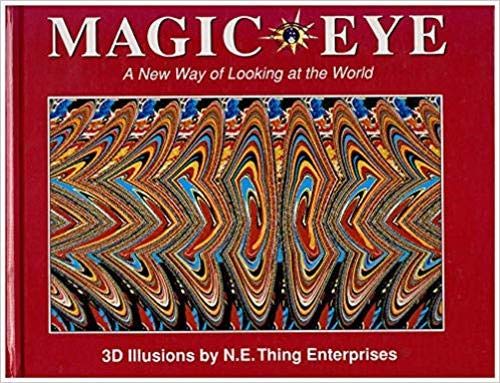
 Bill’s plane story
 Bill talks to you like you’re his buddy and you’re both sitting down having a drink in a bar or something, and therefore there is a lot of swearing as you would expect in that kind of situation. I’m not suggesting you should talk like this, and swear like this. But I think it’s not a bad idea to be able to understand it and to hear some typical swearing from someone like Bill.

 ODD NEWS STORIES