Hello email subscribers and website users! This is not an episode of LEP but keep reading because I have 5 cool things to share with you (below).
In this post you will find 5 episodes of a podcast. It’s not my podcast but I am featured in the episodes.
It’s a 5-part series of interviews between English teacher Zdenek Lukas and me on his podcast, “Zdenek’s English Podcast”, including 2 episodes of language analysis. You’ll hear lots of conversation between us about teaching, learning and behind-the-scenes information about Luke’s English Podcast. Also in the language analysis episodes Zdenek will help you pick up 50 features of English grammar, vocabulary and pronunciation from the interview.
You can listen to and download the episodes below.
Part 1
We discuss our experiences of taking the Cambridge DELTA qualification (it’s seriously challenging!) and then we try to break the commonly-believed stereotype of a native speaker teacher of English being superior to a non-native one.
Part 2
In part 2 we talk about each other’s podcasts and I give some behind the scenes information about some popular episodes of LEP, including some stories about the episodes Sick in Japan, Travelling in Indonesia and California Road Trip. At the end, we also talk about our experiences of teaching English for specific purposes, namely business English and English for engineering.
Part 3
In this part you can hear us talk about what we both like teaching the most in classrooms, some of my favourite teaching techniques, what it was like recording Pink Gorilla Story 1 & 2, and also what episodes I enjoy doing the most on the podcast. Also, you can find out more about the secret of Paul Taylor’s success and what it would take to do a live LEP meet-up with listeners.
Part 4 – Language analysis
Zdenek picks out 25 features of grammar, vocabulary and pronunciation for analysis. He applies his knowledge of linguistic features of English to clarify meaning, highlight usefulness, correct some of his own errors and help you to avoid common mistakes.
Part 5 – Language analysis
Zdenek picks out 25 more features of grammar, vocabulary and pronunciation for analysis and gives them the teacher treatment.
I’m really impressed by what Zdenek is achieving with his English as a second language.
He’s from Czech Republic and he has learned English as a second language in adulthood. He’s now a teacher of English, just like me and he does his own podcast, just like me.
He has a masters degree in English language teaching. He’s got a CELTA and DELTA (pending) in English teaching to adults. He’s really well qualified.
Also, he’s been doing Zdenek’s English Podcast for years and it’s still going. Admittedly he says the podcast is influenced by my podcast, and I’m ok with that. It’s his way of pushing his English and it seems to be working for him.
You’ll hear in our interview that Zdenek has just passed a significant part of his DELTA qualification with a really good grade. That is not easy to do. You need to be a good teacher to get a good result in your DELTA and you really need to know about grammar and linguistics.
So, don’t underestimate Zdenek. He’s achieved a hell of a lot, just like many of you have also achieved a lot in your language learning. Sometimes it’s worth taking a step back and realising how much you’ve achieved.
I was very happy to be interviewed by him and I really hope you listen to the episodes, and in fact check out his other episodes too. A lot of them contain interviews with other interesting people, many of them English people he knows. Other episodes cover Zdenek’s personal journey with English and also you can hear him interacting with his students too.
A video is available for this episode (see below). Here is an episode with some rambling about recent news, LEPster meetups, transcript project team, listener comments & questions, teaching phrasal verbs with ‘in on’ and some music. This episode is also on YouTube. See below for details.
I’m just checking in on you. How are you? I’m videoing this one. You can see it on the page for this episode, or on YouTube. I might do this more often if I can. (more about this later)
Are you growing a beard?
I’m not really doing anything! It’s just coming out of my face.
Someone in one of my classes said to me “Oh you’re wearing a beard!” – we don’t really saying this. You might say “Oh you’ve grown a beard!” or “Oh, you’ve got a beard”.
Here’s an overview of stuff I’m going to talk about in this episode
Some news, some admin, some language tips, some phrasal verbs and probably some rambling!
LEPster get togethers in Moscow and Tokyo
The pros and cons of uploading LEP videos onto YouTube
A quick reminder about The Transcript Collaboration
Playing the podcast at different speeds
Some recent comments from the website and other places
A question about phrasal verbs with ‘in’ and ‘on’
An update about a phrasal verb a day
A song on the guitar
Plus the usual rambling and stuff!
A lot of what I’m reading is written on the page for this episode, so check it out.
Also, if you’re transcribing – don’t forget to check the page for the episode because some content might already be written there and you can copy it into the transcript.
LEPster get togethers
Moscow
Moscow LEPsters – every weekend in cool anticafes where you pay a fixed price and then get as much tea, coffee and cake as you can stuff into your face. Sounds cool.
You can see from the FB pics that these spaces are interesting – one of them has a big lizard in a glass tank (like an aquarium, not a tank for war).
Alex (one of the Moscow LEPsters) sent me a message. It was his birthday and he asked me if I could talk to them for a few minutes. It looked like – or sounded like they were in a Russian sauna or something (!) but they were just crowded around the phone.
Alex said “You look good in the frame” – The phrases in English would be: ‘Photogenic’, ‘the camera loves you’, ‘you look good on camera’
I didn’t tell Alexander to say that thing about italki – but it’s true!
“Mafia” sounds like a fun game. They played the Lying Game the previous week.
Doing YouTube videos
Advantages
There’s a much bigger audience there. As Alexander said, many people don’t know what podcasts are (or how to spell or pronounce “podcast” either). He’s right, it’s still a bit of a niche, which I quite like in a way – if you’re taking the time to find this, get it on your phone and listen to it, it probably means you’re the sort of person who will like it, and YouTube is full of lots of general viewers who might discover my videos without really knowing what it’s all about, and they might not be the sorts of people who want to listen to me – but that’s a bit negative isn’t it. I’m sure there are plenty of people on YouTube who could like what I do, so I should try it more. Lots of YouTubers get high numbers of views. It could be successful for me. I could reach an even bigger audience.
Some people prefer to watch, like visual learners etc. You can see my mouth moving and my body language. We know that the majority of the message we communicate is visual, so it might be good to see the way I move, the expressions on my face and so on.
Disadvantages
Video is much more complex, inconvenient and time-consuming to produce. It takes up much more storage space and processing space on my computer. It slows down my computer a lot. I prefer audio for that reason – it cuts down the time I have to spend on this and allows me to produce more work.
It can actually be a distraction from the language. Ultimately, I want you to focus on the spoken language and not get too distracted by the things you can see.
But when possible I will try to video myself doing podcasts. Like Alex said, it shouldn’t require much extra effort to have the camera running while I’m talking and then upload the video straight onto YouTube, except that I won’t have the option to edit the video – as soon as I start trying to edit a 1hr video, everything takes absolutely ages.
Perhaps I should also do more short videos on YouTube, rather than just the . It’s something I am thinking about certainly.
Another thing I’ve been asked about is whether I’ve considered doing Facebook Live or Instagram Live videos. I keep thinking about doing that and I really should. I’m basically in the habit of doing the audio podcast and it’s working really well for me. BUt from time to time it would be cool to do FB live (I don’t have Instagram) and just hang out with some of my listeners. Some of you will be thinking – but I don’t have FB or Instagram! I’d have to video myself doing it on a separate camera and then upload that to YouTube. You wouldn’t be able to send comments and likes during the video, but you’d at least be able to watch it.
We’re still coming to Tokyo in April – first and foremost it’s a holiday, because I’ve always wanted to show Japan to my wife who has never been, and I haven’t been back since 2005. But I am hoping to do a gig there, perhaps on the evening of Saturday 15th April.
Transcript collaboration
re-establish the rules and the benefits, and answer a few common questions.
How does it work
Rules on the page
Leave messages next to your chunks
Everyone has access to all the scripts, including the ones that are fully transcribed now.
Play the podcast at different speeds!
At 0.5x speed – I sound totally drunk.
Comments on the website
The comment section is alive with conversation these days in a way that’s never happened before. This is largely due to a few listeners like Cat, Nick, Eri, Antonio, Jack and Hiro who have been very chatty there recently – but also because of other listeners who drop in and leave comments – which is lovely to see and it’s adding some lively conversation and extra content under each episode because people are sharing videos, thoughts, pictures and other content.
Phrasal Verb Question
Frank asked me about the expression ‘in on’
Would you do me a favour? Can you sometime explain the usage of the expression “in on”? I don’t know in what cases it’s appropriate and why it is used in that way. The last time I came across with it, was when I watched the first movie of Grey’s Anatomy. The young doctors, who came fresh from the university to the hospital in Seattle to work there, were welcomed by the director with the words: “Each of you comes here today hopeful, wanting in on the game.”
This expression is a little confusing to me. Usually, we use in or on in a sentence. Unfortunately, I can’t remember the other example I have seen it. I hope this makes more sense for you. Thank you for all your effort.
Have a great weekend!
Response
“In on” doesn’t mean anything really. It’s all about how that combines with other parts of the sentence.
At the beginning of this episode I said “I just want to check in on you and see how you’re doing”
Don’t focus on ‘in on’. You need to focus on “check in on you” or “check in on someone”.
So this is not about the meaning of the prepositions ‘in and on’ but the meaning and grammar of verbs, like “Check in on”.
Some people say this is a phrasal verb, or a multi-word verb, or an intransitive prepositional phrasal verb. To be honest we could spend ages trying to categorise this kind of grammar/vocabulary, to get exactly the correct term for these slightly different types of verbs – there are many different names in different books, and I guarantee that if we did spend loads of time defining what a phrasal verb is and what they should be called, it will just give you a headache. Phrasal verbs are notoriously difficult to understand from a grammatical point of view and as a result people don’t really agree on what to call them. Type 1 phrasal verbs, type 2 phrasal verbs, separable phrasal verbs, inseparable phrasal verbs, transitive or intransitive, prepositional verbs, intransitive non-separable idiomatic particalized verb phrases! Let’s just call them bastards, ok.
Because they are bastards, certainly when you first encounter them properly – I mean, they’re difficult and tricky, so they can seem like bastards if you’re learning the language or trying to teach it.
When you first encounter them, they can seem like bastards. Of course, once you get beyond that feeling and you learn a few phrasal verbs and get comfortable using them, they become less like bastards and more like slight bastards and then not bastards at all, and eventually you can call them your friends.
You’re already friends with some of them. E.g. “Take off” “Give up” “Shut up” “Carry on” “Find out” – you probably know all of those and you’ve discovered that they’re not really that bad. They’re pretty cool actually. And you have a sort of deep respect for them after a while, to the point at which you can call them bastards again, but in a good way. Like, “you cool bastard” or “Ah, you’old bastard you! Come here ya bastard! How have you been!?”
Anyway – ‘in on’. Let’s have a look.
The phrase you quoted from Grey’s Anatomy was “Each of you comes here today hopeful, wanting in on the game.” The director of the hospital is giving a speech to the new trainee doctors.
This phrase “To want in on something” means to want to be part of something, to want a piece of something, to want to be involved in something.”
E.g. “I’m putting together a team of people for a bank job. We’ve found out that 100 million dollars in diamonds is being delivered to the city bank next month, and we’re going to take it. We’ve got an inside man at the bank. Everything’s cleared. Security’s been paid off. We need a driver and some muscle to carry the bags and take the money to the safe house. Who wants in? Who wants in on this job?”
Some phrasal verbs have ‘in on’ as part of the phrase.
Copy me in on any correspondence (copy me in) – to be included in the email chain (to be CCd) I want in on this job (to want in) – to want to be included in the job. Are you in on the joke? (to be in on a joke) – to be included in the joke. It took me ages to catch on to what he was talking about. (to catch on) I’m just checking in on you. (to check in on someone) – suggests visiting a person to check how they are doing – also used for phone calls. Imagine popping into someone’s office and saying “How are you guys doing? I just thought I’d check in on you, see if you need anything.”
Mainly these are intransitive phrasal verbs with a dependent preposition.
Now, verbs in English aren’t always one word. Sometimes they’re two or even three words. We have a lot of verb phrases, also called phrasal verbs.
Just like normal verbs, some phrasal verbs are intransitive.
Intransitive means the verb doesn’t need an object.
Comment – would you like to comment?
Participate – I’ll participate.
Object – He strongly objected.
Complain – She didn’t like it. She complained.
But if you add an object you have to use a preposition.
Comment – would you like to comment? Would you like to comment on the game?
Participate – I’ll participate. I’ll participate in the workshop.
Object – She strongly objected. She strongly objected to the decision.
Complain – She didn’t like it. She complained. She complained about the changes.
This works with some phrasal verbs too.
E.g.
Copy in.
Catch on.
Drop in.
Talk back.
When you add an object, you need another preposition.
Could you copy me in on the email.
Did you catch on to the secret plan.
Shall we drop in on Jeff in his new flat?
What do I have to do to keep ahead of the competition?
The teachers hate it when Dave talks back to them.
So, in the end, I would suggest that you try to learn this kind of language as a chunk of vocabulary and choose not to be too distracted by the vocabulary.
So, try to notice all the phrasal verbs in this paragraph.
“I’m just checking in on you. Just thought I’d drop in on you, just to see how you’re getting on with the project. I’m really glad to see you working hard on this one. It’s exactly the sort of thing we need to do in order to keep ahead of the competition. Make sure you keep copying me in on all the email correspondence with the clients and suppliers so that I can keep up to date with all the work that you’re doing, while I sit in my office smoking a cigar and watching the cricket, ok?”
You’ll see that written on the page for this episode. Try to learn them and add them to your active vocabulary.
I haven’t done one of those episodes for months. The reason is that it’s hard to get back into the habit, and because there isn’t enough incentive for me to keep doing them.
Hi I’ve started listening to your phrasal verb podcast. I found that It is the perfect content to study by myself since I can use phrasal verbs in my real life right after listening to it. I can rather easily find written version of phrasal verb list but actually listening to your explanation is better for me to understand and memorize it.
Though It’s a shame that you couldn’t reach your goal, which is making 365 list of it. but I also understand It will be very hard for you to carry on this without any sponsorship. I actually think this content is worth to pay, you might want to publish it through another platform.
Thank you again^^
DY from Korea.
Even though episodes are short, it does take quite a lot of time – I have to create lots of pages on my site, manage transcripts for each one, and it’s taking time and I have to wonder what’s in it for me?
Talking to Billy from Korea about his videos about regional British dialects and accents.
[DOWNLOAD]
Today on the podcast I’m very glad to be talking to the one and only Korean Billy.
You might already know about Korean Billy because he has recently made a name for himself on YouTube by producing videos about British English dialects showing and explaining specific words, phrases and accents you might hear in different parts of the UK, and they’re proving to be very popular, especially with people in Britain. I think the appeal of his videos is that although Billy is from another country, he’s really managed to identify a lot of the specific dialect words and pronunciation of these forms of British English that even some Brits aren’t that familiar with. Also, he just seems like a really nice guy who is not only enthusiastic about understanding different local dialects of British English but also helping other people to understand them too.
Billy used to live as a student in England. In fact he studied at university in Preston in the north of England for a few months where he met people from many parts of the country and then he started making YouTube videos about British dialects last year.
In the last few months his videos have gone viral, particularly in Britain, and he’s been featured on websites like BuzzFeed as well as on various radio and television programmes in England including several BBC programmes. He’s most famous in the UK for his videos on Scouse, Geordie, Mancunian and “Roadman” dialects. The Scouse dialect is from Liverpool, the Geordie dialect is from Newcastle, the Mancunian dialect is from Manchester and “Roadman” is a kind of dialect associated with groups of young people in London. Since recording this conversation Billy has uploaded videos about Hull dialect words and Birmingham dialect words. He’s also got some videos which feature some good clear advice for other people learning English as a foreign language, based on his own learning experiences.
I’m interviewing him on the podcast because I think he’s a really clever guy who has learned English to a good standard and he knows a lot about British accents and dialects. I want to know more about how he has done that, and I just love regional accents so I think it could just be a lot of fun to talk to Billy about this whole subject.
Let’s now talk to Korean Billy.
* * *
If you want to hear Billy doing those British regional dialects and learn about them yourself, then check out Billy’s YouTube videos. Click here for Billy’s YouTube channel
What do you think?
As a Brit, I’m interested in Billy’s work, but I wonder what you think, because you’re approaching this subject from a different point of view, as foreigners who don’t have English as a first language (most of you) and who might not be so familiar with these specific versions of British English.
How do you feel about this? What I hope is that you feel inspired by Billy, and you feel like he’s a good example of an English language learner, and that he shows that if you’re enthusiastic and outgoing about learning English and if you apply yourself to your learning that you can make heaps of progress. I also hope that although you might not want to speak with a Scouse accent or a Geordie accent, that you’re still curious about these different varieties of British English. I think that knowing the different versions of the language helps you to develop a fully rounded and solid English, and that involves not only listening to different accents but also trying to copy those accents. It’s all good for raising your awareness of features of pronunciation and improving the range of your English in general.
Jimmy Carr explains how to do some British accents, including Scouse “I want some chicken and a can of coke” (Billy mentioned this in our converstion)
Also mentioned
Misfits (TV show) – Features lots of different UK accents and some *explicit content*
https://www.youtube.com/watch?v=bow2df3rOls
Attack the Block (Film) – South London youth dialect
What have you been thinking while listening to this episode?
Whoever you are, wherever you are – let us know your thoughts in the comment section.
Thanks to Korean Billy for taking part in this episode.
POST-RAMBLE
Some more thoughts, from me to you, at the end of this episode…
I just want to mention a few other things that might make you think a little bit.
LEPster Get-Togethers
I recently got this message from Nick Wooster, one of the guys who has been organising Get Togethers with other LEPsters in Moscow. This is basically his report about the get togethers.
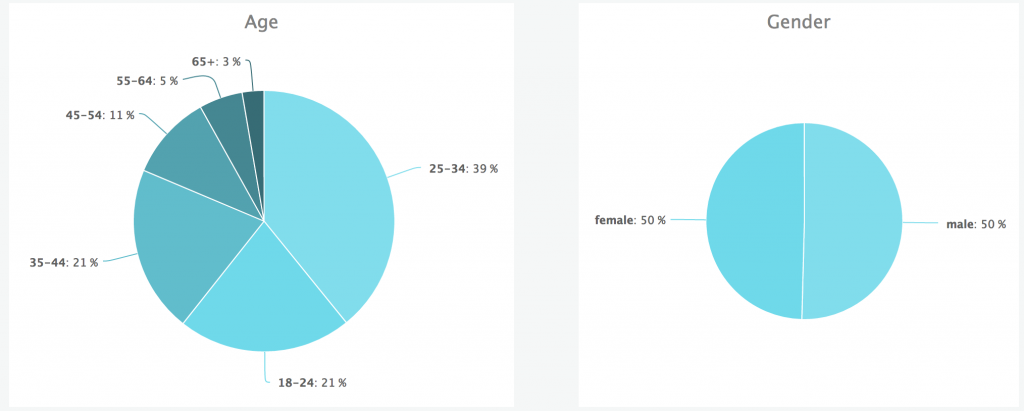
Thanks for your interest in our meetings, Luke! It’s really important and pleasant for us! Almost like a virtual participation :) Actually, on average 10 people “get together” in our meetings! And it’s nice to know that there are already some regular LEPsters who come almost every time! BTW, are there really 50/50 males and females among your listeners?! According to our modest stats we have 80 males to 20% females here in Moscow:) Probably the fact that you are already married somehow influences, doesn’t it?
Activities. At the very beginning newcomers tell the rest of the group about themselves and how they happened to start listening to you:) After that we shift to the main topic mentioned in the agenda – each one shares his/her opinion and the others ask several questions or give comments if they have some. Usually the discussion is quite lively and not a mess. I mean, we do without loud interruption or arguing, while the talk is quite interactive itself, which is surprisingly good for people from diverse backgrounds who hardly know each other! We also share our own life stories connected with the topics. Next time we are going to play a lying game (to guess if smb.’s story is true or false) at the very beginning – it should be fun and also a good chance to work on our speaking skills. Also, Luke, if you have some ideas, pieces of advice, maybe just interesting and effective games or whatever we would be grateful to you for sharing best practices:) with us!
We also publish on FB and VK the links to useful resources discussed at the get-togethers.
Most of the participants have known about these meetings due to your announcement of the first one. That’s why we were thinking if we could ask you to announce that our Get-Togethers are already regular! Currently we meet every Sunday at 6 pm. The best way to be informed of agenda, place and time is to join our groups on FB https://m.facebook.com/groups/734996946664425?ref=bookmarks and VK http://www.vk.com/clubnu1
Previously as far as I remember we and you posted links for a particular event, if LEPsters join the group, they will be always aware of all the events. Everybody is welcome!
All in all, current Moscow LEPsters are really glad that we have such a club now and can share their thoughts on topics you have raised in your episodes and generally just speak English with like-minded people! Thank you, Luke, for such an opportunity;)
Nick.
P.S. Regards from my friend Dmitry who also contacted you!
Hello Nick, hello Dmitry and hello to all the other listeners who have got together recently in a conversation club. It’s odd, normally I imagine my listeners as individuals on their own, but I suppose there are some people out there who listen as a shared experience with other people, not necessarily at the same time, but there are other people you know who also listen – so I just want to say a special hello to listeners who listen with other people – like, if you listen with a brother or sister “Hello”, if you listen with your husband, wife, boyfriend of girlfriend “hello”, if you listen with your kids or parents, “hello” and if you listen with your teacher or some classmates or something, then “hello” to you too. If you listen with a pet animal or even a wild animal “hello”, and if you listen with friends or indeed any other living beings, then “hello” to you – the communal LEPsters out there.
My thoughts on LEP Get Togethers
I want to encourage this sort of thing in general. Meeting publicly, or meeting online. Let’s be clear about it – what you’re doing is creating your own peer group for improving your English, and that’s a really important part of your English learning.
The more I speak to people who have learned English to a proficient level, the more I notice that one of the habits or features of their learning was the fact that they spent regular time with a group of friends who talked in English. For example, there’s Kristina from Russia – a good example, but also Korean Billy and plenty of other people. Another thing worth noticing about this is that you don’t necessarily have to be hanging around with native speakers. Just spending meaningful and enjoyable time in the company of others and doing it in English, building friendly relationships and all that – it’s all very good for your English, even if you’re not mixing with native speakers. If you’re getting exposure to English in your life, having a peer group to interact with is going to allow you to develop your communication skills as a natural social process. So I fully agree with the idea of these get togethers and I think it’s great!
Also, the more my listeners get together in local communities like this, the easier it might be for me to come and visit at some point and put on a show or have a live podcast recording or something. So, carry on everyone, you’re doing it right!
Several Get Togethers have also happened between LEPsters in Tokyo and in London if I remember correctly. So it’s not just the Moscow LEPsters. And you could do it too in your town. Just set up an FB page and let me know, I’ll give you some publicity if I can.
What to talk about or do?
Playing a game or having a topic – good ideas, definitely. I recommend using all your creativity, playing the lying game for fun or any other parlour games like the name game for example. Also, consider playing different board games in English too. As long as you’re having a relaxing and pleasant time and you’re exchanging information in English, it’s good.
One idea is simply to agree on your topic beforehand and simply write down a load of discussion questions relating to that topic. Then you can fall back on those questions if you need to. You can just let the conversation go wherever it feels like going, but go back to the questions if you want.
Be interested in what the others are saying. Really interesting people are interested in others. It’s important to create an atmosphere in which people listen to each other – this is really important because it makes people feel valued, and when you really listen to what people are trying to say and you show your interest in those people, it’s like giving water to a plant – it just helps it grow. Imagine you’re in a social situation. If you feel like people are interested and listening, you’ll feel far more comfortable and ready to talk. So, listen to each other and remember that everyone’s got a story to tell, you just need to be ready to notice it. So, your get-togethers are not just speaking sessions, they’re listening sessions too.
It might be worth assigning a leader to each session who is generally in charge of things, but also each participant should take the initiative to ask questions and start conversations and things, but of course it shouldn’t feel like a role or a job, just let it happen naturally.
Just have fun and keep me informed about how it’s all going!
I encourage other people to set up their own conversation groups. I’m calling them “Get-Togethers” – what do you think of that? Do you think the name works? You could call them Meetups, or Gatherings or Meetings or whatever you like really.
I just want to remind you that this sort of thing used to happen every week online on Skype in the ChatCast which was setup by Guillaume from Switzerland. It was basically a Skype group that recorded their group conversations and also published it as a podcast. I appeared on it a few times. They picked a different topic each week and just discussed it in a friendly and open way. The ChatCast is having a break at the moment but you can hear some of the episodes in the ChatCast archive at http://chatcast.ch/
There was also an LEP Whatsapp group and an LEP Skype group that used to share contact details in my website forum. I have closed the forum now because I streamlined my website recently, but I don’t know if the WhatsApp group and Skype groups are still running. So, if you are still chatting to other LEPsters as part of a conversation group on Whatsapp or Skype, please let me know because I can find a way for you to continue to share your contact details with each other on my website. I still have an archive of the Forum posts about the skype and whatsapp groups by the way.
There are lots of LEP related projects going on and I think it’s cool.
The comment section, with lots of friendly chatting about episodes, the topics of episodes and other tangents.
The LEP Get Togethers.
The Transcript Collaboration – run by The Orion Team – an awesome band of podcast listeners who work together to transcribe episodes of this podcast and proofread each others’ work.
Podcasts done by listeners to this podcast (although I can’t claim credit for all of them of course) but still, it’s great that they’re doing it. Notable ones of the moment are Zdenek’s English Podcast and Daniel Goodson’s My Fluent Podcast. There was also Chriss’ English Podcast and Guillaume’s Engilsh Podcast as well as the Chatcast and I’m sure I’m forgetting someone else.
Podcasting is brilliant anyway and of course I recommend that you try it, experiment with it and have fun. And of course Korean Billy could be an inspiration to you. You could consider sharing your learning experiences on your own YouTube channel. You might catch people’s attention, and who knows what cool things could happen to you. At the very least you’ll practise your English a lot.
All right, thanks for listening. This podcasting thing is pretty amazing isn’t it? Yes it is. OK good, I’m glad you agree. I’ll speak to you soon. Bye!
Here is an overview of how 2016 was for Luke’s English Podcast including some details about the top 5 episodes, the top 20 countries, and more statistics for the last 12 months.
[DOWNLOAD]
Plenty of people said that 2016 was a pretty crap year, mainly because of what happened in politics but also because of the number of well-loved celebrities that we lost. But it was a pretty good year for LEP.
In fact 2016 was the best year ever for this podcast.
It got nominated for a BC Elton award, and I’ve had more listens this year than in previous years. In fact the figures have been going up steadily since I started the podcast. For some reason the downloads shot up in September and continued to climb, reaching a peak in December.
Here are some stats for you
Top Countries in 2016
China
Russia
Japan
United Kingdom
Spain
South Korea
Poland
Germany
Ukraine
United States
Italy
Brazil
Australia
France
Turkey
Vietnam
Taiwan
Czech Republic
Thailand
Canada
Thanks for listening!
Why do you think episodes 396, 398, 337, 409 and 392 are the most popular of 2016?
The final results of the LEP Anecdote Competition, some podcast admin and responses to some comments & emails from listeners including a war story, some grammar & punctuation (noun phrases, possessives & apostrophes) and a question about my Dad’s accent.
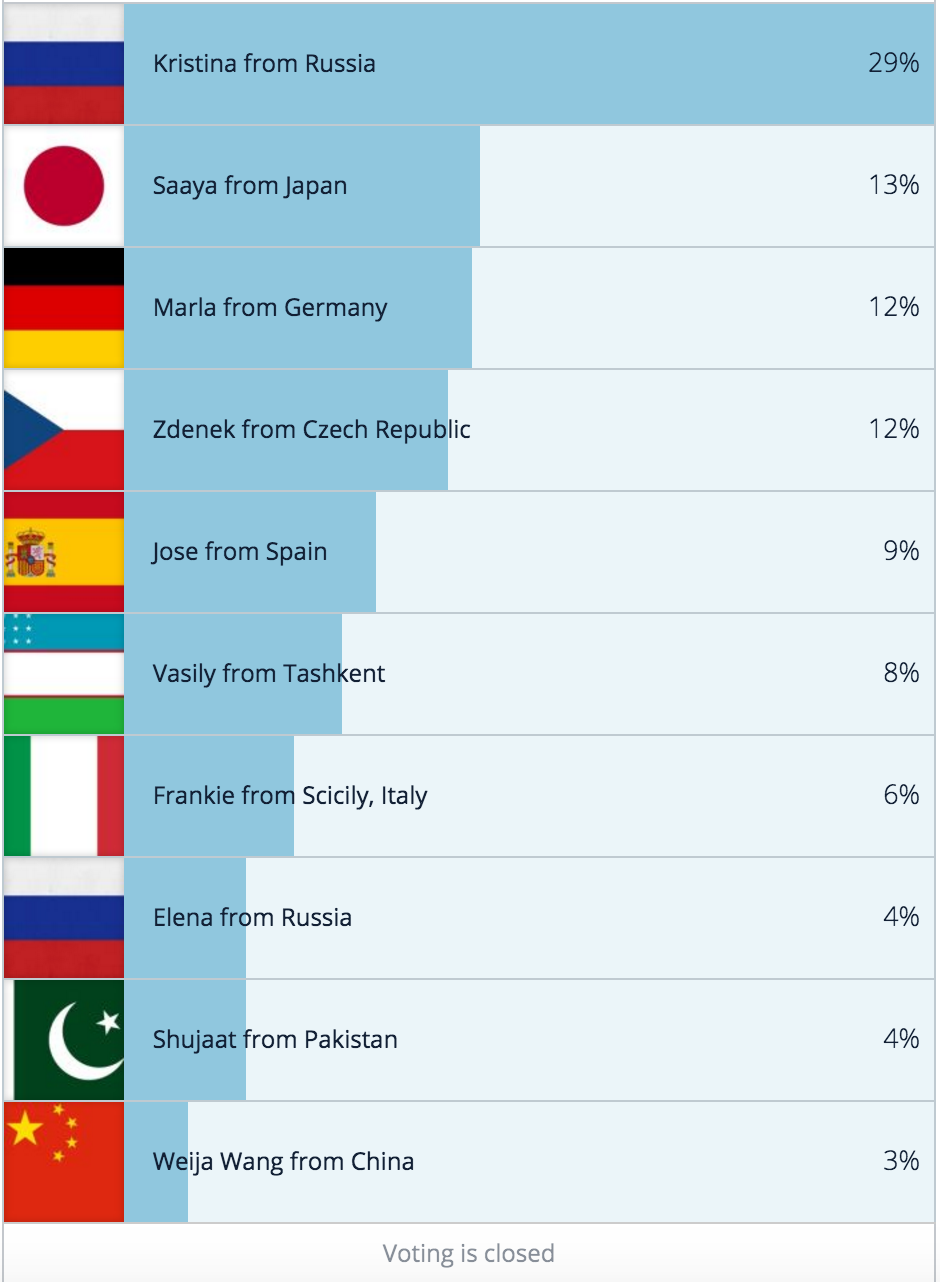
The voting closed at midnight last night. So, here are the results in reverse order.
10th position: Weija Wang from China (talked about how his female friend embarrassed him by admitting that she had fallen in love with him, but he suspects it might have been a practical joke)
9th position: Shujaat from Pakistan (told us the story of how he narrowly avoided a terrorist attack near his college)
8th position: Elena from Russia (told us the nightmare story of how she went on a wild goose chase to find the daughter of one of her friends, who appeared to go missing one Saturday evening)
7th position: Frankie from Sicily, Italy (talked about how he narrowly escaped death in a walk around a lake that turned into the day trip from hell)
6th position: Vasily from Tashkent (told the sweet story of how he met his wife, accompanied by the lovely sound of the accordion – this story was a cult hit in the comment section, prompting lots of speculation about Vasily’s virtuoso accordion playing skills)
5th position: Jose from Spain (told a creepy story about a suspicious character he used to know)
4th position: Zdenek from Czech Republic (told an amusing anecdote about a lesson learned on the London Underground about how to say “please” to strangers)
3rd position: Marla from Germany (in her lovely voice told us about how she found herself on the set of the brilliant BBC TV series “Sherlock”, and met one of the main cast members)
2nd position: Saaya from Japan (Told us a story involving a pyjama-based family coincidence which proved to her that she’s truly is a chip off the old block)
1st position! DRUM ROLL! … Kristina from Russia! (who told us about her nerve-wracking experience of doing a completely unprepared live simultaneous translation for a famous film director, on stage in front of a large audience of people)
CONGRATULATIONS KRISTINA!
Also, congratulations to everyone who took part. It was really great to listen to your stories.
You can still hear the anecdotes, by visiting the page for episode 387 (all anecdotes).
I hope you join me in congratulating the winner and the runners up.
Adverts at the beginning of episodes
You might have heard some adverts being played at the beginning of episodes. For example, you play an episode on your podcasting app or on the website and before the episode begins you hear about 20-30 seconds of advertising. I’m not talking about the bit where I mention my sponsor for the podcast, but another ad – not featuring my voice. The ads are region specific. For example, here in France I hear adverts for Mini (coincidentally enough, voiced by my mate Tom Morton from episode 344). Some of you won’t be hearing these ads, but many of you will, and you might be wondering what they are. Let me explain. They’re not added by me. They’re added by Audioboom and I’m hoping that they’ll be a temporary thing. Audioboom, my audio host, are now inserting ads into podcast content which is hosted by them. I’m one of many podcasts which are hosted by Audioboom. They don’t just do podcasts. They do audio hosting service for lots of other purposes – e.g. for news websites that want to embed audio clips onto their websites, or journalists who want to publish pieces of audio. They’ve recently started featuring adverts on audio content in order to monetise their service. I’m in discussion with them about this. Personally, I don’t really want the ads. I have my own sponsors – italki & Audible and some others that I’m talking to. They’re working pretty well because I like their services, we have a good relationship and they’re services that reflect the aims of my podcast. I don’t really want other ads in addition to those. Some sponsorship is definitely necessary in order to keep this podcast free, and I want it to stay free. But too much advertising is definitely not a good thing. I want to make sure your listening experience is enjoyable, as much as possible. I personally find it annoying and a bit jarring to hear certain types of advertising at the beginning of episodes.
So, I’m in talks with Audioboom about how we can enter a new agreement in which those ads are not featured on my content. That new arrangement is now pending, meaning that we’re in the middle of sorting it out. I’m waiting for Audioboom to get back to me with some other options. Hopefully we’ll find a solution which is satisfying, or I might move to a new podcast host, which would be pretty inconvenient for me, but in the long run might be better for the podcast.
In the meantime, you might hear some ads inserted at the beginning and the end of my episodes, but I expect it won’t be a long-term thing. They’ll just be there until Audioboom and I have figured out a way to either remove them, or improve them to the point that I’m happy to keep them.
You might think – “you could earn money from them Luke, to help monetise your podcast”. Yes, that’s a good point, but as I said, I already have sponsors which I feel are working for me well enough, and allow me to cover costs like website services and just the time I devote to the preparation, recording and production of the podcast. The main thing for me at this stage is that the listening experience is good for you.
I need to balance all these things: the monetary support I might get from advertising or sponsorship, your experience of listening to my episodes, the workload that I have and the time I have to devote to the project.
So, in brief – if you’ve heard slightly intrusive sounding advertising at the beginning of episodes – I am aware of it, I didn’t insert those adverts myself and I expect it will only be a temporary thing until Audioboom and I have reached some kind of agreement.
A family story from WW1 – A Turkish POW in Russia
This is Deniz’s comment after my episodes about D-Day and in relation to the episode I did about my Grandfather, who died at the beginning of 2015.
In episode 183/184 I went to the D-Day commemoration to remember what happened in Normandy in 1944. My Grandfather was an officer in charge of a group of men on that day. I asked listeners to share any stories they had about family members who got caught up in WW2.
Deniz’s comment
Hey Luke, This was an intense episode, wasn’t it? I can understand what you feel about your grandpa. I listened this episode recently, and came here to check if any commentator mentions anything about World War 1 or 2, which is related with their family. As a reminder: you asked for it in the podcast. As you probably know Turkey kept its neutral status during WW2. So as a Turkish person, my family do not have any WW2 memories (except how hard those state of emergency years were) on the other hand WW1 was a really intense chain of events in Turkish history, since so many Turkish people were killed during the battles and even infants had to fight for the very reason after a while it had became “defending the mainland” for Turks. So here is the memory from the father of my grandfather (my grandfather): The Caucasus Campaign had been a real disaster for the Turks, since fighting with the Russians during winter conditions is always a bad idea and “the sick man of Europe” Ottoman army lacked equipment for such a formidable campaign. In a nutshell, so many Turks died because of the winter conditions and the situation became a piece of cake for the Tsardom of Russia. The father of my grandfather (my great-grandfather) was really lucky to stay alive and became a POW after the Russians surrounded them. As a POW he had to do whatever the Russians decided for him and in the end he was sold to an aristocratic Russian family and became a stableman for them. After a while that Russian family let him marry since they thought there was no turning back for him anymore. So he married a low-class serf woman, and they even had two babies! But then… the Tsardom of Russia also collapsed and the October Revolution stormed through all of Russia. This incident had serious effects on aristocratic families, which is not a surprise. So during all that mess, my great-grandpa managed to escape by boat and came back to Turkey again… Of course he had to leave his Russian wife and those 2 children there, because he had no any other choice. After he came to Turkey, he fought in the Turkish War of Independence and after that finally married a Turkish woman, which led to me, in the long run. So Luke, isn’t it weird? There are some people in Russia, who are my distant relatives in a way, and there is almost no way for us to find each other. I just wanted to share that story here, since I know many Russians listen your podcast and who knows… It’s a small world with weird coincidences. :) Thank you for all the podcasts!
Does that story sound familiar? If it does – get in touch!
Grammar: Nouns adjuncts, noun phrases, possessive ‘S’ and apostrophes – A question about the title of “An 80-Minute Ramble”
Yaron’s question about the title of episode 397 “An 80-minute ramble” Hi Luke, It’s been a while… good to have you back… I haven’t listened to this episode yet (I probably will in the evening) Anyhow…I have a small question: Should it be “An 80 minute Ramble” or “An 80 minutes Ramble”? I find that all the subjects with the “S” at the end of the word in English to be very confusing (You need to add “S”, with ‘ sign before/after the “S”, etc…. ) I would really appreciate ii if you could clarify it. Thanks, Yaron
My reply
Hi Yaron,
It’s ‘an 80 minute ramble’ not ‘an 80 minuteS ramble’.
As you know, plural nouns (unless irregular) do take an ‘S’ – e.g. “I’m going to talk for about 80 minutes” but not in the case of ‘an 80 minute ramble’ because ’80 minute’ here is like an adjective for the word ‘ramble’ and adjectives in English aren’t pluralised.
What kind of ramble? An 80-minute ramble. ’80 minute’ is performing the function of an adjective.
More information https://en.wikipedia.org/wiki/Noun_adjunct
That’s the theory, but it’s a bit abstract isn’t it? It might be easier to learn this when you consider all the common examples of this kind of structure, e.g.
a 5 star hotel
a 10 pound note
a 4 year old girl
a 5 minute walk
a 10 dollar fine
a 10,000 pound reward
a 9 hour flight
a 4 hour drive
10-year cave-aged cheddar cheese
‘S
This is either: ‘is’, ‘has’, possessive
Check this page from Oxford Dictionaries Online for all the details about how to use ‘S
Sebastian Hi Luke, I hope you’re all right. I’ve got a question: Where’s your Dad’s accent from or what kind is it? Is it posh? Thanks.
The ‘short’ answer:
My Dad speaks standard British RP (Received Pronunciation), also known as BBC English. This type of accent is generally associated with middle and upper-middle class people, probably university educated, from England, particularly the South East of England, but possibly from any other part of the UK too.
I think, by the standards of most Brits his accent is slightly posh because there aren’t many regional inflections in his voice, but I don’t think he is properly posh, like someone who went to Eton school for example.
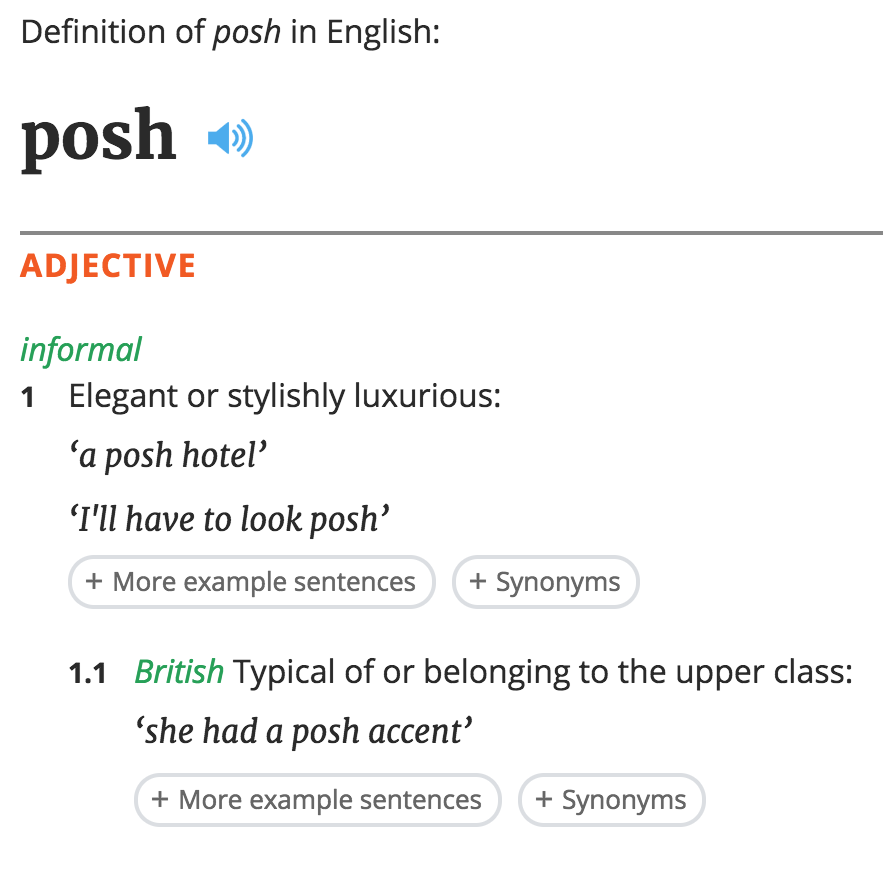
What does ‘posh’ mean? (screenshot from Oxford Dictionaries Online – click it for more details)
You could say there are slight regional variations of RP (e.g. in Scotland, the north of England or Wales) But it’s not a truly posh accent, like the way the royal family speaks, or David Cameron speaks, for example.
I reckon you could break it down like this (and this is making it really simple)
Regional dialects (strong accents, particular words and phrases used – all specific to certain areas)
Regional accents (strong accents specific to certain areas)
Standard RP with slight regional variations (e.g. the way some vowel sounds are produced)
Standard RP from the South East of England
Heightened RP (like David Cameron)
Very heightened RP (like The Queen)
Depending on your social background, you’ll consider some accents to be more posh than others. Generally, if the accent is associated with a higher social class (based on the old model) than yours, you’ll say it’s posh.
Posh can be either positive or negative. It depends on your view of the situation.
I guess by a lot of people’s standards, my Dad sounds quite posh. For me he isn’t that posh. He’s just really neutral and clear. I think a truly ‘posh’ accent has different qualities to it.
To do justice to this subject I’ll need to do full episodes on the way different people speak.
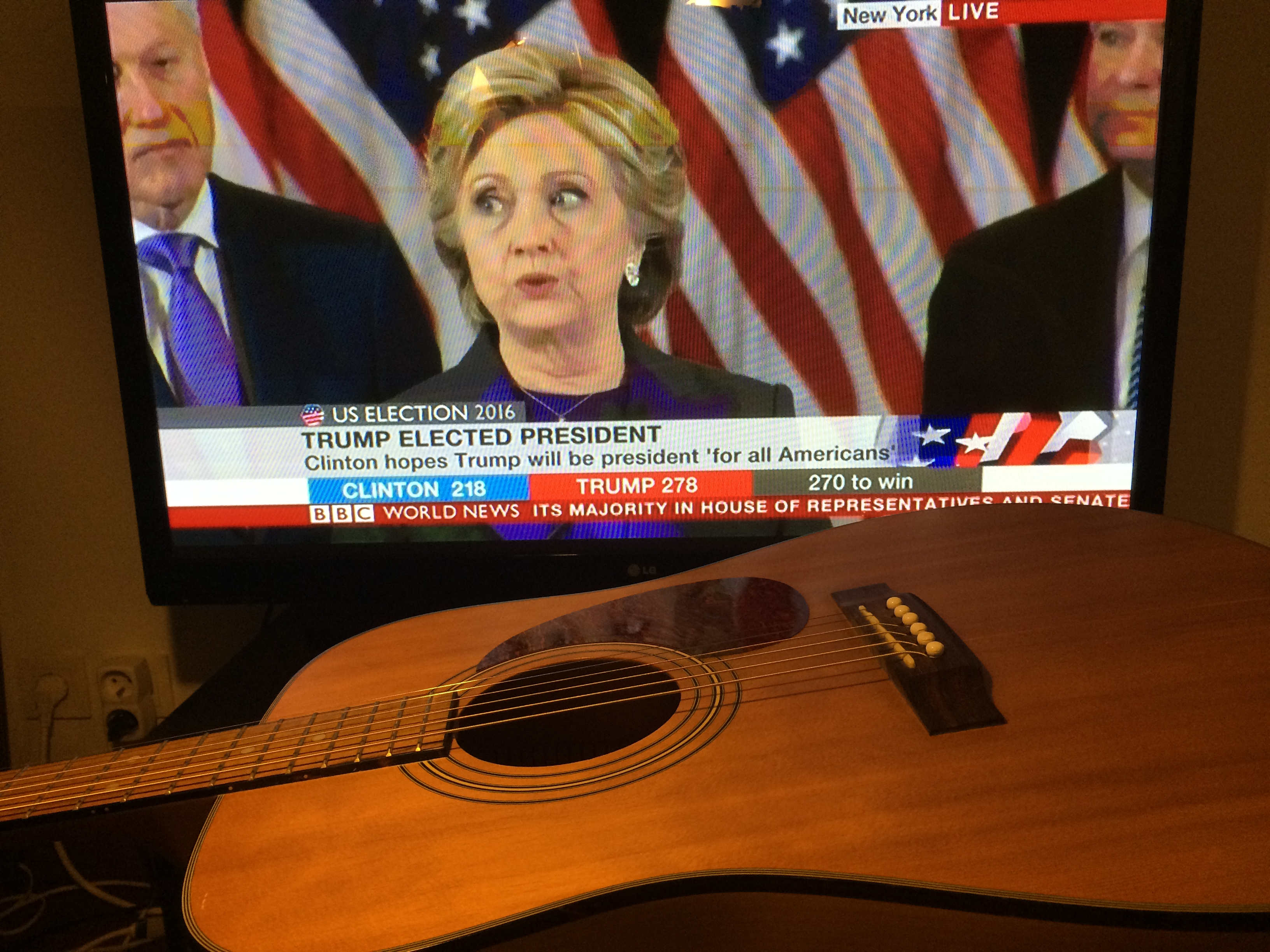
In this episode I want to talk about two things: My first impressions of the US Presidential election result, and then some things I said in the last episode of this podcast. I just want to clear up some comments I made last time. I just want to get straight into it. So here we go.
Oh my god, can you believe it? You’d better believe it because it’s true. More on that in a minute.
I just want to record this episode and get it out there to you quickly without spending time on pre-production and all that stuff so it might be a bit rambly and a bit sketchy.
The main reason I’m recording this is that I have a couple of things I want to get off my chest in response to the previous episode of this podcast. Just some things on my mind that I want to communicate to you, and that’s the main reason I’m recording this quickly now on Tuesday 9 November.
But also, of course the big news of the day is the US presidential election – and that’s what’s going on, certainly in my world – probably in your world too – it’s all about the election because the result came in just a few hours ago that Trump has been elected president.
Let me say that again – Donald Trump is the 45th President of the USA.
So, I have got to talk about that a bit at the top of the episode here.
I hope you don’t press stop ❤️
Please do stick around for the whole episode. I do hope you listen to it all because I have some sincere things to say to you. Yes, don’t press stop! Please do listen! Please feel completely welcome at all times while listening to this! I hope you don’t press stop! In the last episode I know that I said some dismissive and glib things like “you can stop listening if you don’t like it” – sorry, I hope you didn’t feel that was dismissive and unfriendly sounding. I was just feeling a bit… ‘hangry’ or frustrated. Of course I always want you to listen and I am extremely happy when people do listen. I’ll talk more about that stuff later. I’ve got some things to say to you my audience – so I hope you do stick around for that.
But first – Donald Trump
Yes, the joke going round is that the UK is no longer the most stupid nation on earth. After Brexit we had the title for about 5 months and now it’s gone back to the USA, back to normal. Back to that good old feeling that we had when they elected George Bush twice in a row. Ah… That is the joke that people are making…
Except this time it seems worse somehow – at least it seems more shocking, I don’t know – what do you think? Are you shocked, glad? A lot of feelings will be flying around today I expect, especially if you care about this subject at all.
That Brexit feeling is back again.
It’s a strange feeling.
A huge event has happened. It’s a historic moment.
What a year it has been.
I’ve tried to capture how it feels.
How did Trump win?
An interesting article from TheWeek.co.uk: http://www.theweek.co.uk/theweekday/story/78497
Talking spontaneously about gloves, mittens, OO7, Bob Dylan, an LEP app, The Walking Dead, Oasis, Black Mirror, The Crown, a bit of politics and some 10-year cave-aged cheddar cheese.
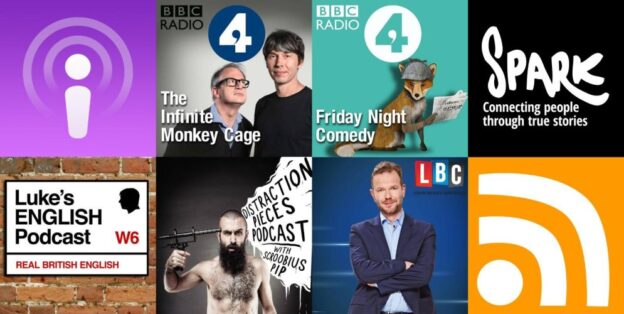
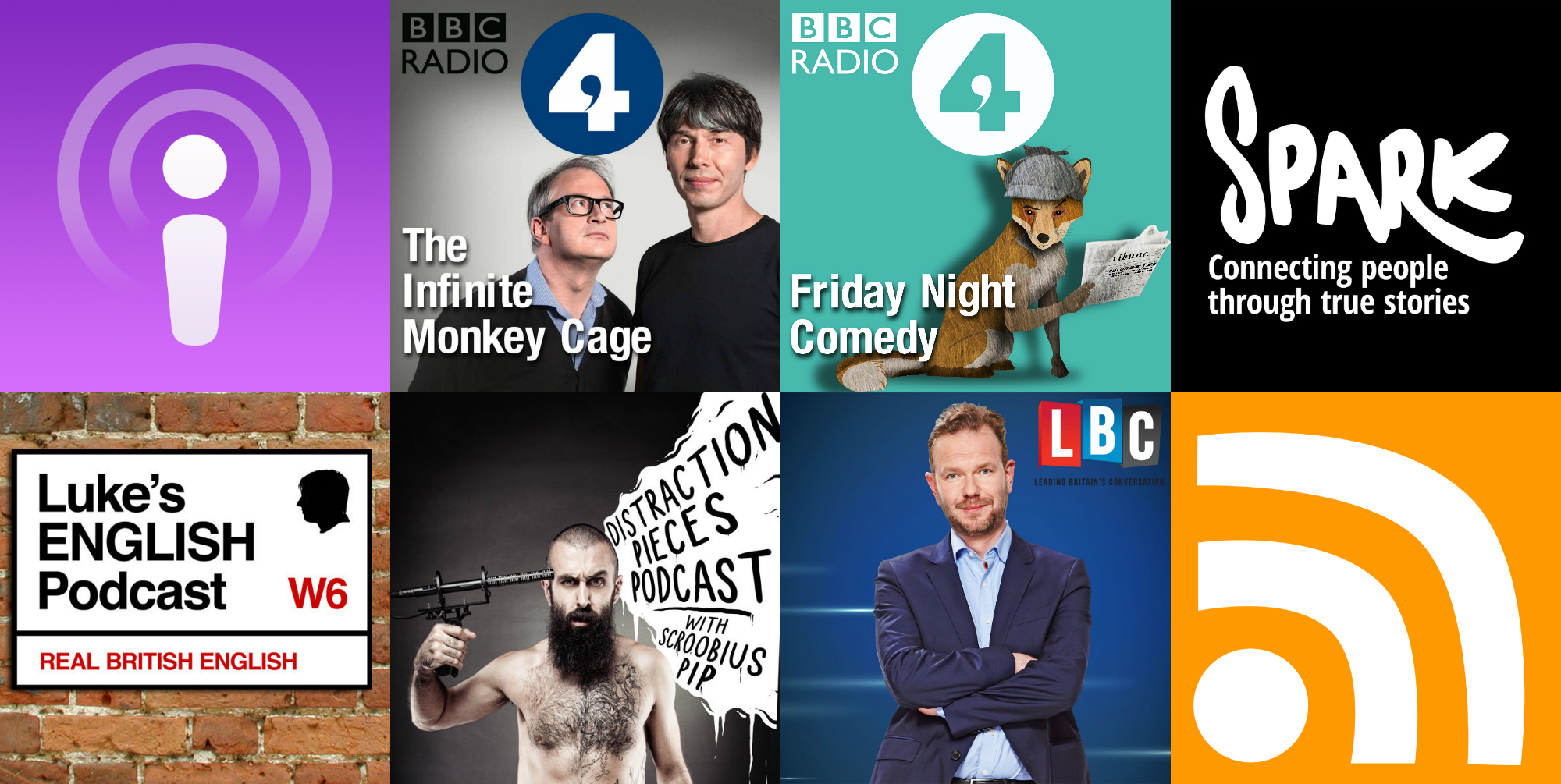
This is part two of a two-part episode about my favourite podcasts. I thought I’d share them because you might like to listen to them too, even if they’re difficult to understand because they’re not specifically for learners of English. It’s good to challenge yourself sometimes, so why not try listening to these. If I like them, you might like them too.
http://www.bbc.co.uk/programmes/p02pc9pj/episodes/downloads
BBC’s flagship radio comedy show. It’s a compilation of comedy shows from the week. The Now Show and Dead Ringers are the best.
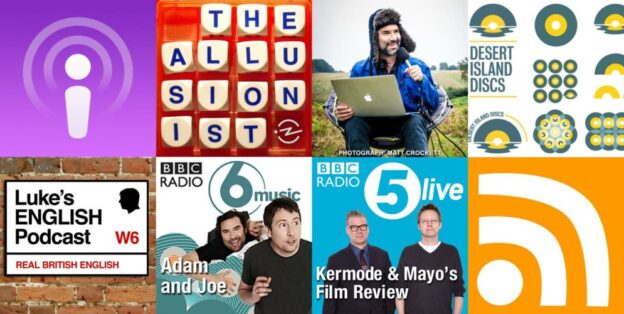
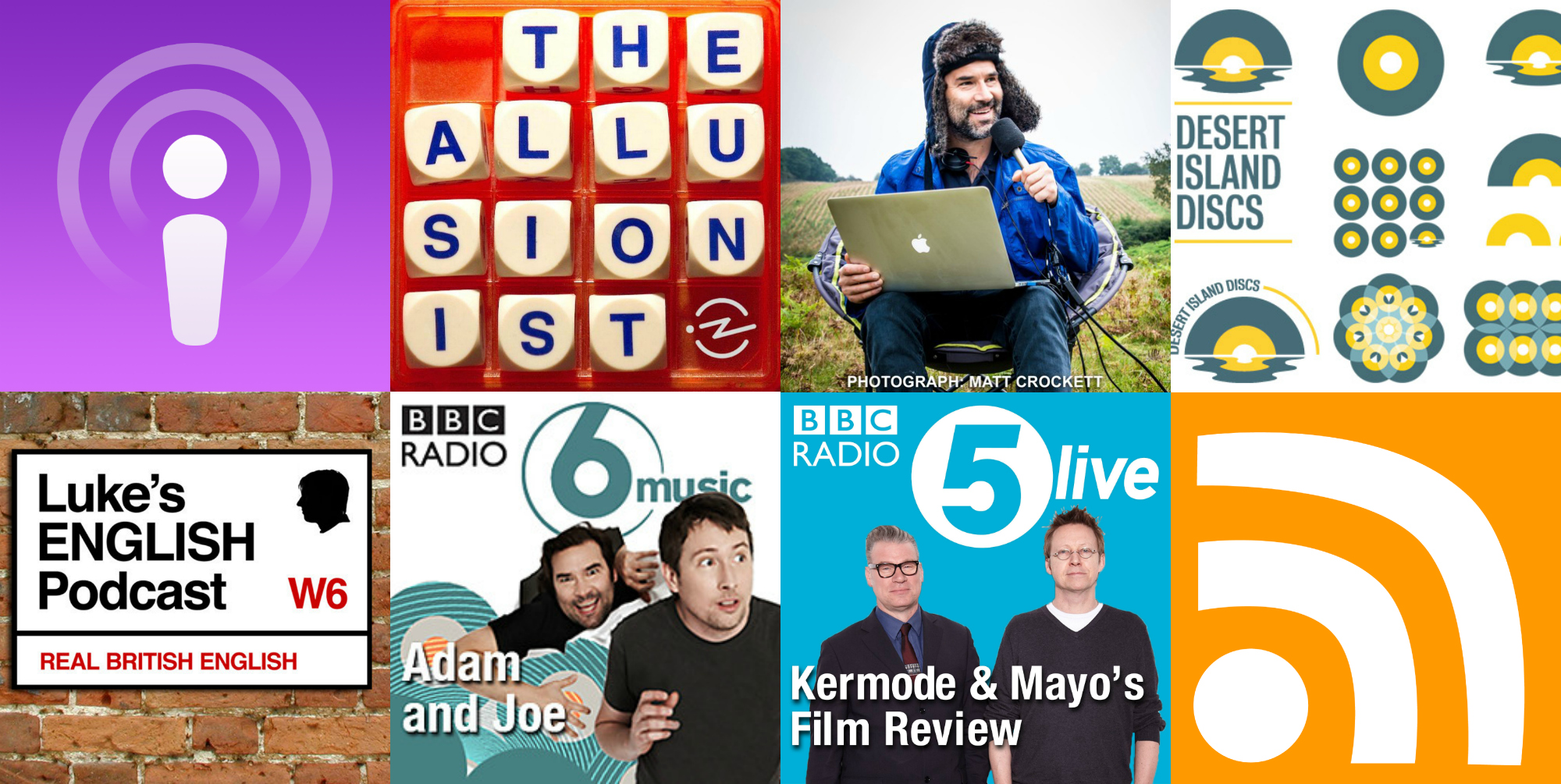
In this episode I’m going to recommend some other people’s podcasts. I have done this before – twice in fact. I did two episodes called OPP (Parts 1 & 2) Last time, in episodes 236 and 237 I recommended some of my favourite podcasts that I like to listen to when I’m out and about with my headphones on. I recommended a mix of British and American podcasts. In this episode I’m going to tell you about some more but we’re focusing only on British podcasts this time – ones that are produced in the UK and on which you can listen to British voices.
Perhaps I shouldn’t be doing this, because like a jealous boyfriend I don’t want you looking at anyone or spending any time with anyone other than me! But then again my desire to share my favourite podcasts is just too great, and I can’t help letting you know which podcasts have been filling my iPhone in recent months. I love listening to podcasts. I genuinely think the podcast as an invention is one of the greatest things in the universe. It’s amazing that we can get all this really interesting audio, completely free and it’s conveniently stored in your pocket and available whenever you want it. It’s different to video because you can listen to it while you’re doing other things, especially travelling around or doing menial tasks like housework. I just really want you to enjoy some of the shows that I enjoy listening to.
These are podcasts for native speakers
This is not a selection of podcasts for learners of English – I’m sure you know about them. As well as LEP there are some very well-known and popular podcasts out there these days. Nope, this is a list of podcasts made by native speakers, for native speakers – although obviously you can listen too. The main thing is that these podcasts are not about learning English or for learning English, they’re about other things: films, science, comedy, in-depth conversation, history and more.
So, they might be difficult to understand
There are some barriers to your enjoyment of these podcasts. The general language level might be rather high. Also these podcasts exist within a culture that you’re probably not that familiar with – and that’s basically British culture, certainly in relation to British comedy, politics and the general mindset of life in the UK. The people in these podcasts will often be talking about stuff that you’re not familiar with, like local British events, British TV, news, political events or pop culture and so on.
But maybe this is exactly what you’re looking for
Then again, those may be the exact reasons why these podcasts will appeal to you. Perhaps you want the authentic British stuff. I know that some of you really want to listen to British people speaking at natural speed about British things.
It’s good for your English
As I said in my recent episode about breaking the intermediate plateau, it’s very important that you listen to things like this, in order to get exposed to normal authentic English. I have said it before and I’ll say it again – it’s important to listen to a mix of content you can understand without too much trouble – like episodes in which I talk on my own in my naturally clear voice, and content which is more challenging, like these podcasts for native speakers. I do try to cover that in my podcast by presenting you with some content that is not too difficult to follow, and some stuff which is more difficult – such as the interviews and conversations I have with various native speakers.
But, if you want some more challenging listening practice beyond the interviews on my podcast – here are some suggestions from me to you.
Also, these podcasts might not be your cup of tea, but there’s only one way to find out – just listen to them and see for yourselves.
So, without any further ado, let’s look at some of my favourite podcasts.
A reminder of some from last time
First, a reminder of some of my selection from last time (British ones)
Adam & Joe No longer running, but many of the episodes are still available here http://www.bbc.co.uk/programmes/p02l57gq/episodes/downloads
Desert Island Discs (UK)Long-running interview show – a national institution! http://www.bbc.co.uk/programmes/b006qnmr
Mark Kermode & Simon Mayo’s Film Review (UK) The BBC’s flagship film review show, and also my favourite podcast of all time – http://www.bbc.co.uk/programmes/b00lvdrj/episodes/downloads
Acast – www.acast.com
It’s a good app for listening to podcasts on your smartphone. It’s free and you can either download within the app or stream episodes. Other apps are available.
The Allusionist
http://www.theallusionist.org/
Helen Zaltzman is an etymologist and historian, specialising in the history of language and specifically words. But this isn’t a boring history podcast. Her episodes are bright, witty and very relevant to the modern world. They’re often fascinating and full of interesting factoids about the way language works.
Helen is the sister of Bugle podcaster Andy Zaltzman, and she is also very funny and clever, like Andy. In fact, she comes across as being both adorable and brilliant. She’s a very charming presenter.
The episodes are very well-prepared with plenty of research done beforehand. These episodes are not rambling conversations but cleverly edited mini-documentaries about aspects of language. You can learn lots of bits and pieces about etymology (origins of words) and also various cultural aspects of how languages work. Also, Helen is very witty and clever.
The Adam Buxton Podcast
https://www.acast.com/adambuxton
Adam Buxton is a huge underground hit in terms of podcasting. In fact, he’s not really underground at all, more alternative. I mean, he’s not a big success with a mainstream audience but the people who listen to his podcasts are very dedicated and he has a very loyal following.
Episodes usually begin with Adam walking in the countryside near his house with his dog Rosie (who he sometimes gives a voice). Then we listen to a conversation between Adam and a guest.
Why do I like it? Adam – he’s a sweet and lovely guy, he’s funny, I feel like he’s one of my people, his jingles are brilliant, the conversations are just interesting and they often cover curious topics like social behaviour, personal fears and motivations and more.
Voting is now open in the first round of the LEP Anecdote Competition. You can listen to all the anecdotes on the page for this episode and vote for your favourites using a simple poll. I’ll give you the full details and instructions in this episode. I’m also going to talk about the results of the podcast survey I did recently and a couple of other things, including the top countries for LEP this week.
To listen to the anecdotes like a podcast on your phone just copy the RSS link above and paste it into the search function on your podcasting software, then subscribe.
[socialpoll id=”2391727″]
There are quite a few entries there. I know that’s rather a lot to for you (and me) to listen to. I hope do you listen to them all! You probably can’t listen to them all in one sitting, so I suggest you visit a few times. In any case, regardless of the number of listens and votes each anecdote receives, I will also have a deciding influence on who gets through to the next round. The number of votes is the most important factor, but as a judge of the competition I also will give kudos points to certain entries if I think it’s necessary. In the end, we’ll whittle down the 56 entries to just 10 entries for the next round.
How do you find the page for this episode?
If you’ve subscribed to the mailing list, an email should automatically arrive in your inbox later today. It might already be there. Just click the link and bob’s your uncle. It works best on a computer. The mobile theme of my website doesn’t work very well I’m afraid.
You can vote for as many anecdotes as you like. Repeat votes are allowed but you can’t vote for yourself more than once.
Voting will close in about 3 weeks, on the 21st October.
Then the votes will be counted and the top 10 anecdotes will go through to round 2.
Round 2 will be an episode of the podcast. I’ll play the top 10 anecdotes and then there will be another round of voting.
The winner will either win some LEP merchandise or will be briefly interviewed by me on the podcast. I might ask some more questions about the story, or ask questions any listeners have sent in.
That’s it!
So, check out the page for this episode, have a listen and vote for your favourites.
You are now judges and it’s completely up to you to choose your judging criteria. You could think about the English being used, the structure of the anecdote, whether the person followed all my rules, whether the person followed my advice or if they did it in a more original way, or perhaps most importantly: How much did you enjoy listening to it. That’s probably the best way of judging it.
All the recordings are displayed in a playlist on my site and the voting poll is available there too.
Survey results
Catherine Bear Luke, do the survey results meet your expectations? Or are you surprised at some points? I hope that folks have answered just once (from one device) — so that you could get an accurate picture. But maybe you don’t mind. Thanks, Cat
Results of the survey
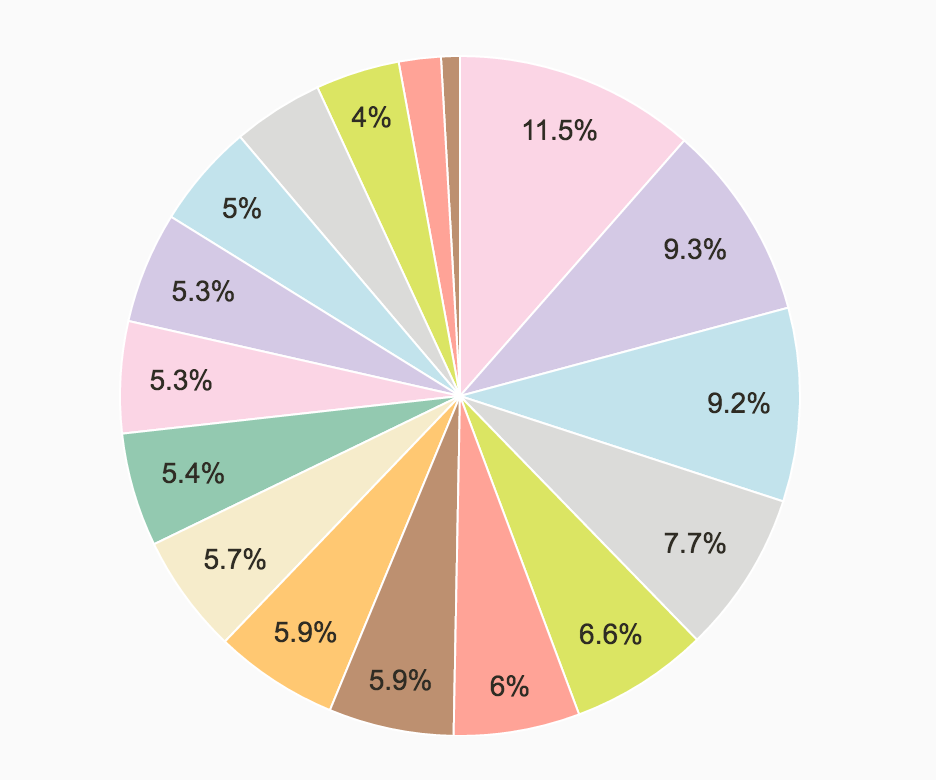
They show that listeners prefer these types:
When I talk about a subject at length, e.g. culture, history, topics which I know about
When I teach vocabulary
When I interview someone
When I teach grammar
Everything else gets around the same number of votes.
At the bottom of the list there are these ones: improvised stories (e.g. the Pink Gorilla story – what a pity), responding to messages from listeners, listener competitions!
Well, sorry to disappoint you but 1. I enjoy doing the improvised stories and I’ll keep doing them! 2. We’re in the middle of a listener competition!
I understand why listener competitions are not at the top of the list – you want to hear me or other native speakers speaking English. But I have my own reasons for doing these competitions and I’ll still do them from time to time.
The results are a little bit misleading when you look at them like a bar chart. It appears that some of the bars in the chart are quite short and therefore not very popular. But if you look at the results like a pie chart it’s quite clear that the preferences of the audience are very evenly spread out.
Each slice of the pie is actually quite similar in size. Everyone seems to have different preferences. It’s not like one single episode type is vastly more popular than all the others. It just goes to show that you can’t please all the people all the time and it would be unwise for me to try to do that.
In the end it’s my podcast and I’ll do whatever I want and whatever I think is right based on my judgement and experience. But it’s good to get some feedback and I will aim to produce more of the kinds of episodes that everyone seems to like, while also satisfying my own inspiration.
Like, sometimes I just fancy doing something totally different and unusual, based on what is appealing to me at any given moment. Sometimes it’s English language related and sometimes it’s topic related, and I think that’s what keeps me interested in the project as a whole, that I can do exactly whatever I want, unlike in a classroom situation, and I reckon that is what makes the podcast a bit original or at least unexpected sometimes. Imagine for example if I just stuck to a sort of conservative selection of generic topics with no surprises. It would be boring if it was always the same thing again and again so I will mix it up a bit, and I will continue to experiment with episodes, like improvised stories if I feel like it.
In the end I think it’s about creating something authentic and hopefully enjoyable to listen to, whatever form that takes and whatever subject I’m talking about.
UKRAINE – Здравствуйте (zdrazdoitchyeah!) (sorry, I don’t know it in Ukranian)
GERMANY – Hallo!
UNITED STATES – What’s up guys? How y’all doing? Hi there you guys!
BRAZIL – Olá (oh laa!)
AUSTRALIA – G’day!
SWITZERLAND – Hallo! or Salut!
FRANCE – Salut!
TURKEY – Merhaba (mare haba)
TAIWAN – 你好 (ni how!)
VIETNAM – chào bạn (ciao ban!)
THAILAND – สวัสดี (sa bai dee kup!)
MEXICO – Hola!
Transcript collaboration team
Comedy shows in Paris
Like my FB page to get updates, or check “Comedy Shows” on my website.
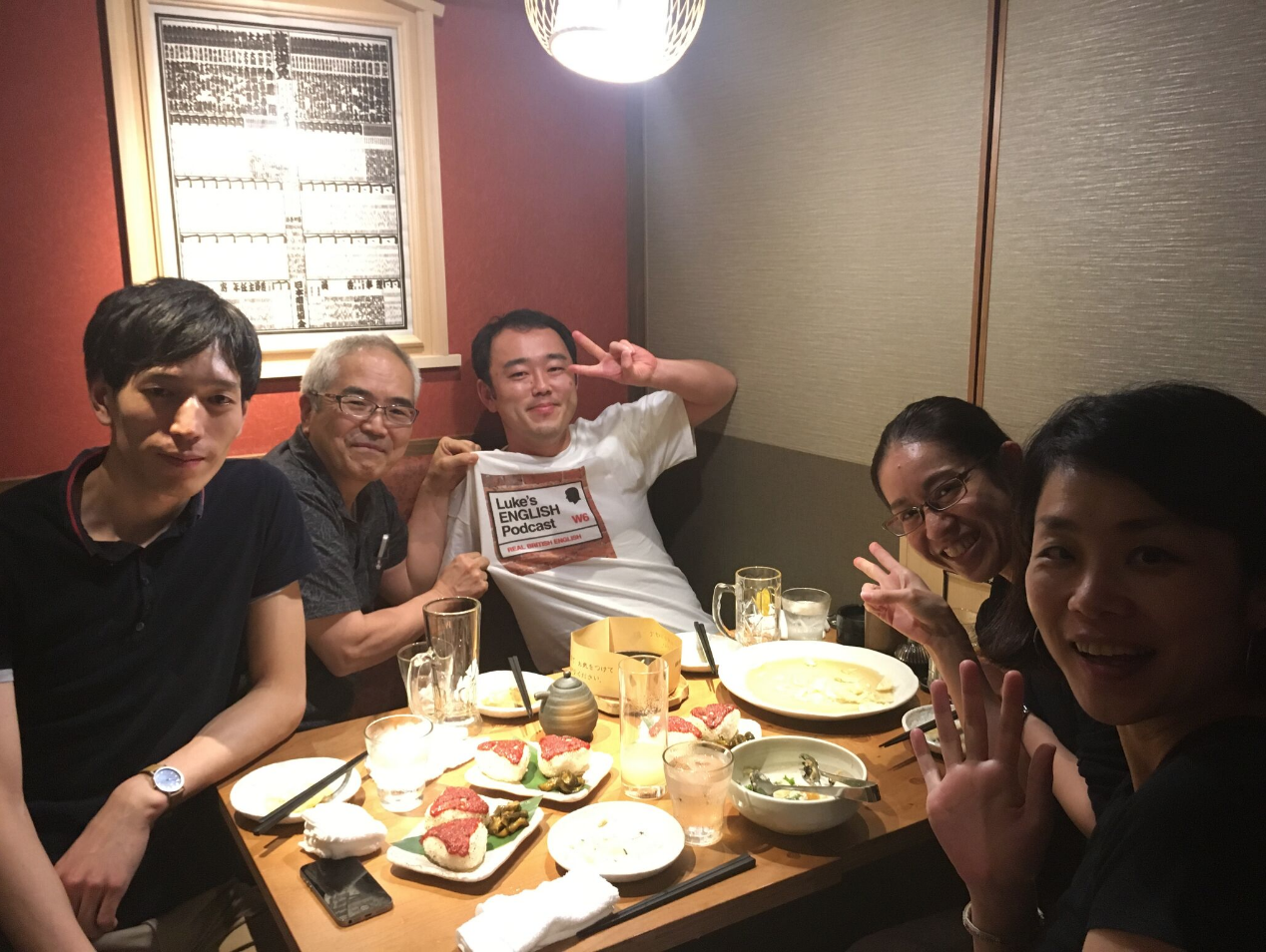
Meeting of Japanese LEPsters in Tokyo
Name: Hideki Kanazawa
Message: Hello Luke, how are you?
As I said before, we had the very first meeting today! Five people came and we talked about how your podcast is amazing. We also shared a lot information mainly about English.
It was really fun and amazing. We are going to hold another meeting soon.
We also took photos.
Thank you again for supporting my idea, I really appreciate it. Cheers.
Only 5 people – but it’s quality not quantity! Nice one for getting together, it looks like you had a good time.
I’m hoping to come to Japan in April. This is a place that my wife and I have wanted to visit for ages. I used to live there so I want to revisit and show her everything, and she’s just slightly obsessed with all things Japanese. Perhaps I can arrange a gig or an event of some kind if we manage to save money to come. We’ll see.
As for my other plans for doing events in other places, that idea is on hold at the moment because I’m working on another project which I’ve been putting off for ages – a business English online course. That’s my priority and I’ve got to finish that before starting other things.
Cookies on teacherluke.co.uk
Click “Accept All”, to consent to the use of all cookies on this website, or visit "Cookie Settings" to control your consent settings.
This website uses cookies to improve your experience while you navigate through the website. Out of these, the cookies that are categorized as necessary are stored on your browser as they are essential for the working of basic functionalities of the website. We also use third-party cookies that help us analyze and understand how you use this website. These cookies will be stored in your browser only with your consent. You also have the option to opt-out of these cookies. But opting out of some of these cookies may affect your browsing experience.
Necessary cookies are absolutely essential for the website to function properly. These cookies ensure basic functionalities and security features of the website, anonymously.
Cookie
Duration
Description
cookielawinfo-checkbox-analytics
11 months
This cookie is set by GDPR Cookie Consent plugin. The cookie is used to store the user consent for the cookies in the category "Analytics".
cookielawinfo-checkbox-functional
11 months
The cookie is set by GDPR cookie consent to record the user consent for the cookies in the category "Functional".
cookielawinfo-checkbox-necessary
11 months
This cookie is set by GDPR Cookie Consent plugin. The cookies is used to store the user consent for the cookies in the category "Necessary".
cookielawinfo-checkbox-others
11 months
This cookie is set by GDPR Cookie Consent plugin. The cookie is used to store the user consent for the cookies in the category "Other.
cookielawinfo-checkbox-performance
11 months
This cookie is set by GDPR Cookie Consent plugin. The cookie is used to store the user consent for the cookies in the category "Performance".
viewed_cookie_policy
11 months
The cookie is set by the GDPR Cookie Consent plugin and is used to store whether or not user has consented to the use of cookies. It does not store any personal data.
Functional cookies help to perform certain functionalities like sharing the content of the website on social media platforms, collect feedbacks, and other third-party features.
Performance cookies are used to understand and analyze the key performance indexes of the website which helps in delivering a better user experience for the visitors.
Analytical cookies are used to understand how visitors interact with the website. These cookies help provide information on metrics the number of visitors, bounce rate, traffic source, etc.
Advertisement cookies are used to provide visitors with relevant ads and marketing campaigns. These cookies track visitors across websites and collect information to provide customized ads.