Welcome back to the second part of this double episode. In part 1 you heard me playing a speaking game with Paul & Amber. Go back to part 1 for the details of the game, including the rules. Part 1 ended on a cliffhanger, with the scores even at 2-2-2. Even stevens! Listen to this episode to find out more. TEACHERS: At the end there’s a 15 minute section in which I explain exactly how to use this game in your English classes. You can download a simple .pdf worksheet (below) which you can use in your classes (just tell your students about LEP, or send me a little donation). Listen until the end of the episode to get my full instructions on how to use this awesome game to teach your students grammar, pronunciation, vocabulary and speaking skills in a really awesome way.
Listen to the last 15 minutes of this episode of LEP (The Lying Game Part 2) to hear me give detailed instructions on how to use the game in class, including details of the level, procedure, specific language and skills work you can do with students. I can get about 2 hours of class time out of this game, and it’s useful for teaching grammar, pronunciation and vocabulary.
In fact, here are the last 15 minutes of the episode if you’d like to listen to them again or download for later. :) [DOWNLOAD]
Hello, welcome back to LEP. This episode is called the lying game, and it’s one of those ones in which I play a speaking game with my friends Amber and Paul. A transcript for the first 15-20 minutes is available here on the page for this episode. In the introduction you’ll hear me welcome new listeners, talk a bit about my speaking speed on the podcast, mention the importance of listening to native speakers of English (even if it’s a bit difficult to understand every word) and explain some of the content of the conversation you’ll hear between Amber, Paul and me. Then, the speaking game begins properly. I really hope you have as much fun listening to this as we did recording it, because we really enjoyed ourselves! In part 2 (coming soon) you’ll hear the conclusion of the game and I’ll explain how I use this activity with my students in my English classes.
[DOWNLOAD] Introduction Transcript Starts Here (+ more information below)
Hello, welcome to LEP. This episode is called the lying game, and it’s one of those ones in which I play a speaking game with my friends Amber and Paul.
Before you listen to that, I’d like to just say a few things here at the beginning of the episode. Firstly, hello to all my regular listeners, the LEPsters as they are sometimes known. How are you all? I hope you’re fine and having a lovely day or night or evening or morning or whatever time of day it is. Thanks for recent comments on my website. It’s always nice to read your messages. Recently I did episodes about The Battle or Britain and Back To The Future, and I’m feeling a lot of love in the comments section – particularly from my Polish listeners because of things I said in episode 303, which is really great. It’s very motivating to read the positive things you have to say in response to my episodes. I do think about my podcast a lot, and I always hope that you’re enjoying it and finding it useful. So, your comments are valuable bits of encouragement. Thanks also to those of you who have never left a comment on my website in your life – you’re my ninja listeners, and I think there are a lot of you out there, choosing to remain silent in the shadows, but listening to everything.
Secondly, just in case you’re new to LEP, let me just quickly introduce myself. My name is Luke Thompson and I’m an English language teacher from England, which is in Britain, which is in the UK, which is in Europe, sort of. I’m originally from London (in the south-east) but I went to university in Liverpool (in the north-west) and I also spent many years growing up in Warwickshire which is near Birmingham, which is in the midlands, which is in England, which is in Britain, which is in Europe, which is on Earth… etc. OK, I’ve been teaching English for nearly 15 years, wow has it been that long? Time flies when you’re having fun, and I do enjoy my job. I’m DELTA qualified, and in my career I have taught English to adults and children from many different countries, at many different levels, at many different times of the day – morning, afternoon, evening and at night sometimes, in any season, in all weather conditions – rain, snow, hail, wind, lightning, and even during a couple of earthquakes. I’ve taught courses in general English, business English, academic English, English for exams, English for doctors, English for pharmacists, English for engineers, English for lawyers, English for HR, English for secretaries of state, English for journalists, English for unemployed people, English for retired people and English for people who haven’t chosen what to do with their lives yet. Basically, if you need English, I’m your man. If I was a superhero for English teaching, you could call me Englishman! Which is appropriate, because I am an English man. Haha, I’m just joking, I’m not a superhero, I’m just an ordinary humble man, well as you can hear from this introduction I may not be that humble, but I am a man – definitely, I checked this morning. I am proud to be an English teacher – a profession which includes many bright and brilliant people all around the world, who have either chosen this vocation, or just ended up doing it because they didn’t know what else to do with their lives. As well as being an English teacher, I’m also a stand-up comedian, and I’m a podcaster. I do a podcast for learners of English called Luke’s English Podcast. You should listen to it. It’s quite popular and I have lots of downloads these days. I’m happy to say that I have a lovely community of people around the world who regularly listen to my podcast episodes in order to improve their English, but also (hopefully) because they just enjoy listening to each episode I produce. Did I mention that the podcast has won a few awards? No. Ok, well, the podcast has won a few awards. Am I sounding a bit arrogant? I hope not. I don’t mean to sound full of myself, I really don’t – it’s just that sometimes I think I should try and sell myself on the podcast, just a little bit, to remind you who I am. I don’t mean to just go on about myself a lot because it’s a bit self-indulgent isn’t it? But I do think it’s important to convince you that listening to this is very good for your English, and that you should keep doing it. It’s not just me who says that, I also have lots of testimonies from listeners of my podcast who have commented on my website, saying some very positive and nice things indeed, like this one which arrived just a couple of days ago, from someone called “Teddy WS” who simply wrote “Thank God I find this page.” He sounds a bit desperate maybe, like he’s been walking through some kind of English teaching desert, and my website is like an oasis for him, where he can drink from this refreshing wellspring of natural English. It’s certainly a positive endorsement.
Thanks Teddy, that’s nice. Now, admittedly, Teddy did make a mistake in his comment – he wrote “Thank God I find this page” and it should be “Thank God I found this page” but to be fair, he has only just found the page, and he has been walking through a desert for days and days, and he probably hasn’t listened to many of the episodes yet. I expect if Teddy writes on the page again in a few months, after he’s listened to more episodes and refreshed himself, he won’t make a mistake like that. I certainly hope so. Teddy, if you’re listening – don’t feel bad about making that mistake – mistakes are an essential part of the learning experience. Just brush it off, carry on and try not to do it again. By the way Teddy, I’m looking forward to reading another comment from you on my site in the future.
The main philosophy of my podcast is to give learners of English the chance to listen to authentic British English as it is really spoken. Sometimes it’s just me talking, sometimes I have interviews and conversations with friends, family or other interesting people. I try to keep it real – meaning I try not to adapt my language level too much. I don’t want to talk to you in a very simple way because that’s not how people usually speak in the real world. I think I speak clearly on the podcast, but at a fairly normal speed. I believe, ultimately, that’s better for your English.
So, it’s better for your English in the long run, but in the short-term, you might find it difficult to understand every single word I say, or every single word my friends say. So, I often remind you, that if you don’t understand what I’m saying or if you get lost during conversations on the podcast – keep listening! Keep going! Don’t be put off when you lose the thread of the conversation. Persevere, don’t give up. In the long run, it will be better for your English. So don’t stop.
If you want to pay close attention to every single word, and study those words, you can. Many of my episodes have transcripts, or at least some notes which you can read. You can then study the words and phrases I’m using and improve your English that way. Or, you can simply relax and listen to the episodes wherever you are in the world – just find a comfortable place, or even an uncomfortable place – it doesn’t matter that much, but comfortable is better, just put your headphones in, or turn your speakers on, and just listen for fun. It should be enjoyable to listen to English. It doesn’t have to be a boring study exercise. So, I invite you to just relax, kick off your shoes, make a cup of tea, listen to my episodes, and enjoy doing it. :)
This episode is entitled The Lying Game. The title of the episode has absolutely no connection to the things I’ve just said to you in the opening minutes of this introduction.
No, the reason this episode is called The Lying Game, is because in a few moments you’re going to listen to my friends and me playing a speaking game which involves either lying or telling the truth. It’s just a fun guessing game that involves some lying. So that’s why this episode has that title.
So let me tell you what you can expect from this 2-part episode of LEP.
What’s The Lying Game? This is a speaking activity I play with my students in my English language classes. In this episode you’ll hear me playing this game with my friends Amber and Paul, who are native speakers of English.
In a few minutes the episode is going to start (we haven’t started yet, this is still the introduction). I just wanted to say right now, that this was a very fun conversation for Amber, Paul and me. We really enjoyed talking and playing the game. I hope you enjoy it too. The thing is, we got pretty excited during the game and so we speak pretty quickly and sometimes we speak over each other. That might make it difficult for you to understand everything that’s being said. Still, like I said a few moments ago – keep listening anyway, even if you don’t understand everything. OK, I think I’ve made my point about that now!
The recording begins mid conversation. Let me just tell you a few things to help you understand what we’re saying, right from the beginning.
You’ll hear me say to Paul, “Do you really think I change the way I speak?” This is because Paul thought I sometimes change my voice when I’m recording the podcast. Like, I have a podcast voice that comes on when I start recording. We agree that it’s quite normal as a way of catching the attention of the audience from the beginning, or “pulling people in” as Paul says.
Just a couple of other things that will help you understand the beginning of the conversation:
Paul starts whispering subliminal messages into his microphone. This is because just the other day he was on a “film shoot” and he did that to the sound man – he whispered into the microphone and only the sound man could hear him. Just for fun.
I make a (lame) joke about something Amber says about it being a grey day. I thought she said ‘grade A’, referring to the sofa she was sitting on. A grade A sofa would be a top quality sofa. My sofa on the other hand is not that good, so it’s more likely to be a grade B or grade C sofa.
Then we make a few references to things you won’t know about, like my stand up routine, and a joke I made earlier about Philips lightbulbs, you know the technology company called “Philips”. Watch out for that. We found is hilarious. You might be confused by it. Let me know.
Then I realise that we’re having too much fun, and that could be annoying, like my favourite film critic Mark Kermode says that comedy is hard work. If people say they had fun making a comedy you’ll know it’s not funny.
It looks like they had a lot of fun making it which is always a recipe for disaster, when it comes to comedy. Because most really funny comedies are not fun to make – On reviewing Mortdecai 23 Jan 2015 show
So I hope that is not the case for this episode.
So, after that Mark Kermode reference, we settle down a bit, the conversation continues, we talk a bit about lying, and we start playing the game.
OK, I’m now going to stop explaining everything before it’s happened, and just let you listen to the episode. So, here we go!
Intro 2 (This is the second introduction which I say at the beginning of the conversation with Amber & Paul!)
Sometimes I play a fluency speaking game with my students, which involves telling lies. I call it The Lying Game. It’s an imaginative title. It’s just a fun game to practice giving information, and forming questions. I’ve been using it in class for years and it’s always a pretty popular exercise. This time on the podcast I thought I’d play the game with some native speakers. When you listen you can focus on noticing these things: question forms, how people describe events in the past (tenses and pronunciation of ed endings), how people describe present habits (verb forms and adverbs – not just present simple tense) and also the intonation that we use when asking questions in a suspicious, open or challenging way.
With me I have Paul Taylor & Amber Minogue.
How are you?
Do you think you’re good liars? Are you gullible?
Do you ever lie in your life?
Is it wrong to lie? Is it ever ok?
Are you ready to play the game?
Rules
Tell us something – it could be something that happened in the past, a habit, someone you’ve met – anything about you that we don’t already know. Try to make it interesting – partly ridiculous, partly believable.
We will then interrogate you about it, asking you all sorts of questions to investigate your statement. You can expand on it. This is the hilarious bit where we’re not sure if you’re lying or not. Ha ha ha.
Then, when we’ve run out of questions we will say if we think you’re lying or telling the truth, justifying why we think so.
Then, reveal if you were lying or not. It’ll be dramatic and entertaining.
Points: For everyone who guesses wrong, you get two points. Every person who guesses correctly gets 1 point.
Everyone has a go, and at the end we count the scores to see not only who is the best liar, but also who is the most gullible or untrusting person. If you’re gullible, you won’t score much. If you’re too trusting, you won’t score much either. If you’re a bad liar you won’t score much, if you don’t appear trustworthy you won’t score well either. So, the winner of this game will be some kind of psychopath, basically. Or, the winner will be a good liar and good at detecting lies too.
Luke, Paul and Amber’s Statements from the Game
Luke: I once met Dave Grohl (drummer from Nirvana, singer in Foo Fighters) at a buddhist temple in Japan.
Paul: I once spent Valentine’s Day with Elijah Wood and John Hurt.
End of part 1! You can hear Amber’s turn in the next episode, where you will find out what happens and who wins the game in the end! (exciting)
Scores at the end of part 1
At this stage, the scores are like this:
This year marks the 75th anniversary of The Battle of Britain, and since this is such a pivotal moment in British history, I thought it would be appropriate to cover it in some way in an episode of this podcast. Also, I was asked recently by a listener in the comments section of my website to talk about the story of the Battle of Britain, specifically the role of one particular group of Polish pilots known as Squadron #303. So, here it is – the story of one of the most important moments in modern British history – The Battle of Britain, and the contribution made by a small group of pilots from Poland.
[DOWNLOAD]
The Battle of Britain is often cited as a proud moment in British history, particularly by nationalistic Brits who also believe that we shouldn’t let any immigrants into our country. Squadron 303 killed twice as many German fighters as any other squadron, and one pilot in particular became something of a flying legend, with a record number of kills. But the thing is, these heroes of the Battle of Britain weren’t actually British, they were foreigners, fighting in British made Hurricanes and Spitfires. Where did these brave and skilful pilots come from? Poland. So, this episode is not just a history lesson about Britain, but also a bit of a shout-out to my Polish listeners out there – I know there are quite a few of you. If you’re not Polish, then I hope you appreciate the telling of this story of danger, bravery and global warfare.
The Battle of Britain
First of all, this is Churchill speaking, before the battle of Britain begun.
*Churchill speech 1 – “Their finest hour”
So, what was the situation?
It was 7 September 1940.
Northern France was occupied by the Germans, and airfields everywhere were covered in bombers, loaded up and ready to begin bombing raids on strategic targets all over the UK. Hitler was about to take a bit crap all over Britain.
This was a year after Britain had declared war on Germany after Hitler invaded Czechoslovakia and then Poland. It had been a pretty good year for Hitler. He’d basically marched across most of Western Europe and seized it, just like Napoleon and the Romans had done before. Hitler had a pretty effective strategy which we now call Blitzkrieg, or ‘lighting war’ which involved using planes to bomb the crap out of an area before sending in infantry and tank divisions to quickly mop up enemy troops. It was devastatingly effective as it took advantage of speed, mobilised mechanical heavy weapons, surprise and the general disorganisation of the enemy as a result of the air bombing. He used this approach to great effect in the invasion of Poland and then The Netherlands, Belgium, and France. In just one year Hitler’s troops were in control of large parts of mainland Europe.
British forces had been forced to evacuate the continent after effectively being chased away by the Germans. There was a big retreat and escape from France at Dunkirk. It was a military defeat for the Brits who ended up in a pretty desperate situation. The Nazis controlled the continent. The USA wasn’t in the war yet so we couldn’t rely on their full assistance. Britain was basically alone, cut off from the mainland, just separated from the enemy by a few miles of water, waiting to be attacked and invaded by the Germans. Not a good position to be in.
Perversely, this is often the moment that many Brits feel very nostalgic about. As I said, it’s often referred to as our finest hour. I think there may be something in the British consciousness that actually enjoyed the idea of being completely separated from the rest of the continent, as if it clarified the ‘us against them’ attitude of some people. This was perhaps our darkest hour. We faced total oblivion and invasion by the nazis. Certainly, thousands of Brits were going to be killed. Beloved properties and national monuments would be destroyed in the bombing, but for some Brits looking back on the Battle of Britain, this was a moment to be proud of, like it made us a great nation. I suppose the reason people say that is because it was a time when Britain showed some character and spirit. The whole country sort of pulled together and formed a united front. Churchill made his famous speech.
*Churchill Speech 2 – “We shall fight them on the beaches”
It was rousing stuff. Ultimately, Britain survived the invasion attempt. People feel proud of that.
But, it’s ironic that many of the people today who are still nostalgic for that moment are also the ones who preach a certain kind of politics – anti-immigration, nationalistic values, something approaching a kind of English or British fascism. They’re the ones who love that moment when Britain was alone, facing the invading hoards from the continent. It’s ironic because during that battle we were fighting against fascism. Now it seems that it’s the fascists at home who like to remember it.
Anyway, it looked pretty bleak for Britain.
Hitler decided that before attempting any kind of land invasion, he would attempt to thoroughly smash The UK from the sky. He planned to target industrial centres in the big cities, key points of infrastructure and even some national monuments and residential areas. The aim was to cripple the country, both physically and mentally. Ooh, scary stuff.
So, on 7 September 1940 the Luftwaffe were all ready and prepared to launch operation.
Britain at this moment was steadily making weapons from anything they could get their hands on. All heavy metals were being thrown into factories. All the money was being spent on defence and weapons. A lot of Brits felt the squeeze. Obviously it wasn’t as bad as in the occupied countries, I imagine. I don’t know, I wasn’t there. But I imagine having a bunch of nazis from another country marching around your home town making themselves comfortable was rather difficult to take. So the Poles, the Czechs, the Belgians, Dutch and French (well, most of them anyway) were no doubt having a pretty awful time too, not to mention any other nations that I haven’t mentioned. This was a world war of course – so if I don’t mention your country in this episode I am sorry. This is after all the Battle of Britain.
Anyway, Britain was preparing itself for a rather bad time. A lot of planes were being constructed, men were being trained to fly and fight in the air.
The Germans were feeling pretty good about themselves. Morale was high. They’d just walked all over Europe and felt on top of the world. They basically felt absolutely superior. Whipped up by the rhetoric of their charismatic (albeit completely insane) leader, they’d been led to believe that the world was theirs and this was the natural order of things. Wrong.
So, the nazis were pretty chuffed and probably couldn’t wait to have a go at Britain, this global superpower of the time.
This was the biggest aerial attack of World War 2 so far. At 5pm on 7 September the first wave of bombers reached their targets in London. Apparently the sound they made was pretty scary. A kind of low, depressing drone sound. Ominous.
It was a Saturday afternoon in London. When I think of Saturday afternoons back home I think of tea, sandwiches, football with my Dad. I don’t imagine death from above, or death from any direction for that matter. The planes targeted the industrial areas, but a lot of workers lived right next to them and their homes got bombed too.
But that was just the beginning. What followed was a rain of bombs that no other city had ever seen in history. 12 hours of bombing without a break, continuing through the night. A lot of people died, and others were convinced they would follow.
How did the pilots feel? According to interviews they just hoped that they’d hit their targets, but they knew that civilians were probably getting killed. Really, they were a bit cut off from what was happening on the ground. I expect they didn’t feel too proud of themselves.
For the British people, particularly Londoners I think this bombing created hopelessness in some, but also a gritty determination in others, as well as a visceral hatred of the germans.
The fires caused by the bombing lasted for 57 nights, and in fact these fires were more damaging than the bombing raid.
The Nazi strategy was to continue to bomb, terrorise and demoralise the nation. Hitler expected Britain to give up and surrender to Germany, so he could then turn his attention on the East. He knew that it would be unwise to attempt to invade Russia (correction: The USSR) while also fighting on the Western front. So victory in the west was a crucial part of his plan. He expected Britain to surrender. He underestimated us.
It became a battle of wills, embodied by two men – Hitler and Churchill. It was Churchill who rallied the British people. He inspired them to carry on. He echoed the sentiments of the nation, that they would never ever surrender.
*Churchill Speech 3 – The Blitz*
Hitler didn’t expect Churchill to refuse to deal with him. This may have been a bit of a surprise. Britain was not going to be a walkover.
The German air force had already knocked out a lot of our warships in the English channel and planned to launch surprise air attacks on England, but England had a technological advantage: radar. This is now used in airports all over the world. It’s a kind of tracking device to monitor the skies. Radar was used as an early warning system, to let the RAF know if German bombers were on their way to England on missions. This allowed the RAF to scramble fighter planes into the skies in order to engage the German parties in combat. The Luftwaffe had no idea that radar even existed, so when RAF planes suddenly turned up to meet them in the skies it must have been a bit of a surprise. The fighting in the sky was essentially a duel of fighter pilots in single-man planes. Dog fights, one on one battles. Tracers from bullets flying through the sky. Chaos and destruction in the air.
It must have been incredibly frightening for the pilots. So many people were killed. Dogfights lasted seconds. It was a question of being aware of your surroundings and planning your attacks. If you had the right strategy you’d have the advantage and you’d find the enemy in a vulnerable position from which you could open fire and take out the plane. If your strategy was bad, you’d leave yourself open to attack.
The Germans were flying Messerschmitt 109s, the Brits in Hurricanes and Spitfires.
There were so many deaths during these fights that the pilots accepted that they would almost certainly die sooner or later. Everyone just expected to die. Imagine how that felt for these men. Living like that, in the knowledge that tomorrow or the next day, would be your last. What would that do to your mind? I’m sure it was the same for both sides. For the Germans there was the added fear that they would run out of petrol, or that they would be forced to crash land in enemy territory and then taken captive. The German pilots were forced by their superiors to always accompany the bombers, even if their smaller planes were running out of fuel. Sometimes these amounted to suicide missions for the fighter pilots who simply didn’t have enough fuel for the whole mission. Many pilots drowned as they had to bail out of their planes, landing in the English channel, miles away from the land.
Many wives, mothers, sisters and girlfriends lost men who were close to their hearts, again on both sides.
Women didn’t all stay at home worrying though. In the RAF the Women’s Auxiliary Air Force were an integral part of the British defences. They worked in the operations room and helped to coordinate the fighters.
So, in the summer of 1940 the Germans failed to break the RAF. That’s when Hitler decided to launch the large scale bombing attacks on London and other locations, and that was the true beginning of the battle of Britain.
Like on 7 September, waves of German bombers came across the channel, and RAF planes took off to meet them, engaging them in mid-air. The German bombers were well armed with machine guns, and also flanked by fighter planes too, which engaged the RAF in more one-on-one dogfighting. There were a lot of bullets in the air. The German escorts managed to keep the RAF at bay, allowing the bombers to continue to London. Large parts of the city were reduced to rubble. To this day, it remains one of the characteristic things about the city – there are gaps in the old buildings in which more modern buildings have been constructed. It doesn’t have the consistency of a city like Paris, because large parts of the city were completely destroyed during the war and then re-built later. Of course it wasn’t just London. All the main industrial cities took a beating, particularly Coventry in the midlands which got absolutely smashed in a huge bombing raid. It’s very sad. It was a beautiful and proud city with a magnificent cathedral. That’s now gone and is replaced by more modern structures, but something essential was lost, and for years Coventry was like a ghost town for the people growing up there in the aftermath of the war.
Londoners had to hide from the bombing in cellars under houses, or in specially made bomb shelters, even in underground stations like Oval in South London.
Between September and November 1940 London was bombed over 300 times. Thousands of individual bombs were dropped. London’s children were evacuated, meaning they were sent away for their own protection. Most of them went north into the countryside, away from the industrial targets. That must have been a very emotional moment, having to say goodbye to children and parents. I expect many of the parents thought they’d never see their kids again. Some children were taken all the way to Canada from Liverpool, and many were killed when their ship was torpedoed by a German submarine.
Back in London, the RAF with their radar and the brilliant Spitfire fighter plane had something of an advantage in the air, although it was a very slight advantage. Goering the military commander did not achieve the results he’d hoped for and decided to carry out all his bombing raids on London at night. The skies were lit up with fire as London burned, and with the lack of accuracy in the dark many residential areas all around London were hit and many civilians were killed. Nevertheless, Londoners kept their morale and managed to carry on as normally as possible during the day. Clearing up bomb damage but also attempting to go about their daily business. This is one of the things that kept the Germans at bay. The spirit of the people of Britain. Perhaps that’s what makes people so proud and causes them to say that this was Britain’s finest hour.
But the normality of daily life came to a sudden stop at approximately 5pm every day when everyone got into bomb shelters and the raids began again. Even though many people managed to carry on, I’m sure that many of them were basically walking around like zombies, expecting it all to be over by the end of that day. Many of them were ready for surrender, but they didn’t.
*Audiobook recommendation – “The Battle of Britain: From the BBC Archives”
The bombing continued all the way into the next year, until May 1941. Hitler called off the attacks on Britain, choosing instead to focus his attention on the east and Russia (Correction: USSR). However, that proved to be a problem for him because it left him open in the West, and later when America joined the war, Britain became a vitally strategic position for the allies. It was from the south coast of England that the allies launched their major counter attack against the Nazis with a land invasion in Normandy, Northern France which ultimately led to allied forces getting all the way to Berlin. Despite being a hero to the Brits, Churchill didn’t emerge from WW2 completely clean. There were large scale bombing raids on Germany from Britain, including the destruction of Dresden and massive damage to Berlin, largely as a response to the attacks on British cities.
In the east the Nazis struggled through bitterly cold and tough conditions fighting against the Russians (I mean Soviets). Many many Russian (Soviet) lives were lost as well as Germans. Ultimately Hitler couldn’t sustain a war on two fronts. The size and resilience of the Russian army (Red Army) in the east proved too difficult for Hitler, but also his inability to crush the spirit of the Brits left him open on that side too. The Battle of Britain proved to be Hitler’s first major defeat and was a decisive moment in World War 2, representing a turning point in favour of the allies. Nazi soldiers didn’t put a foot on British soil. The invasion never happened.
But that’s not the end of the story, because I’d like to turn my attention to a particular squadron of pilots who made an extraordinary contribution to the Battle of Britain, a contribution that could have made all the difference. During the battle, Britain was hanging on by its fingernails. Every single day of combat, British resources were stretched to their absolute limit. Dozens of pilots and planes were lost every day over British skies. They couldn’t have carried on much longer. If Hitler had continued, he would probably have crushed the British spirit, but he didn’t and Britain managed to hold on just long enough to keep the Germans at bay.
Churchill called it Britain’s finest hour, and famously said that “Never was so much owed by so many to so few”.
*Churchill Speech 4 – “Never was so much owed by so many to so few”
What gave Britain the edge? Well, it was partly radar, partly the brilliantly engineered Spitfire – which was specifically made as a bespoke fighter to keep up with and out-speed the German planes, while holding extra fuel to keep pilots in the air longer. The Spitfire is now a national icon, and it has to be said, is a rather beautifully designed plane, with its rounded and curved wings and fuselage.
But also it was the individual pilots involved in the fighting. There was one squadron which stood out, the 303rd. You might imagine them to be a band of plucky young British gentlemen, but in fact they weren’t. These men who may have saved Britain were in fact foreigners, from Poland.
303 Squadron
303 squadron was one of 16 Polish squadrons who flew with the RAF during the Battle of Britain. They were pilots who had flown against the Germans previously, but who had escaped to England when Poland was invaded. They turned out to be the highest scoring RAF squadron during the Battle of Britain. One of the pilots in particular was not in fact Polish but of Czech origin and was called Josef František. He is perhaps the most famous member of the squadron and is famous for being one of the highest scoring allies in the Battle of Britain.
The squadron chose its own name, The Kościuszko Squadron – named after another flying squadron that had taken part in the Polish/Russian war of the 1920s. In fact the 303 contained some members of that squadron. So they were already a pretty distinguished flying team. It was made up of about 21 pilots and a number of ground staff, and what was the prime reason for their success during these air battles? Anger and a vicious hatred of the nazis. This was like a high-energy fuel for these men, who just couldn’t wait to take down Nazi planes at the earliest opportunity.
But their opportunities were slow to come. The team was based in Northolt in England, and were assigned two RAF officers to look after them. The officers were responsible for training the Polish pilots in RAF protocol, but also in the basic English necessary to follow orders and instructions. So, before the pilots even got a chance to take to the skies, they were forced to sit through weeks of English lessons, and I imagine in those days it was pretty mind numbing stuff! There was no LEP that’s for sure.
Apparently the Polish pilots were so desperate to get at the Germans that during a training flight, when a party of German planes was spotted in the vicinity, one of the Polish pilots, called Ludwik Paszkiewicz, broke formation and tore after the German planes engaging them in combat. He shot down a German Messerschmitt Bf 110. The RAF officers were convinced and the next day the squadron was immediately put into action. This was the beginning of an incredible run of missions in which the 303 squadron scored a record breaking number of kills in the air. Apparently, these guys were absolutely incredible. Again, fuelled by a bitter hatred of the Germans, the pilots just pushed everything that bit further, going out of their way, taking incredible risks to take down as many planes as possible. But also, their use of British Hurricane fighter planes was a big advantage for them too. Previously they’d flown planes that were less powerful and less well-engineered. This had honed their flying skills considerably. IN their previous planes they’d been used to having to fly much closer to the enemy in order to get accurate hits. In the Hurricanes, with their increased speed and firepower the pilots continued to fly very close to enemy planes like they had done before, but this time the results were devastating. The German planes didn’t stand a chance. Later the squad were equipped with Spitfires and this made all the difference.
No. 303 Squadron claimed the largest number of aircraft destroyed of the 66 Allied fighter squadrons engaged in the Battle of Britain, even though it joined the fray two months after the battle had begun.
Josef František was a particularly successful pilot. He was considered by his commanding officers to be ill-disciplined and a danger to other pilots when flying in formation, but he was devastatingly successful at taking down Germans. In the end, he was given the right to break formation and go out on solo missions to pick off as many enemy planes as he wanted. In this way František was able to fight his own private war against the Germans, allowing him to take down at least 18 planes in one month, and was awarded the Distinguished Flying Medal.
Sadly, on 8 October 1940, František’s Hurricane crashed in Ewell, Surrey during a landing approach after a patrol. Reasons for the crash are not known, but according to some theories, he may have been making aerobatic figures to impress his girlfriend, or it might have been a result of battle fatigue and physical exhaustion. So he never lived to see the end of the war.
The success of 303 squadron in combat can be mainly attributed to the years of extensive and rigorous pre-war training many of the long-serving Polish veterans had received in their homeland, far more than many of their younger and inexperienced RAF comrades then being thrown into the battle. Tactics and skill also played a role, as well as a daring commitment to bringing down the enemy; on one occasion, No. 303’s Sgt Stanislaw Karubin resorted to extreme tactics to bring down a German fighter. Following a prolonged air battle, Karubin was chasing a German fighter at treetop level. As he closed in on the tail of the German fighter, Karubin realised that his Hurricane had run out of ammunition. Rather than turning back to base, he closed the distance and climbed right above the German fighter. The German pilot was so shocked to see the underside of the Hurricane within arm’s reach of his cockpit that he instinctively reduced his altitude to avoid a collision and crashed into the ground.
After World War 2, Poland was occupied by Soviet forces and its borders were redrawn as part of the 1945 Potsdam Conference. Poland became enveloped in the Soviet Union (correction: Not the Soviet Union, but the Soviet controlled Eastern Bloc), behind the iron curtain. I’m not sure how many Polish people feel about what happened after world war 2. I understand there is some bitterness at the allies, and probably Britain in particular about this, that perhaps we sold-out the Polish or forgot them, or betrayed them by not securing their freedom. Many sad things happen at an international diplomatic level during or in the aftermath of war. They’re regrettable. I wonder how the Poles generally view Britain these days. Is there resentment there? Or is that just a thing of the past. I hope we can all let bygones be bygones.
Nowadays a lot of Polish people live and make their living in the UK. In London for example there is a very large Polish community. Where I used to live in Hammersmith there is the Polish cultural centre just up the road, and many Polish people live in the area. I guess for many of them it’s a chance to get more opportunities for living in the UK, and I’m pretty proud to be part of a country that offers opportunities for people from other countries, and it’s clear to me that residents from other nations can bring a lot of skills and benefits to the country they move to. I’m not one of these people who complains about immigrants stealing people’s jobs. Immigrants are often skilled people who can contribute a lot, as we saw from the example of the 303 Squadron, who might have given the RAF an edge over the Germans in the Battle of Britain. Maybe they saved the day and helped Britain stay free, allowing us all to indulge in these nostalgic memories about our “finest hour” in which we stood up to the Nazis when all hope was lost.
That is the end of the story and that’s the end of this episode. Please leave your thoughts on the page as usual. Have a good day.
Luke
7 Reasons Why The Brits Should Love the Poles (Thank you Piotr Perliński)
Hi, this is the second part of a two part episode in which I’m telling you a few things about recent trending news stories, some anecdotes and other things that are in my head at the moment. There’s no specific language focus this time. Instead I’m focusing on general cultural information. Last time I talked about David Cameron and the pig, a story of a bad gig, and who the hell is Ronnie Pickering? In this one I’m going to ramble on about a bad trip to the dentist, some rising excitement about the new Star Wars film, Adam Buxton’s new podcast, some music that has been bouncing around inside my head, some news about a new jingle which is in the pipeline and how I want to hunt Jarvis Cocker for my podcast but I don’t know how to do it! If you don’t really understand those things, then listen on! All will be explained! All you have to do is listen. :)
[DOWNLOAD] In the previous episode:
1. The UK political situation, and trending news relating to it – this is less boring than you might expect because it seems from recent reports that our Prime Minister David Cameron once had sex with a dead pig. Seriously. (Did PM David Cameron really have sex with a pig? What’s all this about Jeremy Corbyn? What’s going on?)
2. “Sorry, we’re English”
3. Tell a story or anecdote about something.
4. Who is Ronnie Pickering?
In this episode:
5. A trip to the dentist in Paris.
6. Star Wars Episode VII: The Force Awakens – I can hardly contain my excitement, but I am attempting to avoid the hype.
7. OPP: The Adam Buxton Podcast
8. In my headphones recently: The Juan MacLean “A Simple Design”, The Who: “Who Are You?”, Erland Oye: “Lies become part of who you are”, DJ Krush & Ronny Jordan: “Bad Brothers”, Leyla McCalla: “Heart of Gold”. (Plus, the intro song: “Groove Holmes” by Beastie Boys)
9. Jingle news: Possible new jingle in the pipeline
10. Jarvis Cocker
11. That’s probably it, isn’t it?
[socialpoll id=”[socialpoll id=”2301102″]
Welcome back to this special double episode in which we are planning a bank robbery as part of a communication game. I strongly recommend that you listen to the previous episode because it will help to make this one much easier to understand. In part 1 I explained the rules of this communication game, which involves a team coming up with a plan to rob a bank. I gave you all the key information which the team has to share, I clarified some useful language that you’ll hear and then we listened to the first part of the bank robbery meeting, with our team of Amber, Paul and Sebastian. In this episode you’re going to hear the rest of the meeting, and then we’ll find out exactly what happens to them, and the full solution to the whole puzzle.
[DOWNLOAD]
To read all the key information for this bank robbery, go back to episode 298. You can read all the important details there.
Below you can read about the different outcomes of each possible plan, including which plans will get you the most money, and which plans will result in you being caught or killed.
The purpose of these bank robbery episodes is to highlight certain key language for problem solving in meetings, and to enjoy simulating a big bank heist, like in the movies!
Outcomes
When the group have finished planning, and presenting their plans, use this information to find out what will happen as a result of the plan.
Which day? Monday – The gold will not have been delivered yet! You will get no gold and no diamonds on Monday. Just the cash (£20,000) Tuesday – If you rob the bank after 11.10AM then you’ll be able to get the gold and cash but not the diamonds. Wednesday – The diamonds will not be delivered until the evening so robbing the bank on Wednesday means you’ll only get gold and cash, and no diamonds. Thursday – This is the best day to steal the gold, cash and diamonds. Friday – This is a bad day because the extra security guards will delay your exit and you’ll be caught in a fire-fight. You’ll either be arrested or killed if you rob the bank on Friday. If you have The Shooter, you won’t be killed (because he’ll kill the cops), but you will be arrested. Saturday & Sunday – The bank is closed so you can’t go in the front door.
If you choose to enter by tunnel you must rent the shop on Monday and start digging with The Tunnel Expert on Tuesday. Then you can take the gold from the vault on Sunday 8th and escape before anyone notices anything. However, you will only be able to keep the gold. The cash and diamonds won’t be there any more. So, just £100,000,000 – half the money.
What time? In the morning – Robbing the bank in the morning will delay the cops by an extra five minutes (because of traffic and donuts) so you’ll be able to leave before they arrive. However, you will find it too hard to escape by car because of bad traffic and eventually you’ll be caught.
In the afternoon – The police will arrive in 15 minutes, and your robbery will take 15 minutes so you will meet the police as you leave the bank. If you have guns you’ll be able to provide covering fire to help you escape. If you have The Shooter he will shoot some police and allow you to escape. If you have The Driver you will be able to escape. However, in the afternoon witnesses will see the car chase and will report your number plate to the police. You will be caught eventually.
In the dark (between 6PM and 8PM) – This is the best time to do the robbery. It will take the police 15 minutes to respond. Your robbery will last 15 minutes and you’ll meet the police as you leave the bank. If you have guns you’ll be able to provide covering fire to help you escape. If you have The Shooter he will kill some police officers and help you escape. If you have the inside man he will delay the alarm and the cops by an extra 5 minutes and you don’t need to have a gun fight at all. If you have The Driver he will help you escape the police and get to the safehouse, and it’ll be too dark for witnesses to see your number plate.
Who to take: The Shooter – If you have chosen to enter the bank by the front door he can help you to escape the bank if the cops arrive as you are leaving. However he will probably kill police officers and possibly some hostages too, and you want to avoid unnecessary killings. If you are caught eventually, your prison sentence will be far more severe.
The Inside Man – You need him to find the correct entry point in the vault for the tunnel. Without the Inside Man your tunnel will not find the vault and you won’t get any of the money. Also, if you enter by the front door he will delay the alarm and the police by an extra 5 minutes. This means you don’t need to have a gun fight and no killing will be necessary.
The Driver – If you choose to enter the bank by the front door you will definitely need the driver to escape from the cops by car. If you raid the bank by front door without The Driver you will be caught or shot. If you have The Shooter and The Driver – you’ll definitely be shot. It’ll be a bloodbath.
The Safe Cracker – He is unnecessary as you can either dig into the vault or persuade a member of staff to let you in. You don’t need The Safe Cracker and you will fail if you pick him (because the other people are more useful)
Jimmy The Informant – Don’t trust Jimmy The Informant. He’s made a deal with the police to keep him out of prison. He will tell you nothing useful about the police. In fact, he will just tell the police everything about your plans. The police will already be there, undercover, and you’ll be either arrested or killed.
The Tunnel Expert – You need his skills and expertise if you plan to enter the bank by tunnel. If you tunnel into the bank without him it will take 7 days and that is too late.
How to enter the bank By the front door – You will need to employ The Driver and either The Inside Man or The Shooter to help you deal with the police when you leave. If you enter by the front door without The Driver and one of the other guys then you will fail.
By tunnel – You’ll need to rent the shop on Monday so you can start digging on Tuesday. You must bribe the shop owner so he doesn’t tell the police your real name (so, deduct £5m). You need The Inside Man to tell you how to find the vault. You need The Tunnel Expert to dig the tunnel in 5 days. If you start digging on Tuesday then you can enter the vault on Sunday and take the gold without anyone noticing. However, if you do this you’ll only take the gold and no diamonds or cash. Total amount: £95m in gold.
Masks or no masks? With masks – The staff will immediately realise it is a robbery. Then they will raise the alarm. You’ll have 15 minutes before the police arrive. That is enough time, especially if you use The Inside Man to delay the alarm.
Without masks – Your face will be captured by the CCTV cameras and you will eventually be caught by the police, even years later.
You don’t need masks if you choose to enter by tunnel.
Guns or no guns? Guns – You can use them to persuade a staff member to open the vault, so you don’t need The Safe Cracker. Using guns will make the punishment more serious, but who cares!
No guns – This will reduce your prison sentence if you get caught. You will need The Safe Cracker to get into the vault because you won’t be able to persuade someone to do it for you in time. You won’t be able to fight the police and escape. You will need guns for this robbery. You should definitely take some guns. Without guns you will fail the robbery.
How will you enter the vault?
If you have chosen guns then you can persuade someone to let you into the vault. If you are tunnelling, then you need The Inside Man to help you find the location of the vault.
What will you steal?
This depends when and how you plan to enter the bank. The best option is to steal all the gold, cash and diamonds but you can only do this on Thursday after 6PM by entering through the front door (see Thursday above). If you tunnel in and arrive on Sunday you can only steal the gold.
The BEST plan
Rob the bank on Thursday between 6-8pm when it is dark. Wear masks and carry guns. The Inside Man will delay the alarm, delaying the cops by 5 key minutes. You can use a gun to persuade someone to open the vault. You can get the gold, cash and diamonds into the van in 15 minutes and drive away without being spotted at all. The police will arrive 5 minutes late because of the delayed alarm. The police will have no idea who robbed the bank, you will not have to kill anyone and you can get maximum money this way.
People: The Driver and The Inside Man
Another good plan: Rent the shop on Monday. Bribe the shop owner and give a fake name for the rental records. Start digging on Tuesday. The Inside Man will tell you where to dig the tunnel. The Tunnel Expert will help you to dig it properly. Finish digging on Sunday. Move the gold out of the vault before Monday morning. Take the gold to the shop through the tunnel. Drive the van to the safehouse. No one will ever know who did it. …however, there is a weak link here – the shop owner. He has to pretend that he had no idea about the plan, and he has to be very discreet about the money. If the police threaten him, he might give in under pressure and describe your appearances.
People: The Inside man and The Tunnel Expert.
The Plan Chosen by Amber, Paul and Sebastian
Go in with masks but no guns, on Thursday evening at 6.30. The alarm goes off. The police are on their way. Use the safe cracker to open the vault in 2 minutes. Fill your bags with gold, cash and diamonds, in 10 minutes. You’re out and in the car about 3 minutes before the police arrive. You manage to escape with all the money! It’s a bit risky because it’s a bit tight because you’re leaving just 3 minutes of escape time, but with the getaway driver you can do it because there isn’t too much traffic on the streets, due to the big international football game between England and France, which is on the TV.
[socialpoll id=”2296562″]
Hello listeners, welcome to Luke’s English Podcast. In this episode we’re going to plan a bank robbery. Not a real one – if any police are listening to this I should say it’s just a simulation, I’m not actually going to rob a bank, so relax… eat another donut. This is the bank robbery episode and I hope that it involve the usual magic ingredients of a good episode of LEP – authentic spoken English, native speakers communicating naturally, presentation of some specific language in context, the voices of some of my friends, a sense of fun and imagination. That’s the idea anyway. I hope that you will stay engaged throughout the episode. I suggest that you imagine what you would say and do if you were there in the room with us. As ever, you can leave your comments on the page for this episode at teacherluke.co.uk
Introduction
Basically, in this episode you’re going to hear a group of my friends do a communication game in which they have to plan a bank robbery. We’ll listen to the whole meeting, hear their plan come together and then find out what happens in their version of the robbery. We’ll also consider some of the language used in the planning process. If it makes it more exciting, let me tell you that the stakes are very high in this episode – the team could get away with about £200 million in gold, cash and diamonds, or die trying.
What’s going to happen? How will the team organise the perfect bank heist? What language will emerge during the process? Will the team survive and escape with the money, or will they get caught red handed by the police in a dramatic shootout situation.? Listen, and you’ll find out… because this, is the bank robbery episode…
What is “The Bank Robbery”?
Sometimes in my classes at school, I give my students big communication tasks. These are like team building exercises which test the communicative competence of the group.
This episode is based on one of the games that I created, called “The Bank Robbery”.
The game is all about sharing information and working together as a group to come up with the right plan. It’s all about successful communication. If the team members share the information well, they’re more likely to plan a successful robbery. If they don’t communicate properly, they’ll probably miss some vital details, and they’ll get arrested or even worse, killed by the police.
Of course no one actually gets killed, it’s just a simulation. But if it helps to bring more drama to this episode – then yes you can imagine that there is real money involved, and real cops and real guns and bullets and all that kind of stuff.
The bank robbery game gives students the chance to practise speaking in a scenario that’s like a typical business meeting but with a fun twist. They can also get some feedback on their communication skills.
I find it fascinating to see how students deal with this game, especially from a language point of view, but also from a behavioural point of view, and I’ve always wondered how a group of native speakers would handle it.
And that’s what you’re going to get in this episode.
Here’s what’s going to happen
You’ll hear me explain the scenario of the game, I’ll go through some specific language that you might hear them use, then you’ll listen to them plan the robbery, and then they’ll present their plan. After that, based on their plan I will tell them exactly what happens in their robbery – we’ll see if they manage to get away with any money, or if the whole thing goes horribly wrong and they end up in jail or worse – in a body bag!
So, Ladies and Gentlemen, let’s meet the team…
The Team
Who is this team that I have assembled?
We have none other than: Paul Taylor (Daniel Radcliffe, or Tom Hardy), Amber Minogue (played by Audrey Tatou, or Anne Hathaway perhaps) , and Sebastian Marx (Woody Allen, or maybe Ryan Gosling).
Thank you for coming to this meeting. I have brought you together today because you have a very specific set of skills… skills that allow you to communicate effectively in English… skills that could be utilised in order to plan something as a group, like a buffet dinner bank robbery for example…. skills that I take a keen interest in, as a teacher of English as a foreign language… and skills that my listeners (the lepsters) enjoy observing through their ears via the medium of Luke’s English Podcast, which has won a number of awards for being the best blog for learners of English even though it’s not a blog it’s a podcast. OK?
Basically, what I’m getting at is that I’ve brought you all together this afternoon in order to record you doing a communication exercise because I think it will be really interesting for my listeners to hear. OK? I might be wrong, it could be dull as hell, and that kind of depends on you, but let’s see…
You are going to do an exercise in which you have to work together as a team in order to achieve a shared objective. Your success in the task depends on your management of information and effective communication between each other.
The stakes are particularly high in this simulation because you are going to organise a bank robbery. If you succeed you could escape with millions of pounds in gold, cash and diamonds. Sounds nice doesn’t it?
If you fail you could spend the rest of your life in jail, or be killed or badly wounded by police. It all depends on how well you and your team plan the robbery.
The situation
You are a gang of specialist bank robbers – think Oceans 11, George Clooney, Brad Pitt, that kind of thing. You have identified a small bank in West London (not as glamourous as Las Vegas, but anyway…) a bank which you know is about to receive a delivery of £100m in gold bullion. The bank also has cash reserves of £20m in its vault. There may also be some diamonds in the bank which you could take as well. Why not, if there are diamonds too, take the diamonds.
So you could make upwards of £120 million – £40m each – not to be sniffed at.
Anyway, the bank is situated on a street corner. It has one main entrance (that’s a glass double door) and a smaller secutiry entrance on the side (that’s a solid, protected security door). It’s quite a small bank with a main room for doing business with customers, and a small back office on the ground floor, and a medium sized vault in the basement. The money (gold, cash, diamonds) is kept in the vault, which is protected by a solid locked door. Imagine a solid metal door with a huge lock on it.
You 3 are the core members of the team, but you can’t do this alone. You’ll need some assistance – especially from people with very special skills, specific to organised theft like this. Luckily you have a few connections in the criminal underworld. You can choose a maximum of 2 other specialists to help you.
Here’s a list of the other gang members you could employ. You’ll get more information about them during the game. The Driver The Shooter The Inside Man The Safe Cracker The Tunnel Expert Jimmy The Informant
You (the team) are going to plan to steal that money.
Have a meeting to decide these points
• VALUABLES – What exactly is available and what will you steal?
• DAY – The day on which you will do the robbery
• TIME – The time of the robbery
• GANG MEMBERS – Which two extra gang members you will employ for the job (you can employ two other people)
• ENTRANCE – How you will enter the bank
• MASKS – Will you wear masks or not?
• GUNS – Will you use guns or not?
• VAULT – How will you get into the vault?
Today is Saturday 1 October
You’re planning to rob the bank next week – that’s the week starting on Monday, because that’s when the gold and other money will be in the bank. You’ve left it a bit late to be honest.
But you’ve all spent quite a lot of time watching the bank, and collecting information to help you plan the perfect crime.
(I’ve written this information on small pieces of paper and I’ll deal it out to you all randomly, in a minute)
You will need to share the information in order to pool your knowledge. Please don’t let each other read the info you have. You’ll have to do it all by spoken communication.
When you are ready, present your plan to Luke (that’s me) and the listeners (Lepsters). Then I will tell you the final result of your bank robbery. We’ll find out what happens in the robbery, based on your plan.
There are a few different ways to complete the task and steal the money, but only one of those approaches will allow you to get away with the most money possible. Some options will get you arrested, some options will get you killed. Some options will allow you to escape with only some of the money. Only one option (I think) will allow you all to escape with the maximum amount of money, with no loss of life or jail time. (Which is at least £120,000,000 – 30m each)
I am the gamesmaster – I’m just going to sit back and let you get on with it. I might give you bits of guidance and advice at times. I’m like Obiwan Kenobi or something. “Paul… use the crow-bar Paul…” that kind of thing.
You can ask me questions if you want – I might help, or I might be a bit mysterious and say something like “That is a question which only the sands of time may reveal” or “Sorry, I can’t answer that”.
OK, is everything clear? Do you have any questions at this point?
Key Information
While the team are reading the information I’ve just handed out to them, I’d like to talk to you about a few things, to help you follow the meeting more easily.
So, the team is looking at various key information which is on small pieces of paper. The information relates to these things:
• Info about the money – What exactly is available, and when it’s available. There is only one particular period next week when the gold, cash and diamonds are in the bank at the same time.
• Info about the DAY & TIME – when the bank is open, when the money is in the bank, and other information about the best time and day to do the robbery, including things like traffic, extra security in the bank and hours of daylight.
• GANG MEMBERS – Info about the 5 other team members they could employ for the robbery. They can pick two. Certain gang members are crucial for the robbery. Other gang members will cause your robbery to go horribly wrong.
• ENTRANCE – Different ways to enter the bank and get into the vault. Basically, it’s either through the front door, through a side door when the gold is delivered, or through an underground tunnel directly into the vault.
• MASKS – Will you wear masks or not? With masks on, the team’s identities will be protected from CCTV, but everyone will instantly know it’s a robbery.
• GUNS – Will you use guns or not? Guns will allow the team to persuade the bank staff to do things, but could be dangerous.
I’m now going to read to you all the information they have in their hands. Then you’ll know everything they know, and it should help you to follow their meeting more easily.
Also, it might allow you to work out your own plan. BTW, all this information is on the page for this episode at teacherluke.co.uk
So now, listen to all the relevant information. I’ll try to make it clear for you. Listen carefully and try to make your own plan. Think about the best day and time.
THE INFORMATION WHICH THE TEAM HAS TO SHARE
Here is all the info which the team members have on small pieces of paper.
You can also download this information as a Word document, which you can then print and then cut up. Click the link below to download the Word doc. (Thanks to Zdenek Lukas for preparing the doc) THE-BANK-ROBBERY-speaking-activity-by-Luke-Thompson.
The bank will receive the gold bullion at 11AM on Tuesday 4 October.
The gold will be removed from the vault on Monday 10 October at 8AM.
When gold is delivered at the bank, two security guards always take it through a back door and down the stairs into the vault. This takes 5 minutes.
The gold is easiest to steal when the security guards are taking it from the van to the vault.
The gold and cash are fitted with anti-theft devices such as paint and a tracking device.
These are removed when the money has been safely delivered into the vault.
The £20m in cash will be removed from the vault on Friday evening.
You have just discovered that the vault will also contain £80m of diamonds next week! They arrive on Wednesday evening but they will be removed on the evening of Friday 7 October.
It takes approximately 10 minutes to fill your bags with gold, cash and any other valuables.
The bank is open from 8AM to 8PM, Monday to Friday. The bank is closed on Saturday and Sunday.
When the bank is closed the doors are very securely sealed and protected. It is impossible to break in when the bank is closed.
The side door of the bank is reinforced and cannot be opened from the outside.
The bank is unstaffed at night. Nobody is in the bank after 8pm.
The sun goes down at 6PM. The sun comes up at 6AM.
A robbery in the morning will be more of a surprise, and the police tend to be slower in the morning as they are usually eating donuts and drinking coffee.
You are much more likely to be identified by witnesses during daylight hours.
A robbery in the dark is more likely to be a success because the roads are quieter. It will be easier to escape by car in the dark.
There is less traffic on the street at night.
No-one goes into the bank at the weekend. After leaving the bank on Friday evening, the next member of staff to come back is the security guard. He arrives on Monday morning at 7AM.
Friday is the busiest day in the bank. The bank employs two extra security guards armed with Remington shotguns on this day. They stay in the bank from 8AM to 8PM.
You will find it very difficult to get away from the bank quickly in the morning because of bad traffic.
You can enter the bank by the front door but you will appear on the CCTV cameras in the front entrance.
When the bank alarm is set off, the police are automatically called. They will take approximately 15 minutes to arrive at the bank.
The police will take an extra 5 minutes to arrive at the bank in the morning, because of busy traffic and because they’ll be eating donuts and drinking coffee in a local diner.
It will take approximately 5 minutes to persuade a staff member to open the vault for you.
If you have guns you will quickly be able to persuade the staff to open the vault for you.
Robbery with guns is more serious than robbery without guns, and therefore carries a much stricter prison sentence. Also, the police are more likely to open fire on you if you are armed.
You can use masks to hide your identity. They will prevent you from being identified during the robbery, but if you enter the bank wearing masks, the staff and customers will immediately know it is a robbery and the alarm will be set off.
There is a disused shop opposite the bank. The shop has a basement with an earthen floor, and vacant space for soil in the yard. The shop is available for rental.
It will take 5 full days and 5 full nights to dig a tunnel from the shop to the bank vault.
It will take 24 hours to arrange rental of the shop opposite the bank. The rental office is closed on Saturdays and Sundays.
To rent the shop opposite the bank you need to provide your name, ID number and address. The shop owner might accept a fake name if you bribe him with at least £5m.
The Driver is an excellent getaway driver. He is a professional stunt driver and he can escape from anyone, traffic permitting.
The Shooter is an expert with a shotgun. His speciality is crowd control and hostage situations. He has just spent 10 years in prison after his last bank job went wrong. He absolutely hates the police, because they killed his brother.
The Safe-Cracker can open any lock in just 2 minutes.
The Inside Man works in the bank as a clerk. He knows about everything that goes on inside the bank. He can delay the alarm by 5 minutes. Also, he can give you blueprints of the vault.
His knowledge of the vault is essential if you plan to tunnel in. You need him to tell you where to enter the vault by tunnel.
Jimmy the Informant has a close relationship with the police and for the right price he will tell you everything that the police know about your bank job. He wants £10m for this information. He is not particularly loyal to anyone – either you, or the cops.
The Tunnel Expert is brilliant at digging tunnels. Without him it will take you 7 days and 7 nights to dig the tunnel, and even then it might not reach the bank vault correctly.
Now you know all the information they have, so in fact, you know more than the team as a whole now.
Perhaps you have some ideas about a plan of your own. If you were paying attention and you’re clever, you could work out the best plan already.
In a moment, you’ll listen to them sharing the information and they’ll start building their plan.
USEFUL LANGUAGE
Before we listen to that I’d like to bring your attention to some language you’re going to hear.
Here are some things you will hear. Watch out for these things.
Essentially, you’ll hear them
– sharing information – giving info and asking for info
– evaluating that information and making conclusions,
– rejecting irrelevant information,
– making suggestions,
– interrupting each other,
– agreeing
Summarising and Rephrasing
This shows that you’re listening, that you’ve understood, clarifies and establishes the information which has been presented.
You summarise your point (intro), give details, then summarise it again (conclusion).
E.g. “I think tunnelling in is not such a good idea, because if we tunnel in we can only get half the money. So tunnelling is not an option.”
Summarise what the other person said. Rephrase to show you understand.
Giving information – Signpost the point you’re making Can I just say one thing about time? It fits in. Timing-wise, the 20m in cash will be removed … So, speaking of Remingtons… More things regarding time here…
Ask for information What have you got? What else have you got in terms of timing? Is that all you’ve got for timing? Do we know when the bank is open? Who are the other people that could help us? When’s the gold going to be delivered?
Making Conclusions So, we can’t do it on Monday. (“So” is a word that signposts that you’re making a conclusion) So, this means, we have to do it on Thursday. Tunnelling isn’t really an option. Thursday seems like a good spot right now. It seems like it’s closed at the weekend. Wednesday doesn’t seem to be a good day.
Clarifying, or when you don’t hear something Sorry, 8AM to…? Sorry, I missed what you just said. Let me say that again.
Magic Words
Sorry – interrupt or repeat
Hold on – make someone wait
So – make a conclusion
Seems – for facts that look true but you’re not sure
Rejecting Information We can disregard this because it doesn’t matter.
Make suggestions I wonder if we should do this… Let’s… Shall we say no guns? Let’s think about how we can get in the back door. I would say after 6pm is best.
Conditionals – 0, 1st & 2nd
0 conditionals – the speakers think they’re absolute facts – definitely will happen. “So if we do it on Monday the gold is gone.” “If we want to get everything, we can’t tunnel in.” “If we tunnel, we can get some stuff, but we’re aiming for all of it.” “If we go in with masks, everyone knows right away.” “If we have the safe cracker we don’t need to persuade anyone.”
1 conditionals – the speakers think they’re realistic – will probably happen. “If you go in with masks, they’ll know.”
2 conditionals – the speakers think they’re unlikely – just hypothetical things. “The inside man would save us more time…”
I hope you can keep up with all of that.
Let’s now listen to the rest of the meeting. How do native speakers manage information in a meeting? Also, will they come up with the right plan?
Here we go…
MAP TO FIND OUT WHAT HAPPENS NEXT, YOU’LL HAVE TO WAIT FOR “THE BANK ROBBERY PART 2”!
What do you think is the best plan?
Please leave your comments below. :)
[socialpoll id=”2296567″]
Image: http://therealasset.co.uk/gold-robberies/
Hello listeners and welcome back. This is part 7 in this series which is based on my recent trip to California. I didn’t expect this to be a 7-part series, but it just keeps going because I’ve found more and more things to talk to you about! It’s like the podcast episode that refuses to die, it keeps coming back for more! It’s like the Lambton Worm or something – just when I think I’ve finished it off, it gets longer! I think this will be the last episode, but who knows. Time seems to shrink when I’m recording episodes of this podcast. An hour seems to disappear in just a few minutes because I get really involved in what I’m saying. I wonder if it’s the same experience for you. I hope so.
[DOWNLOAD]
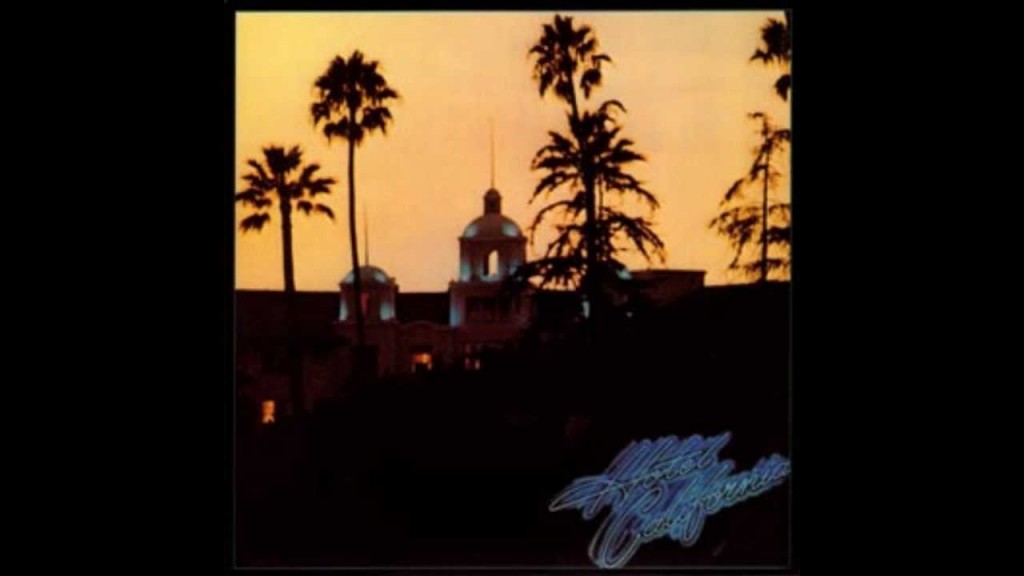
If you haven’t heard the previous 6 episodes in this series then I suggest you go back and listen to them first. So far I’ve talked about lots of things including the history of California, some British & American English, Venice Beach, Segways, Baywatch, The Red Hot Chili Peppers, Hollywood & Celebrity Culture, Hotel California by The Eagles, Yosemite National Park, bears, The church of Scientology, an interview with AJ Hoge from Effortless English, a biography of Robin Williams, and descriptions of the things I did and saw while on my honeymoon with my wife.
In this episode I’m planning to talk about San Francisco, earthquakes, the hippie movement, customer service, the California coast and some more British and American English vocabulary.
A lot of what I am saying is transcribed on the page for this episode at teacherluke.co.uk. Look for episode 294.
*I’m expecting a package to be delivered by the postman at some point, so you might hear a knock at the door or the buzzer. It goes ‘buzz’, so it’s not a doorbell it’s a buzzer.*
Let’s get straight into it.
August 16
Cemetery & view of Golden Gate Bridge.
Fisherman’s Wharf & tourist area. Sea lions that weirdly arrived in the harbour just after the 1989 earthquake. Why did they suddenly arrive after the quake? Perhaps their previous social spot had been damaged or something like that. I’m not sure.
Cable car. Long delay and pretty grumpy service but it’s a great experience, hanging on to the side of the car as the driver pulls various weird levers, making the car move up and along the steep streets. We met an American couple who had been married for over 30 years. The wife did all the talking. Apparently they’d been to a Giants game (baseball) and he had caught a loose ball that had flown into the crowd. Apparently this is quite an honour in the states. You can keep the ball.
I met AJ Hoge in the afternoon. Listen to the previous episode for that interview.
That evening we ate dinner in a really well-reviewed Japanese restaurant just near our hotel – Sanraku – incredible sushi! This is the best Japanese food I’ve ever had outside Japan, and I had a load of sake and a couple of beers. Sake is really nice and a little dangerous to drink because you get drunk without realising it because it has such a light taste.
August 17
Earthquake in the morning!
A bit about earthquakes.
Tectonic plates.
They move against each other. Sometimes they overlap, sometimes they press against each other.
Sometimes pressure builds up and then the plates suddenly move at the fault lines. This causes ripples of movement through the ground, or the whole ground to suddenly shift position. The movements, ripples, vibrations or whatever you want to call them can last some time, and they can cause huge amounts of damage.
If the quake happens off-shore, then there’s likely to be a big tidal wave or tsunami after the event. As the ground is displaced very quickly, it can displace massive amounts of water. For example, it might cause the water level to rise suddenly. Imagine filling a plate with water and then tipping the plate slightly. It would cause some of the water to run off the side of the plate. It’s like that but on a much larger scale of course. The water has so much volume and mass that it is almost impossible to stop. When it reaches the land it carries lots of earth and all kinds of detritus with it, turning the wave into an incredibly powerful and unstoppable wall of destruction. You can see footage of this from the Japanese tsunami of 2011. What a tragedy that was (although the Japanese showed characteristic strength and determination in the way they recovered from it).
It pretty much impossible to predict an earthquake, but it seems that along the San Andreas fault at this particular spot near San Francisco, there is a really big earthquake every 70 years or something, and the big one is long overdue. In fact, the whole region of California is subject to earthquakes quite regularly.
Earthquake Myths and Facts
Here are some myths and facts about earthquakes, from the U.S. Geological Society website.
http://www.usgs.gov/faq/taxonomy/term/9830
San Francisco style
Everyone’s wearing sports gear and they’re all really health conscious. They’re constantly in their gym gear and they look very active and healthy. In fact, being healthy and looking after yourself seem to be important aspects of life in this part of the country.
Acai bowls
My wife persuades me to switch to these instead of the big plates of pancakes and its a good move.
Acai are berries that grow in Brazil and apparently they contain everything you need. Vitamins, nutrients, amino acids and all that stuff. These acai bowls are popular all along the coast. They’re a bit hipsterish, but they’re good. The acai berries are turned into a kind of powder, which is mixed with things like almond milk or hemp milk, and frozen fruits, and then blended to form a sort of sorbet. This is then put into a bowl and mixed with granola, nuts, cut banana and strawberry, and is topped with coconut flakes or other things. They’re really good and they keep you going for ages without making you feel bloated. In fact, you don’t feel that full, but you’re not hungry either, and it gives you plenty of energy and no guilt.
My wife is now on a mission to make acai bowls popular in Paris!
Haight Ashbury
We then walked towards the Haight Ashbury area. The plan is to walk all the way over to that part of town, picking up some coffee on route. Then we’d walk through HA, pick up lunch at Wholefoods there, and eat a picnic in Golden Gate Park where apparently there is live music every Sunday. I’m quite curious about Haight Ashbury, because I’ve heard about it and read about it so many times, especially in documentaries about music and art from the 1960s.
History of Haight Ashbury & the Hippy Movement
What happened in Haight Ashbury in the 60s? What was the hippy movement all about?
There was a counterculture movement, a youth movement in the USA (and in many other places of course) that started in the late 1950s but really gathered momentum in the 1960s, seemed to peak in the middle of that decade, and was pretty much over by the early 1970s. I’m sure you know what I’m talking about, as I know that a lot of you listening to this are fans of the music that we associate with that time, and you may well know as much about this subject as I do, but nevertheless here is a brief history of the hippy movement.
This was a subculture and ideological movement which started with the beatniks earlier in the decade. “Beatniks” – that’s kind of a nickname given to the movement that came before the hippies. The beatniks were writers, artists, intellectuals and radicals who were united in a general feeling of dissatisfaction with the status quo. They rejected materialism (e.g. the idea that happiness in the USA can be found by marrying, getting a steady job, buying the right home with the right car, and the right modern accessories in your home and all that kind of square thinking). The Beats were more interested in soul-searching and trying to find some deeper meaning to life. This seems pretty normal now, and part of the dominant culture these days. Everyone has their soul-searching teenage period where they write a diary, write poetry and get all deep and meaningful. Well, that was common for teenagers of my generation in the UK, who got into indie music, started dressing like goths and smoked self-rolled cigarettes. The beats were the first to do that (although I expect there were other movements in Europe that did essentially the same thing, like the Bohemians). The Beats were heavily inspired by jazz musicians like Charlie Parker and Miles Davis and like this kind of jazz music, life for the Beats was a free-form search for truth and inspiration in the creative process. It was like a big improvisation with no boundaries. Sounds pretty groovy, hip and cool right? In fact those are words that come out of that time. All of them were probably coined by jazz musicians, but the beat generation appropriated them, or at least used them too. So, if things were good they were ‘cool’, or ‘hip’. You ‘dig’ things which are ‘cool’. The opposite of ‘cool’ was ‘square’.
We associate the Beat movement with certain writers, who are called the Beat writers, or Beat poets. These are people like Jack Kerouac, Allan Ginsberg, William S Burroughs and Ken Kesey. Some of the beats were into buddhism, sexual liberation and drug use. Out of this subculture came the hippies, who pretty much based their whole way of life on the ethos of the beat generation, and used books like “On the Road” by Jack Kerouac as a starting point for their own rejection of materialism and ‘normal’ life.
The word ‘hippie’ comes from the word ‘hip’, meaning ‘cool’ or in tune with this way of thinking. People also used the word ‘hipster’, but now we know we use the word ‘hipster’ for another kind of modern subculture – those uber-cool people who you find in East London who grow their own denim butter, have long beards and skinny jeans, use no electricity, ride fixie bikes, reject mainstream products in favour of vintage or handmade stuff, reject the dominant political system, and live in an apartment paid for by their rich parents. They’re similar to the beat generation or the hippies but today’s hipsters just seem to be more interested in just being cooler and more culturally aware than everyone else, and don’t have the same sort of communal spirit or mission as the hippies did.
Anyway, a whole generation of young people in the USA and in other parts of the world in the 1960s were really influenced by the beat generation and took on their values, and pushed them further – not everyone did this – not everyone at the time was a hippie. No, it was a subculture after all, but enough people lived the lifestyle for it to be a significant cultural movement. The hippies took it a bit further and embraced the whole concept, forming communes (shared living communities) in certain places – notably Haight Ashbury in SF and Greenwich Village in NYC (where the likes of Bob Dylan were playing protest songs and folk music in cafes).
The introduction of certain drugs, especially LSD into these communities really accelerated the whole movement, along with certain key events like the escalating conflict in Vietnam and the release of records like Bob Dylan’s first album, and albums by the Beatles. LSD was a drug that was created by accident by a pharmacist/chemist. It ended up being appropriated by the hippie movement because of the way it gave users incredibly transcendent mind trips, which made the hippies feel like they were experiencing things on a whole new level of consciousness. The innocence, youth, energy and vitality of this movement peaked in 1966/1967 particularly in the community of Haight Ashbury where, according to the accounts of lots of people, there were all kinds of open, free gatherings of people who took LSD, danced, made love and generally were very peaceful and transcendent, when they weren’t organising protests against the Vietnam war or other injustices. The hippies were for harmony with nature, sexual liberation, the use of drugs for mental liberation (aka consciousness revolution), peace, free love, communal living and eastern influenced spirituality. For the hippies, their immense optimism, fuelled by psychedelic drugs and perhaps a certain amount of naive idealism created the feeling that their love was going to change the world, and that there would be a sort of consciousness revolution which would cause the whole world to realise a totally new way of thinking and to start living in peace. The soundtrack to this period was albums like Sargent Pepper’s Lonely Heart’s Club Band by the Beatles. The thing is though, all the drug taking and free love did not come without a price, and it was naive of the hippies to think that their lifestyle was sustainable. True spiritual transcendence could not be achieved by simply taking a 2 dollar hit of acid, and many people just ended up mentally damaged by their use of LSD, and when harder and more addictive drugs like heroin arrived, the scene became much darker. In fact, hard drugs and other things like the later threat of AIDS pretty much killed the innocence and youthful spirit of the movement.
The optimism of the hippie movement and its decline were really well described by writer Hunter S. Thompson in his book Fear & Loathing in Las Vegas. There is one particularly famous passage in which he describes the essence of the movement as like a wave that travelled across the country, then broke and flowed back again, leaving a sort of cultural high-water mark, or a cultural mark on the country. This is probably Thompson’s most celebrated bit of writing. There is a film version of the book, directed by Terry Gilliam and starring Johnny Depp, who does an amazing acting performance in the role of the main character, who is a version of Hunter S. Thompson. Let’s listen to the scene from the film when Thompson talks about Haight Ashbury and the hippie movement. This is Hunter S. Thompson, played by Depp, in 1971, looking back at the previous 5 or 6 years, surveying what had happened before.
Fear & Loathing In Las Vegas – The High Water Mark
The Woodstock Music Festival was probably the culmination of this whole movement. It didn’t take place in San Francisco, but near New York. That was a massive happening, with hundreds of thousands of people who gathered together to celebrate love and peace, with some of the great bands and musicians of the time, like The Who, Jimi Hendrix and Crosby, Stills & Nash playing the soundtrack.
The end of the dream came with a few events that showed the dark side of all that drug taking and chaos – Charles Manson, Altamont (a Rolling Stones concert that involved the Hell’s Angels who killed a guy), hard drugs and their damaging effects, AIDs.
How does this relate to that Eagles song? They’re singing about people damaged by loss of innocence – the same people who used to be idealistic, but ended up lost in decadence and the temptations of sex, drugs and rock & roll.
Talking of rock & roll, let’s listen to George Harrison, who of course was a member of the Beatles and someone who was at the heart of this whole scene. Here he is from the Beatles Anthology documentary talking about how he visited Haight Ashbury in 1968 expecting it to be a kind of hippie heaven of peace and love, but in fact by 1968 it had become quite a scary place with lots of people just living in the street, begging and taking hard drugs (he described them as ‘bums’). I think it was quite a shock to him and that’s when he decided to stop taking LSD and he sort of rejected the hippie movement and instead chose to embrace Indian transcendental meditation – a much more disciplined and well-established form of spiritual exercise.
George Harrison (originally from Liverpool, UK) – Haight Ashbury 1968
What’s Haight Ashbury like now?
It still has that general atmosphere, but the original feeling is long gone I think. But it’s still a really cool place, and I was very interested in visiting it in order to see what it was really like. Now it’s artisanal coffee shops, a mix of branded clothing stores and unique clothing boutiques. Really it’s just another tourist destination where you can buy Bob Marley posters, hippie clothing, bongs, pipes and fake retro t-shirts. It’s a bit like Camden Town or something. It’s not a genuine place of consciousness revolution any more although there are still some communes of hippies living there and I think that there’s a lot of housing which is offered to homeless people, or people of no fixed address. In the surrounding streets I saw quite a few homeless people, or homeless looking people and people who seemed to be suffering from mental illness, or on medication for drug addiction. You also find some interesting murals painted on the walls with anti-capitalist messages written on them. That’s partly the feeling of the area, but also there’s a sense that the place is a bit of a tourist attraction. There’s Nike store there for example, which is like a temple to individualism and materialism.
Many people think that the place is not what it used to be. I can’t help feeling a bit sad about this, because the hippies were onto something good. Their intentions were good, but maybe they were idealistic and naive. Maybe they were reckless with their drug use and their free sex, or maybe their movement got crushed by the establishment. Anyway, now in Haight Ashbury there are just remnants of those old values. Lots of organic shops and incense and stuff like that, and certainly some people who believe in ethical and sustainable living, but still a sense of increasing commercialisation. I wonder about some of the locals who have lived in the area for a long time and who now find themselves living in a commercialised tourist attraction.
I think I may have come across one of these people during a visit to CVS – a chain of pharmacies that you find all over the USA. We went in to buy some bottled water. We chose one bottle of Californian water and one bottle of Fiji Water, which is bottled in Fiji and then shipped to shops around the world, including California. We got to the counter to pay and the middle-aged woman who served us just said, in a very passive aggressive manner, “Yeah, why NOT buy bottled water from the other side of the world”.
I recognised the sarcasm, and immediately felt judged. What was she really saying?
Guilt trip! This made me feel pretty bad for a while, until I snapped out of it.
What do you think? I expect most of you are thinking – ignore her, she was being really rude! And you’re right, but…
I think she had a point to be honest, but I’m not sure if she made it in the right way. (I mean, giving someone a guilt trip about a product they are selling someone may not be the best way to get your message across, or maybe it is – it had an effect on me!) The woman was certainly rude to me, but does that matter if her point is valid? I wonder what it must be like for her working in CVS, while having these values. Maybe she doesn’t have to work there, maybe she has no choice. Who knows. I don’t even know her background, but just that one comment tells me a lot. What do you think? Did she have a point? Is it wrong to buy bottled water which is sourced in another country? Should the woman have said something to me? Is she a hypocrite for working in the shop even when she disagrees with some of the products it sells? Let me know your thoughts as usual.
I did have another couple of experiences with slightly passive aggressive, weird behaviour.
Another guy by the side of the road who seems to be homeless, tried to attract my attention: “Oh did you drop something…hey!” I just kind of shook my head and smiled a bit, but said no. He said “oh no it’s just my brain entrails you’re stepping on” There is a slightly bad vibe from some of these old hippies, but nothing more than that really. I didn’t feel unsafe there or anything, just a bit freaked out by some of these people.
In the park there was a guy who could have been homeless, or mentally ill, I’m not sure really. He was busking, and by busking in this case I mean playing classic American songs, like Motown, The Beach Boys, Elvis on a loud tape player and just singing along – loudly and badly, like a bad public version of karaoke that nobody wanted to listen to. There were three youngish people sitting on the bench next to him, looking pretty awkward because this guy was pretty loud and acting quite crazily and I think it was a bit off-putting for them. After a while they got up to leave and didn’t really acknowledge him or give him any money, and he said “Hey, thanks for the tip!” – A pretty passive aggressive comment considering they hadn’t given him a tip. I think they were a bit put off and possibly slightly scared of him, and they didn’t respond but kept walking away. He repeated, louder and louder “Hey, thanks for the TIP!! HEY THANKS FOR THE TIP!!!” – a slightly disturbing moment, but nothing bad actually happened.
Despite some of these little scenes had a really nice relaxing time in Golden Gate Park, even though there was no music when we were there, except for the “thanks for the tip” guy. We lay on the grass reading and napping a bit, digesting our food.
More Audiobook Recommendations – www.audibletrial.com/teacherluke
Let’s continue to look at a few recommendations for California-related audiobooks you could download free by going to www.audibletrial.com/teacherluke
The two books I’d like to recommend are associated with the Beat movement of American literature, which was so important to the values of the later hippy movement.
“On The Road” by Jack Kerouac
This is probably the book which inspired the hippy movement more than any other. This is what is written in the summary for this book on audible.com: Few novels have had as profound an impact on American culture as On the Road. Pulsating with the rhythms of 1950s underground America, jazz, sex, illicit drugs, and the mystery and promise of the open road, Kerouac’s classic novel of freedom and longing defined what it meant to be “beat” and has inspired generations of writers, musicians, artists, poets, and seekers who cite their discovery of the book as the event that “set them free”.
Do you fancy listening to an actor read that book to you? Visit www.audibletrial.com/teacherluke to sign up to a trial membership. You can download any audiobook you want, and then either cancel your membership and keep the audiobook, or continue as a member and enjoy more audiobooks every month.
“One Flew Over The Cuckoo’s Nest” by Ken Kesey
Ken Kesey was part of a group of writers called The Merry Pranksters, which also included a man called Neal Cassady who was one of the inspirations for a principle character in On The Road. Kesey and the Merry Pranksters were a group who advocated a particular way of life that inspired the hippy movement. The Merry Pranksters sounded like a cool and funny bunch of people. They drove around America in a big bus. That was the inspiration for The Beatles “Magical Mystery Tour” film. Basically, Ken Kesey is a very important figure in the American counter cultural movement of the 1960s. A key writer in the Beat generation. Beat writers like Kesey influenced so many important cultural figures that followed them, including pretty much all of the famous rock musicians who emerged from the 60s and 70s, including The Beatles, The Rolling Stones, The Doors, The Byrds, Neil Young and everyone else basically. They’re the ones who defined that whole lifestyle that is now so globally pervasive.
“One Flew Over the Cuckoo’s Nest” is the story of a charismatic criminal who ends up in a mental hospital when he’s not really mentally ill. He fakes it in order to avoid prison, thinking it will be much easier. What he discovers is that the mental institute is far more sinister than he’d imagined, and he ends up in a great mental power struggle against the strict nurse who runs the hospital. It’s all about the corrupting nature of power, about fighting against the establishment, about the fine line between sanity and insanity, and the idea there is something rotten at the heart of the American administration. What’s more, it’s just a great dramatic story, terrifically well written with some fantastic surprises. The main character is a lot of fun, and the evil Nurse Ratched is a great villain.
It’s sad, joyful, moving, and powerful, particularly at the end. There’s also a great film of this book, starring Jack Nicholson.
You can download the original version, narrated by Kesey himself (abridged and only 3-4 hours), but I recommend the 50th Anniversary Edition read by actor John C. Reilly (who I’m sure you’d recognise if you saw him – he’s a brilliant actor, with a really distinctive voice). It’s unabridged, so you get the whole book which comes to 10+ hours of audio.
End of Part 7. Part 8 coming soon, and I’m sure it will be the final chapter in this series. :)
Welcome to episode 293, which is in fact part 6 in this mini series based around my recent trip to California. There’s still a lot to talk about, and in this episode I’ll tell you about our time spent in San Francisco and that’s going to include these things – my interview with AJ Hoge the well-known online English teacher, more British and American English, earthquakes, a short biography of Robin Williams, a history of the peace & love movement in San Francisco, more descriptions of our trip down the west coast of California, and some more tips about how to talk to waiters and customer service staff.
[DOWNLOAD]
It seems pretty obvious to me that this is too much for one episode, so I think there will probably be a part 7 to this series, and after that we’ll return to normal podcasting and English teaching, with perhaps some more UK oriented topics in future episodes, and more episodes featuring authentic unscripted conversations with my friends Amber and Paul.
Video
Here’s a video of the Periscope live feed I did while recording this episode. Watch the video for about 20 minutes of extra video content, and to watch me recording this episode.
AJ Hoge Interview
I think I should start this episode with my interview with AJ Hoge. This took place in San Francisco in the lobby of the hotel where we were staying.
Who is AJ? http://ajhoge.com and http://effortlessenglishclub.com
AJ is an American-born English teacher who started his career as a social worker (what’s a social worker?) before going into English language teaching. He taught English abroad in Thailand, Japan, Korea and other places, and at home in San Francisco before becoming an independent self-employed teacher on the internet. He has created his own online English teaching courses and has written a book about learning English, and he sells all those things on his websites (see links above). He’s also a public speaker who has been booked to do conferences, speeches and presentations about learning English, sometimes to thousands of people at a time. He’s probably the most well-known English teacher on the internet (yes – more well-known than me – he’s good at marketing himself!) and I’m sure that you’ve come across him. I’m very impressed by what he’s achieved as an independent teacher and it was really interesting to meet him and find out about his work. I recorded our conversation and I’m going to play it to you right now.
Unfortunately I had a bit of a technical problem during my meeting with AJ. I was using a new portable audio recorder and for some unknown reason it kept turning itself off during our conversation, which was very frustrating indeed. So unfortunately some parts of our conversation are lost. That explains why the conversation cuts out a couple of times, particularly at the end. Fortunately, the main part of our conversation was recorded, so let’s listen to it now!
Part 1 – You’ll hear an introduction, but then the recorder switched itself off after a couple of minutes, which is why the conversation stops abruptly.
Part 2 – I started again after discovering that the recorder in my hand had in fact switched itself off again. We spoke for another 20 minutes or so and then the recorder switched itself off again! This is why the conversation stops abruptly before I had the chance to say thanks and goodbye to AJ. We plan to stay in touch though, and we might talk again via Skype in a future episode of the podcast.
More British and American English Vocabulary (Part 3) – Clothing
Trousers – Pants Clothing
Nappy – Diaper Babycare
Jumper – Sweater Clothing
Tights – Pantyhose Clothing
Waistcoat – Vest Clothing
Trainers – Sneakers Footwear
Braces – Suspenders Clothing
Dinner Jacket – Tuxedo Clothing
Polo neck (sweater) – Turtleneck Clothing
Wellington Boots (Wellies) – Galoshes Footwear
August 14
Let’s go back to the day we left Yosemite, before I met AJ in San Fransisco. Remember that this is after we had our long hike in the mountains and my wife sprained her ankle and had to use crutches to walk down.
In the morning my wife tentatively tries walking a bit on her ankle and thankfully seems ok after all that rest, and because she managed to keep her weight off it during the rest of trek with the help of the crutches. She’ll be able to rest it even more in the car, and take it easy for the whole day as we won’t do much walking.
We drive out of Yosemite. It’s a bit of a pity to be leaving all these huge rock formations like El Capitan and the Half Dome. We’ve got to know them quite well, and it’s always an exciting surprise to see them through the gaps in the trees. They’re like the big celebrities in this park and whenever you see them they dazzle you with their charisma and charm. As we’re driving out of the valley we stop a few times to just stare up at them for a while, particularly El Capitan, which I think is one of the biggest vertical rock faces in the world. Rock climbers enjoy climbing it, but it can take 4-5 days to go up the whole thing. The climbers actually sleep on ledges on the rock face, or they set up beds which hang from hooks in the rock face. Imagine sleeping on a tiny camping bed, hanging from the cliff, with thousands of feet of air below you. I’d never be able to sleep in those conditions! But it must be an incredibly thrilling way to enjoy the place.
We’re going to miss these mountains and rock formations, but it’s time to drive to our next stop – a place we’re looking forward to very much. San Francisco.
As I outlined in the second part of this series when I talked about California’s history, SF was originally a Spanish settlement for missionaries, but then when gold was discovered at almost exactly the same time that California became part of the United States, the city grew really fast to be a gold rush town, with thousands and thousands of people moving into the area, including many Americans, but also Europeans and Asians. That multicultural mix is still evident today.
SF is also known for its earthquakes. There was a big one in 1906 that destroyed large parts of the city, but it rose again, like a phoenix from the ashes. In fact, the flag for San Francisco shows a picture of a rising phoenix to commemorate the city’s recovery. There have been a few big earthquakes here over the years, including another one in 1989. The city is still expecting another really big earthquake to hit at any time, which is a bit of a worrying thought, and one that I suppose the residents of the city don’t think about too much. Does that idea give San Francisco a kind of laid back and open-minded atmosphere? Possibly. I suppose if you know in the back of your mind that everything could be destroyed any minute by a big earthquake, it makes you a bit more philosophical, or it makes you enjoy every moment while it lasts. That feeling does pervade the place a bit. It’s got a peaceful, meditative and bohemian atmosphere which is really refreshing.
San Francisco is also known for being the focal point of the beatnik and hippie movements of the 1960s. Haight Ashbury in particular is the district that was associated with those movements. More on that later.
Long drive to SF.
First views, Bay Bridge.
Obligatory Wholefoods stop.
Our hotel and the area. Polk Street. Home for the next few days.
We’re staying near a place called “Nob Hill”. In fact our area is known as “tender nob”, which I found particularly funny, because ‘tender’ means soft, and a ‘nob’, well, it’s a bit rude – it’s a willy, a penis… So…
Being in SF was like being back to civilisation, and a really great kind of civilisation. A really bohemian and cool atmosphere, with interesting places, loads of originality, lots of good little shops, cafes and bars with long lists of local beers, coffees, wines and ciders. We pretty instantly fall in love with the whole Russian Hill/Polk Street area. We walk up the street looking for places to have dinner and breakfast the next day.
Bookshops, bars, cafes, the boardgames shop (Sherlock Holmes boardgame) and pizza & beer. Settle in nicely.
August 15
Next day, explore. Russian Hill, Pacific Heights. Those hilly streets and amazing views!
Have breakfast in a place called “Toast” which seems to me like the most American breakfast place ever, and I order a big American breakfast plate loaded with pancakes and fruit, with butter and maple syrup. It’s absolutely delicious, but later that day I feel like my blood-sugar levels are such a mess that I really shouldn’t eat more food like that and decide to try to be more healthy.
Again, I’m reminded of films which are set here, including Dirty Harry and Bullitt.
Beautiful multicolour houses and quirky doorways. Very expensive neighbourhood.
We come across a tribute to Robin Williams outside a house where they filmed Mrs Doubtfire. It’s exactly one year since he died. We hang around there, thinking about Robin Williams.
Who Was Robin Williams, and What Happened to Him?
Let me give you a brief history of the life and death of this great comedian.
Trained at Juilliard School.
Had a particular gift for improvisational comedy.
Became famous in Mork & Mindy.
Also did stand-up.
Had big problems with alcohol and substance addictions, particularly cocaine.
He managed to quit when his first child was born. Lived as a recovering alcoholic.
Went on to do some very popular movies, in both comic and straight roles.
Won an oscar for his role as a psychiatrist in Matt Damon and Ben Affleck’s film Good Will Hunting.
Apparently he was a very sweet, very generous and warm guy, but he was affected by bouts of depression.
As a performer I find him incredibly versatile and animated. His comedy seems almost to be compulsive in its nature. He’s a whirlwind when in front of an audience, full of impressions, different voices and many bizarre tangents which are often dialogues between different characters, all played by him at break-neck speed.
In interviews he seemed to occupy two modes – the first was the extrovert comedian, the other was the sweet and sincere actor. He seemed a bit bipolar. I guess part of his talent was that wildly free sense of instant creativity, but it might have been quite difficult for him to deal with on his own.
He fell off the wagon (began drinking again) in 2006 while filming in Alaska. It’s kind of understandable that he turned to alcohol again considering the circumstances – I mean, he was in Alaska. (just kidding)
He went into Rehab but I think the return to alcohol was a symptom of a difficult time in his life.
He later had heart surgery which involved part of his heart being replaced, and apparently this affected him quite badly as his physical and mental condition seemed to get worse and apparently from that time forwards he suffered from depression, anxiety and paranoia. He was wrongly diagnosed with Parkinson’s too, and given medication and treatment that didn’t help the real condition that he was experiencing, which is called Lewy Body Dementia, a degenerative condition in which nerves cells in the brain are blocked by protein clumps (bodies) that interfere with function. Apparently the Parkinson’s medication made the Lewy Body Dementia worse and may have exacerbated his low state of mind, pushing him to suicide.
He killed himself almost exactly a year ago to the day that we found ourselves at the shrine to his memory on this San Francisco street.
I couldn’t help feeling a bit sad about this because I really enjoyed Robin William’s comedy, but also it’s just such a pity that he had to go through such misery, and that anyone has to go through any kind of misery caused by physical and mental conditions. I hope with more research and the right kinds of treatment, this sort of thing can be prevented in the future.
Anyway, I just wanted to mention Robin Williams there, as a sort of tribute.
SF continued…
Korean Barbecue
End of Part 6 (Oh my goodness, will I ever finish this series!?) Part 7 coming soon…
Hi listeners, I hope all’s well. Here’s part 5 in this series which I’m doing about my California road trip. In this episode I’m hoping to talk about these things: The Church of Scientology, Yosemite National Park and our slightly dramatic adventure there, more British and American English, and if time I’ll talk to you about San Francisco, where among other things I met and interviewed AJ Hoge. So let’s get started. [In fact I only managed to talk about Scientology and the Yosemite experience – British & American English, and AJ Hoge will be in the next episode].
[DOWNLOAD] Periscope Live Broadcast
While recording this I’m also doing a live-stream on Periscope. You might be thinking – oh, I wish I’d known about that, I would have watched it! You can watch the videos of the live feed here: (and there’s about 45 minutes of extra stuff in the videos that you don’t hear on the podcast)
The Road Trip Continues… 11 August
Prepare to drive to Yosemite – we go to CVS and stock up on water and other supplies, program the SatNav (GPS) to take us via Bakersfield and Fresno, then up Highway 41 into Yosemite, where we have managed to book a spot in a camping ground. We’re both really looking forward to being in the fresh air in the mountains.
Before leaving we stop for breakfast in a recommended cafe where they do awesome pancakes with whipped cream, maple syrup and free refills of coffee. We park the car and walk up the street and then suddenly come across a huge imposing blue building. It’s massive and weirdly painted bright blue. It’s the headquarters of the Church of Scientology. At this point I’d like to talk a little bit about Scientology, which I consider to be a fascinating and (here’s that word again) mysterious aspect of California life.
What’s the Church of Scientology?
Here’s a recording I made at that moment.
Play the first recording.
It’s a religion, and quite a controversial one. Some people call it a cult. Some of its members are famous celebrities like Tom Cruise and John Travolta. Apparently the church has a lot of influence in Hollywood, and lots of people think it’s really weird and secretive. There are even suggestions that the church has been involved in criminal activity, threats – again these are just allegations, but it’s pretty mysterious and fascinating, like something from a mystery novel.
I recently saw a really interesting documentary about Scientology, called “Going Clear” in which lots of ex-members (people who decided to leave) of the church explain what it’s really like, and they don’t say very positive things. In fact the documentary seems to suggest that it’s a power-hungry cult which takes money from its members and threatens them with retribution if they try to leave. There are also suggestions that the church committed crimes like burglary, theft and intimidation in order to avoid having to pay a huge tax bill to the US government. Bold claims indeed. What’s really going on in this blue building?
A brief history of Scientology
This time I’m going to paraphrase a summary of Scientology that I’ve found on the “For Dummies” website. “For Dummies” is a series of books that help to explain various complex subjects in simple terms. You might know the series – they have distinctive yellow covers. It’s a really good series and they have books on almost every subject. A quick look at the For Dummies series on Audible shows titles like… (read some titles).
Recently I’ve been listening to the audiobook version of “British History for Dummies”, and it’s really good and yes I got that from Audible. You can get it too if you want – just click an audible button on my site or go to www.audibletrial.com/teacherluke and sign up for a trial and you can get a free audiobook. You could choose one of the “For Dummies…” books. Just search Audible for “For Dummies” and you can see all the books available.
Anyway, For Dummies also have a website with clear and fairly brief summaries. So, let’s check out the summary for Scientology. You can check the link here: http://www.dummies.com/how-to/content/what-is-scientology.html
So, what I’m about to say is based on information in that summary, but also what I learned from the Scientology pamphlets I’ve read and what I learned from several documentaries I’ve seen.
The church was set up in 1953 by a writer called L. Ron Hubbard. Hubbard was already fairly successful as a writer of both science fiction stories, and then self-help books. His most successful self-help book explored the relationship between body and mind, and he called it Dianetics. This book became the basis of the religion he then set up called Scientology. Some critics say that Diabetics is just quackery (not proper science or psychiatry) he only set this up as a religion because it was a tax-dodge. In the USA religions don’t have to pay tax, so Hubbard is criticised for having a cynical reason for making his religion in the first place – so that he could make money, or worse – that he was just power-hungry. Whatever the reason, Scientology was set up as a religion in the USA.
Hubbard is loved by the Scientologists, but viewed with a lot more suspicion by many non-members of the church. For example, the French government, who considered him to be a fraudster and tried to convict him of customs violations in the 1970s. “Britain, Greece, Spain, Portugal, and Venezuela all closed their ports to his fleet in the 70s. At one point, a court in Australia revoked the church’s status as a religion.” (Wikipedia page https://en.wikipedia.org/wiki/L._Ron_Hubbard#Life_in_hiding) These are all reasons why he went into hiding in 1970. To go into hiding means to leave the place where you live and go to a place where nobody can find you. He was the leader of the church right up until he died in 1986.
What do Scientologists do?
You can walk into a Scientology centre in many cities in the world now, and have a counselling session. In fact you might be invited in for one. When I used to live in London I used to walk past the Scientology centre in central London and they would sometimes as me if I wanted a stress-test. I always said no because I felt it was just a way for them to get me into the centre. I imagined it would be like this:
“Hi, are you feeling a bit stressed today? Would you like a free stress test?”
and then you go in and they check you out and tell you that you’re feeling all stressed out and that stress is really harmful and that they have all the solutions to how to combat stress and live a more effective life – and it’s Scientology. “Here’s a leaflet” or “Would you like to sign up to a course?” and then you’re in.
Sounds okay doesn’t it? I expect it is helpful at the beginning, for many people. It’s just not for me.
A counselling session at the church is called an audit. Essentially, this is a bit like a psychotherapy session. You’re invited to share deeply personal things in order to free yourself from emotional burdens. It sounds a bit like Freudian psychoanalysis doesn’t it? In fact Scientology completely rejects psychoanalysis. Apparently, Scientology is the only way. During these auditing sessions you are hooked up to a machine which is called an E-meter. According to scientology this can measure your thoughts, well – it’s not just as simple as ‘thoughts’ – apparently it’s related to immortal spirits from space which inhabit our bodies and prevent us from living a healthy and happy life. Auditing allows us to set these spirits free, which makes us feel better. Critics say the e-meter just measures electromagnetic energy in your hands and is no more revealing about your mind than a crude lie detector test. But, according to Scientology if an e-meter is used by a Scientology minster then it really works. Freeing yourself from levels of emotional burden in these auditing sessions is called going clear, and there are different stages of clarity. In order to achieve those levels of clarity you need to do more and more audits, share more and more personal problems, and also contribute more and more things to the church. This costs quite a lot of money as courses of auditing are not cheap, and all of this goes to the church, and also all the private and personal things you’ve said in auditing sessions are recorded and kept by the church. The aim is to free yourself of all your emotional burdens and achieve a state of perfect clarity. Apparently the church of Scientology is very rich as they have purchased some incredible pieces of real estate around the world, such as this massive building in Los Angeles. It’s not clear exactly how much power they have. Some say they exert some influence in Hollywood’s entertainment industry.
What do Scientologists believe?
Scientologists believe that people are in fact just receptacles for immortal spirits which came down to earth many years ago. The church doesn’t like it if these spirits are called aliens. Because, it sounds bad if you believe in aliens. It sounds a bit mad doesn’t it. So let’s not call them aliens. Apparently, these immortal ‘spirits’ live within us. They’re trapped inside us, and they can only be freed by going through auditing sessions, until you get to the top of level of clarity when I guess the aliens, sorry spirits go somewhere else. I’m not sure of the details of what happens to the spirits, or if we are the spirits, or what they look like.
OK, fair enough I suppose! We’re all entitled to our beliefs. What’s so controversial about them?
Here’s what’s written on the page from Scientology for Dummies, by Scott Barnes: http://www.dummies.com/how-to/content/what-is-scientology.html
Scientology is one of the most controversial religious movements of our time. Many people reduce their world view to nothing more than a cult that brainwashes its members and then fleeces (cons) them by charging outrageous fees for some auditing classes. Critics lambast the church for its rejection of established psychiatry, and many people take issue with the church’s “Celebrity Centres,” which are facilities that are technically open to the public but primarily serve the most famous Scientologists in the arts, sports, and government (think Tom Cruise, Isaac Hayes, and Nancy Cartwright).
Reports from some who have left the Church of Scientology are even more incriminating and include stories of church members being held for years against their wills at “rehabilitation camps” for violating certain policies, or sending members to go through the trash of the church’s critics and former members to find material to blackmail them into silence. In 1979, several Scientology members were convicted for participating in the largest theft of government documents in U.S. history. Scientologists have also been accused of tampering with witnesses in court cases and even murder.
In response to these claims, Scientologists state that their religion is genuine and that the movement has been distorted, and that they are being persecuted.
Among the criticisms are: Scientology preys upon people who want to make it in Hollywood by suggesting that they can help, then they force them to stay in the church with the suggestion that they can harm their careers due to their extensive connections in the business, they illegally resisted an investigation into their accounts by the IRS (the US tax office), they bully their members and they blackmail high-profile members like Tom Cruise and John Travolta into staying in the church – remember the church has recordings of all those extensive and deeply personal auditing sessions. These are all allegations and criticisms which have been made against the church – not necessarily my thoughts. I haven’t decided what I think of them yet and I’m just curious.
Is it possible that all of this sinister stuff is going in within these imposing blue buildings that we saw? I wonder…
Play the second recording.
I decided I’d try and talk to someone. I felt a bit excited and a bit nervous because I know the church can be a bit touchy about people doing recordings or making documentaries about them, which I guess is understandable. Anyway, I decided that I wanted to talk to someone so I went over to some of the people in uniform who were walking around the building. I spoke to a woman who was very nice and normal, of course. I told her I was making a holiday diary, and that I had just come across the building and wanted to interview someone about it. She took me into the building and I spoke to someone in reception. I made a recording afterwards.
Play the third recording.
What do you think about Scientology?
The woman I spoke to seemed very happy and proud to be working at the organisation. The place looked very smart and clean. Many members of the church say that it has helped them a lot. But what about all these allegations? Tell me what you think? Is the church a cult? Is it a force for good? Is there a church of Scientology in your country? What do you think?
Yosemite National Park
Yosemite is a huge national park, and probably one of the most stunning parks in the world. Most of the tourism there is centred on Yosemite Valley, which is full of meadows, a river and pine trees, and some accommodation and camping grounds. Around the valley you have incredible granite rock formations including stunning mountains. There are granite rock faces like El Capitan, Half Dome, Sentinel Dome and so on, also some of the highest waterfalls in the world. The whole thing combines to be a stunning place to spend time camping, cycling, hiking or rock climbing and it is visited by about 5 million people per year. There are a few roads that go round the central part of the park surrounding the valley. 95% of the park is wilderness and hardly any people go there except experienced hikers, climbers and campers. You might know Yosemite from the Apple Mac operating system. At the time I’m recording this podcast, the most recent OS for mac is Yosemite (I believe the next one is called El Capitan – also a rock face in Yosemite National Park). So if you have a Mac with Yosemite, you’ve probably seem desktop images of the place. It’s absolutely stunning. Being there is a bit like being inside your own Apple Mac, but obviously much much better than that because nothing can compare to seeing it with your own eyes.
We drove out of LA and the through back end of the Hollywood hills. Handsome countryside with a highway which is great for driving. But the land soon becomes flat boring farmland. The driving is fun in the Camaro, which comes into its own on the open highway (which is rarely open because of all the cars). I realise that I’ve hardly put my for down the whole time. Most of the driving in LA has been slow cruising or edging forwards in traffic.
I floor the Camaro with some space ahead and it reveals masses of hidden power, roaring and leaping forwards with yet more revs all the time. It seems to have about 9 gears and they’re all RAAAAA!
We eat up the highway and eventually arrive in Fresno after about 4 hours. Fresno, aka Mall-land. It seems to be one giant shopping mall. I guess we’re in the commercial district but there is just open mall after open mall. We pick one with a Wholefoods and get sushi, which is not that great. Wholefoods is like Mecca to us. London has a few, Paris none.
What’s great about Wholefoods?
They’re normal in USA but this one isn’t that great, or maybe the expectation was too high.
It’s freezing inside and boiling outside.
We wander around mall-land looking for supplies.
Then the drive to Yosemite in the mid/late afternoon. A couple of hours.
The landscape gets more and more interesting as we climb up and up the winding highway. Wonderful driving and lovely smell of pine cones and pine trees. We drive with the windows open and the sun on our faces through the trees.
Eventually we’re in Yosemite and we glimpse views of stunning granite formations but keep going. We go into a tunnel and on the other side (tunnel view) the whole valley opens out on the left side. It’s my Mac desktop but we’re actually there. Can’t see properly from the Camaro. Terrible visibility.
After an hour of driving in a daze we arrive at our campsite.
Describe the tents.
Friendly atmosphere. Our tent is situated pretty well.
There are strict regulations about bears.
Black Bears in Yosemite
This is bear country and they are all around the park. They come out at night to go on missions into the valley to get food.
Apparently they have over 2x the sense of smell of a bloodhound, are very intelligent and more curious and confident than dogs, they have huge claws and padded hairy feet which make them silent. You must not keep any food or scented products in the tent or car. Everything has to be in the bear boxes which are very sturdy, made of metal and bolted to the ground. Apparently if you leave food out and then turn your back, they can appear and start feeding. Apparently at night, all the black bears head down into the valley under the cover of darkness. Slightly scary.
Naturally it’s pretty exciting to be sleeping in a basic hut with just a curtain separating us in bed and the bears which I imagine to be wandering around our tents at night.
I don’t have to imagine much because that night a bear has a go at the bear box just next to our tent. I hear it trying to open the box before moving on to try another one and another one. I later hear two people walking past talking about the bear they’ve seen. I was frozen solid in bed the whole time.
Apparently if you come across one you should shout at it angrily to try and scare it away.
I wonder what I would shout at it.
What should you say to a bear? What’s the appropriate thing?
I wouldn’t want to be too rude but at the same time it would be necessary to talk in rather strong terms.
I suppose indirect language wouldn’t work.
You have to be direct and clear, yet reasonable.
I’m joking of course. I think I would just scream at it and swear and say any old nonsense.
I imagine some of you would be a bit cooler.
Not me – I’m from the UK. We killed all our bears years ago, and made them fight dogs and other cruel things.
I imagine that any bear meeting me and hearing my London accent would not be that friendly.
So, no need to be cool. Freaking out and panicking is the order of the day here.
The place has a lovely summer camp, hippie Boy Scout feel to it, although it’s a bit crowded and there are lots of kids. It would be nice to have the place to ourselves of course but that’s impossible.
Dinner in the Yosemite Lodge down the road. Modest canteen food. Bought some tourist stuff like a cap and some playing cards.
Then bed after making sure all food and smelly stuff is in the reinforced box, then draw the canvas curtains – definitely not reinforced. Tie them with a good knot. Will it make a difference?
Of course bears won’t be interested in us, but apparently they’re really curious. We’re wearing mosquito repellent coil things. They’re quite interesting and smelly. Maybe a bear will find it interesting.
I would. “Oh what’s that on your wrist” – would the bear equivalent of that be “roar! Let me poke my head into your tent and bite your arm off, or just maul you a bit (because that’s what large dangerous animals do, they maul you).
Slept pretty well in the open air, despite these thoughts in my head and an actual bear or two outside the tent. Had to go to the loo in the night. I did so, noisily, checking the toilet quickly for any bears that might be in there hanging out or whatever. I did my business and had to look over the top of the door before leaving the cubicle, just to make sure there wasn’t a huge bear waiting for me. But it’s all fine.
12 August
Breakfast in the canteen and then a day in the park.
Stayed on the valley floor on bikes. Packed lunches. Wanted to hike but closed. Apparently there was a fire up there.
Amazing seeing the granite up there. Gave me the desire to climb, but that’s not an option without climbing buddies, and my wife hasn’t really done it before. Bikes are a bit awkward – beach cruiser type things. Mountain bikes would have been better. Still, it’s very peaceful and incredibly fresh. Sunshine and cycling are quite tiring so we end up chilling by the river.
I’m a bit worried about tomorrow. What can we do that’s fun and takes advantage of the proper rugged landscape without being too challenging?
That night I drive us back up to Tunnel Point to see the sunset. We end up staying to look up at the stars, lying on our backs. It’s immensely beautiful as there is hardly any light pollution, so the stars are all revealed in their glory. Millions and millions of tiny points of light. Our galaxy the milky way is so rich that it appears to be like a mist across the sky, but in fact it’s a dense collection of many many stars. We see constellations like Orion’s belt and the plough. Driving back through the valley my wife sleeps in the passenger seat and I stop the car again to lie on the bonnet and look up at the stars some more, but I get totally freaked out by the total darkness around me! We sleep soundly that night, ready for a pretty early start in the morning.
13 August
Early start.
Big breakfast.
Coach trip up to Granite Point. Driver very amusing. 26 years and he has perfected his routine. Full of jokes and dry humour and the story of Yosemite. (What’s the story)
Native Americans.
Granite Point.
Panoramic views and start hike.
Some concern over the preparedness, but in fact we’re well prepared. Our shoes are not climbing shoes, but I think some of that is just marketing, and anyway some of the more recent climbing shoes don’t have ankle protection. 8 miles of hike, mostly downhill. Some uphill bits. Some tricky steps. Should take 4-6 hours.
We do the first 3-4 miles without problem except my wife rolls her heel slightly on a rock. As she’s walking she steps on a small rock, and her heel flexes a bit to the right as her foot slips slightly. I worry for a moment if she’s sprained it but she says she’s fine and carries on.
Amazing views.
Stop at Nevada falls, dip our feet in the pools of cold water, chill out and eat sandwiches.
Time to leave and my wife’s ankle has ceased up completely.
Very painful to walk on and we face 5 miles of downhill trekking. Should take a couple of hours normally but it takes us about half and hour to do about half a mile. She’s holding my hand and using me as a crutch. We have to stop. We’re stuck.
Lots of people stop to ask if we’re ok. People are amazingly nice.
Two women called Jenny and Susan stop. Apparently they’ve just done a training course in safety and first aid.
They take our situation seriously and give us water and food, and then call search and rescue for us. I feel bad for not having done this earlier. Anyway, search and rescue take a full description of the injury and say they’ve sent a ranger up to meet us. Suddenly we’re in a kind of emergency rescue situation with the authorities involved. My wife in particular is gutted and embarrassed. They tell us not to move. We wait for about an hour and then the ranger arrives. Apparently he was on the trail already but he made good time to get to us. I’ve bound my wife’s leg in a bandage given to us J and S. The ranger has crutches and more supplies of water and food. He also has material to give the foot support with a splint.
According to him we should climb back up and then down another way. We realise this is going to take us hours and hours of slow and painful movement for my wife. She’s really pissed off and sorry. So am I.
We walk back the way we’ve come, up to the waterfalls again and it’s slow going. Poor wife has to struggle with crutches or one crutch and my shoulder. Very slow. A 2-3 hour trek looks set to take 5-6 hours. That’s a long time for my wife to hobble along a rocky trail up and downhill on crutches with one ankle in pain and unable to take her weight.
But she’s brave and determined. Every time Josh or I asks if she wants to take a break she says “non!”
She’s determined to get down the trail to the bottom, as quickly as possible.
Describe the trail and the things we saw.
Peregrine Falcons nesting above us.
We talk to Josh and he tells us various things:
There are about 5 fatalities from accidents per year.
That sounds like a lot, as if it’s a really dangerous place, but when you consider that about 5 million people visit every year it’s only 1 in a million who die. Imagine London with its 7 million residents. How many deaths are there in London per year? A lot more. So which is the more dangerous – trekking in Yosemite or cycling to work in London?
Nevertheless, there have been some pretty gruesome accidents, usually as a result of stupid tourists who have no sense of safety or no respect for the nature of the park.
Apparently one of the most common forms of death by accident is from people falling over the waterfalls and falling hundreds of feet to their death on the rocks below.
Apparently they jump around on the huge boulders at the edge of the waterfalls with their cameras and selfie sticks, edging forward trying to get the perfect photo or selfie and they edge forward a little too far and suddenly they’re over the edge.
What happens when a tourist falls off one of the highest waterfalls in the world and lands on granite rocks?
Apparently the rangers have nicknamed it the human water balloon. You can imagine what that looks like to the other trekkers and tourists who witness it happening.
Josh tells us other tales of tourists who are unprepared for the wilderness of Yosemite, even though there are numerous warnings written all over the park.
People who attempt to scale the half dome – a huge granite dome thousands of feet above the valley floor with a sheer vertical drop on one side. It takes at least 12 hours to climb up. Most do it over several days. It’s a proper climb for experienced people and it ends with a long ascent up the dome at a 45 degree angle. To get up there you have to hold onto steel cables which have been bolted into the rock, and use crude wooden blocks also bolted to the granite. Some people lose their grip and down they go. Others lose their cool and panic, with the same result. They fall all the way down to the bottom.
The search and rescue Rangers are called up to the mountainside every day. Sometimes it’s necessary to do helicopter rescues.
According to Josh, this year a woman fell from the half dome but didn’t fall to her death. Instead her shirt got caught on a sharp bit of rock and she hung there for two hours before being rescued.
Earlier that day, Josh had to rescue a guy who had fallen out of a tree. Apparently he was climbing the tree, messing around and he fell out and landed badly on a rock. His ribs broke and pierced his lungs. Josh thinks he probably didn’t make it.
This puts things in perspective somewhat. But still, the crutches and the assisted descent are definitely necessary and we count our lucky stars that it’s not worse. Josh tells us that we’re well prepared with water, food and a torch. Yesterday he rescued a Chinese couple who had tried to climb the half dome without knowing what they were doing. It’s at least a 12 hour climb, often more. They’d started after lunch and were quite high up, coming back down when they realised they would never get to the bottom before sunset and then they’d be stranded in total darkness on the trail. Not fun spending a night out there without food or shelter, especially when you know there are bears around, even 9 foot long mountain lions, although they are rare.
Josh heard the couple screaming for help on the trail, and assisted them to the bottom.
Again, 5 million people enter the park every year. Not all of them know what they’re doing.
We continue to make very slow progress down the trail. My wife is in a lot of discomfort, but mainly she’s frustrated at not being able to go faster. Each step is a mini challenge because of the crutches – she has to place them carefully, and then place her foot carefully too, making sure she doesn’t have to put her weight on the bad ankle.
On the plus side, we get to walk with a ranger and we get the sunset on the trail, with magnificent views of the half dome and other domes in the valley. Again, this all seems so familiar to me because of a computer game – this time it’s Red Dead Redemption, which is set over 100 years ago, and you’re basically a cowboy gunslinger in the wild west. The landscape is very faithfully reproduced in the game, and there is a mountainous area with bears which is really similar to the landscape in Yosemite.
As the sun stretches through the trees onto the trail we are basically alone at this point as it gets to about 8pm. We should have been back 3 hours ago but we still have a long way to go. In this quiet I keep expecting to see a bear cross the path in front of us. Everything seems so still and peaceful that I’m sure any moment now we’re going to come across a bear.
Anyway, the main challenge is to get down the mountain, never mind bears and lions. It’s very rocky, there are lots of steps and boulders and so on. It goes on and on forever until eventually we’re walking in the total darkness with torches on our heads.
I carry my wife for some sections, and it’s a chance to go much faster.
Eventually, after ages and ages, we finally get to the end of the trail at a huge water tank, which is like some massive UFO looming out of the darkness. From there we’re all picked up by a local police officer in his 4×4, which is absolutely huge, like many of the cars. It’s giant, with massive tyres. My wife sits in the cab with the police officer. Between them there is a gun rack with several massive semi-automatic rifles, a shotgun and a few handguns. A typical American cop car! Not only is it a tremendous relief to be off the trail and back in civilisation, but we get a ride in what feels like a tank! The police officer drives us through the forests in the closed area of the park, back to where our car is parked at Yosemite Lodge. We stop at the police station and Josh goes in to get us some food. It’s 11 o’clock and we haven’t eaten since the sandwiches at the waterfall. Josh comes out with two US Army meal rations. These are field packs for soldiers and they contain everything for a full meal including macaroni cheese, tea, coffee, a fruit desert, bread, salt, pepper, butter and the whole things heats themselves up without needing fire. Bonus!
In the end, we are completely knackered and go straight to bed, exhausted after I carefully inspect my wife’s ankle. Thankfully it’s not too swollen or discoloured. In fact, I think she escaped bad injury and her ankle will be fine if she rests it. The next 36 hours will be pretty inactive, with a long sleep and then a fairly long car journey so she can rest it.
Hi everyone, here’s part 4 in this road trip mini-series. How are you? Are you keeping up with all these new episodes? I suppose if you’re listening to this it means you are keeping up, but don’t feel rushed. Take your time, listen to them at your leisure, in your own time and at your own speed. I hope you’re finding this series interesting. In this one I’m planning to cover these things: Hollywood Boulevard and celebrity culture, an analysis of the mysterious lyrics to Hotel California by The Eagles, a visit to the extremely wealthy area of Beverley Hills, some more differences between American and British English vocabulary, the church of Scientology and then Yosemite National Park.
[DOWNLOAD]
Let’s see how much of that I can actually get through in this episode. I expect there will be one or two more in this series before we get back to normal podcasting as usual.
L.A. Continued… Hollywood Boulevard
I can’t remember which day this was as I’m losing track of time, but it doesn’t matter. At some point we took a walk along Hollywood Bld – that’s the one with all the stars on the ground and the names of celebrities. If you make it as a celeb, they put a star on the pavement here and you know you’ve made it because hundreds of tourists walk all over you and spill coke and ketchup on you every day. That’s the American Dream isn’t it.
Walking along Hollywood Blvd, and looking at the stars there, I wondered – how do you actually get your name on a star here? (Not that I want to of course) I just wondered – who decides which names are added and how does it happen? Since then I’ve done a bit of research (I read a TIME article based on an interview with a member of the selection committee – you can read it here: http://newsfeed.time.com/2013/07/16/how-to-get-a-star-on-the-hollywood-walk-of-fame/), and so…
How to get your star on Hollywood Boulevard
Essentially anyone can apply, as long as they have $30,000 dollars to spare, but the application will not be accepted unless it meets these criteria:
1. Do some iconic work in entertainment.
This means that you have to have produced something genuinely notable and celebrated in the entertainment world, like made a popular film, done some great acting on TV or in movies or made some music that’s popular enough to have made you famous. The emphasis is on accomplishing some expertise in the entertainment field, which means that reality TV stars are excluded, because it’s not counted as proper work. So that means no Kardashians. But they do accept animals. In fact several animals have their names embedded into the ground there, including Lassie and even fictional animal characters like Kermit the Frog, Mickey Mouse and Donald Duck. Weird. You also need to have been working for at least 5 years. The main point is that this is a tourist attraction for the entertainment industry, so your name needs to be famous enough to attract tourists to come and see it. Apparently it’s working because the street is jam-packed with tourists and it’s almost impossible to actually walk along the street in some places.
2. Promise that you really want a star.
All applications require a signed statement from the applicant saying that they really want one, and that they will come to an unveiling ceremony if the application is a success. Basically, the star selection committee that is in charge of the process wants to make sure the celebrities are fully prepared to come and promote the addition of their star on the pavement. Again, this is to make sure it gets the proper media coverage, and those tourists keep coming with their dollar bills, their mobile phones and their instagram accounts.
3. Pay $30,000.
That’s how much it costs to enter the application process. Usually it’s not a problem for celebrities to pay this because other people pay on their behalf, for example management companies or other sponsors who have an interest in the person become more and more famous. Half of the fee goes to the Hollywood Historic Trust which maintains the whole street. The rest is used to pay for the paving stone with he star embedded in it, and also the security and photographers at the unveiling ceremony. It seems that people’s desire to be recognised as a famous person is what fuels the economy around here.
4. Impress the selection committee.
It’s a bit like a job interview process I suppose. In your application you need to impress the committee and show them what you’ve achieved in your career, proving that you really are a big star.
5. Choose your spot on the Boulevard.
It is possible to choose where your star is placed. The bigger you are as a celebrity, the more control you have over this. Do you want to be placed in front of McDonald’s or in front of the famous Chinese Theatre Cinema where all the premiers happen? Your power to negotiate this depends on your status in Hollywood. Apparently Clint Eastwood, a high ranking member of the Hollywood establishment, was accepted by the committee years ago but never completed his application, but nevertheless they have kept a space free for his star in a prime location – in front of that famous cinema. That’s how much of a star he really is in Hollywood – they’ve kept the best space free for him. Muhammad Ali didn’t want people walking on his name, so the committee agreed to put his star on the wall – the wall of what? You might ask. Ali’s name is on the wall of the Hollywood and Highland Shopping Centre. I wonder if you can buy a George Foreman grill in that shopping centre.
So that’s how you do it, if you’re interested.
What’s it really like there on Hollywood Boulevard?
Essentially, it’s like a bigger version of Oxford Street. It’s full of cheap attractions and huge crowds of tourists, and it’s a bit tacky. You can’t get much decent food there except burgers and pizza. I don’t recommend it really.
As we walk along the street, squeezing between people, we see names of people. Most of them are dead. There are loads that I’ve never ever heard of.
I’m struck by the thought that fame is fleeting. I mean that it doesn’t last. What’s the attraction of fame? To be so well-known that your name is embedded into the ground or onto a monument so people never forget you. Maybe people are attracted by this because they feel like it’s a way to live forever. But true long lasting fame is only gained by a tiny minority and even then it isn’t immortality it’s just a version of yourself that lives on in popular culture. A ghost.
I’ve said it before and I’ll say it again: L.A. is a mysterious place.
I’ve tried to describe this already in this series. It’s just a general feeling that’s hard to put into words.
There’s a lot of light and dark here. Movie stars shine bright, and there’s so much glamour, but there’s also poverty, homelessness and broken dreams. So many young people have come to L.A. and then ended up corrupted by the place, or hurt by their own idealism and naivety. Some of them died young in tragic circumstances. Think of the girl Peg Entwhistle who jumped off the Hollywood sign in 1932, or young movie stars who died or hurt themselves as the result of a dangerous intake of drugs. River Phoenix for example. He was a fresh faced young movie star and musician, who died from an overdose on the doorstep of the Viper Club, which at the time was owned by Johnny Depp. Why so much oblivion?
Also, so much of the writing, films and music – the really good stuff at least, seems to be essentially about some sense of a loss of innocence, the end of the American dream, the darkness under the surface of American values or dealing with vice – particularly in the form of alcohol and drugs, and the dark side of these things. As if California represents the highest attainment of the American Dream, and is also the place that can turn into a grim and empty wilderness of the soul. Think of the detective stories of Chandler, the songs of The Eagles (not as sunny and nice as you expect) and other bands, the writing of Ginsburg, Bukowski, Burroughs, Kerouac, the comics of R Crumb and so on.
I realise that I’m talking about slightly dark themes here, in what you might have expected to be just a description of a romantic honeymoon. Well, we did have some really nice romantic moments together of course, and there was plenty of sunshine and good times, but as well as that we had a really great time getting to know the place and soaking up the atmosphere of the places we visited and one of my aims in these episodes is to get under the skin of California a bit.
Let’s consider some songs that deal with the things I’ve been talking about.
Songs about California
One example is the song Californication by the Red Hot Chili Peppers. Californication Lyrics here.
Also, we could go back to “Hotel California” and explore the meaning of the song. In fact, let’s do that.
The Eagles – Hotel California – Song Meaning
Click here for the full lyrics to the song: http://www.azlyrics.com/lyrics/eagles/hotelcalifornia.html
There are loads of interpretations of the meaning of this song, including some pretty far out suggestions that it’s about satanism, drug addiction. I think the latter is far more likely than the former but let’s see.
Here is a summary of the song’s meaning – both the narrative of the lyrics and the themes the song explores. In fact, this song seems to sum up pretty well what I’ve been trying to say about LA and the excesses and dark side of the American Dream.
In this part of the podcast I’m going to read from a page on Shmoop.com. Here’s a citation and a link:
Shmoop Editorial Team. (2008, November 11). Hotel California Meaning. Retrieved August 25, 2015 from http://www.shmoop.com/hotel-california-eagles/meaning.html
So, if you want to follow what I’m saying just click the link above.
LA movies
LA Confidential, The Big Lebowski, Beverly Hills Cop, Pulp Fiction. Any film noir like Chinatown or The Big Sleep.
Beverley Hills – this is a really rich town, which is undeniably beautiful and well kept with palm tree lined streets, lovely properties and very smart shopfronts and boutique stores but some parts of it are filled with unbelievably fake looking people with loads of plastic surgery. There are Kim Kardashian clones everywhere with butt implants that mean they can’t walk properly. The streets are full young guys in rented sportscars which self-consciously zoom between sets traffic lights. It’s quite ridiculous and fairly ugly really.
And yes, I did just mention Kim Kardashian.
I always thought I would never mention that family on this podcast because I don’t really like what they do. I mean, I think it’s a bit empty and I don’t know why they’re so popular but if I’m going to talk about celebrity culture in L.A. then how can I do it without mentioning the Kardashians (reluctantly).
Who’s Kim Kardashian?
She’s the daughter of a rich West Coast socialite, and a powerful lawyer. She’s famous for being famous. She’s like Paris Hilton basically. That’s how she first became known in the media, as a friend of Paris Hilton. What a claim to fame! “So what do you do Kim?” “I hang around with someone who doesn’t do anything”. Wow, that’s like being famous for doing even less than nothing! So she’s famous for being friends with someone who’s famous because she’s famous. That’s actually quite impressive. Well done! Maybe that’s the appeal. She makes it look easy. Then in 2003 I think she decided that in order to get even more famous that she would have to actually do something, so she released a sex tape. That’s basically a home made porno. Classy. In my opinion, that may be the quickest and least respectable way to make a name for yourself in Hollywood, but fair play to her – it worked. She then continued to sell off her private life in a reality show called Keeping Up With The Kardashians in which the viewer is invited to follow her and her sisters through their pampered and vacuous every day life.
An example of what happens in a show?
I just had a look on Wikipedia for some show summaries. Here’s what I found from a random entry in series 3 of the show. “Episode 22. Khloé faces pressure about her weight when she decides to do PETA’s “I’d Rather Go Naked Than Wear Fur” campaign. Kris and Kourtney confront Kim about her shopping addiction. Kim gets laser eye surgery after struggling to see herself in a mirror at a dance rehearsal. (I imagine that was a huge crisis – not being able to see herself) Bruce is anxious to talk to Kendall and Kylie about his colonoscopy.”
What’s a colonoscopy? That’s when a doctor inspects your colon by sticking a big camera up your bum. Ok, so you’ve got the general idea.
My problem with the Kardashians is that I don’t get it. I don’t get the appeal. I must be wrong because Kim is one of the most followed people on Twitter and it seems that everyone seems to love her. So, I must be wrong – so if you’re a Kardashian fan, let me know why. I’d love to know the appeal.
Is her reality show popular because we just like to look at the lives of the rich and famous? Is Kim Kardashian a role model? Apparently, for some people she is a woman who has taken careful control of her image and is now rich and successful as a result, like Beyonce or something. But, it helps when you start out rich in the first place, doesn’t it? And at least Beyonce can sing and dance. What can Kim Kardashian do? Well, she can take good selfies. She can use Instagram well. She can market herself well. I suppose that’s it isn’t it.
She married Kanye West, the rapper, which I imagine only happened because Kanye West is not allowed to marry himself. Yes, he loves himself, or that’s what people say anyway. Maybe Kim Kardashian fell in love with him just because she was so impressed by the size of his ego. Surely nobody’s ego is as big as mine, she thought – but then she met Kanye and couldn’t resist his charm, and by that I mean his media status. Good luck to them, I suppose. Maybe I’m being cynical and they just really love each other. Well, if that’s the case – good luck to them! I hope they stay together and prove me wrong, and everyone lives happily ever after.
What do you think? I’d love to know.
More American English & British English
These words are all related to food in some way.
UK word – USA word
Chips – Fries
Crisps – Chips
Biscuit – Cookie
Jelly – Jell-o
Jam – Jelly
Sweets – Candy
Treacle – Molasses
Candy Floss – Cotton Candy
Aubergine – Eggplant
Courgette – Zucchini
This website uses cookies to improve your experience while you navigate through the website. Out of these, the cookies that are categorized as necessary are stored on your browser as they are essential for the working of basic functionalities of the website. We also use third-party cookies that help us analyze and understand how you use this website. These cookies will be stored in your browser only with your consent. You also have the option to opt-out of these cookies. But opting out of some of these cookies may affect your browsing experience.
Necessary cookies are absolutely essential for the website to function properly. These cookies ensure basic functionalities and security features of the website, anonymously.
Cookie
Duration
Description
cookielawinfo-checkbox-analytics
11 months
This cookie is set by GDPR Cookie Consent plugin. The cookie is used to store the user consent for the cookies in the category "Analytics".
cookielawinfo-checkbox-functional
11 months
The cookie is set by GDPR cookie consent to record the user consent for the cookies in the category "Functional".
cookielawinfo-checkbox-necessary
11 months
This cookie is set by GDPR Cookie Consent plugin. The cookies is used to store the user consent for the cookies in the category "Necessary".
cookielawinfo-checkbox-others
11 months
This cookie is set by GDPR Cookie Consent plugin. The cookie is used to store the user consent for the cookies in the category "Other.
cookielawinfo-checkbox-performance
11 months
This cookie is set by GDPR Cookie Consent plugin. The cookie is used to store the user consent for the cookies in the category "Performance".
viewed_cookie_policy
11 months
The cookie is set by the GDPR Cookie Consent plugin and is used to store whether or not user has consented to the use of cookies. It does not store any personal data.
Functional cookies help to perform certain functionalities like sharing the content of the website on social media platforms, collect feedbacks, and other third-party features.
Performance cookies are used to understand and analyze the key performance indexes of the website which helps in delivering a better user experience for the visitors.
Analytical cookies are used to understand how visitors interact with the website. These cookies help provide information on metrics the number of visitors, bounce rate, traffic source, etc.
Advertisement cookies are used to provide visitors with relevant ads and marketing campaigns. These cookies track visitors across websites and collect information to provide customized ads.

 [DOWNLOAD]






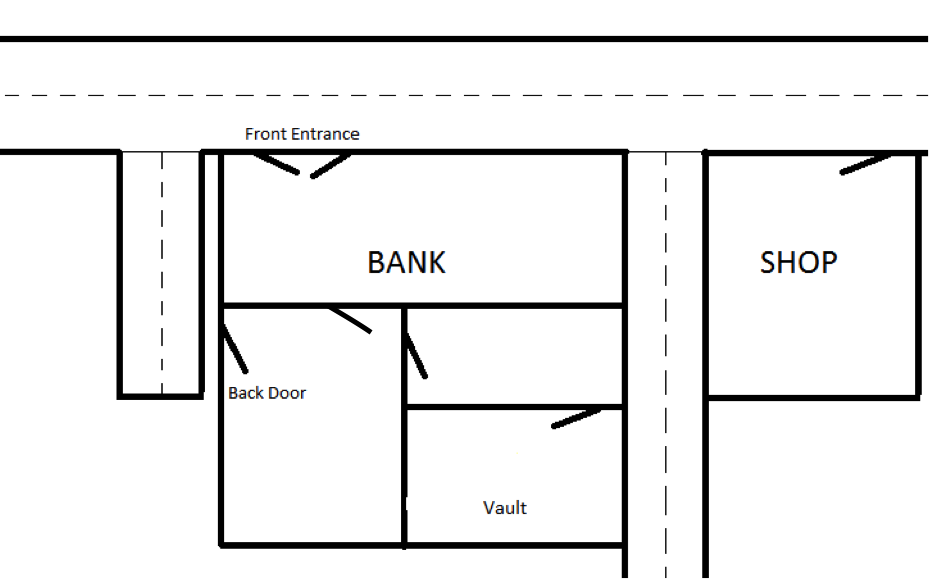



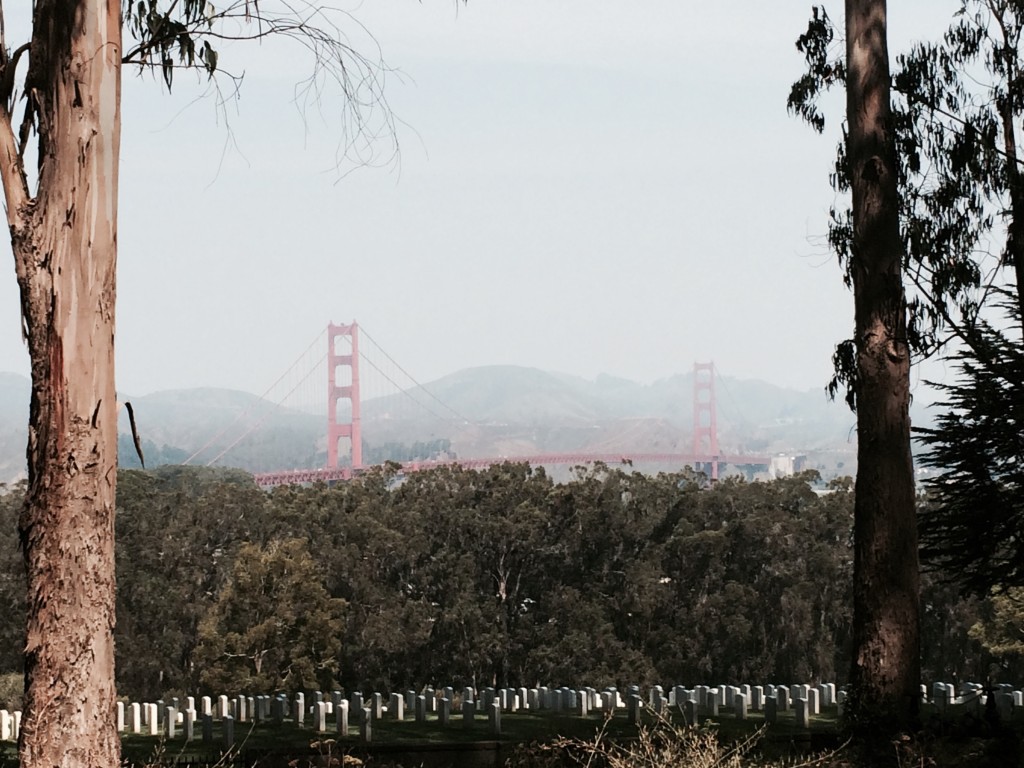



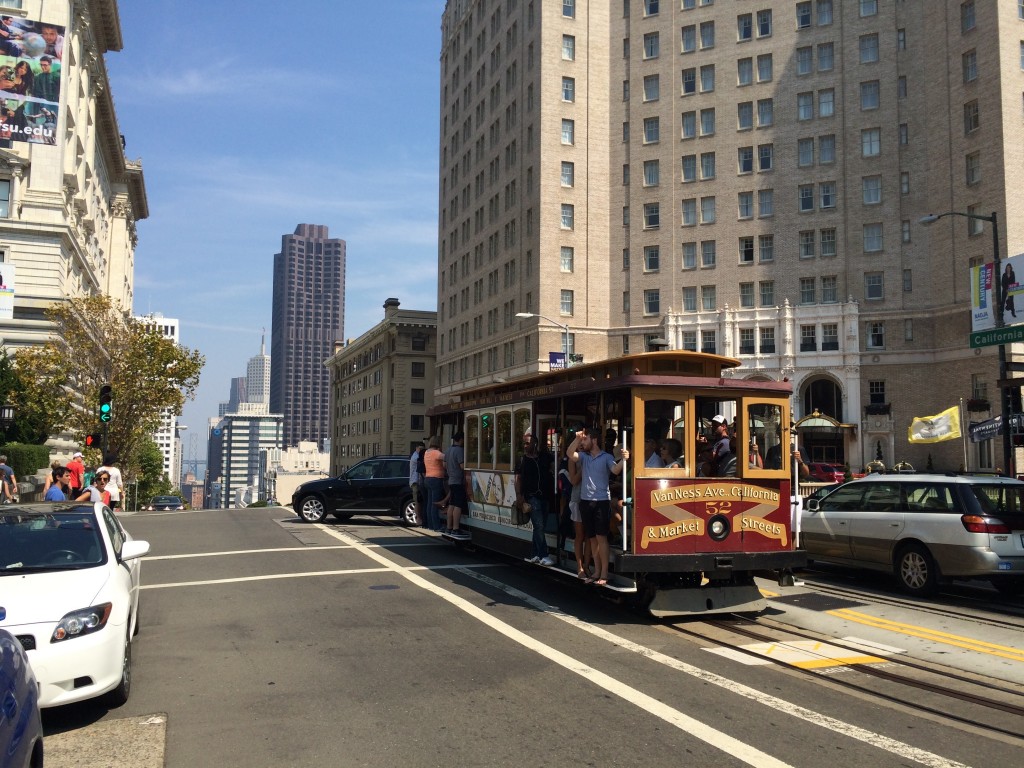
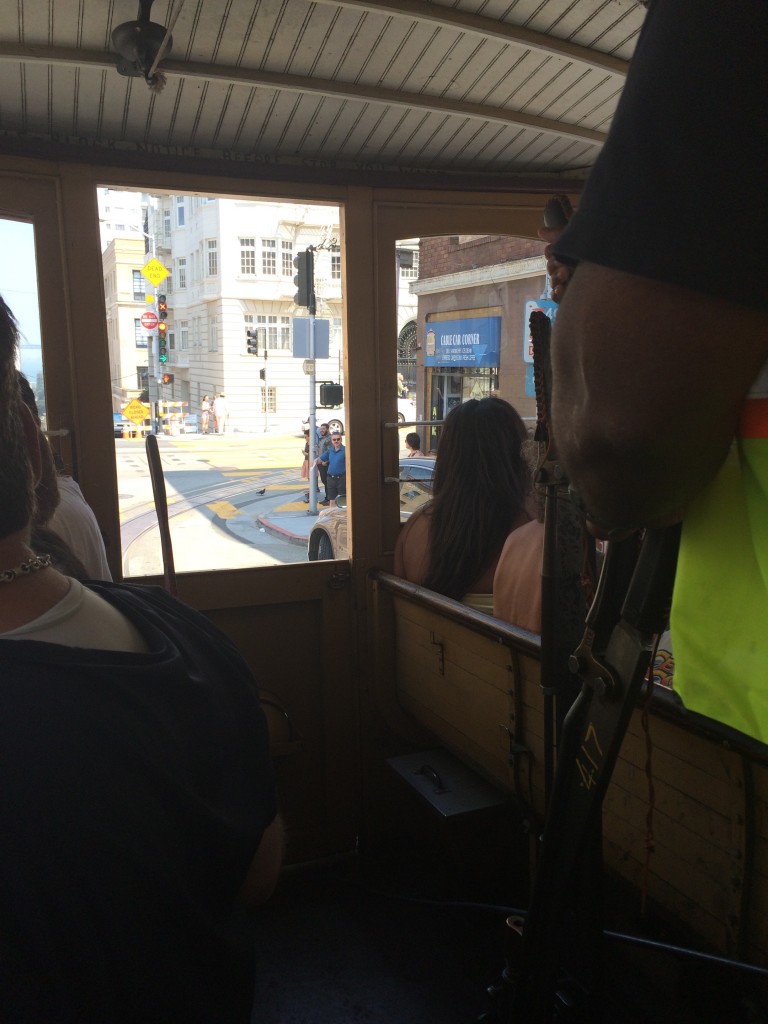
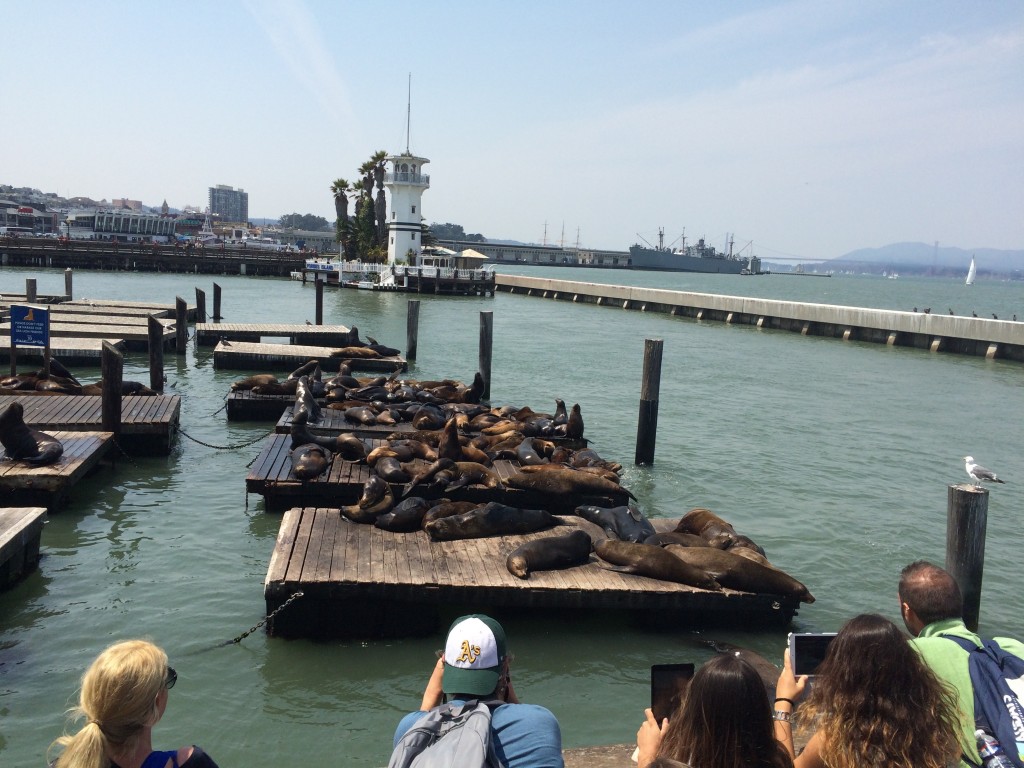
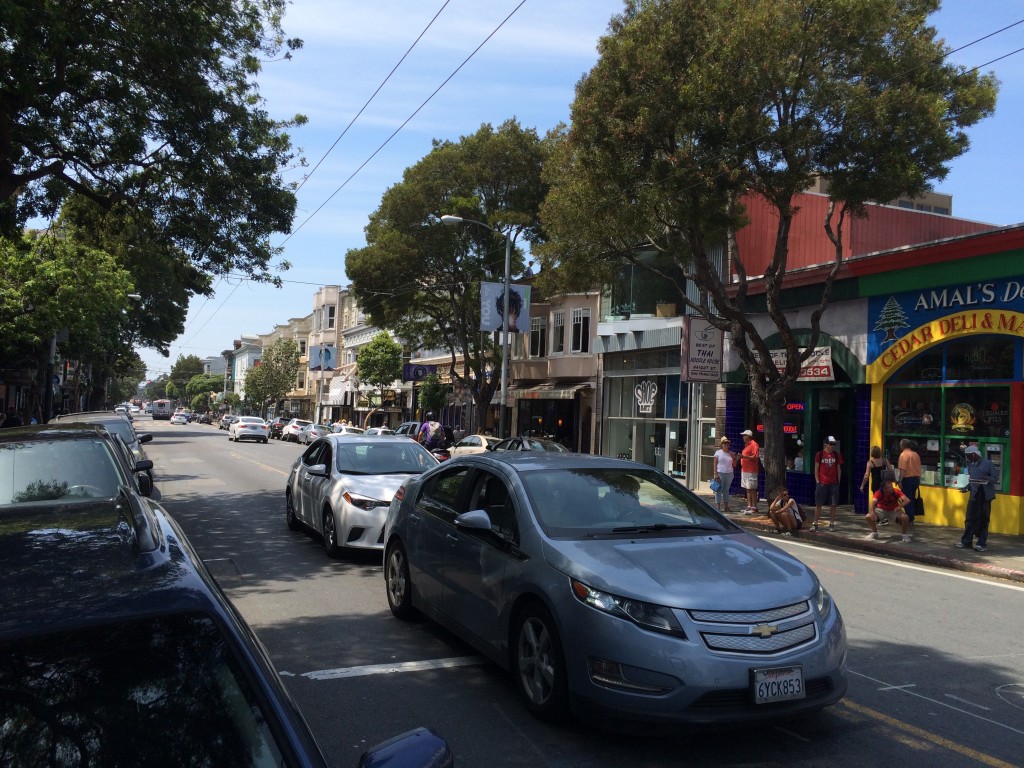
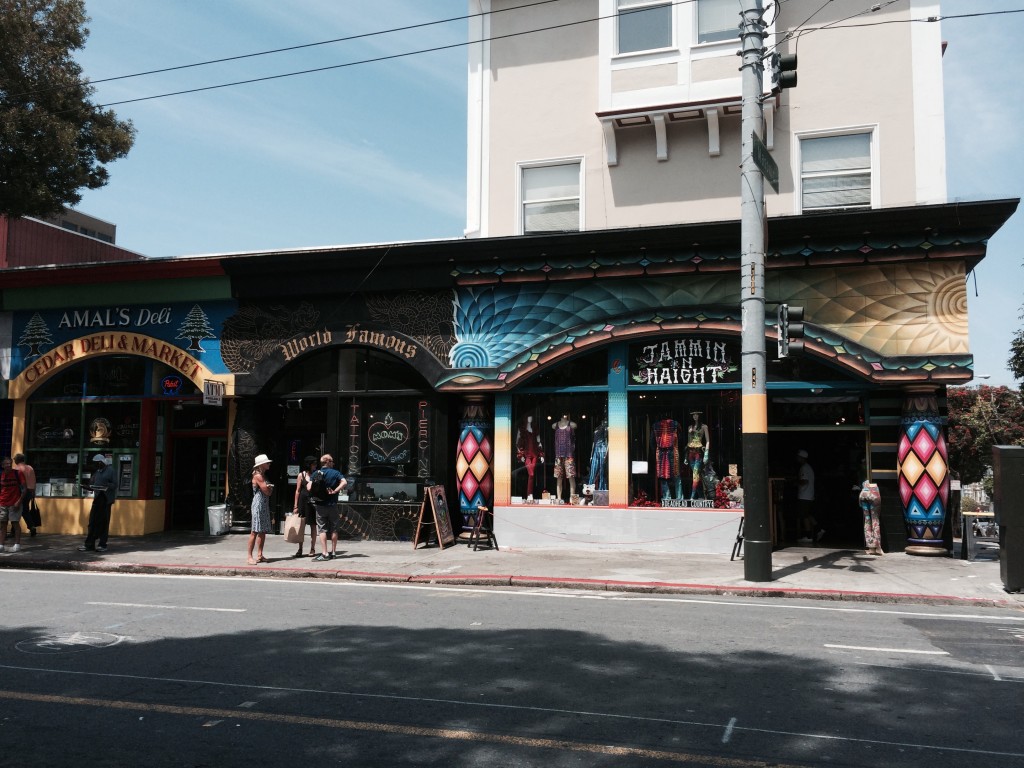





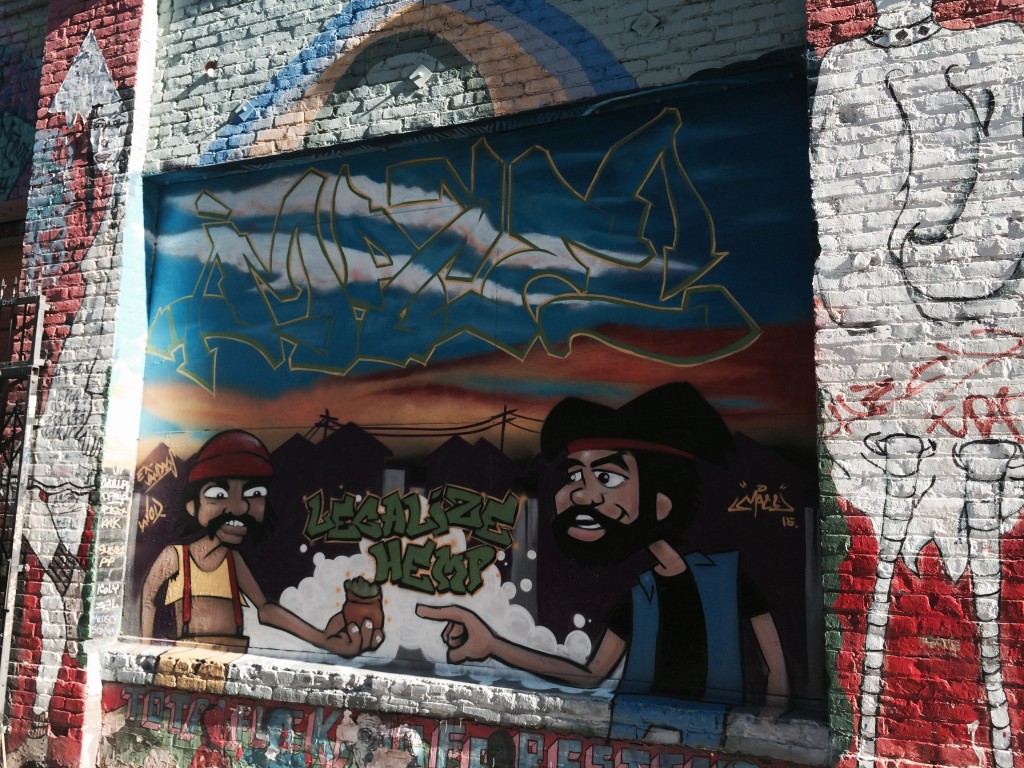

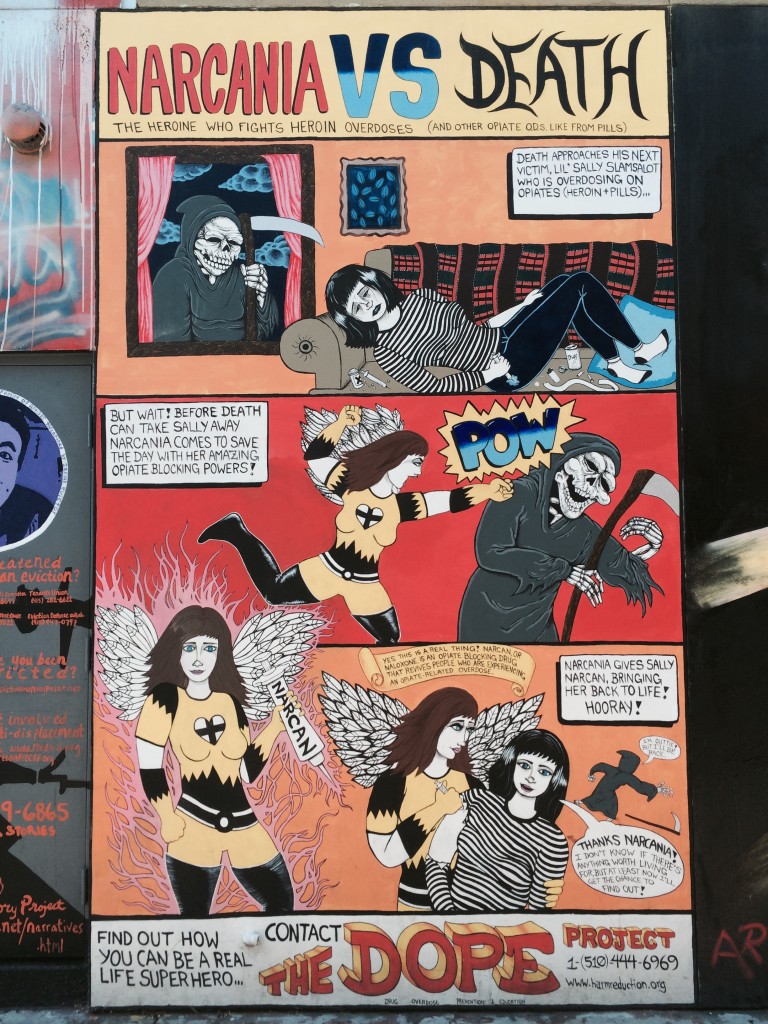




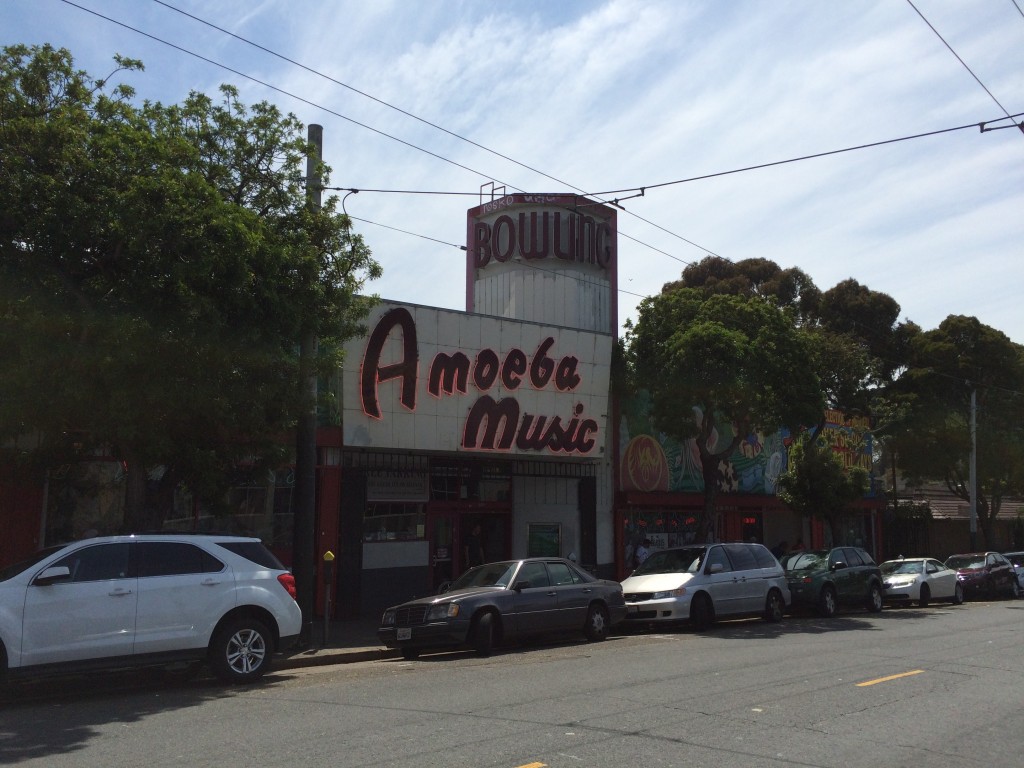



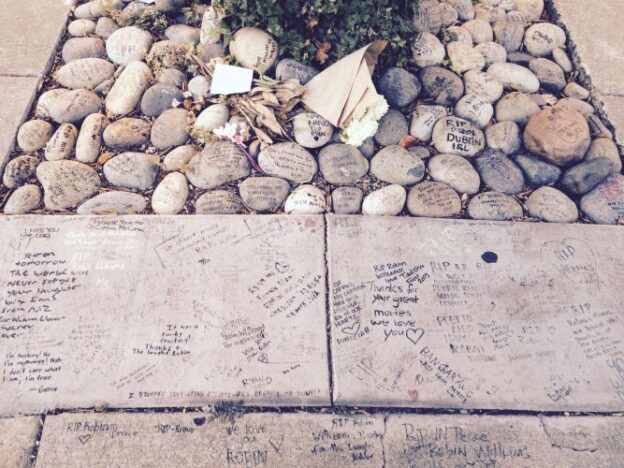
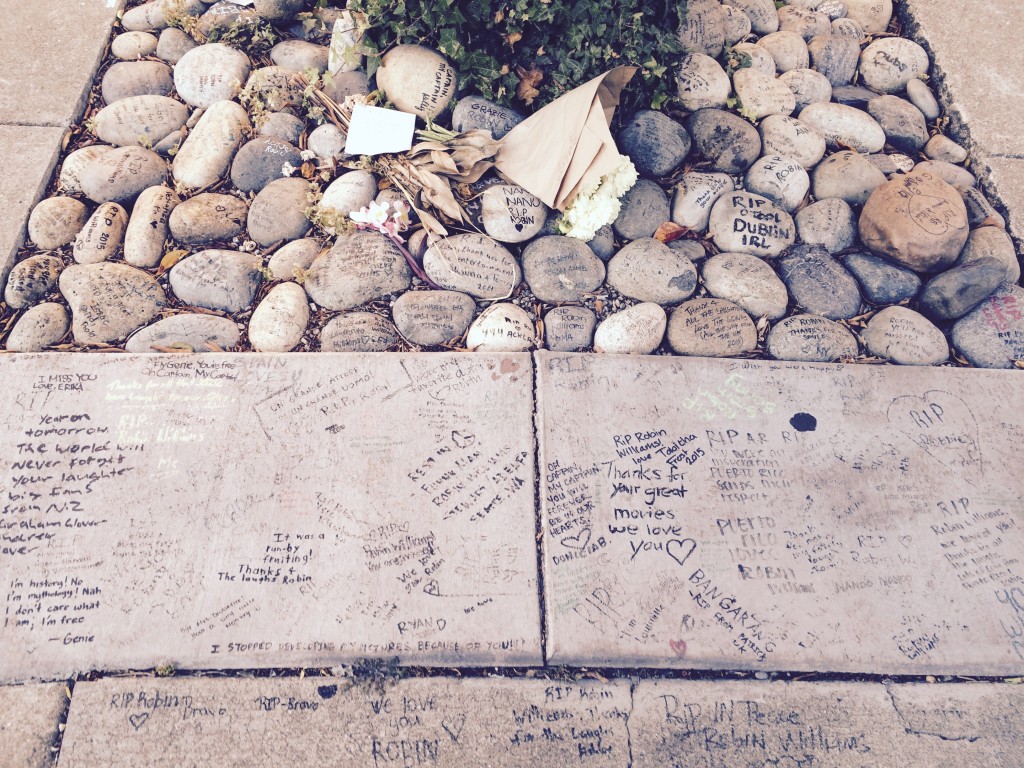





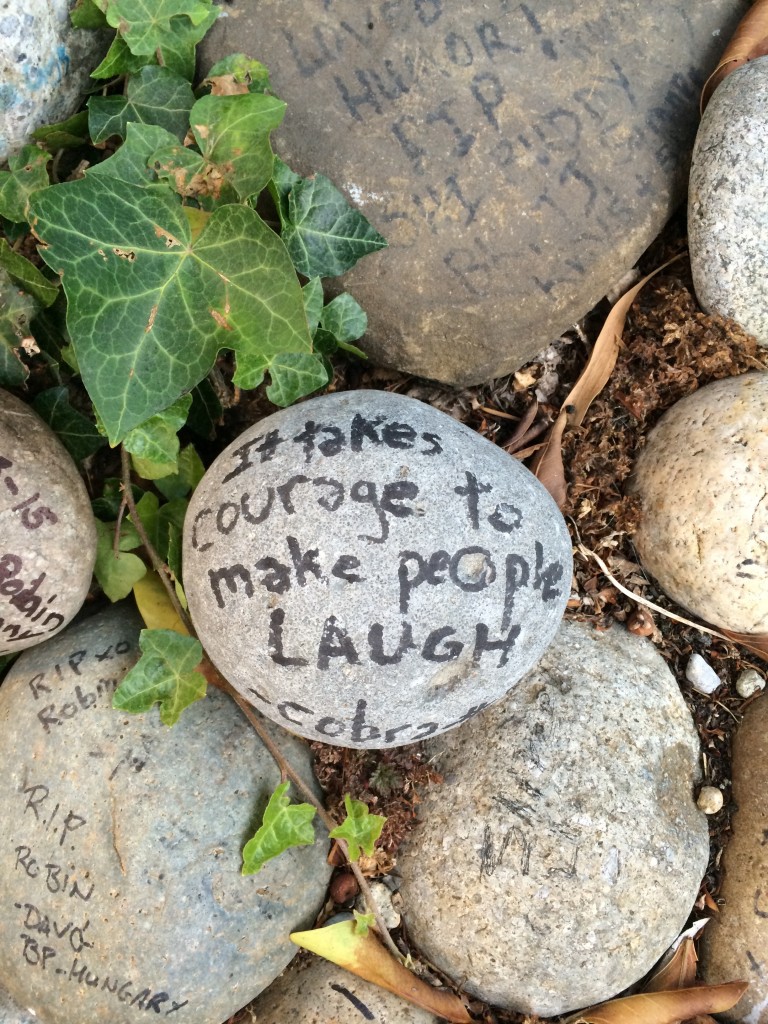
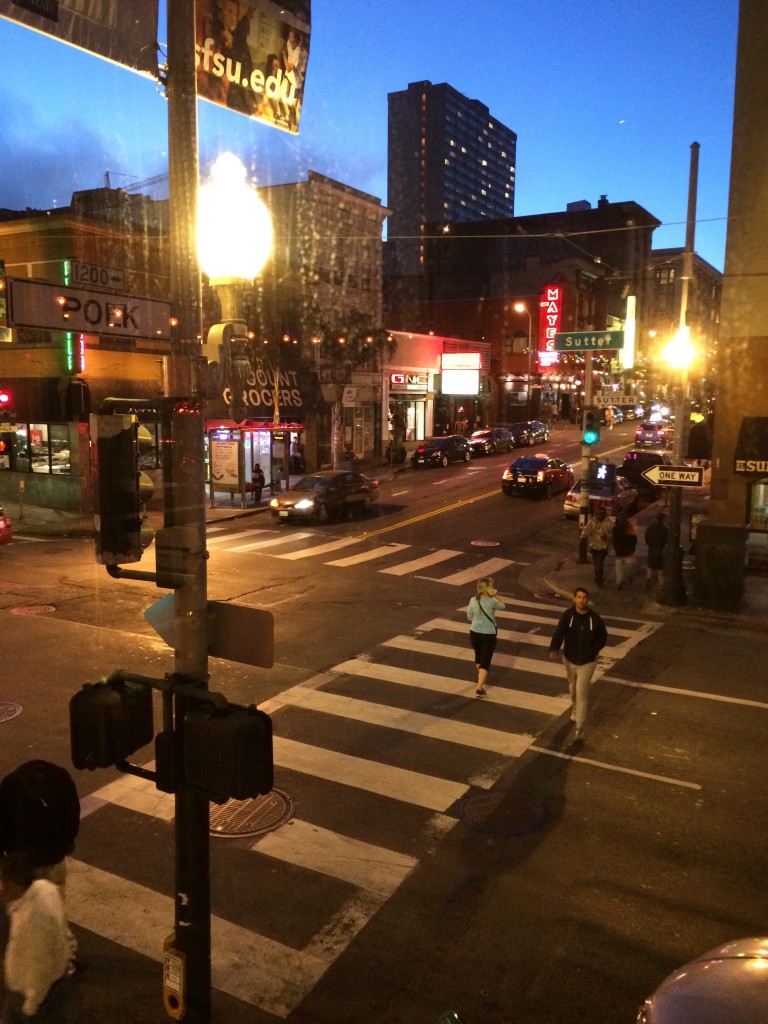
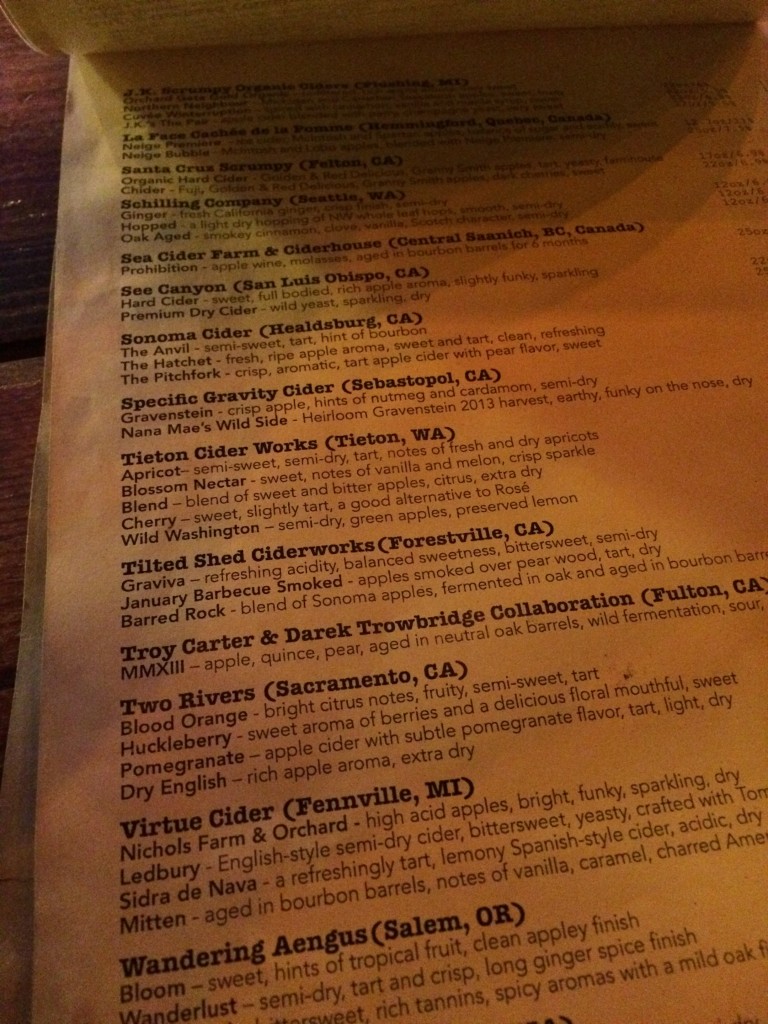




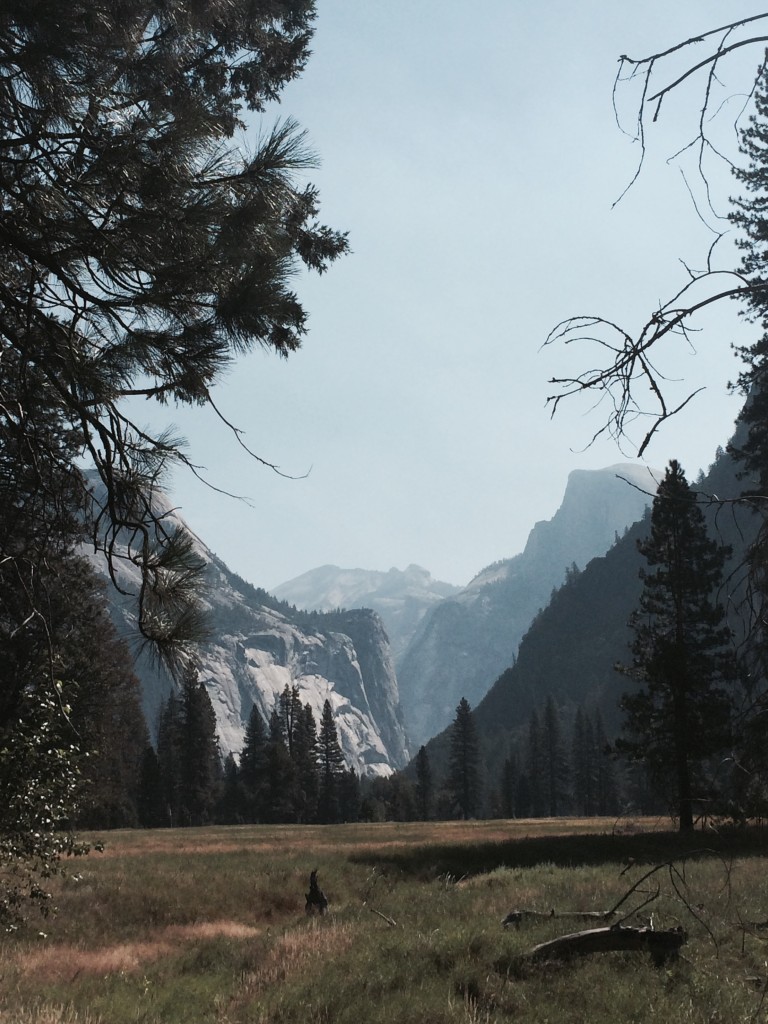
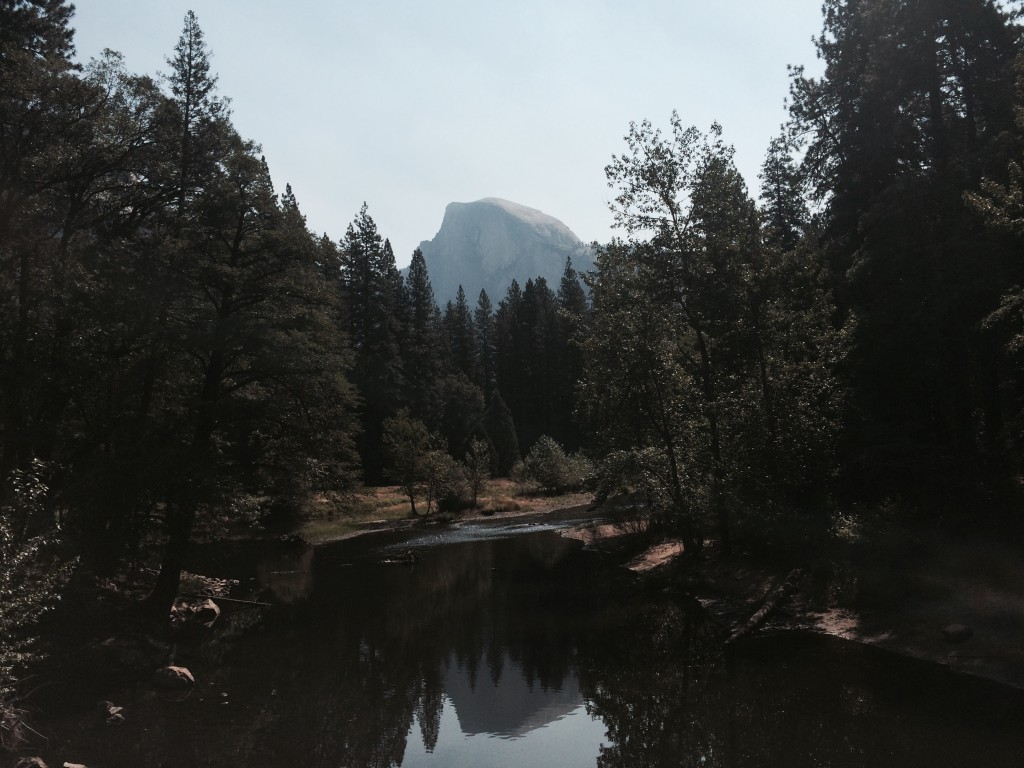
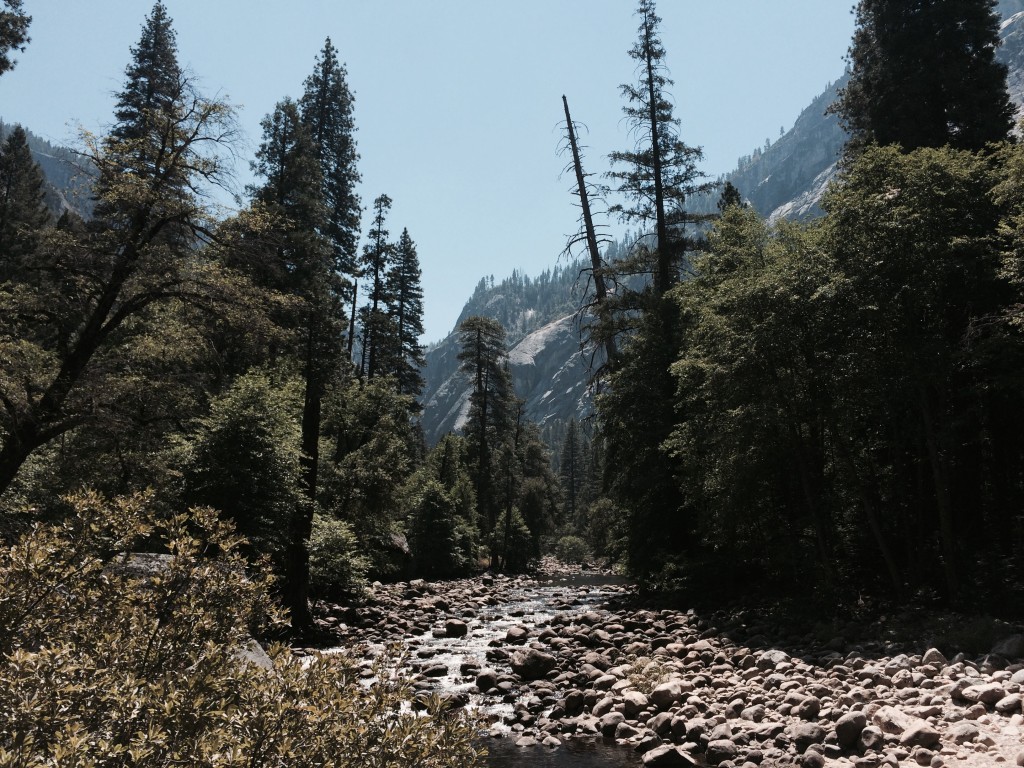


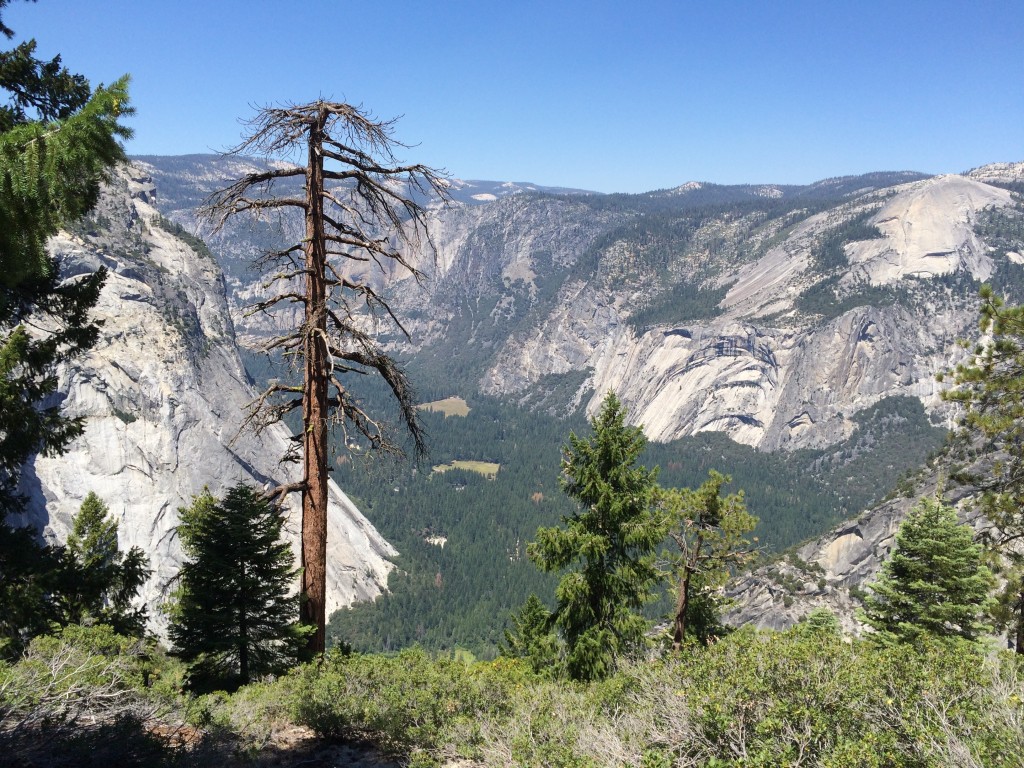

 “Californication” Lyrics & Chords